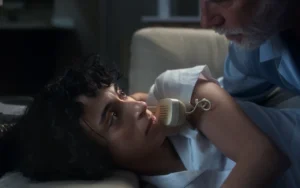
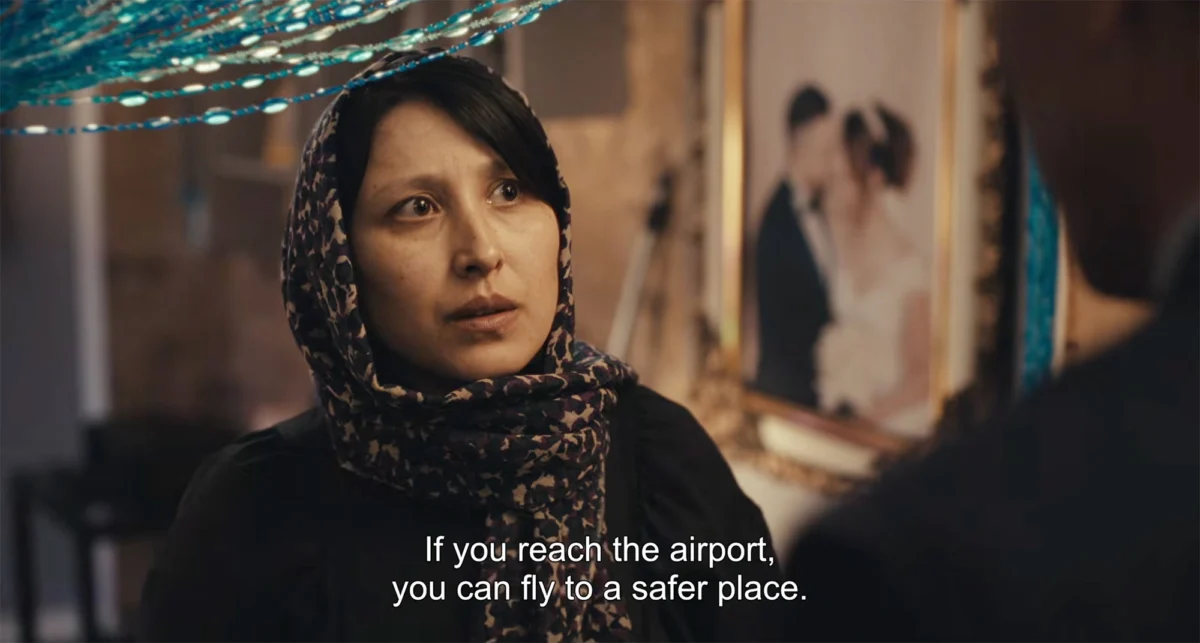
The official trailer for No Good Men, the fourth feature film by acclaimed Afghan writer, director, and star Shahrbanoo Sadat, has officially been released, offering audiences a rare glimpse into a romantic comedy set against the backdrop of historical upheaval. Billed by its creators as "a feel-good love story in a feel-bad place," the film made its world premiere earlier this year as the prestigious opening night selection at the 2026 Berlin Film Festival. Following its successful festival circuit debut, the project has garnered international acclaim for its unique tonal blend of levity, romance, and stark political reality, and is currently slated for upcoming screenings at the London Film Festival and the Warsaw Film Festival this fall.
Set in the waning days of the capital before the return of the Taliban to power, the narrative follows Naru, portrayed by director Shahrbanoo Sadat herself. Naru works as a television professional and films cooking segments for a local station in Kabul. In her personal life, however, she is locked in a stressful domestic struggle, living with her three-year-old son in her parents’ apartment while fighting for full child custody. Under existing Afghan legal frameworks that heavily favor paternal rights, her battle is complicated, compounded by her deeply held disillusionment with men following the serial infidelities of her ex-husband. Naru’s worldview is challenged when Qodrat, recognized as Kabul Television’s premier journalist, approaches her with a lucrative and career-defining opportunity. As the two travel across the city to report on daily life during the final window of freedom in 2021, professional collaboration evolves into unexpected romance, forcing Naru to question her foundational belief that no trustworthy men remain in her country.
Chronology of Production and Festival Circuit Launch
The journey of No Good Men to international screens represents a significant milestone in contemporary independent cinema, reflecting the resilience and adaptability of displaced and transnational filmmakers. Principal development on the project began years prior to its 2026 premiere, navigating the complex logistics of international co-production involving multiple European territories. Following the geopolitical shifts in Afghanistan in August 2021, the thematic urgency of the film shifted from a contemporary drama to a poignant period piece capturing a specific, critical juncture in modern history.

The film’s trajectory accelerated dramatically in early 2026 when festival organizers selected it to open the Berlin Film Festival. This high-profile premiere placed the indie romantic comedy in the global spotlight, drawing praise from international critics for its ability to balance the weight of historical trauma with the universally relatable mechanics of a romantic comedy. Following Berlin, the production embarked on an extensive global tour, engaging audiences at various international cinema showcases. The upcoming presentations at the London Film Festival and the Warsaw Film Festival mark the continuation of this rollout, bridging the gap between major festival premieres and commercial theatrical distribution across European territories scheduled for the fall. At present, a North American theatrical release date has not yet been confirmed by international sales agents or distributors, leaving industry observers and cinephiles awaiting further updates.
Creative Vision and Production Background
At the helm of No Good Men is Shahrbanoo Sadat, a prominent figure in modern Afghan cinema. Sadat has steadily built a formidable international reputation through her distinct cinematic voice and her commitment to portraying authentic, ground-level perspectives of life in Afghanistan. Her previous directorial efforts include Not at Home, Wolf and Sheep (which won the Art Cinema Award in the Directors’ Fortnight section at the 2016 Cannes Film Festival), and The Orphanage, which also premiered at Cannes in the Directors’ Fortnight section in 2019.
In No Good Men, Sadat steps in front of the camera to assume the lead role of Naru, adding a layer of meta-narrative depth to a character whose professional struggles in media mirror the real-world challenges faced by women in the Afghan broadcasting industry. The film’s production structure is a testament to extensive international collaboration, uniting producers from diverse backgrounds to bring the vision to life. The feature is produced by Katja Adomeit, Shahrbanoo Sadat, Jeppe Wowk, Marina Perales Marhuenda, Xavier Rocher, Ingvil Sæther Berger, Balthasar Busmann, and Maxi Haslberger. This coalition of European and international producers enabled the film to secure the financial backing and logistical framework necessary to complete production outside of traditional domestic studio systems.
Thematic Depth and Industry Reactions
Critics and festival programmers have repeatedly highlighted the courage required to frame a romantic comedy within the parameters of a collapsing state. By choosing the year 2021 as the narrative anchor—specifically the weeks preceding the Taliban takeover—Sadat utilizes the backdrop of impending societal transformation to heighten the stakes of personal autonomy and emotional connection.

Official program notes from the Berlin Film Festival underscore this tension, describing the film as an examination of survival, professional ambition, and emotional recovery. "Afghanistan, 2021, shortly before the Taliban’s return to power," festival notes state. "Naru, the only camerawoman at Kabul’s main TV station, is struggling to retain custody of her 3-year-old son. After leaving her serially cheating husband, she has become convinced that no good men exist in her country. She’s therefore caught off guard when Qodrat, Kabul TV’s most important journalist, offers her a career opportunity. As the two criss-cross the city reporting on its last days of freedom, sparks fly between them and Naru starts to doubt her conviction. Could there be a good man out there after all?"
Early reviews from industry trades and festival attendees have commended the film’s refusal to rely on melodramatic clichés, opting instead for wit, sharp dialogue, and grounded performances. By integrating real-world historical anxiety with the tropes of classic romantic comedies—such as the reluctant professional partnership and the gradual melting of emotional barriers—Sadat creates a viewing experience that is simultaneously comforting and unsettling.
Broader Impact and Market Implications
The distribution of No Good Men across European cinemas this autumn highlights the ongoing appetite for authentic international cinema and indie productions that tackle complex socio-political realities through personal narratives. As foreign-language and independent films continue to carve out vital spaces within the global theatrical market, projects like Sadat’s demonstrate the viability of stories that transcend regional specificity while remaining firmly rooted in local truths.
Furthermore, the film serves as a vital artifact of cultural preservation. As the domestic landscape for artistic expression within Afghanistan has undergone severe restrictions, works created by exiled or displaced Afghan artists play a crucial role in maintaining continuity of national storytelling, free expression, and historical documentation. The international visibility of No Good Men ensures that conversations surrounding gender equity, systemic legal challenges for women, and the lived realities of citizens during times of profound political transition remain present on the global cultural agenda.

As the film continues its festival run through London and Warsaw ahead of its broad European theatrical rollout, industry stakeholders will monitor its box office performance and critical reception closely. While North American audiences must await a confirmed release window, the widespread availability of the official trailer and promotional materials has successfully generated significant online anticipation. Through No Good Men, Shahrbanoo Sadat has once again expanded the boundaries of her filmography, delivering a work that challenges conventional cinematic categorizations and redefines what a contemporary romantic comedy can achieve in both scope and substance.