


The Genesis of the Crisis: A Historical Context
By the time the conference convened in 1980, the scientific community had already possessed a foundational understanding of the greenhouse effect for nearly a century. Swedish chemist Svante Arrhenius had theorized the relationship between carbon dioxide and global temperatures as early as 1896. However, it was not until the late 1970s that the United States government began to treat the phenomenon as an urgent policy concern.
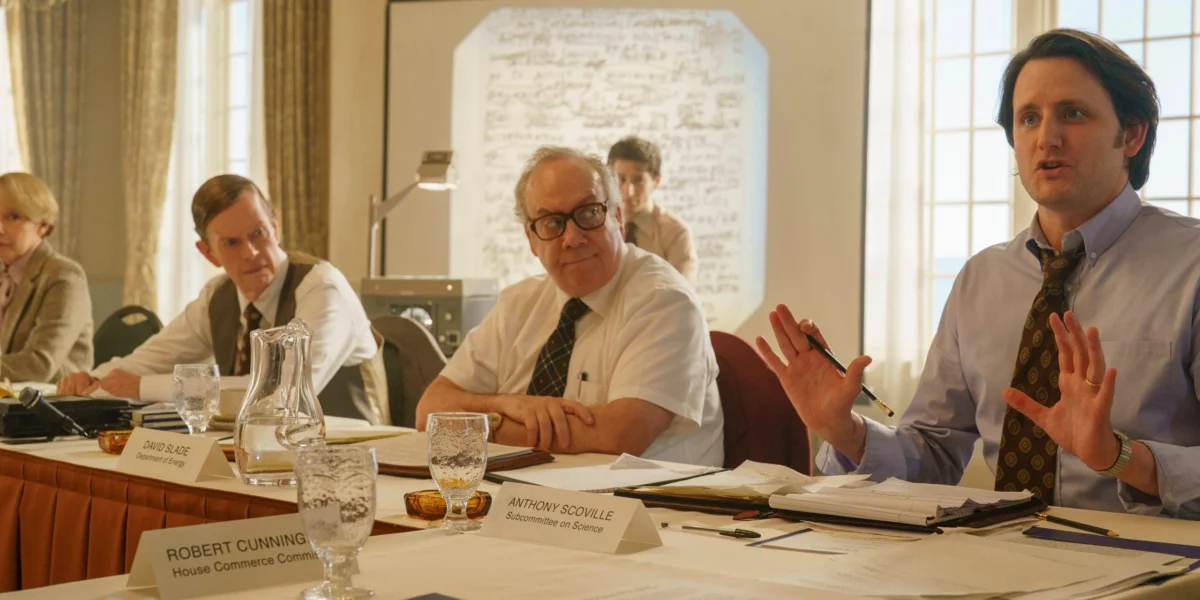
The conference depicted in the film follows a mandate issued by Congress to a diverse group of stakeholders, including environmental activists, atmospheric scientists, legal experts, and legislative staffers. Their singular goal: to draft a definitive statement on how to address the impending dangers of carbon dioxide emissions. The setting—a beachside resort in St. Petersburg—provided a stark, almost ironic backdrop for a group tasked with discussing the potential for rising sea levels and shifting climate ecosystems that would eventually threaten the very ground beneath their feet.
Chronology of the 1980 Conference
The film meticulously reconstructs the four-day timeline of the conference, treating the transcript as the primary source of truth.
- Day One: The participants gather, tasked with the mundane yet symbolically significant challenge of establishing a framework for debate. The introduction of Dr. David Rose, played by John Turturro, serves as the narrative catalyst. Through a series of six technical slides, Rose attempts to quantify the trajectory of CO2 emissions. The film highlights the disconnect between scientific data and bureaucratic comprehension, as participants like Amy Ryan’s Annemarie Crocetti struggle to translate these projections into language suitable for political action.
- Day Two: The debate shifts from data to definition. The group faces the fundamental problem of the scientific method: its inherent discomfort with absolute certainty. As they grapple with how to present a "statement" to Congress, the friction between the scientists’ desire for precision and the policymakers’ need for absolute, clear-cut messaging becomes apparent.
- Day Three: Internal divisions intensify. Activists, led by the character of Rafe Pomerance (Evan Peters), clash with those who prioritize professional standing and consensus. The film explores the "consensus vs. unanimity" dilemma, a concept articulated by moderator Tom Jorling (Paul Rudd). The realization that the group can only move as fast as its most cautious member begins to weigh on the proceedings.
- Day Four: The final drafting phase reveals the systemic failure of the process. As the group nears the deadline, the pressure to produce a statement that is both scientifically accurate and politically palatable leads to a dilution of the core message, effectively rendering the final document a compromise that fails to address the gravity of the situation.
Technical Analysis and Supporting Data
The film’s reliance on historical transcripts provides a sobering look at the limitations of language when applied to existential threats. While the participants possessed the data required to predict a warming world, the administrative culture of the time—and the structure of the American political apparatus—prioritized the mitigation of political risk over the mitigation of climate risk.
Statistically, the 1980s marked a transition period in global atmospheric concentrations of CO2. Atmospheric carbon dioxide levels, which were approximately 338 parts per million (ppm) in 1980, have since climbed to over 420 ppm as of 2024. The failure of the 1980 commission to issue a bold, unambiguous call to action contributed to a decade of policy stagnation. Analysis of these proceedings suggests that the "overabundance of caution" cited by the characters was a structural feature, not a bug, of the policy-making process. By requiring consensus among stakeholders with vastly different professional mandates, the government effectively neutralized the potential for a transformative response to the climate threat.
The Human Element: Performances and Character Dynamics
McCarthy’s direction emphasizes the human element within the sterile confines of the conference room. By inventing scenes that occur outside the official sessions, the film provides context to the internal struggles of the experts involved.
John Turturro’s portrayal of Dr. David Rose captures the frustration of an intellectual burdened by the knowledge of a disaster that no one else is fully prepared to acknowledge. In contrast, Evan Peters’ Rafe Pomerance represents the urgent, often sidelined voice of the activist, providing a necessary counterweight to the procedural sluggishness of the room. Amy Ryan’s performance serves as the audience’s proxy; her realization that the group is prioritizing the language of the statement over the reality of the crisis mirrors the audience’s own growing indignation. The ensemble cast’s ability to elevate technical jargon into a visceral, emotional performance ensures that the film remains grounded in the realities of human fallibility.
Broader Implications and Institutional Failure
The film offers an invaluable case study on why democratic institutions often struggle with long-term, slow-moving crises. The dialogue, captured directly from the historical record, serves as a testament to the "kicking the can down the road" mentality that has characterized climate policy for the last four decades.
The fundamental breakdown occurs when the scientists, who operate in a world of probabilistic data, interface with the political class, which requires binary, absolute outcomes to craft legislation. The failure to reconcile these two modes of communication meant that by the time the scientific community was able to provide the "absolutes" that politicians craved, the window for preemptive, low-cost intervention had already begun to close.
Conclusion: A Sobering Reflection on Governance
A Statement succeeds in being more than a period piece; it is a diagnostic tool for understanding the present. By refusing to soften the edges of these historical proceedings, the film forces the viewer to confront the reality that the climate crisis was not an inevitable outcome of ignorance, but a result of a process that favored consensus over action.
The film does not offer a resolution, nor does it provide the viewer with the comfort of a "what could have been" scenario. Instead, it leaves the audience with the stark reality of the 1980 conference: a room full of intelligent, well-intentioned individuals who were paralyzed by their own professional standards and the constraints of their environment. As the nation continues to struggle with the impacts of climate change, the story of this 1980 meeting stands as a reminder of the cost of indecision. The film effectively demonstrates that while scientific data is the foundation of knowledge, political will is the foundation of change—and in the absence of the latter, even the most profound truths are rendered silent.