


The streaming landscape in November 2026 is defined by a significant expansion of Netflix’s animation library, characterized by a strategic mix of high-profile original productions and the continuation of serialized weekly programming. This month marks a pivot point for the platform, which has increasingly prioritized global simulcasts and co-productions with established Japanese animation houses. As audiences navigate an increasingly fragmented digital media environment, Netflix’s decision to commit to consistent, episodic releases for major titles suggests a long-term strategy aimed at maintaining subscriber retention through long-tail engagement.
Strategic Debuts and Original Productions
The flagship release for the month is the premiere of Bass X Machina, scheduled for November 3, 2026. This original series, spearheaded by creator LeSean Thomas—known for his previous work on Yasuke and Cannon Busters—represents a continued investment in Western-produced, anime-influenced content. Produced by the acclaimed Studio Mir, the series utilizes a steampunk aesthetic to explore complex sociopolitical themes. The narrative centers on a protagonist acting as a surrogate judicial authority within a lawless frontier environment. The involvement of a high-caliber voice cast, including Brian Tyree Henry and Janelle Monáe, underscores Netflix’s attempt to bridge the gap between niche animation audiences and mainstream entertainment consumers.
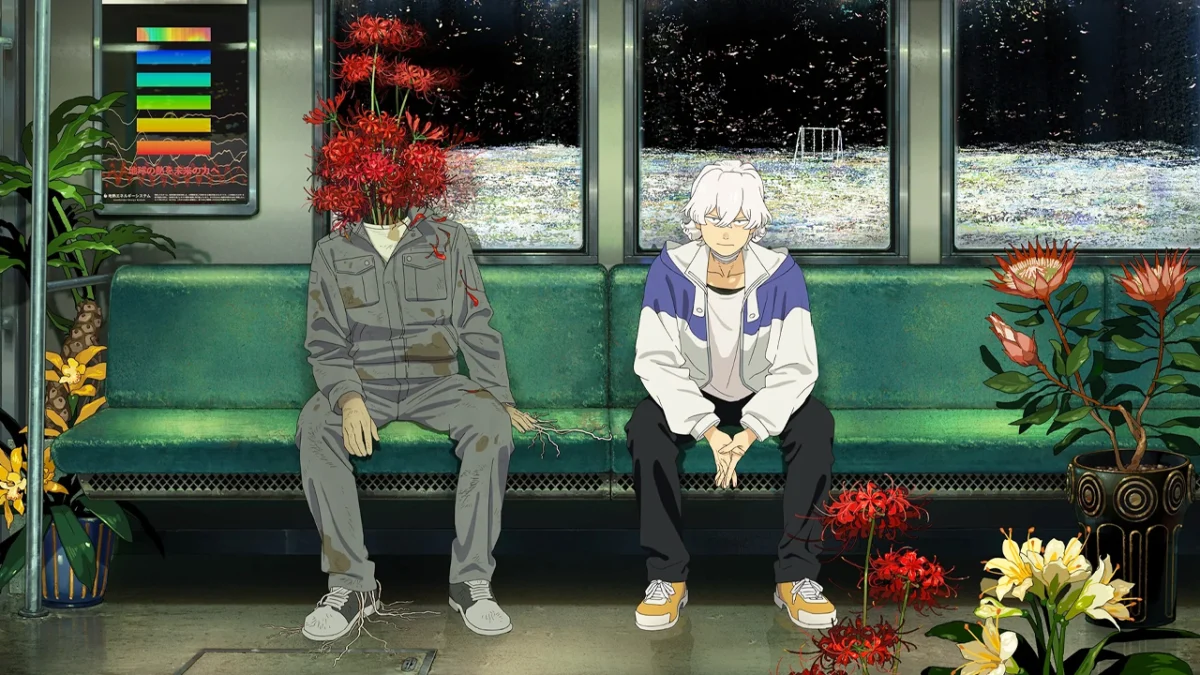
Later in the month, on November 26, Netflix will debut Fool Night, a collaboration between two pillars of the Japanese animation industry: Sunrise and Shaft. This partnership is noteworthy given the distinct stylistic identities of both studios; the integration of their creative processes has been a subject of significant industry anticipation. The narrative, set in a dystopian future where oxygen scarcity necessitates the transformation of humans into plants, offers a grim, philosophical examination of survival. By securing international rights to such a high-concept project, Netflix continues to solidify its status as a primary conduit for mature, auteur-driven Japanese animation.
The Shift Toward Episodic Weekly Serialization
A central component of Netflix’s current anime strategy is the transition away from the "binge-release" model for ongoing series. This change, which gained momentum following vocal consumer feedback earlier in 2026, has fundamentally altered the platform’s engagement metrics. The success of this transition is most visible in the current release schedule for high-profile properties, which now follow a traditional broadcast-style cadence.
The serialization of Steel Ball Run, a critical entry in the JoJo’s Bizarre Adventure franchise, serves as a case study for this operational shift. Following initial criticism regarding the staggered distribution of episodes, the platform stabilized its release schedule to a weekly Friday format. This adjustment has been credited with fostering a more robust social media discourse and community engagement, though it has simultaneously highlighted the platform’s ongoing tension with fans regarding creative choices, such as the persistent debates surrounding the series’ ending themes.
Comprehensive Schedule of Ongoing Series
The following titles constitute the backbone of the November 2026 animation slate, with episodes rolling out on a recurring basis:
- Blue Box (Season 2): Continuing its run on Mondays, this series occupies a vital segment of the platform’s romance-sports hybrid category. With a total projected run extending into mid-March 2027, the series leverages the popularity of its character-driven narrative to ensure consistent viewership.
- The Ramparts of Ice (Season 2): Airing on Thursdays, this adaptation of Kōcha Agasawa’s manga has emerged as a sleeper hit. Its focus on the nuances of adolescent social barriers has resonated with a demographic that prefers character-focused dramas over high-octane action.
- Ranma 1/2 (Season 3): Produced by Studio MAPPA, this reboot continues its Saturday release cycle. The series remains a cornerstone of the platform’s nostalgic programming, successfully reintroducing a 1990s intellectual property to a new generation of viewers while maintaining the visual standards expected of a modern MAPPA production.
- Daemons of the Shadow Realm (Season 1): Scheduled for Saturdays, this series benefits from its alignment with the second cour of its Japanese broadcast. This synchronized release model minimizes the risk of spoilers and capitalizes on the concurrent international interest in the source material.
- Dragon Ball Super: Beerus (Season 1): As one of the most anticipated titles of the year, this remake of the Dragon Ball Super narrative arc is currently slated for a February 2027 finale. By offering enhanced visual fidelity that surpasses the original 2015 broadcast, the series has successfully revitalized interest in one of the most enduring franchises in animation history.
- Snowball Earth (Season 1): Currently airing on Thursdays, this series provides a unique sci-fi premise centered on post-apocalyptic survival and robotic companionship. Its inclusion reflects a broader diversification of genre offerings on the platform.
Industry Implications and Market Context
The influx of content in November 2026 reflects a broader trend of market maturation. According to industry analysts, the integration of these series into the Netflix library is not merely a quantitative expansion but a qualitative shift. By prioritizing weekly releases, Netflix is attempting to mirror the temporal nature of traditional television, which historically facilitates longer-term brand loyalty.
Data from the third quarter of 2026 suggests that the average duration of user sessions during the release of these weekly titles has increased significantly compared to binge-release models. This behavior indicates that viewers are returning to the platform on a consistent schedule, effectively mitigating the "churn" often associated with platforms that rely solely on massive, one-time content drops.
Furthermore, the participation of legacy studios like Sunrise and Shaft, alongside contemporary powerhouses like MAPPA and Studio Mir, indicates that Japanese production committees view Netflix as a viable, long-term partner for international distribution. This shift has necessitated a more collaborative approach to production, where scheduling, subtitling, and regional localization are finalized well in advance of the premiere dates.
Future Outlook
As the industry approaches the end of 2026, the success of this current slate will likely dictate the strategy for the following fiscal year. The potential for second-season renewals for titles like Fool Night and the continued performance of legacy franchises will remain the primary metrics for success. For the viewer, the takeaway is clear: the platform is evolving into a more traditional broadcast entity, prioritizing sustained narratives that encourage consistent, weekly engagement rather than ephemeral spikes in traffic.
The ongoing discourse regarding fan feedback—ranging from the selection of music in Steel Ball Run to the pacing of the Blue Box adaptation—demonstrates that the relationship between the streaming provider and the anime community is becoming increasingly interactive. Netflix’s willingness to adapt its distribution schedule in response to these critiques suggests that user feedback is now a tangible factor in their content delivery logistics. As November 2026 unfolds, the industry will be watching to see how these titles perform in a crowded marketplace, particularly as they compete for attention during a period of high seasonal demand.