


Production Overview and Cast
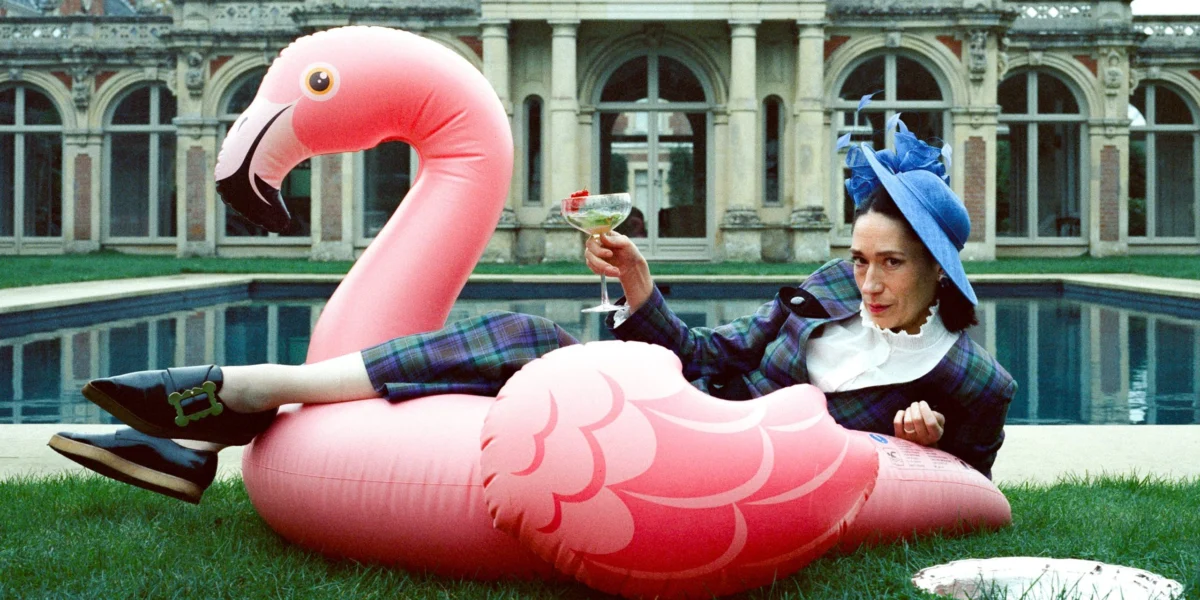
The film, which features a compact but potent ensemble cast including Laurie Kynaston, Juliet Cowan, and Olisa Odele, operates as a character study wrapped in the guise of a documentary project. Siân Clifford, widely recognized for her BAFTA-winning work in Fleabag, anchors the production with a performance that requires navigating both broad comedic beats and moments of profound, quiet tragedy. Opposite her, Laurie Kynaston portrays Sam, a director whose initial professional ambition is slowly eroded by the erratic demands of his subject.
The production team, led by Abrahams, utilized a handheld camera aesthetic to simulate the immediate, invasive nature of documentary filmmaking. This technical choice is central to the film’s narrative, as it forces the audience to view the world through the lens of a crew that is increasingly unsure of the objective reality of the events unfolding at Ravenhyde Hall, the film’s primary setting.
Chronology of the Narrative
The film opens with a sequence that establishes Lady Isabella’s propensity for performative artifice. Upon the arrival of the documentary crew at the sprawling, isolated estate of Ravenhyde Hall, the audience is introduced to an environment where the boundaries between reality and fabrication are intentionally blurred.
- The Arrival: The documentary crew arrives at Ravenhyde Hall, lured by the promise of an exclusive look into the life of an aristocrat. The setting, characterized by taxidermy and marble busts, serves as a physical extension of Isabella’s curated persona.
- The Deception: Isabella claims that a major streaming platform, specifically Netflix, is interested in her life story. This claim provides the primary motivation for the crew to remain, despite mounting evidence of its falsehood.
- The Escalation: As the crew prepares for Isabella’s entry into "Stately Stars," an annual talent show for underprivileged children, the film’s tone shifts. The discovery that the Netflix deal is non-existent acts as a pivot point in the plot.
- The Surreal Turn: The narrative takes a departure from grounded mockumentary conventions when Isabella begins to physically fade from view—a visual metaphor for her fear of obsolescence.
- The Resolution: The final act addresses the underlying trauma and grief that prompted Isabella’s retreat from the world five years prior, concluding with a character arc that prioritizes self-actualization over public perception.
Thematic Analysis: The Performance of Self
At the heart of the film lies an inquiry into the nature of identity in the age of social media. Lady Isabella functions as an archetype of the "modern aristocrat," who, stripped of traditional societal relevance, turns her own life into a stage. Her interaction with the documentary medium is not merely a record-keeping exercise; it is an act of existence. When the camera is off, she risks disappearing, a concept the film explores with both literal and metaphorical weight.
The film draws distinct parallels to the "Grey Gardens" aesthetic—a genre defined by the reclusive, eccentric behavior of subjects who are isolated from mainstream society but maintain an internal, often distorted, reality. By positioning Isabella as a woman who has not left her home in five years, the film underscores the psychological toll of isolation. The use of vintage film stock for chapter breaks serves as a stylistic reminder of the disconnect between her desired image and the reality of her environment.
Production Design and Technical Execution
The visual language of the film is essential to its reception. The production design team curated rooms that mirror Isabella’s shifting personality, effectively using the house as a form of camouflage. The "ghost-like" cinematography, particularly a haunting shot of Isabella’s silhouette framed in a window, reinforces the central theme of a woman losing her grip on her own life.
The handheld camera work, while occasionally disorienting, serves a deliberate narrative purpose: it mirrors the erratic, fast-paced nature of a subject who is constantly in motion to avoid stillness. This kinetic energy is contrasted against the stillness of her domestic life, creating a tension that drives the film’s pacing.
Industry Implications and Commentary
While the film is classified as a comedy, its implications regarding the "influencer" culture and the necessity of validation are stark. In an era where individuals are encouraged to treat their personal lives as curated content, Lady Isabella represents the logical, albeit extreme, conclusion of that trajectory.
From a critical perspective, the film has been noted for its "distinct voice," which balances the absurd with the tender. While some critics have observed that the mockumentary format can lead to an occasional disconnect due to the unreliability of the narrator, the film’s ability to transition into surrealism is widely considered its strongest asset. The performance by Siân Clifford, in particular, has been highlighted as a masterclass in subtlety, particularly in how she portrays the transition from a vain socialite to a vulnerable, grieving individual.
Societal Context
The film’s focus on the "Stately Stars" talent show provides a microcosmic view of how individuals use charitable or social causes as vehicles for self-promotion. By entering a competition for underprivileged children to satisfy her own need for a "win," Isabella critiques the performative nature of modern philanthropy. This narrative thread adds a layer of social commentary that grounds the film’s more absurd elements in a reality that many viewers will find recognizable.
Conclusion
Lady stands as a notable entry in the mockumentary genre, not because it reinvents the form, but because it pushes the form into the realm of the surreal to explore the depths of human loneliness. By utilizing a strong, singular performance from Siân Clifford and a visual style that emphasizes the artifice of the medium, the film effectively communicates the danger of defining one’s value through the gaze of others. As the narrative progresses, it shifts from an observational piece about an eccentric woman to an introspective look at the psychological costs of living a life exclusively for the camera.
For audiences and critics alike, the film serves as a reminder that behind every carefully constructed image—whether in the 19th-century aristocratic tradition or the 21st-century digital landscape—there is often a person struggling to reconcile their internal reality with their external performance. The film’s eventual pivot toward the human element ensures that it leaves a lasting impression, moving beyond the simple irony of its premise to touch upon more universal themes of grief, identity, and the fundamental, human need to be seen.