

The ongoing wave of civil unrest sweeping across France escalated into a shocking display of violence on Friday, October 4, 2026, when a 15-year-old boy deployed a makeshift flamethrower directly into the face of a bystander. The disturbing incident, which occurred at a public transportation hub in the southern port city of Marseille, was captured on video and quickly circulated across digital platforms, drawing widespread condemnation and intensifying national concern over the deteriorating security situation.
According to local law enforcement and international media reports, the teenage assailant—dressed entirely in black—confronted an adult woman who was reportedly attempting to intervene and quell the escalating disturbances. Utilizing a standard aerosol can combined with an ignited lighter, the suspect unleashed a direct stream of fire, engulfing the victim’s head and face. Footage from the scene shows the disoriented woman staggering backward while frantically attempting to extinguish the flames on her head, while the group of youths responsible disperses into the surrounding urban landscape.
The rapid identification and apprehension of the suspect by French authorities later that evening underscore the aggressive policing measures currently being deployed to restore public order. As the nation grapples with a turbulent week marked by property destruction, institutional vandalism, and aggressive confrontations, the Marseille attack has emerged as a chilling symbol of the radicalized tactics employed by certain factions within the student-led demonstrations.
Chronology of the Unrest: Escalation Throughout the Week
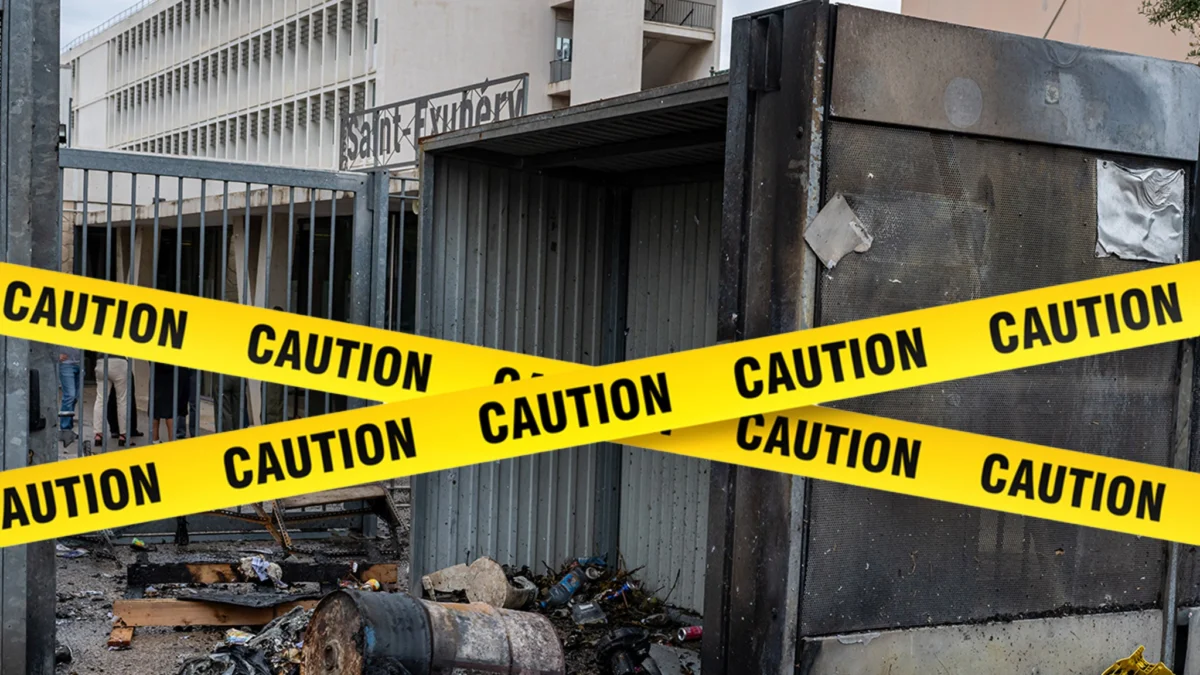
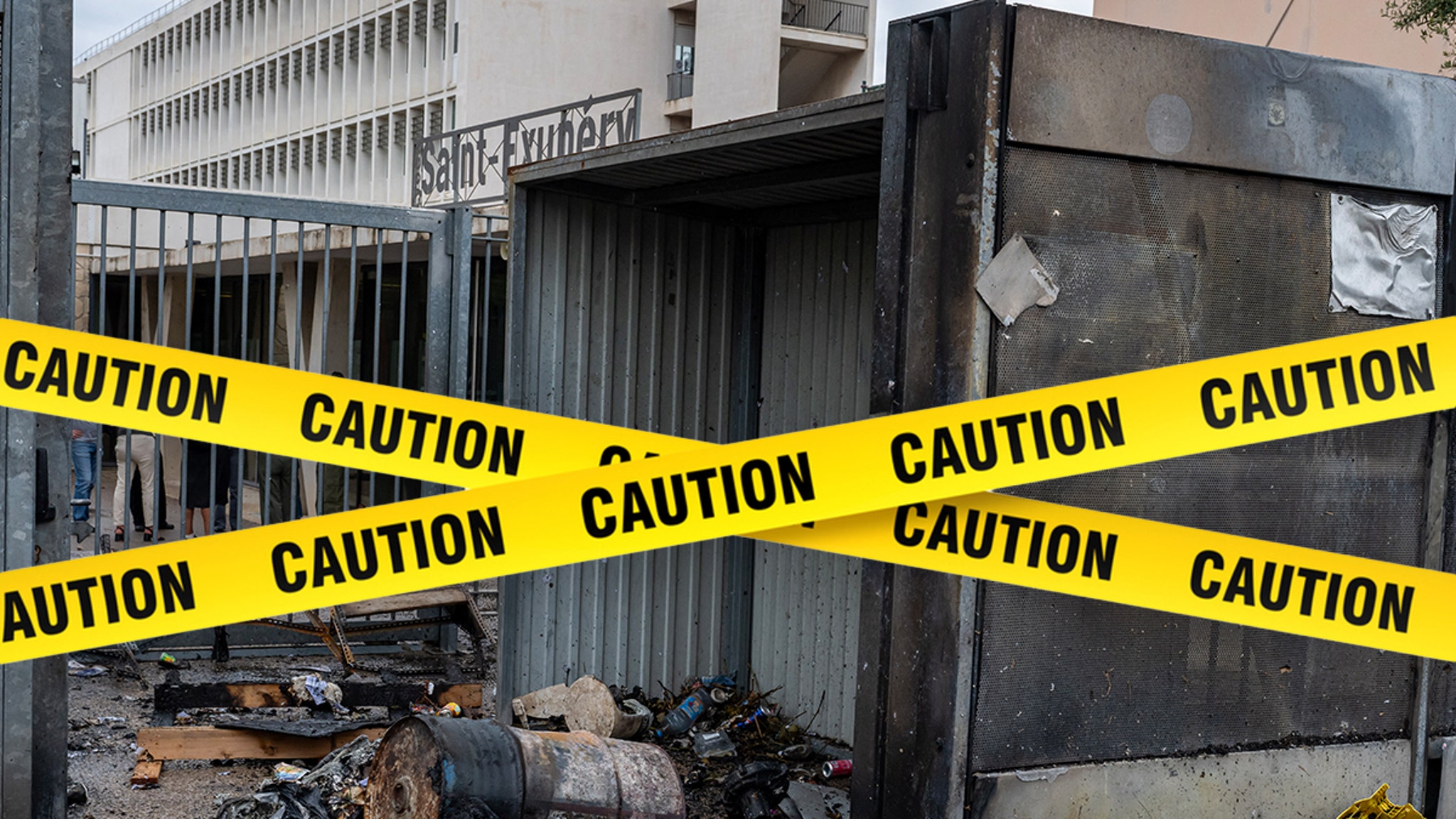
The incident in Marseille did not occur in a vacuum; rather, it represents the violent zenith of days of mounting civil disobedience. Throughout the week preceding the attack, educational institutions across multiple French departments experienced severe disruptions. What ostensibly began as student-organized demonstrations voicing grievances over deteriorating school infrastructure, overcrowded classrooms, and perceived institutional neglect quickly morphed into widespread rioting.
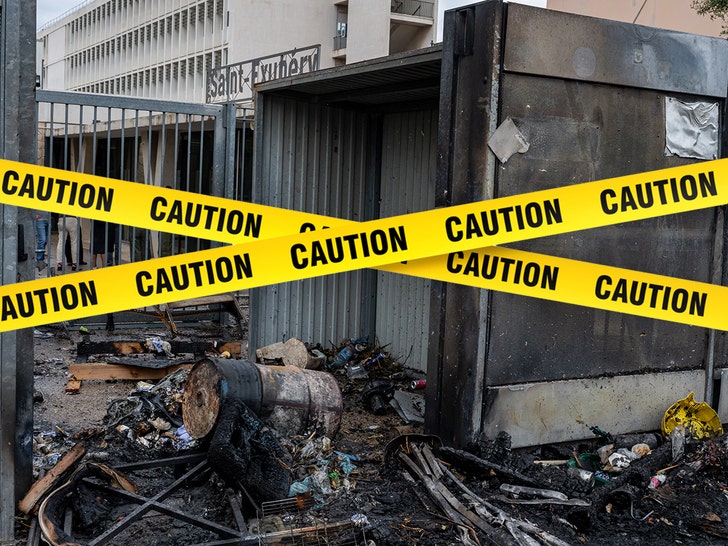
Early in the week, protests were characterized by routine student walkouts, peaceful assemblies, and blockades of secondary school entrances. However, as the days progressed, the demeanor of the demonstrations shifted dramatically. By mid-week, authorities reported systematic acts of vandalism, including the burning of public property, the targeted destruction of municipal infrastructure, and increasingly hostile encounters with civil servants. In several alarming instances reported by regional education boards, school administrators and teachers were physically harassed, with reports of educators being doused with flammable liquids during campus sieges.
The situation in Marseille deteriorated rapidly on Friday afternoon, culminating in the harrowing assault at the bus stop. Law enforcement agencies, already stretched thin by simultaneous outbreaks of violence in several major metropolitan areas, deployed tactical units to regain control of transit hubs and educational zones.
Legal Ramifications and Charges
Following the swift dissemination of the video evidence, French judicial authorities initiated an immediate manhunt. By Friday night, the 15-year-old suspect was successfully located and taken into police custody.
Legal experts indicate that the severity of the act will likely preclude juvenile leniency in standard sentencing guidelines. Prosecutors have signaled that the minor faces a barrage of severe criminal allegations, including intentional violence aggravated by the use of a weapon and committing offenses as part of an organized gang. Under French penal law, the classification of a makeshift flamethrower as a lethal weapon significantly elevates the gravity of the charges, potentially exposing the minor to extended periods of detention within the juvenile penal system or transfer to a specialized correctional court depending on the final prosecutorial review.
The apprehension of the teenager highlights the critical role digital surveillance and citizen-captured video footage increasingly play in modern European policing, allowing investigators to identify, track, and arrest suspects within hours of high-profile violent crimes.
Official Responses and Political Repercussions
The shocking nature of the Marseille attack has prompted an urgent response from the highest levels of the French government. French President Emmanuel Macron, who was attending an official diplomatic engagement in Madrid, Spain, at the time of the incident, addressed the media to deliver a direct appeal for public calm.
President Macron acknowledged the underlying frustrations expressed by the youth demographic, conceding that concerns regarding educational infrastructure, funding, and future economic prospects warrant serious civic dialogue. However, the head of state drew a definitive red line regarding the methods employed by the demonstrators, explicitly stating that violence, intimidation, and the endangerment of human life are never acceptable instruments for social or political change. The administration has reiterated its commitment to supporting local law enforcement while simultaneously opening channels for mediated discussions with student unions and educational representatives to address legitimate institutional grievances.
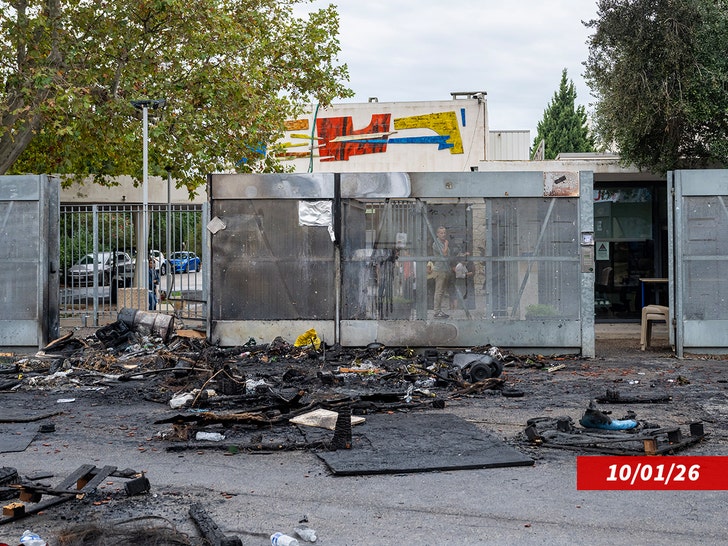
In parallel, interior ministry officials have mobilized additional security personnel to major urban centers, particularly targeting transit networks and areas surrounding secondary schools to deter further copycat violence and protect civilian populations.
Broader Socio-Political Implications and Analysis
The events in Marseille and the broader French riots lay bare deep-seated systemic tensions within contemporary European society. The transition of student protests into violent uprisings points to a broader crisis of engagement between the state and the younger generation. Sociologists and political analysts note that prolonged economic anxieties, coupled with the psychological aftershocks of institutional strain, have created a volatile environment where fringe elements can easily radicalize standard civil disobedience into urban warfare.
Furthermore, the utilization of improvised weaponry—such as aerosol-can flamethrowers—signals an alarming tactical evolution among aggressive youth demographics. This escalation forces law enforcement agencies to adapt their crowd-control and engagement strategies, balancing the necessity of maintaining civil order with the imperative to protect unarmed bystanders and public servants from catastrophic injury.
As France navigates the immediate aftermath of this brutal assault, the path forward remains precarious. The dual imperative of prosecuting violent offenders to the full extent of the law while addressing the root socioeconomic and educational concerns voiced by the populace will test the resilience of the nation’s democratic institutions. For now, the image of a bystander targeted with fire at a routine municipal bus stop serves as a sobering reminder of the high cost of unchecked civil unrest.