


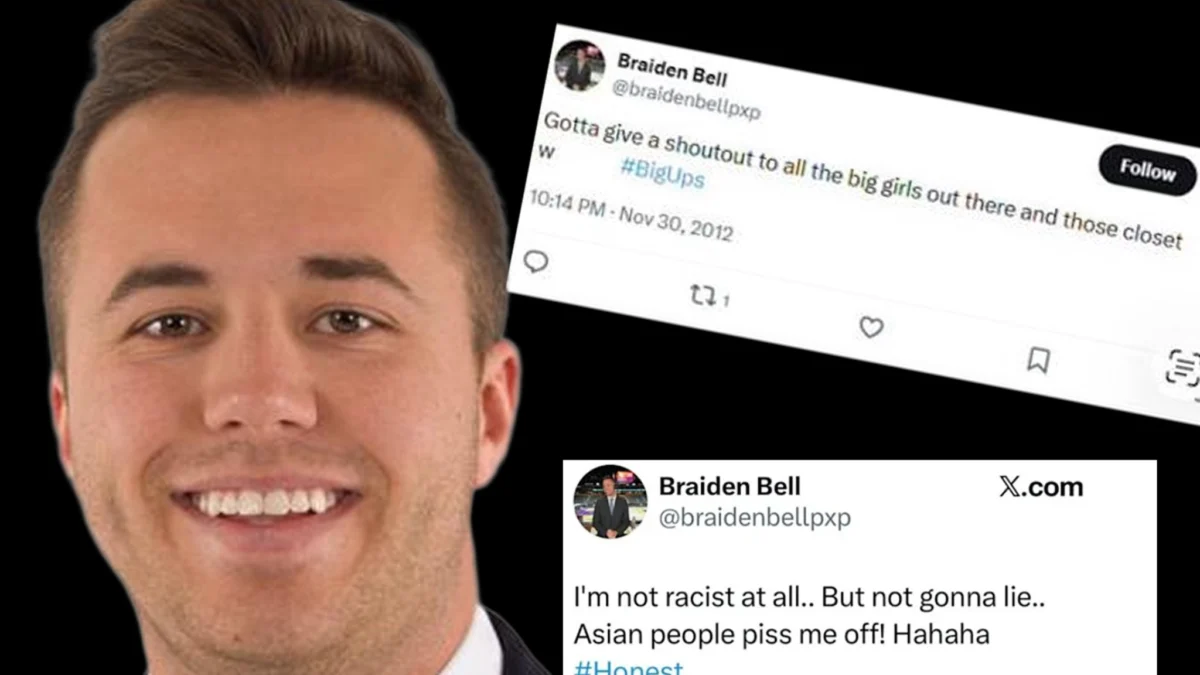
The intersection of digital footprints and professional sports careers faced another stark illustration on October 2, 2026, when newly appointed Portland Trail Blazers play-by-play announcer Braiden Bell issued a formal apology following his swift dismissal by the NBA franchise. The termination occurred mere hours after his hiring was officially announced to the public, triggered by the resurfacing of derogatory, racist, and misogynistic posts he had published on the social media platform X, formerly known as Twitter, more than a decade prior. The incident has reignited intense industry-wide discussions regarding the permanence of digital records, the vetting processes utilized by professional sports organizations, and the accountability of public figures for adolescent behavior documented online.
The Chronology of a Swift Dismissal
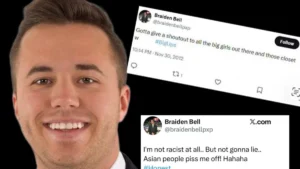
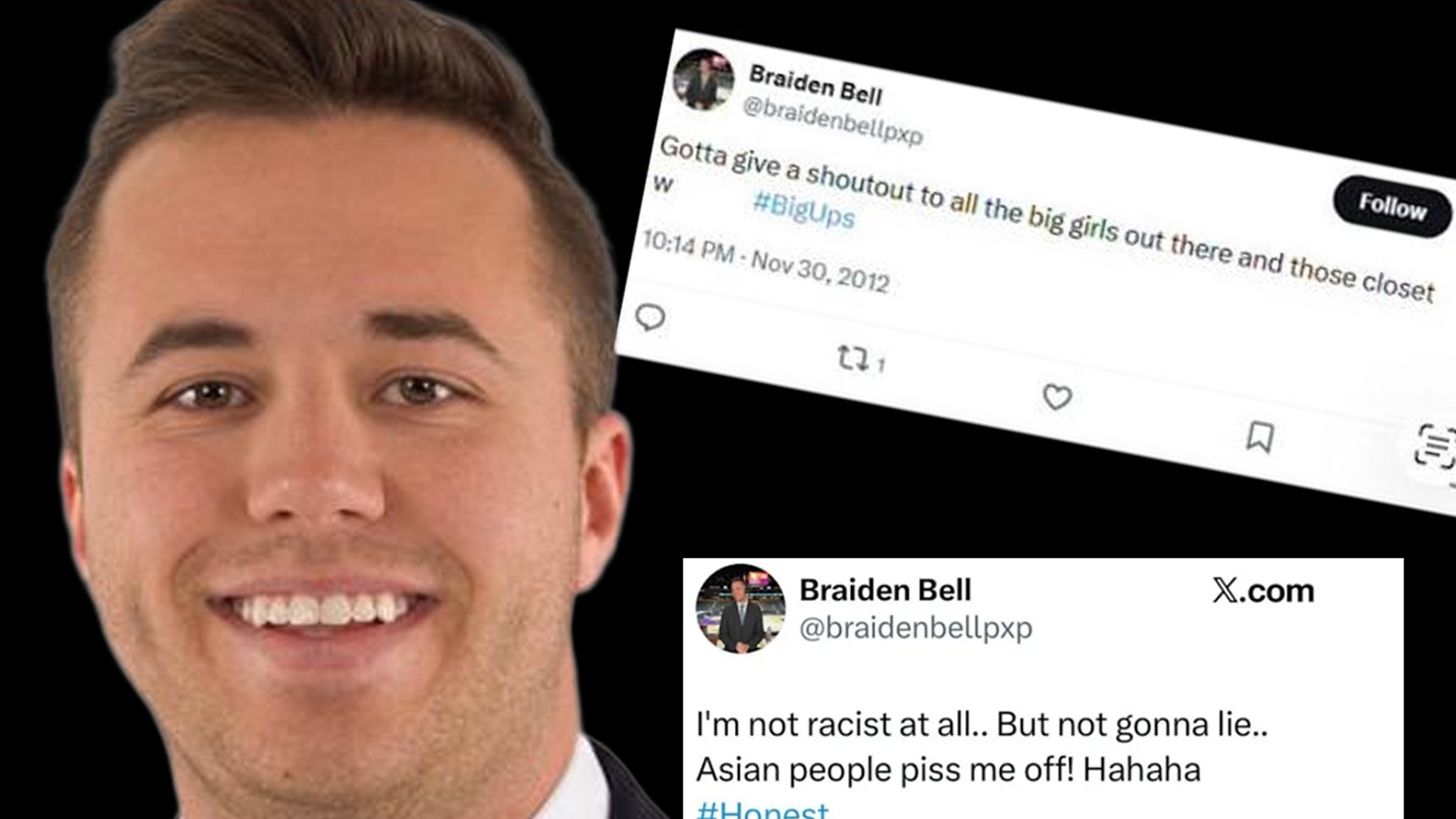
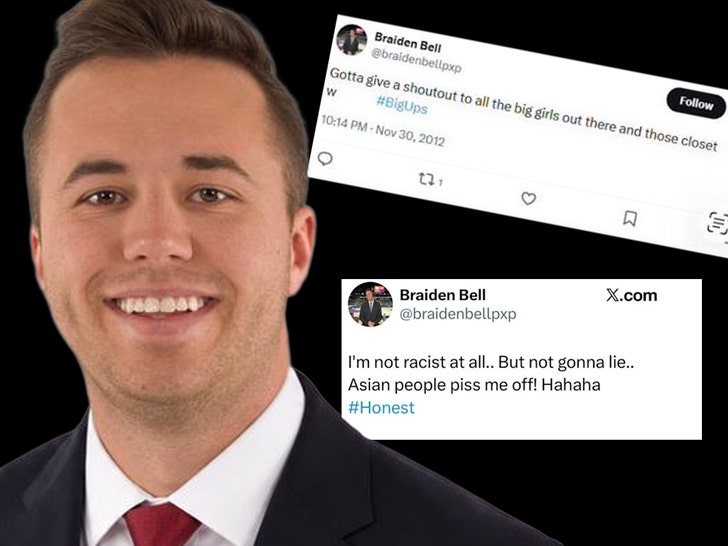
The sequence of events leading to Bell’s sudden unemployment unfolded rapidly on a single business day. In the early hours of October 2, 2026, the Portland Trail Blazers organization proudly announced Braiden Bell as a fresh addition to their broadcasting team, anticipating a smooth transition into the upcoming NBA season. However, the celebration was short-lived. Shortly after the hiring announcement went live, local investigative journalism by Portland-based news outlet KGW8 brought to light a series of offensive tweets originating from Bell’s personal account.
These archived posts, written years before he entered the professional sports broadcasting industry, contained explicit racist and sexist language. As screenshots of the historical posts circulated rapidly across social media platforms, public backlash intensified. The front office of the Trail Blazers moved swiftly to distance themselves from the controversy. Within hours of the initial media reports and the subsequent digital outcry, franchise executives made the decision to terminate Bell’s employment, rendering his tenure as the team’s voice virtually non-existent before he could even call a single preseason game.
Public Apology and Personal Defense
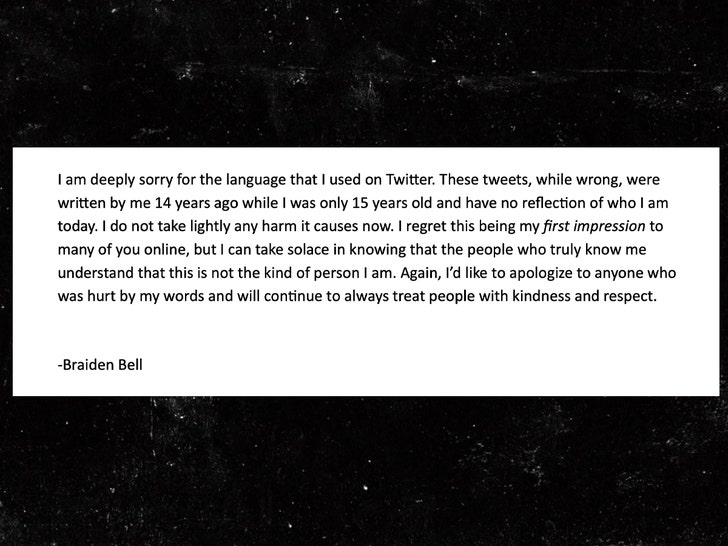
Faced with severe professional consequences and widespread public condemnation, Bell took to X later that evening to address the controversy directly. In a brief written statement, the fired broadcaster did not attempt to deny the authenticity of the posts, nor did he shift blame to external factors, though he did heavily emphasize the timeline of their creation.
"I am deeply sorry for the language I used on Twitter," Bell wrote in his public statement. "These tweets, while wrong, were written by me 14 years ago while I was only 15 years old and have no reflection of who I am today."
At the time the tweets were authored, Bell was a teenager navigating high school, a period far removed from his professional media career. In his statement, he expressed profound regret that these archived remarks had become the defining introduction of his public persona to the broader basketball community.
"I regret this being my first impression to many of you online, but I can take solace in knowing that the people who truly know me understand that this is not the kind of person I am," Bell continued, appealing to the character judgment of his personal acquaintances and professional colleagues who predated the controversy. He concluded his statement with a direct apology to those affected by the rhetoric, alongside a pledge for future conduct: "Again, I’d like to apologize to anyone who was hurt by my words and will continue to always treat people with kindness and respect."
The Vetting Challenge in Modern Sports Media
The rapid hiring and subsequent firing of Braiden Bell highlights a growing vulnerability within the sports entertainment industry: the thoroughness of background checks in an era defined by digital permanence. Professional sports franchises, media networks, and corporate employers routinely conduct background screenings that encompass criminal records, professional references, and credit checks. However, the comprehensive auditing of an individual’s historical social media activity—particularly personal accounts dating back to adolescence—remains an inconsistent practice.
In recent years, athletes, coaches, broadcasters, and executives across various major sports leagues have faced sudden career disruptions after historical social media posts resurfaced. These incidents often place organizations in a difficult public relations position. Franchises must balance the principles of personal growth and second chances against immediate corporate values, fan base sentiment, and brand protection. For the Portland Trail Blazers, a franchise deeply embedded in the Pacific Northwest community, the swiftness of the dismissal signaled a zero-tolerance approach to hate speech and misogyny, regardless of the chronological distance between the offense and the present day.
The Broader Implications for Digital Footprints and Accountability
The controversy surrounding Braiden Bell touches upon complex sociological and ethical questions regarding juvenile accountability in the digital age. Psychologists and legal experts have long recognized that adolescent brain development—particularly areas governing impulse control, long-term consequence evaluation, and social empathy—continues well into early adulthood. Consequently, teenagers frequently make severe errors in judgment that leave permanent, searchable records online.
At the same time, public institutions and sports leagues operate under commercial pressures where maintaining an inclusive, welcoming brand is paramount. Broadcasters and announcers serve as the auditory ambassadors of a franchise, entering the homes of millions of fans nightly. When historical evidence surfaces contradicting the inclusive standards expected of public-facing personnel, organizations frequently conclude that maintaining the association is untenable.
The incident also serves as a cautionary tale for aspiring professionals across all industries. The expectation of comprehensive digital hygiene has transformed how employers evaluate candidates. For young individuals active on social media, the transition from private citizen to public figure can happen abruptly, transforming casual, ill-considered remarks made years prior into immediate professional liabilities.
Industry Response and Future Outlook
As the dust settles on the immediate news cycle, the Portland Trail Blazers are left to resume their search for a play-by-play announcer ahead of the tip-off of the new NBA campaign. The front office has not issued an extensive elaboration beyond their initial decision to sever ties with Bell, choosing instead to focus organizational resources on the upcoming basketball season and team preparation.
For Braiden Bell, the future of his broadcasting career remains uncertain. The swiftness with which major sports organizations distance themselves from public relations crises suggests that rebuilding a professional profile in mainstream media following such an incident requires a prolonged period of rehabilitation, transparency, and demonstrated accountability. Whether industry opportunities will eventually reopen for the young broadcaster remains to be seen, but the episode stands as a definitive reminder of the enduring weight carried by words published in the digital sphere.