
The landscape of cinema history documentaries is set to expand with the upcoming release of Kim Novak’s Vertigo, a deeply intimate and revealing portrait of one of Hollywood’s most enigmatic golden-age stars. Directed by acclaimed documentary filmmaker Alexandre O. Philippe and distributed by Kino Lorber, the film shifts the traditional cinematic lens away from mere historical retrospective and places it directly into the hands of the subject herself. Following its celebrated world premiere at the 2025 Venice Film Festival, the documentary is scheduled for a direct-to-consumer release on DVD and Video-on-Demand (VOD) platforms. This release strategy makes the project widely accessible to cinephiles, historians, and casual viewers eager to hear the definitive, firsthand account of an actress who famously walked away from the height of studio-era fame to reclaim her life on her own terms.
Main Facts and Production Overview
At its core, Kim Novak’s Vertigo explores the complex intersection between artist, identity, and the heavy machinery of the mid-20th-century Hollywood studio system. While Alfred Hitchcock’s 1958 psychological masterpiece Vertigo serves as the narrative anchor, the documentary transcends standard making-of features. Instead, it acts as a psychological and artistic excavation of Novak’s life, career, and enduring legacy.
Director Alexandre O. Philippe, renowned for his rigorous cinematic essays such as 78/52: Hitchcock’s Shower Scene, Memory: Origins of Alien, and Lynch/Oz, approaches the project with his signature analytical depth. However, this collaboration diverges from his previous analytical works by offering a profound platform for personal testimony. Produced by Terri Piñon, the film invites viewers into what Philippe describes as "the attic of her life," showcasing a collection of forgotten treasures, including old costumes, fire-scarred scripts, early personal traumas, and the lingering ghosts of a demanding Hollywood career.
The documentary does not shy away from the darker, more alienating aspects of sudden, manufactured stardom. Through candid conversations, Novak details the psychological toll of embodying characters designed entirely by studio executives and directors, famously noting in the trailer, "You start to lose who you are." By placing Novak’s unfiltered, wise, and defiant voice front and center, the film subverts the decades-long media narratives that often reduced her to a cinematic cipher or a tragic Hollywood casualty.
Chronology of the Project and Festival Circuit

The journey of Kim Novak’s Vertigo began long before its announcement, rooted in Philippe’s ongoing exploration of the cinematic subconscious and the milestones of film history. Over the past decade, Philippe has meticulously built a filmography dedicated to unpacking singular moments of cinematic impact—from William Friedkin’s direction of The Exorcist in Leap of Faith to the cultural footprint of Texas Chain Saw Massacre in Chain Reactions. Turning his attention to Vertigo and its leading lady represented a natural evolution in his exploration of auteur-driven filmmaking and audience reception.
The project gained significant international traction when it was selected for the 2025 Venice Film Festival. Premiering in a high-profile slot, the documentary immediately captured the attention of critics and industry veterans. Reviewers lauded the project for its unprecedented access to Novak, who has spent decades largely removed from the public eye, living quietly as an artist and horse breeder in rural Oregon. The Venice screening acted as a catalyst, cementing the film’s reputation as a vital corrective to traditional film historiography. Following the festival circuit, distributor Kino Lorber acquired the rights, positioning the film for an autumn release targeted at core cinema enthusiasts and academic institutions alike.
Supporting Data and Context: The Phenomenon of Vertigo and Novak’s Career
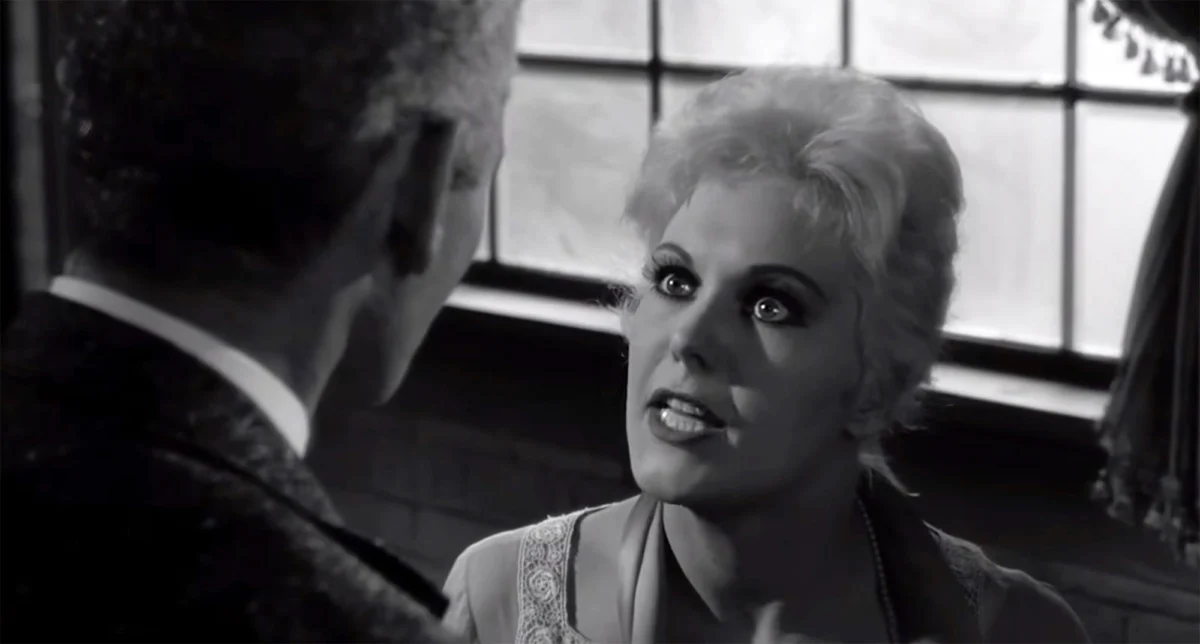
To fully understand the gravity of Kim Novak’s Vertigo, one must contextualize the enduring cultural weight of the 1958 film it references. Directed by Alfred Hitchcock and starring James Stewart alongside Kim Novak, Vertigo was initially met with mixed reviews and modest box office returns upon its theatrical release. Over the subsequent decades, however, critical reassessment transformed the picture into a towering achievement in cinematic history. In the prestigious 2012 Sight & Sound decennial poll conducted by the British Film Institute, Vertigo famously dethroned Orson Welles’s Citizen Kane—a film that had held the number-one spot for 50 years—to become crowned the greatest film ever made.
Despite the film’s canonical status, the personal experience of its female lead has frequently been overshadowed by analyses of Hitchcock’s directorial techniques and male gaze theory. Novak, who was under contract with Columbia Pictures rather than Paramount (where Vertigo was made on loan), stepped into the iconic dual role of Madeleine Elster and Judy Barton at a remarkably young age. Under Hitchcock’s notoriously demanding direction, Novak was required to transform physically and emotionally into the director’s idealized projection of femininity—a thematic element that mirrored the film’s own plot regarding obsession and identity construction.
Novak’s career itself stands as an anomaly in Hollywood history. During the mid-1950s, she was one of the studio system’s most bankable and electrifying stars, headlining massive hits such as Picnic (1955), The Man with the Golden Arm (1955), and Pal Joey (1957). Yet, growing increasingly disillusioned with the constraints, objectification, and lack of creative autonomy imposed by studio executives like Harry Cohn, Novak staged a quiet rebellion. By the mid-1960s, she deliberately stepped away from the spotlight, choosing a life of artistic expression through painting and pottery over the relentless demands of celebrity culture.
Official Statements and Creative Insights

The collaborative dynamic between director Alexandre O. Philippe and Kim Novak formed the bedrock of the documentary’s emotional resonance. In press statements accompanying the release, Philippe emphasized the raw authenticity that defined their time working together on the project.
"Working with Kim meant stepping into a space of radical honesty," Philippe stated. "Her voice—unfiltered, wise, funny, defiant—guides us through the attic of her life: old costumes, fire-scarred scripts, early traumas, and enduring Hollywood ghosts. What I discovered, and what I hope audiences will realize, is that Kim is so much more than a movie star."
This sentiment is echoed throughout the documentary, which refuses to treat Novak as a mere relic of a bygone era. Instead, the film presents her as an active survivor and a fiercely independent artist who successfully reclaimed her narrative. By confronting her past on her own terms, Novak offers a rare masterclass in personal resilience within an industry notorious for chewing up and discarding its young talent.
Broader Impact and Implications for Film History
The release of Kim Novak’s Vertigo arrives at a critical juncture in contemporary film culture, where the archival preservation of cinema history increasingly intersects with modern demands for retrospective accountability and feminist re-evaluations. For decades, the dominant discourse surrounding classic Hollywood has prioritized the perspectives of male directors, producers, and studio heads, often reducing actresses of the era to passive muses.
By centering Novak’s voice, the documentary contributes to a growing body of work aimed at correcting historical imbalances in film archives. It challenges cinephiles to re-examine not only Vertigo, but the entire infrastructure of the studio system that manufactured icons at the expense of their mental health and personal agency. The choice by Kino Lorber to release the film directly on VOD and DVD ensures that this vital educational and historical document will find its way into film studies classrooms, independent cinemas, and home collections worldwide.
Furthermore, the film serves as a timely reminder of the human cost associated with cinematic immortality. While millions of viewers continue to marvel at Novak’s mesmerizing performance on screen, the documentary underscores the resilience required to survive the process of becoming a legend. As audiences prepare to stream or purchase the film this October, Kim Novak’s Vertigo stands ready to reshape how film history honors its most enduring, yet frequently misunderstood, figures.