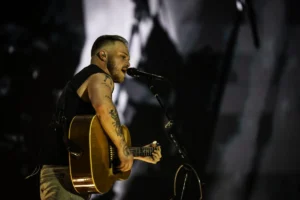
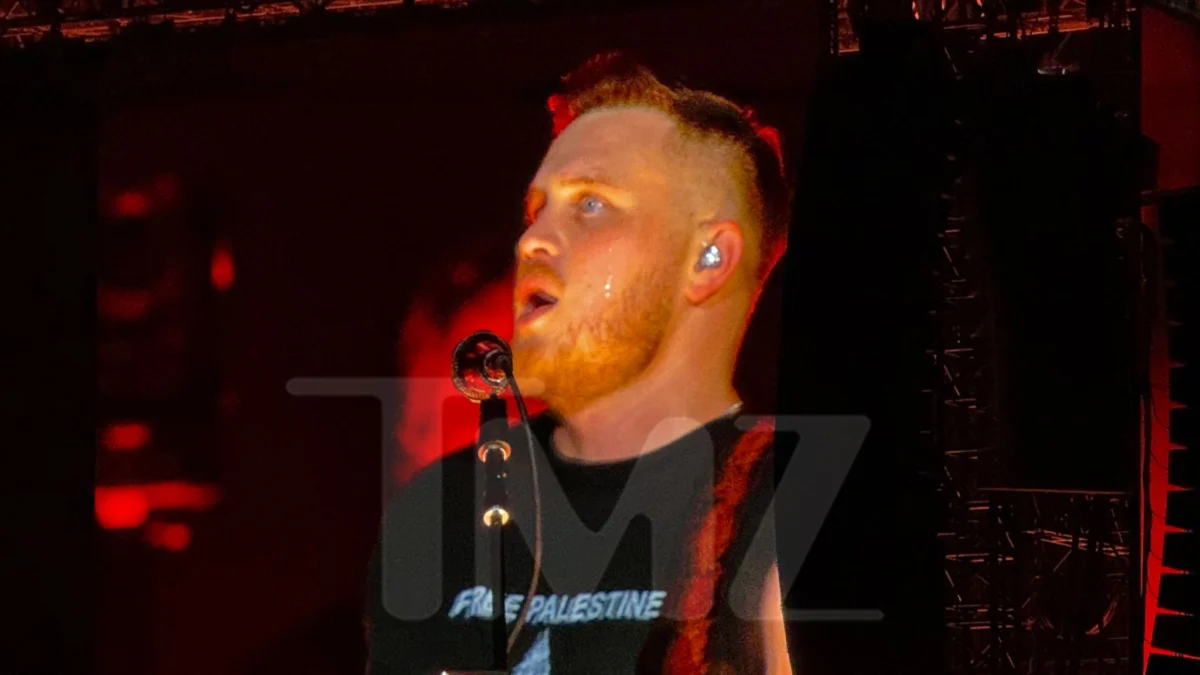
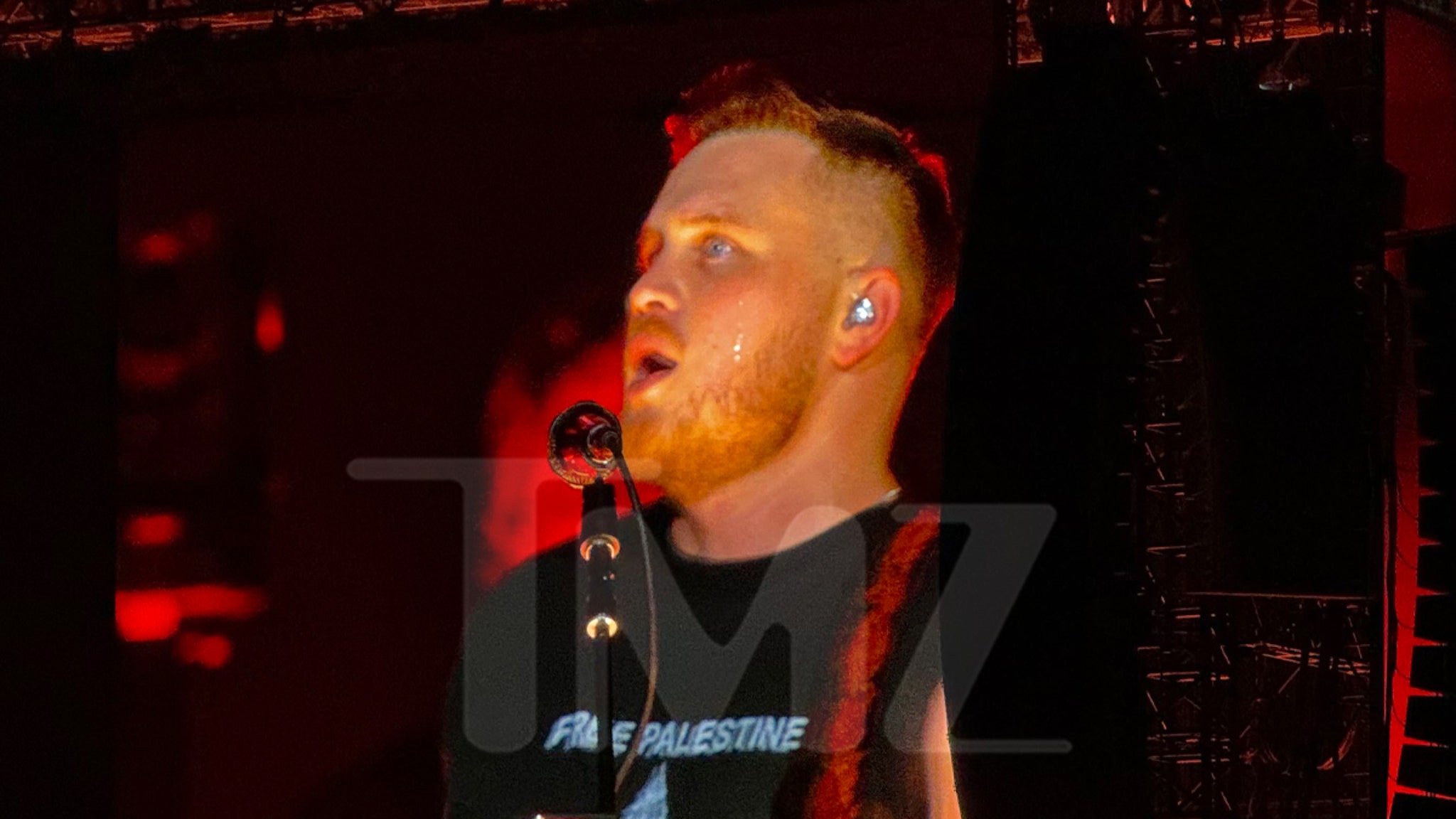
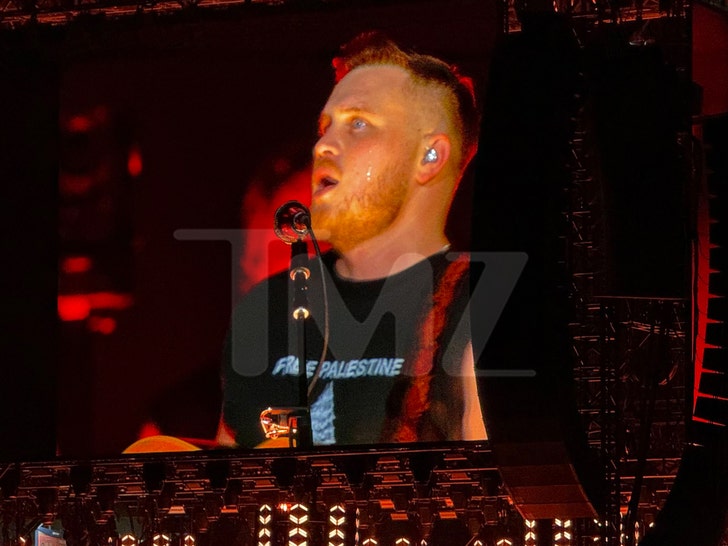
Country music star Zach Bryan delivered a striking and politically charged message during his recent concert performance at Gillette Stadium in Foxborough, Massachusetts. Taking the stage on Friday, October 2, 2026, as part of his sweeping "With Heaven On Tour," Bryan and several members of his backing band performed while wearing shirts emblazoned with the phrase "Free Palestine." The sartorial choice quickly drew intense public scrutiny, not only because of the geopolitical sensitivity of the statement, but specifically due to the venue’s direct connection to a major controversy involving fellow musician Ed Sheeran, rapper Macklemore, and stadium owner Robert Kraft just one week prior.
The demonstration immediately reignited conversations surrounding the intersection of popular music, major venue politics, and freedom of expression. By donning the shirts inside a stadium owned by Robert Kraft—a prominent and vocal supporter of Israel who had recently intervened in a separate political dispute on the very same grounds—Bryan made a calculated statement that reverberated far beyond the confines of the Foxborough venue.
A High-Stakes Venue and the Shadow of Previous Controversy
To fully understand the gravity of Zach Bryan’s wardrobe choice, one must examine the events that transpired at Gillette Stadium only seven days earlier. The venue, primarily known as the home of the NFL’s New England Patriots, was scheduled to host Ed Sheeran for a massive two-night run on Friday, September 25, and Saturday, September 26, 2026. However, those performances were ultimately scrapped due to severe weather conditions that battered the region, leaving thousands of fans disappointed.
Yet, the weather was not the only reason those dates were dominating entertainment headlines. In the days leading up to the canceled concerts, the tour had been engulfed in a fierce political firestorm. Macklemore, who had been serving as a supporting act on select dates of the tour, was abruptly removed from the lineup. Reports surfaced confirming that stadium owner Robert Kraft had played an instrumental role in ensuring the rapper was booted from the bill.
The decision to drop Macklemore stemmed from the artist’s outspoken pro-Palestinian remarks during earlier stops on the tour. Most notably, during a performance at MetLife Stadium in East Rutherford, New Jersey, Macklemore shouted "Free Palestine" to the roaring crowd and performed his politically charged track "Hind’s Hall." The performance featured graphic and emotional footage from Gaza displayed on large screens behind him. The protest drew sharp criticism from various figures in the entertainment and political spheres, prompting swift institutional pushback from venue leadership, including Kraft, who viewed the rhetoric as crossing a line within spaces under their operational influence.
The Chronology of Events
The sequence of events leading up to Zach Bryan’s statement highlights a tense month for large-scale concert production and political expression in major American sports venues:
- Mid-September 2026: Macklemore performs at MetLife Stadium, shouting "Free Palestine" and performing "Hind’s Hall" against a backdrop of Gaza footage.
- Late September 2026: Following institutional pressure and direct intervention by venue stakeholders—including Robert Kraft—Macklemore is removed from Ed Sheeran’s touring lineup.
- September 25–26, 2026: Ed Sheeran’s scheduled two-night engagement at Gillette Stadium is officially canceled due to severe weather.
- October 2, 2026: Zach Bryan takes the stage at Gillette Stadium for the first night of his scheduled weekend run, appearing alongside band members wearing "Free Palestine" shirts.
- October 3, 2026: Media outlets report on the demonstration, noting the direct geographic and political parallel to the Macklemore controversy from the week prior.
Examining the Context of Zach Bryan’s Activism
Zach Bryan, known for his raw, anti-establishment persona and fiercely independent streak within the country music genre, has frequently used his platform to voice personal convictions, though explicit geopolitical statements of this scale have been relatively rare in his catalog of public demonstrations. Unlike pop or hip-hop artists who frequently incorporate socio-political messaging into their stage designs, mainstream country artists have historically navigated foreign policy debates with caution due to the demographic makeup of their fanbases.
However, Bryan’s artistic brand has always centered on authenticity and defiance of traditional industry expectations. By choosing to wear the shirt at Gillette Stadium—a venue explicitly linked to the silencing or restriction of pro-Palestinian expression just one week prior—observers noted that the act appeared less like a generalized statement of solidarity and more like a direct, intentional challenge to the venue’s administration and ownership.
Representatives for Robert Kraft and the Kraft Group were immediately contacted by media outlets for comment following Friday night’s concert. As of press time, no official statement has been released addressing Bryan’s attire or whether the venue plans to take any administrative action regarding future bookings or policy enforcement.
Broader Implications for Live Music and Venue Policies
The incident at Gillette Stadium underscores a growing trend within the live entertainment industry: artists and venue operators are increasingly colliding over political expression on stage. As geopolitical tensions around the globe continue to polarize public opinion, arenas and stadiums—which are frequently owned by high-profile billionaires, corporate conglomerates, or sports franchise owners with distinct political alignments—find themselves caught in the middle.
Venue owners hold immense leverage through facility rental agreements, security protocols, and scheduling controls. Cases like the removal of Macklemore demonstrate that venue stakeholders are willing to intervene when they perceive an artist’s on-stage commentary as violating community standards or corporate values. Conversely, acts like Zach Bryan’s demonstration illustrate that popular musicians are increasingly willing to test these boundaries, using their drawing power to push back against institutional censorship or ideological blacklists.
Furthermore, the economic and logistical realities of modern touring mean that artists must balance their personal convictions against contractual obligations. Gillette Stadium, with a seating capacity exceeding 65,000 people, is one of the premier stops on the American concert circuit. Playing a venue of this magnitude is a major commercial milestone for any artist, making public political defiance within its walls a high-risk, high-reward maneuver.
Industry Reaction and Fan Response
The reaction among fans and industry insiders has been sharply divided. Supporters of Zach Bryan praised the singer for consistency, courage, and utilizing his massive platform to highlight a humanitarian crisis, drawing favorable comparisons to historical protest movements within American folk and country music. Fans took to social media platforms to circulate images from the Friday night concert, framing the wardrobe choice as a powerful defense of free speech in the face of corporate and billionaire-backed censorship.
On the other side of the discourse, critics argued that concerts should remain spaces for collective entertainment and musical enjoyment rather than platforms for polarizing foreign policy debates. Opponents of the demonstration pointed out the perceived hypocrisy of staging a political protest inside a venue financed and managed by figures who have expressed deep ideological opposition to such messaging, suggesting that the move was designed primarily to court controversy and generate headlines.
As Zach Bryan concludes his weekend run at Gillette Stadium and continues the remainder of his extensive touring schedule, the fallout from his Friday night statement continues to ripple through the music industry. Whether other major venues will adjust their talent vetting processes or contract riders in response to these events remains to be seen. What is clear, however, is that the stage has increasingly become a battleground for modern political discourse, where the music is frequently matched in volume by the ideological battles fought around it.