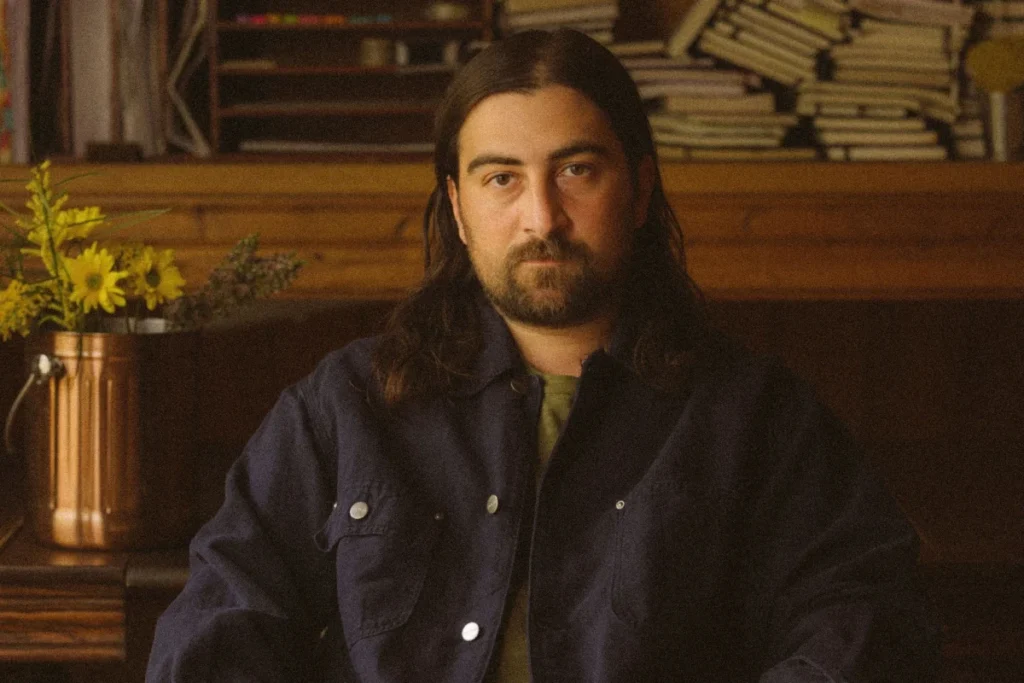




Child predators occupy one of the most universally reviled spaces within the modern social consciousness. Consequently, individuals who position themselves on the frontline of exposing these wrongdoers are frequently elevated to the status of civic heroes. Figures such as Chris Hansen, the former NBC Dateline investigative journalist who anchored the groundbreaking and culturally seismic To Catch a Predator series, became household names for luring and confronting suspected offenders on national television. However, the complex machinery of public shaming, entertainment media, and digital vigilantism yields a far more morally ambiguous reality.
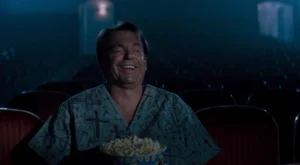
As explored in Lance Oppenheim’s dramatized character study Primetime—starring Robert Pattinson as a peak-era Hansen—the intersection of public safety and public entertainment generates severe ethical concerns and unintended, often catastrophic, consequences. While independent watchdog groups and internet content creators frequently frame their stings as altruistic public services, their motivations face intense scrutiny when measured against the powerful incentives of viral fame, financial monetization, and unchecked power.
The Genesis of Broadcast Vigilantism: To Catch a Predator
The phenomenon of televised predator stings originated in 2004 with the launch of the To Catch a Predator segment on NBC Dateline. The production model relied on a collaborative effort between Hansen’s television crew and Perverted Justice, a civilian watchdog organization. Adult decoys posed online as minors, entering chatrooms and private messaging platforms to initiate conversations with adult men. Once dialogue escalated into explicit sexual territory, the operation orchestrated physical meetings, inviting suspects to suburban homes ostensibly to rendezvous with the minor.
Upon arrival, suspects were met by Hansen, who delivered his trademark, disarming interrogation prompt: “Why don’t you have a seat?” Although participants were legally free to depart rather than engage in an on-camera interview, local law enforcement agencies were routinely stationed outside to execute immediate arrests.
Despite concluding its broadcast run in 2007 amid mounting legal and ethical pressures, the program cultivated a remarkably resilient subculture. Digital communities, such as Reddit’s r/tcap, continue to boast tens of thousands of active weekly visitors, demonstrating the enduring cultural footprint of the original broadcasts. This enduring fascination, however, laid the groundwork for an unregulated, decentralized movement that would proliferate across the digital landscape decades later.
From Prime-Time Television to the Wild West of Social Media
In the modern digital ecosystem, Hansen’s legacy has expanded far beyond traditional broadcast media. In November 2022, Hansen co-founded Trublu, a dedicated crime-streaming platform continuing his investigative work. Yet, the broader ecosystem has transformed into a decentralized network of digital copycats operating across platforms like YouTube, Kick, Facebook, and TikTok.
A comprehensive 2022 investigation by The Washington Post identified at least 160 active independent predator-hunting groups operating across the United States. Unlike traditional journalists or law enforcement agencies, these modern digital vigilantes are primarily driven by the algorithmic rewards of virality, engagement metrics, and direct financial contributions from followers.
During the promotional circuit for the 2025 MTV documentary Predators—which examines the cultural legacy of the Dateline series—prominent online creator Skeet Hansen defended the monetization of these stings. Comparing his work to professional criminal justice, he remarked, “There’s never been a detective that solved a murder that didn’t get paid for it. So why shouldn’t I be able to monetize off of catching these guys like the original show and making this content for people’s entertainment?”
Systemic Risks, Errors, and Escalating Violence
The argument equating independent online content creators with sworn law enforcement personnel collapses under closer examination, primarily due to a lack of professional standards, rigorous training, and institutional accountability. These structural deficits have frequently resulted in severe operational errors, mistaken identities, and escalating physical violence.
In April, high-profile streamer Vitaly Zdorovetskiy issued a public apology after orchestrating a botched public confrontation. Zdorovetskiy falsely accused a bystander of Indian descent of attempting to solicit a minor, accosting the man while utilizing a mock accent and derogatory language. This incident formed part of a broader pattern of aggressive behavior documented by institutional press. A March 2025 investigative report by The New York Times revealed that Zdorovetskiy’s operational tactics included physical assaults and performative intimidation—such as dressing as the comic-book villain the Joker during confrontations. According to the Times’ findings, independent predator-hunting groups have been linked to more than 170 violent vigilante attacks since 2023.
Investigative reporting from previous years highlights similar systemic vulnerabilities. An extensive year-long investigation into Canadian watchdog groups published by Vice in 2015 revealed that several individuals targeted in high-profile sting operations suffered from severe intellectual and physical disabilities, raising profound questions regarding informed consent, systemic exploitation, and the psychological vulnerability of those ensnared in online traps.
Law Enforcement Condemnation and Legal Fallout
Law enforcement agencies at local, state, and federal levels have repeatedly condemned the actions of independent predator hunters, emphasizing that unregulated stings frequently compromise official investigations and jeopardize public safety.
From a prosecutorial standpoint, evidence gathered by civilian vigilantes often fails to meet the stringent evidentiary standards required within the criminal justice system, frequently rendering cases inadmissible in a court of law. Furthermore, premature public confrontations routinely allow primary targets to evade authorities, destroy critical digital evidence, or intimidate witnesses before police intervention can occur.
Perhaps most ironically, legal records indicate that individuals within the predator-hunting movement have occasionally faced severe criminal charges themselves. Multiple documented cases across North America feature self-appointed vigilantes ultimately prosecuted and convicted of child sexual abuse material offenses or related crimes, underscoring the lack of vetting within these decentralized groups.
The Human Cost: Case Studies in Tragedy
The profound dangers of sensationalized, unmonitored stings are starkly illustrated by historical tragedies that occurred during the peak of televised operations—events examined critically in contemporary media adaptations such as Oppenheim’s Primetime.
In November 2006, To Catch a Predator targeted Louis William “Bill” Conradt Jr., a chief felony assistant district attorney in Rockwall County, Texas. Unlike participants who traveled to a designated decoy residence, Conradt declined invitations to leave his home. Consequently, both the television production crew and local law enforcement converged directly upon his private residence. Faced with imminent public exposure and career annihilation, Conradt fatally shot himself inside his home as cameras and officers approached.
Despite the fatal outcome, the incident remained a focal point of intense ethical debate. When interviewed years later by The Hollywood Reporter regarding the real-life sting, Hansen maintained that he harbored no regrets regarding the operation, while both NBC and representatives for Hansen declined multiple requests for comment on the matter.
Cinematic Reflection and Cultural Reckoning
In A24’s Primetime, the narrative refuses to offer clean moral resolutions or heroic archetypes. The film serves as a harsh critique of the systems that reward sensationalized cruelty. Characters such as “Decoy Dan,” portrayed by Skyler Gisondo, achieve superficial career milestones—securing a long-sought SAG-AFTRA card through their participation in the show—while visibly grappling with the moral compromises required to attain validation in an exploitative industry.
Robert Pattinson’s portrayal of Hansen captures a deeply complex persona driven by a hunger for public validation, lamenting a lack of institutional awards while casually acknowledging the psychological devastation inflicted upon targets through public disgrace on a national scale. Throughout the production, the central refrain uttered by Hansen’s character—asking suspected predators what would have happened in his absence—invites audiences to confront an uncomfortable societal paradox.
As digital media continues to evolve, the boundary between justice, entertainment, and voyeurism remains perilously thin. The legacy of To Catch a Predator and its modern algorithmic successors forces society to weigh the undeniable desire to protect vulnerable populations against the corrosive impact of unchecked vigilantism, profit-driven sensationalism, and the loss of due process in the digital age.