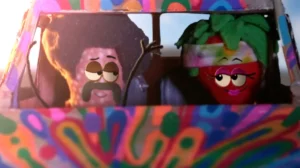



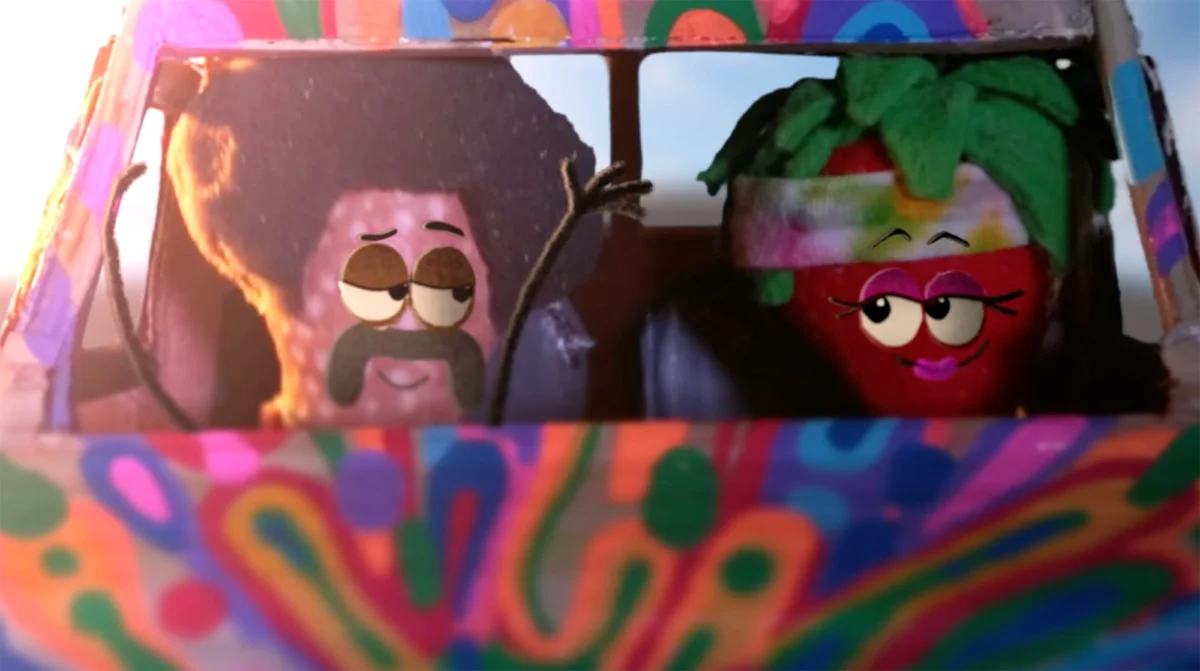
Pixar Animation Studios has expanded its footprint in experimental filmmaking with the online release of Fruit and Nut, a seven-minute stop-motion short film that reimagines the origins of the iconic peanut butter and jelly sandwich through the lens of a classic cinematic road-trip thriller. Released on October 2, 2026, via the studio’s official YouTube channel, the project represents a significant milestone for the Emeryville-based company as only its second-ever stop-motion production.
Written and directed by veteran Pixar story artists Rej Bourdages and Tony Maki, the short film follows an unlikely duo—a freewheeling, hippie-style strawberry and a penniless peanut—as they embark on a wild, high-stakes journey. The narrative serves as a lighthearted homage to Ridley Scott’s 1991 cinematic landmark Thelma & Louise, culminating in an amusing mythological account of how the first PB&J sandwich came to be. Produced by Paige Johnstone, Fruit and Nut is part of a broader corporate and creative initiative by Pixar to empower internal talent to explore alternative mediums outside of traditional computer-generated imagery (CGI).

Background Context and the Evolution of Pixar Shorts
For nearly four decades, Pixar Animation Studios has been synonymous with pioneering computer-generated animation, beginning with the theatrical release of Toy Story in 1995. However, the studio has consistently utilized short films as a sandbox for technological advancement, narrative experimentation, and the cultivation of new directorial talent.
Historically, these endeavors took the form of theatrical shorts accompanying feature films or exclusive projects developed under initiatives like the well-known SparkShorts program. The SparkShorts initiative was designed to give smaller crews creative freedom with limited budgets and tight production windows, resulting in acclaimed titles such as Purl, Loop, and the Oscar-winning Float.
In recent years, Pixar has subtly shifted its experimental strategy toward mediums traditionally dominated by competing studios, most notably stop-motion animation. Fruit and Nut follows Self, an earlier experimental stop-motion short that debuted on Disney+. The creation of Fruit and Nut under the banner of "A Pixar Artist’s Short Film" series indicates a formalized continuation of the studio’s mandate to diversify its artistic output and provide established internal artists with the resources to work outside their comfort zones.

Creative Leadership and Production Pedigree
The minds behind Fruit and Nut bring decades of collective feature-film experience to the stop-motion arena. Rej Bourdages and Tony Maki are established figures within the Pixar pipeline, having contributed as story artists to a vast roster of the studio’s most commercially and critically successful features over the past two decades. Their collective resume includes foundational credits on such films as The Good Dinosaur, Coco, Inside Out 2, Soul, Luca, the upcoming sci-fi feature Elio, and Hoppers.
Transitioning from digital storyboards to physical puppet animation required a distinct technical pivot. While CGI relies on digital mesh, rigging, and simulated physics, stop-motion animation demands meticulous frame-by-frame manipulation of physical armatures, silicone, fabric, and sculpted materials. Despite their primary backgrounds in narrative framing and sequence planning for digital features, Bourdages and Maki successfully steered the physical production of the short, capturing tactile textures that contrast sharply with Pixar’s traditional polished aesthetic.
Timeline of Releases and Platform Strategy
The rollout of Fruit and Nut aligns with a broader industry shift regarding how major animation studios distribute non-feature content. Rather than reserving short-form content exclusively for theatrical windows or paywalled streaming ecosystems, Pixar has increasingly utilized YouTube as a direct-to-consumer platform for brand engagement and artistic showcases.

- Pre-2026: Bourdages and Maki conceptualize Fruit and Nut as part of internal studio pitching initiatives, securing backing from Pixar leadership for independent artistic exploration.
- Prior Milestone: Pixar premieres its inaugural stop-motion project, Self, establishing a precedent for physical media exploration within the digital-first studio.
- October 2, 2026: Fruit and Nut officially debuts on the official Pixar YouTube channel, accompanied by promotional stills and behind-the-counter production notes highlighting the involvement of Emeryville personnel.
- Ongoing Availability: The short joins a rotating catalog of artist-driven projects designed to maintain audience engagement between major theatrical tentpole releases.
Industry Implications and the Future of Animation Pipelines
The release of Fruit and Nut carries notable implications for the broader animation landscape. As streaming economics compel studios to reevaluate spending on high-budget feature productions, agile, lower-cost short-form projects offer a sustainable avenue for maintaining creative momentum and retaining top-tier artistic talent.
By encouraging staff members known primarily for single-discipline roles—such as storyboarding—to step into writer-director capacities, Pixar fosters a multidisciplinary workforce capable of navigating diverse visual mediums. Furthermore, the embrace of stop-motion by a bastion of digital animation signifies a blurring of lines between traditional and computer-generated techniques. Industry analysts view such experimental projects not merely as promotional novelties, but as vital research-and-development testbeds that can eventually influence the visual language of future feature-length films.
As audiences continue to embrace bite-sized, high-concept narratives across digital platforms, initiatives like "A Pixar Artist’s Short Film" series position traditional studios to compete effectively in the modern attention economy while preserving the hands-on artistry foundational to the history of animation.