


The sixth episode of American Horror Story season 13, titled The Return of Devils Night, has fundamentally altered the trajectory of the series’ ambitious crossover installment. Serving as a centerpiece for the show’s highly anticipated thirteenth season, the episode reintroduces iconic historical figures—specifically notorious serial killers—to the franchise’s current narrative, pitting them directly against the powerful coven of witches established in the third season, Coven. The episode concludes on a precarious cliffhanger, leaving the fate of key characters in jeopardy as the battle between dark historical manifestations and the established magical order intensifies.
Historical Context and Narrative Evolution
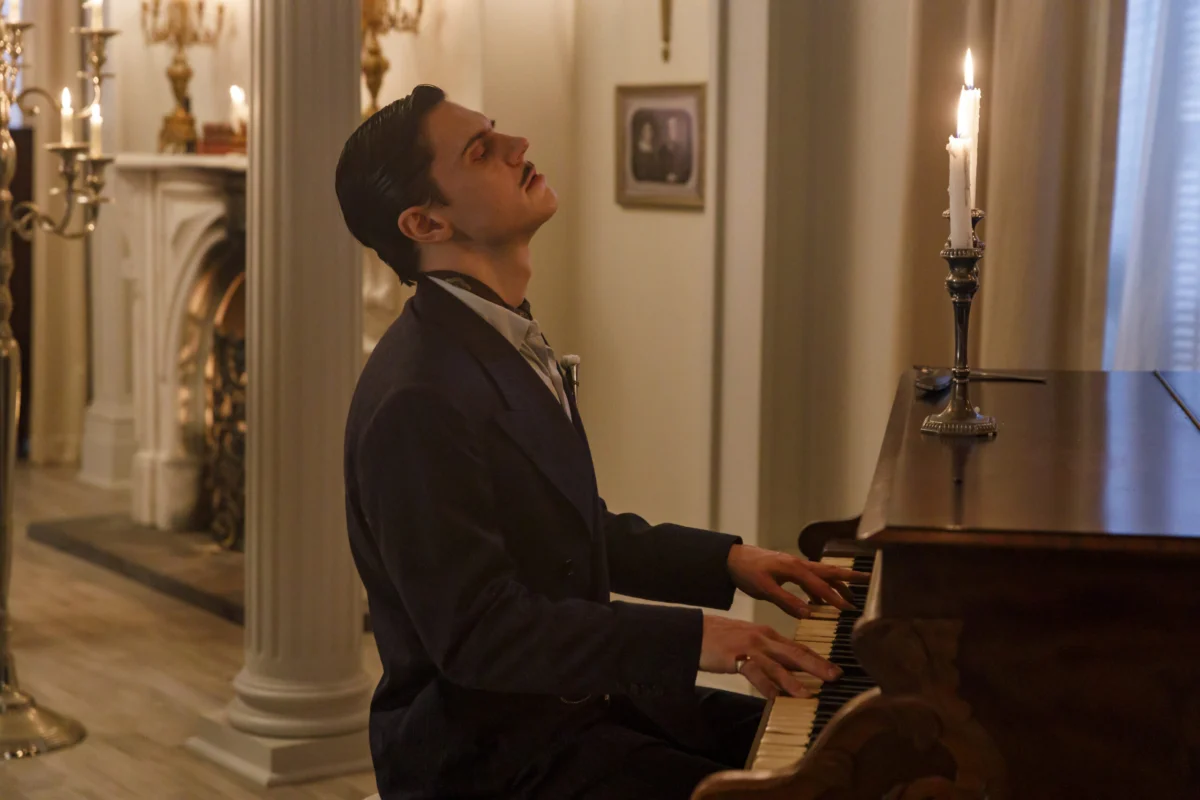
The concept of "Devil’s Night" first originated in the fifth season of the anthology, Hotel. In that iteration, the character James Patrick March, portrayed by Evan Peters, orchestrated a gruesome dinner party featuring real-life serial killers, including Aileen Wuornos, John Wayne Gacy, Richard Ramirez, the Zodiac Killer, and Jeffrey Dahmer. This setting established a specific tone for the franchise, blending historical horror with the supernatural elements inherent to the Ryan Murphy and Brad Falchuk universe. By revisiting this narrative thread, the current season seeks to synthesize the disparate timelines of the show’s thirteen-year history into a cohesive, high-stakes confrontation.
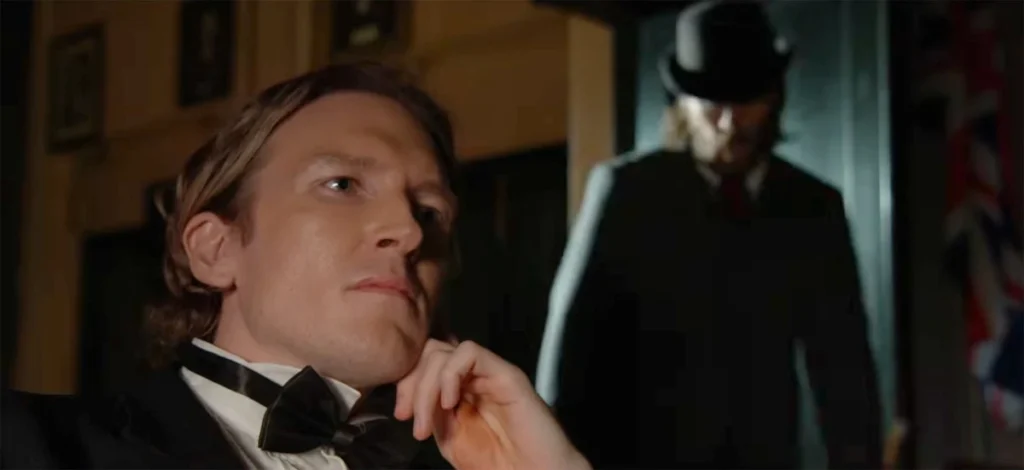
The return of Seth Gabel as Jeffrey Dahmer provides a unique meta-commentary on the evolution of the character within the Ryan Murphy production ecosystem. Gabel, who originated the role of Dahmer in the Hotel season, shares the screen with Evan Peters, who later portrayed the same figure in the critically acclaimed and commercially successful Monster: The Jeffrey Dahmer Story. This intersection of actors—each providing a distinct interpretation of the same historical figure—serves as a focal point for the season’s "Avengers-style" approach to its ensemble cast.
Chronology of the Conflict
The tension in the sixth episode stems from March’s calculated decision to weaponize the serial killer cohort against the coven led by Cordelia Goode, played by Sarah Paulson. The escalation is rapid: the episode depicts an incursion into the coven’s territory, culminating in a violent confrontation where March appears to incapacitate Cordelia with an axe strike. This sequence acts as a catalyst for the seventh episode, which show insiders and cast members characterize as an "explosive" turning point that will redefine the power balance between the mortal villains and the supernatural protectors.

Data and Production Insights
The production of this crossover event represents a significant logistical undertaking for FX and the creative team. Bringing back multiple legacy characters while managing the schedules of high-profile actors like Sarah Paulson, Emma Roberts, and Gabourey Sidibe required meticulous planning. According to production notes, the "Devil’s Night" dinner scene in the original 2015 run required significant rehearsal time, a tradition that the production team maintained for the current season to ensure the tone remained consistent with the series’ established aesthetic.
Seth Gabel, reflecting on his return to the role, notes that the process of stepping back into the character of Dahmer was largely dictated by the direction of Ryan Murphy. Gabel recalls that during the filming of the Hotel season, Murphy offered a two-word directive—"Poor Jeffrey"—which allowed Gabel to lean into a satirical, self-indulgent portrayal of the killer, rather than attempting a purely realistic psychological study. This creative freedom enabled Gabel to distinguish his performance from the more somber, biographical depiction provided by Peters in the later Monster series.
Implications for the Series and Beyond
The confrontation between the serial killers and the coven is not merely a narrative set-piece; it serves as a broader exploration of the "good versus evil" thematic arc that defines the thirteenth season. The presence of these historical figures, now acting as manifestations of a rising hellish influence, suggests that the season is moving toward a grander, perhaps apocalyptic, conclusion. The inclusion of supernatural forces battling against historical, human-based horrors creates an "elemental" conflict, as described by those involved in the production, where magic is forced to contend with conventional weaponry.
The broader implications of this narrative choice extend to the actors’ professional development. Gabel notes that his experience with the "satirical" portrayal of a villain in American Horror Story directly informed his approach to subsequent roles, such as the serial killer Liam Glasser in the ABC procedural The Rookie. The ability to find a degree of levity and "freedom" within dark, often reprehensible characters has become a hallmark of the acting style fostered within the Murphy universe, allowing performers to maintain a psychological distance while delivering compelling, often menacing, performances.
Strategic Narrative Expansion
As the season approaches its October 29 finale, the stakes for the remaining characters continue to rise. The "coven" characters, including those portrayed by Emma Roberts and Billie Lourd, find themselves in a war for the control of Earth, a theme that has been consistent with the series’ exploration of shifting power dynamics. The ambiguity regarding Cordelia Goode’s survival highlights the series’ commitment to high-stakes drama, where even the most powerful characters are vulnerable to tactical surprises and the unpredictable nature of the "Devil’s Night" adversaries.

Looking ahead, the collaboration between Ryan Murphy, Brad Falchuk, and Ian Brennan continues to define the landscape of horror television. The success of these crossover seasons relies on the audience’s familiarity with past iterations, rewarding long-term viewers with character returns and callbacks, while simultaneously attempting to attract new audiences through high-concept, genre-bending storytelling. The current season of American Horror Story stands as a testament to the longevity of the brand, effectively utilizing its own history as a primary narrative resource.
Conclusion and Future Outlook
The seventh episode is expected to resolve the immediate cliffhanger while setting the stage for the season’s final acts. With the battle between the coven and the serial killers described as a messy, high-intensity conflict, viewers can expect a continuation of the "explosive" themes established in the latest installment. Whether this marks the permanent conclusion of the serial killer arc or merely a precursor to a larger confrontation remains a subject of speculation among the fanbase.
For the production team, the challenge remains to balance the demands of a sprawling ensemble cast with the need for a cohesive, satisfying narrative conclusion. As the season winds down, the focus will likely shift from the specific mechanics of the serial killer conflict to the overarching resolution of the "good versus evil" battle that has anchored the season since its inception. With new episodes airing on Thursdays at 9 pm ET/PT on FX and 9 pm PT on Hulu, the series remains one of the most prominent fixtures in modern television, consistently pushing the boundaries of its genre. The intersection of historical horror, supernatural fantasy, and meta-commentary continues to be the primary engine driving the success of American Horror Story, a franchise that has successfully reinvented itself through the strategic application of its own expansive and dark mythology.