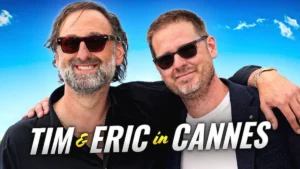

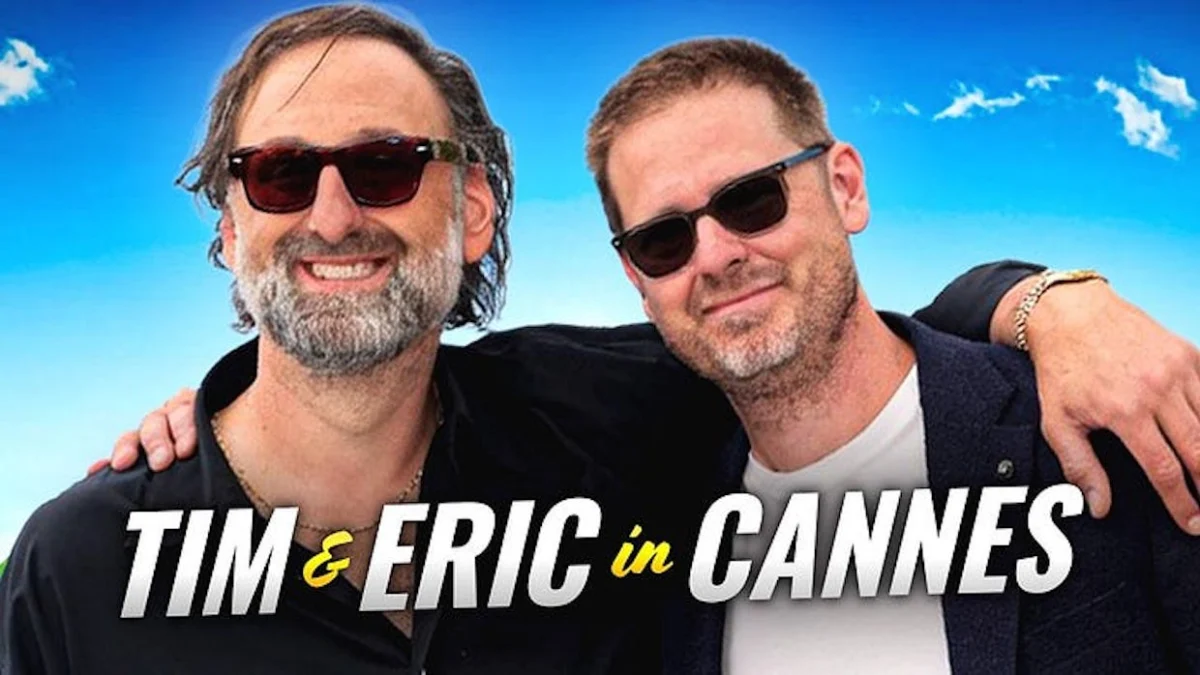
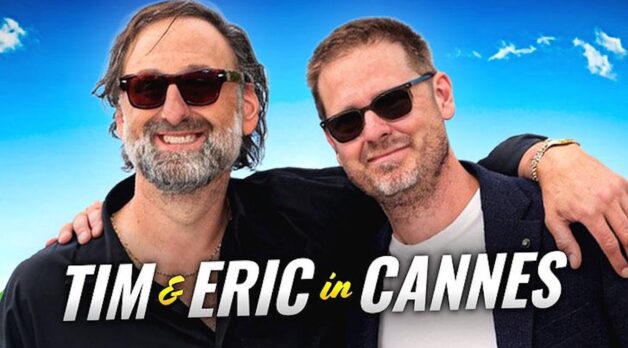
The 2026 Cannes Film Festival has played host to an eclectic array of cinematic spectacles, but few arrivals carry the distinct countercultural weight of surrealist comedy pioneers Tim Heidecker and Eric Wareheim. The enduring double-act, whose formative years at Temple University in Philadelphia blossomed into an idiosyncratic brand of absurdist humor, made their official debut at the prestigious French festival to support the premiere of Quentin Dupieux’s latest feature, Full Phil. The appearance underscores a broader evolution for the creators, whose influence on modern internet culture and American comedy over the past two decades has been thoroughly documented, even as they increasingly pivot toward independent artistic ventures, horticultural pursuits, and multimedia satire.
The Evolution of a Surrealist Partnership
Heidecker and Wareheim first cemented their status as modern comedy legends through their pioneering Adult Swim sketch series, Tim and Eric Awesome Show, Great Job!, which ran from 2007 through 2010. Resembling public-access television viewed through a distorted lens, the program served as an illicit initiation rite for a generation of viewers, fundamentally altering the landscape of alternative comedy and digital media aesthetics. In the fifteen years following the show’s conclusion, the duo has largely pursued divergent solo paths. Heidecker has expanded his footprint via the multimedia psychodrama On Cinema at the Cinema alongside Gregg Turkington, released six independent rock albums, and stepped into high-profile satirical media acquisitions. Wareheim has cultivated a public profile as a cookbook author, winemaker, and, more recently, a high-end botanical and plant design enthusiast.
Despite their separate trajectories, the creative synergy that defined their early years remains intact. Their reunion in Cannes for Full Phil marks another chapter in an ongoing transatlantic creative exchange, particularly with French multi-hyphenate filmmaker and musician Quentin Dupieux, better known as Mr. Oizo. Wareheim previously collaborated with Dupieux on Wrong Cops (2013) and Reality (2014), establishing a transnational brotherhood with the absurdist director.
Behind the Scenes of Full Phil
Full Phil, described by Dupieux as an existential nightmare akin to an inverted Emily in Paris, centers on a disastrous attempt by a wealthy patriarch, played by Woody Harrelson, to bridge the generational divide with his daughter, portrayed by Kristen Stewart, during a lavish excursion to the French capital. While Stewart’s character remains detached from her father’s overtures—preferring to consume regional delicacies and classic horror films on a vintage portable DVD player—Heidecker and Wareheim inhabit a grotesque film-within-a-film framework. Playing unhinged, Frankenstein-esque scientists, the duo leans into theatrical, oversized performances as they pursue a reptilian creature reminiscent of Universal’s classic monster canon.
The production itself reflected the brisk, decentralized methodology favored by Dupieux. Shooting in Paris for a brief four-day window, the actors operated without full screenplays, receiving only fragmented script pages and navigating dialogue translated hastily from the director’s original French drafts. This improvisational yet rigorously timed environment forced both comedians to adapt to traditional camera choreography and foreign language delivery structures, yielding a distinct aesthetic that blends classic Hollywood monster tropes with contemporary European meta-comedy.
Navigating the Creator Economy and Corporate Shifts
The timing of the Cannes appearance coincides with significant administrative and structural changes in how both comedians manage their professional enterprises. During the festival’s industry panels, Heidecker participated in an IndieWire keynote discussing the future of filmmaking, where he and Wareheim were lauded as foundational architects of the modern creator economy. This ethos of independence dates back to the 2007 launch of their production banner, Abso Lutely Productions.
In recent years, however, the economic realities of the television industry have prompted structural divestments. Following the disruptions of the COVID-19 pandemic and shifting network acquisition strategies, Heidecker and Wareheim stepped away from day-to-day operations at Abso Lutely, ultimately selling a controlling interest to producer Jimmy Miller. The duo cited the bureaucratic stagnation of traditional studio development cycles—characterized by prolonged notes and risk-averse greenlight processes at major outlets like FX—as a primary catalyst for embracing alternative distribution models.
Direct-to-Consumer Platforms and Satirical Incubators
This frustration with traditional Hollywood gatekeeping has directly informed Heidecker’s recent ventures into direct-to-consumer digital infrastructure. Expanding upon the blueprint established by the HEI Network—the dedicated streaming platform hosting On Cinema—Heidecker’s recent appointment as creative director for satirical news outlet The Onion represents a calculated effort to reclaim independent media incubation. As The Onion moves to finalize its acquisition of Alex Jones’s former media properties following bankruptcy proceedings, Heidecker envisions utilizing the platform as a sustainable, audience-funded engine for experimental content production, bypassing the traditional studio apparatus entirely.
Meanwhile, Wareheim has similarly restructured his professional life around tactile, independent passions. Having transitioned a deep personal interest in bonsai and rare flora into an international importing business—frequently procuring specialized botanical specimens, such as Australian grass trees, via shipping containers from abroad—Wareheim views his horticultural enterprise as a natural extension of the rigorous dedication once exclusively channeled into television production.
Broader Implications and Cultural Reception
The presence of Heidecker and Wareheim at Cannes highlights a fascinating tension between the ultra-exclusive, formal traditions of high-society film festivals and the democratized, ironic sensibilities born from early internet subcultures. While both creators expressed bemusement at the pervasive formality of tuxedo-clad audiences and the relentless pageantry surrounding the event, their participation in a major European arthouse release signals the growing porousness between independent digital pioneers and institutional cinema.
As Full Phil transitions from its midnight premiere into broader international distribution, and as Heidecker and Wareheim continue to chart parallel courses through autonomous digital networks and specialized physical enterprises, their enduring partnership remains a testament to the resilience of alternative art-making. Whether through satirical media acquisition, international film collaborations, or the quiet cultivation of imported flora, the duo continues to define their own terms in an increasingly consolidated media landscape.