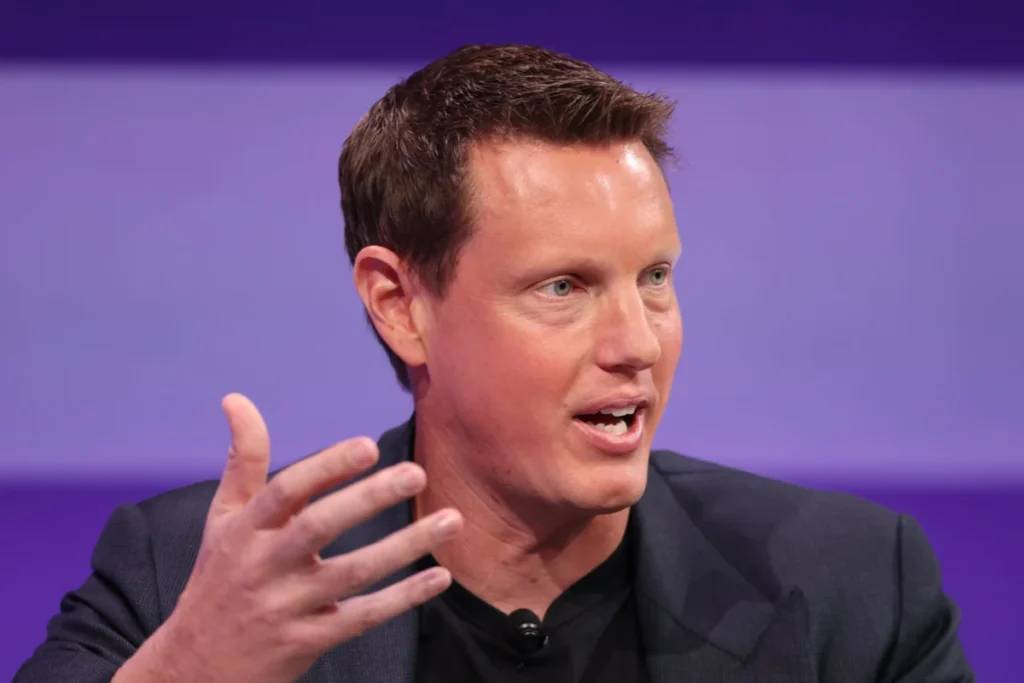


Netflix is redefining the intersection of live sports and streaming media by prioritizing "appointment viewing" over the acquisition of massive, long-term sports rights packages. As the digital landscape shifts, Chief Content Officer Bela Bajaria has clarified that the company’s expansion into live athletics is strictly curated to identify moments that generate global cultural conversation, or "zeitgeist." This strategy distinguishes the platform from traditional broadcasters and competitors like YouTube, which are currently exploring different models for live content delivery.
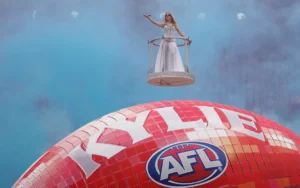
The core of this strategy was on full display in Melbourne, Australia, earlier this month, where Netflix hosted the first-ever regular-season NFL game in the country. The event, featuring a 27-7 victory for the San Francisco 49ers over the Los Angeles Rams, served as a case study for Netflix’s ambitions. By securing global rights to unique, high-profile games, Netflix aims to build a library of "unmissable" moments that drive subscriber engagement and retention without the massive overhead required to maintain a full season of weekly sports broadcasts.
Defining the Event Strategy
The distinction between a traditional broadcast and a Netflix "event" is, according to Bajaria, foundational to the company’s business model. While legacy networks have spent decades perfecting the weekly grind of sports programming—such as NBC’s Sunday Night Football, which has held the top spot in primetime for 15 consecutive years—Netflix is uninterested in simply replicating that model.
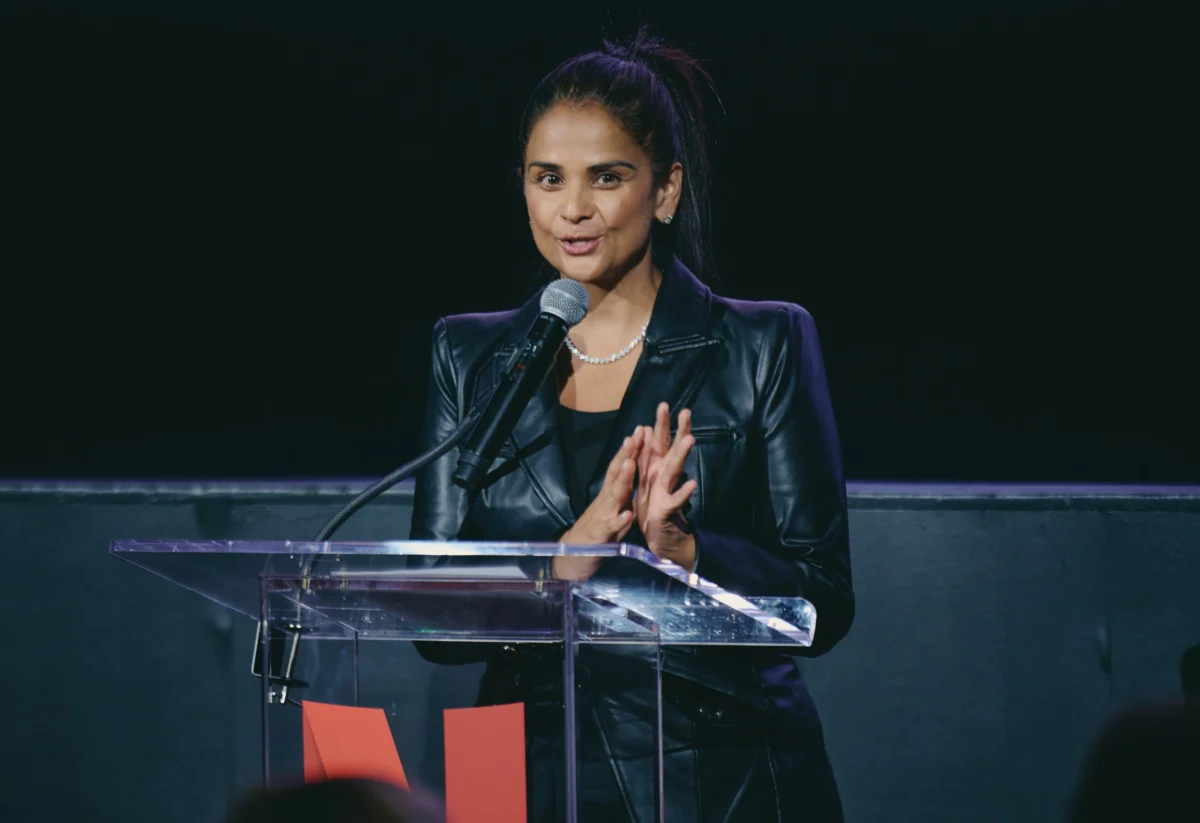
"The thing about an event is it’s buzzy, cultural, zeitgeist—that really sort of unmissable moment," Bajaria stated in an interview. The company’s approach is to select occasions where the content itself creates a gravitational pull. This includes holiday-themed matchups, such as the upcoming Christmas Day NFL games, or culturally significant spectacles like the World Baseball Classic in Japan, the Home Run Derby, or even non-traditional athletic feats like Alex Honnold’s climb of Taipei 101.
This curated selection process allows Netflix to preserve its $20 billion content budget for projects that yield the highest return on investment. By focusing on specific high-impact dates, Netflix avoids the "commoditization" of sports rights, opting instead for a scarcity model that drives viewership through anticipation rather than routine.
The NFL and International Expansion
The relationship between Netflix and the NFL is currently in a phase of strategic experimentation. For the 2026-27 season, Netflix has secured five games, including the Australian international fixture, a Thanksgiving Eve debut, two Christmas Day games, and a high-stakes Week 18 matchup.
The NFL, under Commissioner Roger Goodell, has signaled a willingness to explore new ways to package its media rights. With an opt-out clause in current deals looming after the 2029-30 season, the league is keeping its options open. While Netflix has not expressed interest in acquiring a full-season package—which would conflict with its "event-first" philosophy—it has shown a keen interest in international expansion.
With nine international games held in 2026 and ten scheduled for 2027, the global nature of these contests aligns perfectly with Netflix’s worldwide subscriber base. Bajaria noted that given Netflix’s global reach, international game packages are a "natural" area for future discussion. The platform is uniquely positioned to bridge the gap between U.S. sports enthusiasts and the burgeoning international audience that consumes Netflix’s broader content library.
Global Aspirations: The FIFA World Cup
Beyond the NFL, Netflix is positioning itself to be a major player in international soccer. Following the company’s acquisition of U.S. and Canadian media rights for the 2027 and 2031 FIFA Women’s World Cup, interest has shifted toward the men’s tournament. Netflix is currently evaluating the feasibility of bidding for the 2030 and 2034 FIFA Men’s World Cup rights.

FIFA’s move to diversify its broadcast partners has opened a window for streaming platforms to compete with traditional giants. Netflix’s existing relationship with FIFA, built through documentary projects and the acquisition of the Women’s World Cup rights, provides a foundational advantage. If successful, such an acquisition would represent the pinnacle of the "event-based" strategy, as the World Cup remains the most significant singular sporting event on the global calendar.
Evolving Industry Models: The Ingestion Strategy
As the streaming market reaches a point of saturation, media companies are beginning to explore collaborative models to consolidate content. A significant shift occurred in July 2026 when YouTube announced it would ingest NBCUniversal’s Peacock content into its Premium subscription platform. This move signaled a potential industry-wide trend toward aggregation.
Netflix is currently testing the waters of this model through a partnership with France’s TF1 Group. This pilot program allows live content from the French broadcaster to be embedded within the Netflix interface. Bajaria characterized this as a testing phase for the company’s broader infrastructure.
The prospect of Netflix hosting live content from other major players—including NBCUniversal, with whom Netflix already shares a deep licensing relationship for film and co-production of live sports—remains a distinct possibility. By evolving from a content creator to a content aggregator, Netflix could mitigate the risks associated with the high cost of sports rights while simultaneously increasing the "stickiness" of its platform for users who prefer a single interface for all their entertainment needs.
Competition and the Future of Engagement
Despite the success of short-form video platforms, Netflix remains steadfast in its commitment to long-form storytelling. While data from Nielsen indicates that YouTube currently commands a larger share of streaming viewership—accounting for 14.2% in July compared to Netflix’s 7.8%—Bajaria remains unswayed by the pressure to pivot toward short-form content.
The prevailing industry narrative that younger audiences lack the attention span for long-form narrative content is, according to Bajaria, a misreading of the market. The company’s data suggests that when content is authentic and high-quality, it transcends demographic trends. By sticking to its core competency of film and television, and selectively layering in live sports as a high-value garnish, Netflix is betting that its audience will continue to prioritize deep engagement over rapid consumption.
Analysis: Implications for the Media Landscape
The shift in strategy at Netflix underscores a broader transition in how sports rights are valued. Traditionally, sports were the bedrock of cable television, keeping viewers tethered to expensive packages through the promise of a reliable, 365-day-a-year sports calendar. Netflix’s refusal to chase this model suggests a realization that the cable-era model is not directly translatable to a global streaming environment.
Instead, the "event-based" model allows Netflix to exercise fiscal discipline. By bidding only on high-value, high-visibility events, the company creates a halo effect around its platform, driving interest that benefits its non-sports content. This, combined with the potential for "ingestion" partnerships with legacy networks, positions Netflix to become a utility-like platform that functions as the central hub of modern media.
However, the strategy carries risks. Relying on sporadic events means the platform cannot rely on sports to provide a consistent, daily reason for a user to log in, unlike cable sports channels. Netflix must therefore continue to innovate in how it promotes these events to ensure they remain "buzzy" enough to justify the investment.
As the industry moves toward 2030, the battle for the attention of the global viewer will likely be won not by the platform with the most sports content, but by the platform that can best leverage that content to define the cultural conversation. Netflix’s current trajectory suggests it is comfortable playing the long game, waiting for the right moments to strike while keeping its fundamental identity as a home for great stories intact.