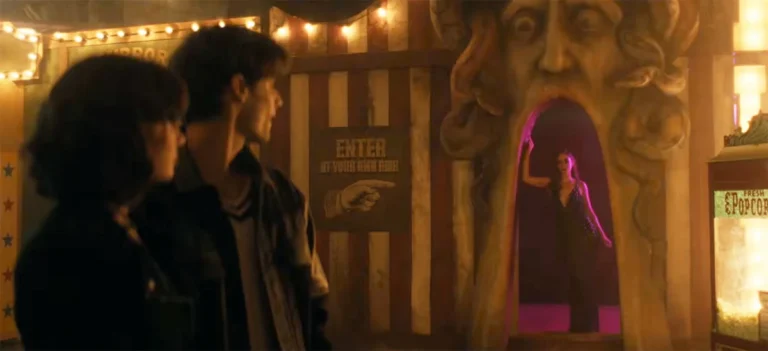




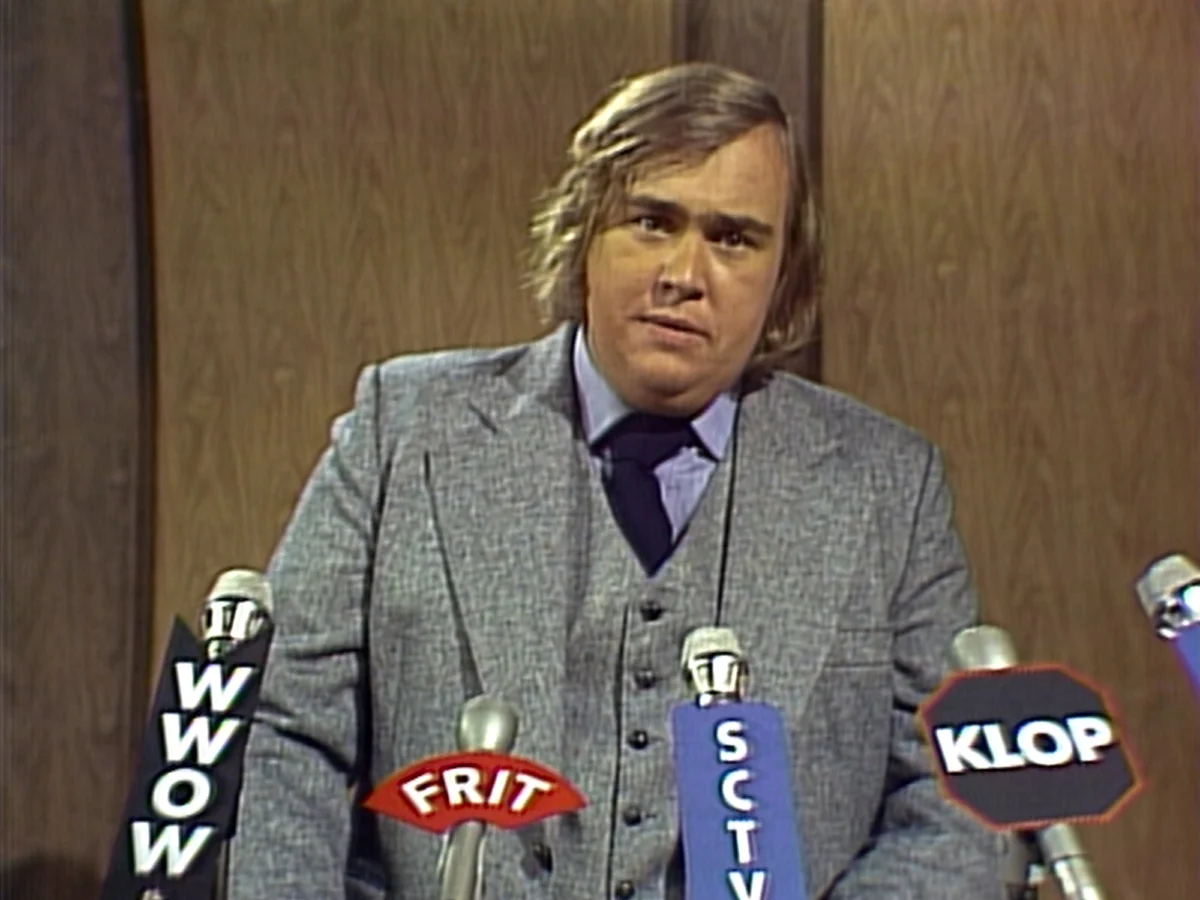
Netflix has released the official teaser trailer for SCTV: The Greatest Show You’ve Never Heard Of, an upcoming feature-length documentary directed by acclaimed filmmaker Jason Hehir. Scheduled to premiere on the streaming platform on October 30, 2026, the film examines the origins, cultural impact, and enduring legacy of Second City Television, widely regarded as one of the most innovative and influential sketch comedy series in television history.
Operating as Canada’s distinct counterpart to American television institutions like Saturday Night Live, SCTV began as an offshoot of Toronto’s renowned Second City theatrical troupe. Running intermittently from 1976 to 1984, the program satirized the medium of television itself by framing its sketches as the daily broadcasts of a fictional, low-budget television station based in the mythical city of Melonville. Despite facing significant distribution hurdles, a lack of traditional advertising, and erratic scheduling during its initial broadcast run, the show cultivated a fiercely loyal cult following and served as an incubator for a generation of comedic talent that would eventually dominate Hollywood.
The documentary features intimate, candid interviews with surviving members of the legendary ensemble, alongside footage from an emotional cast reunion in Toronto. It also incorporates archival material and rare behind-the-scenes footage to chart how a scrappy, independent Canadian production evolved into an international phenomenon. Netflix’s promotional rollout has drawn considerable attention from comedy historians, industry veterans, and devoted fans alike, positioning the project as one of the most anticipated documentary releases of the fall 2026 streaming season.
Chronology of a Cult Phenomenon: From Toronto Stages to American Networks
The history of Second City Television is marked by constant adaptation, network shifts, and a fiercely independent creative ethos. The chronology of the series reflects the trials and triumphs of a pioneering cast and crew navigating the shifting landscape of North American television during the late 1970s and early 1980s.

The genesis of SCTV traces back to the establishment of the Toronto branch of The Second City comedy theatre in 1973. Performers and writers who honed their craft on the stage recognized an opportunity to translate their improvisational sketches and satirical character work to the screen. In 1976, the television series officially launched in syndication across Canada, produced independently and distributed primarily through Global Television. During these formative years, the show operated with minimal budgets, forcing the cast and crew to rely entirely on sharp writing, rapid-fire character transformations, and sheer ingenuity.
By 1981, the series achieved a major breakthrough by securing a broadcast slot on American network television, airing on NBC following Saturday Night Live. This transition introduced the Melonville universe to a much broader U.S. audience, although the show continued to face scheduling challenges and network interference. Despite these obstacles, SCTV maintained a rigorous production schedule that allowed its writers and performers unprecedented creative control.
The original run concluded in 1984 after shifting to the premium cable network Cinemax for its final season. However, the end of the series did not mark the end of its influence. Over the subsequent decades, the alumni of SCTV became foundational pillars of modern comedy, shaping the landscape of film, television, and satire for the next fifty years. The new documentary by Jason Hehir serves as a retrospective on this timeline, capturing the evolution of the cast members from ambitious young performers into respected entertainment icons.
Data, Roster, and Creative Forces Behind SCTV
The sheer density of talent that emerged from Second City Television remains unmatched in the annals of television history. The ensemble cast featured performers who would go on to win Academy Awards, Emmy Awards, and critical acclaim across both comedic and dramatic cinematic landscapes.
The principal cast highlighted in the documentary includes Catherine O’Hara, Eugene Levy, Rick Moranis, Martin Short, Joe Flaherty, and John Candy. While several of these foundational figures have passed away—including John Candy in 1994, Joe Flaherty in 2024, and Catherine O’Hara, whose recent passing is acknowledged in the film’s tributes—their collective body of work continues to define the parameters of character-driven sketch comedy. The series also featured contributions from other notable comedic minds, including Harold Ramis, Andrea Martin, and Dave Thomas, who collectively established a standard for sophisticated satire, recurring narrative continuity, and meticulous attention to detail.

Director Jason Hehir brings a proven track record of handling monumental cultural subjects to the project. Hehir’s previous directorial credits include the Emmy Award-winning sports documentary miniseries The Last Dance, as well as critically acclaimed biographical and historical films such as Andre the Giant, Return of the King: The Fall and Rise of Elvis Presley, and Novak Djokovic: The Wolf in Winter. Produced by Chapman Downes, Whitney Johnson, Andrew Hafnor, Molly Montgomery, and Kelly Meinhardt, the documentary benefits from the same rigorous journalistic and archival approach that characterized Hehir’s previous historical deep-dives.
Statements and Industry Reactions
While formal press statements from surviving cast members have been limited prior to the film’s official rollout, industry insiders and prominent admirers have long championed the legacy of SCTV. Actor and filmmaker Tom Hanks, frequently cited as one of the show’s most passionate advocates, has previously spoken about the profound impact the series had on his own comedic sensibilities during his formative years.
Cultural analysts note that SCTV arrived at a unique crossroads in media history, coinciding with the rise of multichannel television and the growing appetite for sophisticated media satire. Unlike standard variety shows of the era, which relied on stand-up routines and musical numbers, SCTV maintained a unified thematic universe. Every commercial parody, local news broadcast, and public access segment reinforced the fictional reality of Melonville, a structural choice that anticipated the serialized, meta-comedic storytelling formats popular in modern television.
The release of Hehir’s documentary also aligns with a broader resurgence of interest in Toronto’s rich cultural history during the 1970s and 1980s. The film arrives on the heels of other regional retrospectives, such as You Had to Be There, a documentary exploring the Toronto production of Godspell that featured many of the same creative circles. Together, these projects highlight Toronto’s pivotal role as an unsung crucible for North American entertainment innovation.
Broader Impact and Implications for Comedy History

The arrival of SCTV: The Greatest Show You’ve Never Heard Of on Netflix carries significant implications for how television history is preserved and consumed in the modern streaming era. As younger generations discover classic comedy through digital platforms, archival documentaries play an essential role in contextualizing works that might otherwise be obscured by the passage of time.
Furthermore, the documentary examines the mechanics of enduring creative partnerships. The relationships forged in the writers’ rooms and on the soundstages of Toronto and Edmonton nearly half a century ago resulted in lifelong collaborations that repeatedly altered the trajectory of Hollywood comedies throughout the 1980s and 1990s. Films such as SCTV-spinoff features, mockumentaries, and classic family comedies owe a direct debt to the narrative structures and character-building techniques pioneered by the SCTV ensemble.
By blending intimate reflections, never-before-shared anecdotes, and rare archival recordings, the film provides a definitive account of a series that operated largely out of the mainstream spotlight during its active years yet profoundly shaped the contemporary comedic landscape. As audiences prepare for the October 30 premiere, the documentary stands as both a celebration of artistic resilience and a timely reminder of the enduring power of collaborative, uncompromising satire.