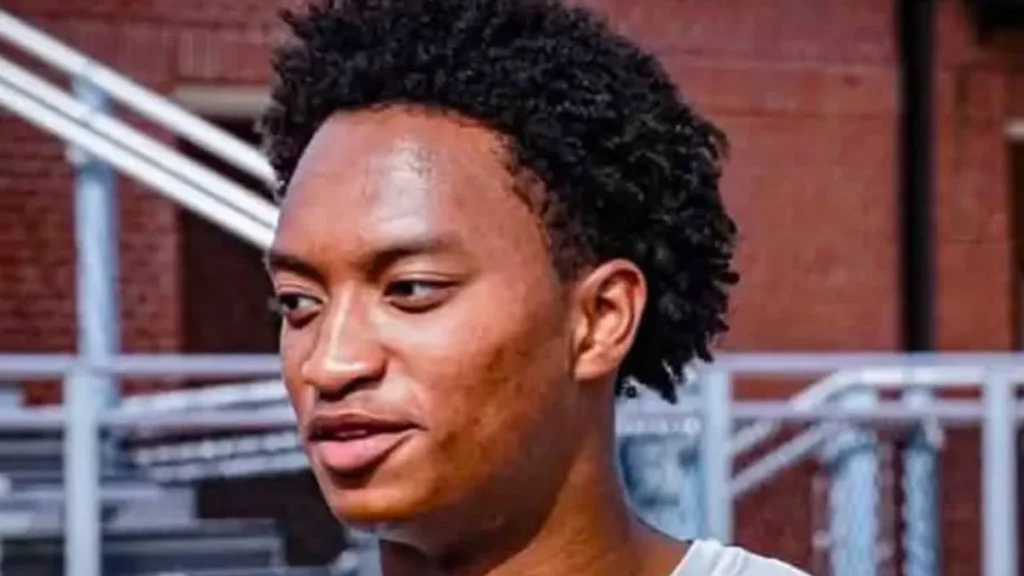




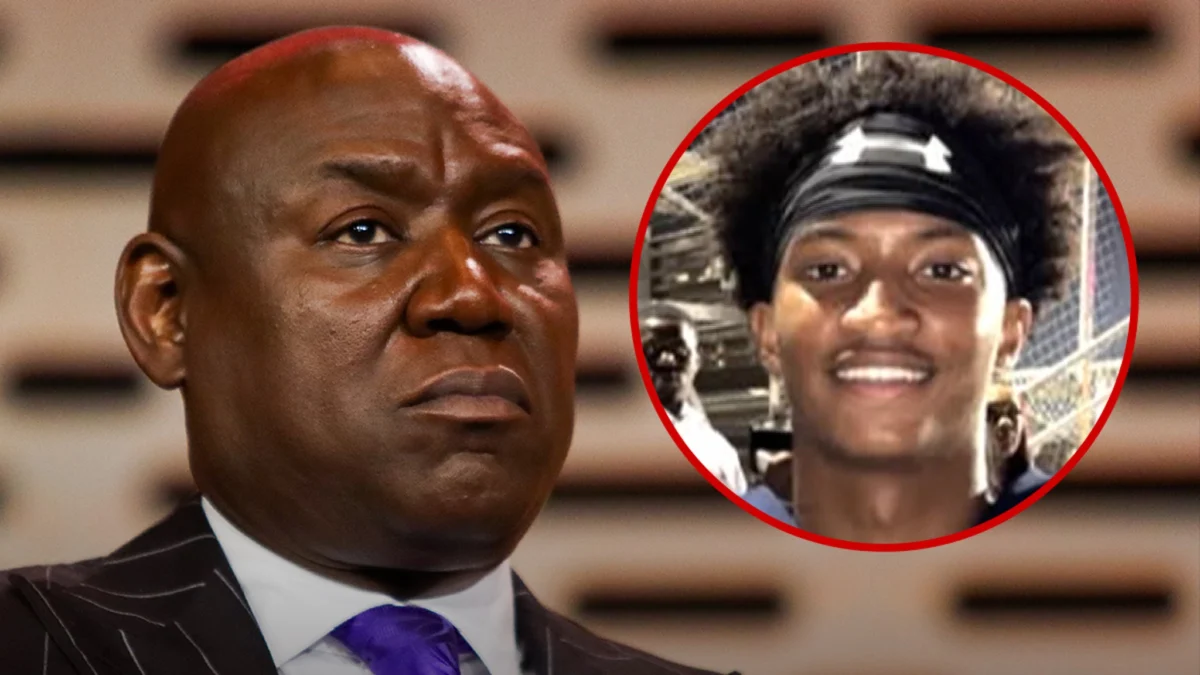
The ongoing quest for accountability and transparency in the tragic death of 18-year-old Nolan Wells reached a contentious milestone as prominent civil rights attorney Ben Crump publicly challenged the decision of Mississippi prosecutors to close the investigation. Following a unanimous grand jury decision resulting in no criminal charges, Jackson County District Attorney Angel Myers McIlrath formally announced the conclusion of the case, asserting that the evidence supported a finding of accidental drowning. However, Crump, representing the grieving Wells family, immediately pushed back against the closure, highlighting glaring inconsistencies between official findings and independent medical evaluations, particularly concerning unexplained physical trauma discovered on the teenager’s body.
The case, which has drawn intense regional and national scrutiny since the summer of 2026, touches upon sensitive intersections of race, regional tension, criminal justice, and the rigorous demands for comprehensive forensic transparency. As legal teams, state medical examiners, and independent pathologists present sharply contrasting interpretations of the physical evidence, the public discourse continues to demand a full accounting of the events that led to the young man’s untimely death off the Mississippi Gulf Coast.
Chronology of Events: From a Fateful Boat Trip to a Tragic Discovery
The sequence of events began during the early days of July 2026, transforming a routine summer gathering into a profound tragedy for the Wells family and the surrounding community. On July 4, 2026, Nolan Wells, an 18-year-old Black teenager, joined a group of friends for a recreational boat trip off the coast of Mississippi. According to initial reports, the excursion was intended to be a simple celebration of the holiday weekend. However, the outing took a dark turn when Wells disappeared while out on the water.
Following his disappearance, search and rescue teams initiated operations along the Mississippi Gulf Coast. Two days later, on July 6, 2026, grim reality set in when search crews discovered Wells’s lifeless body near Horn Island. The recovery immediately sparked profound grief, which was quickly compounded by immediate public concern regarding the circumstances of his disappearance. Because Wells was reportedly the only Black individual on the boat during the trip, the discovery against the backdrop of the region’s complex racial history ignited widespread speculation, fear, and demands for an immediate, thorough investigation into whether foul play or racial animus played a role in his death.
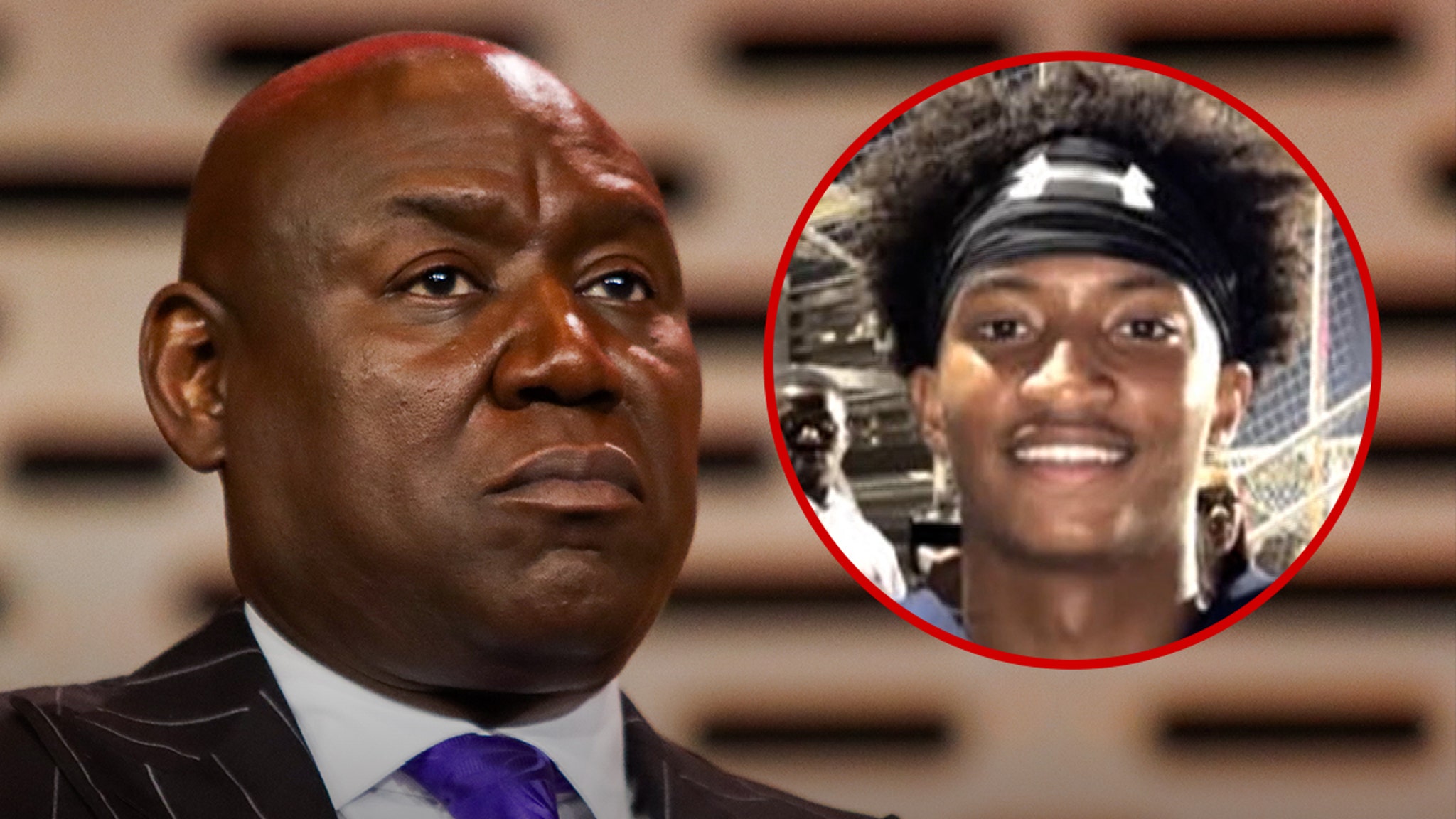
Recognizing the gravity of the situation and harboring deep skepticism regarding local investigative protocols, the Wells family retained the services of nationally renowned civil rights attorney Ben Crump just days after the recovery of the body. On July 7, 2026, Crump and the family announced their intention to conduct an independent investigation, setting the stage for a protracted battle over medical evidence and forensic accountability that would unfold over the subsequent months.
Medical Contradictions: Official Autopsy Versus Independent Findings
At the core of the ongoing dispute are deeply conflicting medical assessments regarding the condition of Nolan Wells’s body at the time of death. On Monday, September 22, 2026, the Mississippi State Medical Examiner released the official autopsy report following the conclusion of the grand jury proceedings. The official report concluded that the position, condition, time of discovery, and location of the body were consistent with drowning, while officially listing the manner of death as undetermined. The grand jury ultimately returned a "no true bill," indicating insufficient evidence of criminal culpability to warrant formal indictments.
In stark contrast, the legal team representing the Wells family has continuously highlighted findings from a second, independent autopsy conducted by prominent forensic pathologist Dr. Roger A. Mitchell Jr. According to the independent evaluation, Wells sustained recent, unexplained blunt force injuries to the back of his head and multiple areas along his back. Dr. Mitchell noted that red discoloration observed on the body was definitively confirmed to be blood, corresponding to significant contusions initially documented by the state’s own original pathologist.
The central grievance voiced by Ben Crump centers on the glaring omission of these injuries from the state’s final narrative. Crump has repeatedly asserted that state medical examiners failed to adequately investigate or even photograph the back of Wells’s head during the initial examination. By closing the case without providing a satisfactory medical or forensic explanation for the blunt force trauma identified by Dr. Mitchell, authorities have left critical questions regarding the teenager’s final moments completely unanswered.
Official Responses and District Attorney McIlrath’s Defense
Responding directly to the mounting public pressure and allegations from the family’s legal team, Jackson County District Attorney Angel Myers McIlrath issued a resolute defense of the investigative process. In a video statement released on Monday, McIlrath addressed the public regarding the grand jury’s unanimous decision, emphasizing that a thorough and exhaustive review had been conducted without political or external interference.
McIlrath forcefully rejected the narrative that the incident bore any connection to racial animus, stating unequivocally that there was "absolutely no evidence" to support claims that Wells’s death was racially motivated. Furthermore, the District Attorney expressed sharp criticism toward outside commentators and social media influencers, accusing them of attempting to exploit the tragedy for external agendas, thereby creating unnecessary division, misinformation, and community chaos.
The District Attorney maintained that the legal system followed standard evidentiary procedures, convening an impartial grand jury to evaluate the totality of the investigative file, forensic reports, and witness testimonies. With the grand jury returning a "no true bill," the state’s position remains that no criminal charges can be sustained based on the available physical and circumstantial evidence.
Broader Implications and Calls for Federal Intervention
The closure of the Nolan Wells case without criminal indictments has reverberated far beyond the borders of Jackson County, raising critical questions regarding forensic standards, institutional transparency, and the handling of racially sensitive investigations in the American South. Legal analysts note that cases involving undetermined manners of death frequently present unique challenges for prosecutors and families alike, as the absence of definitive proof pointing toward homicide makes securing criminal indictments exceptionally difficult, even when suspicious physical trauma is present.
For civil rights advocates, the case highlights persistent institutional mistrust between marginalized communities and local law enforcement agencies. The refusal of state authorities to address the specific etiology of the blunt force trauma documented in the independent autopsy has reinforced perceptions of a superficial investigation designed to expediently close a politically volatile file rather than pursue the complete truth.
In light of these lingering doubts, Ben Crump has formally called upon federal authorities, specifically urging the United States Department of Justice to intervene and launch an independent federal review of the case. Crump argues that the fundamental unanswered questions regarding the physical injuries sustained by Nolan Wells demand a higher level of investigative scrutiny than what was provided by local and state officials.
As the legal avenues within the state of Mississippi draw to a formal close following the grand jury’s dismissal, the fight for clarity championed by the Wells family and their legal representation continues to spotlight the absolute necessity of rigorous, transparent, and comprehensive forensic investigations in every instance where a young life is lost under suspicious and unexplained circumstances.