


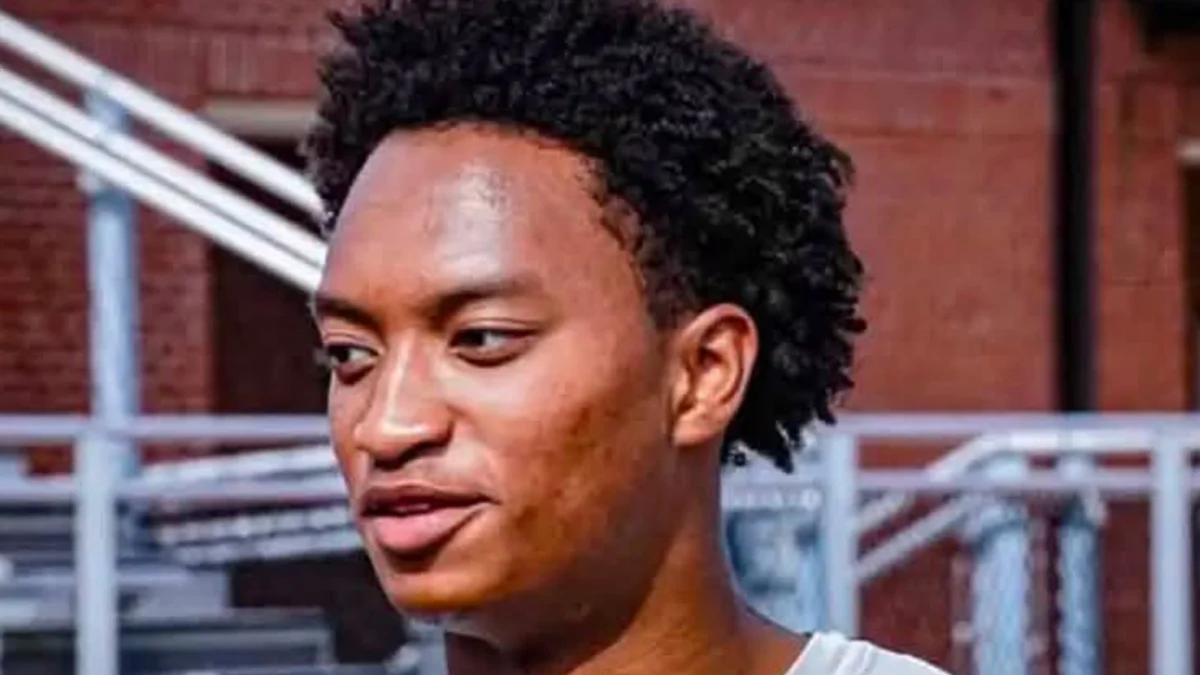
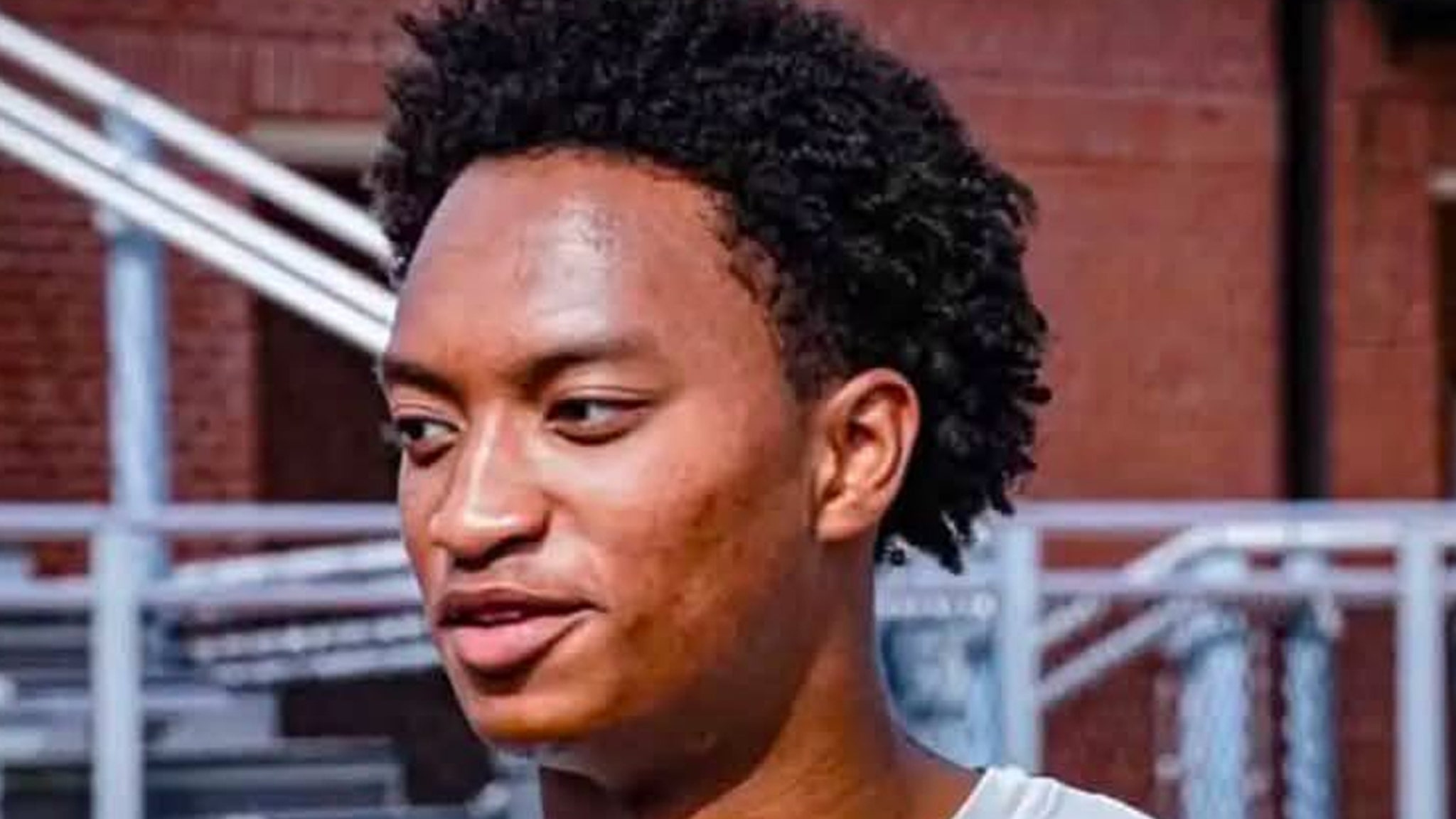
Months of intensive investigation, public speculation, and emotional community turmoil culminated in a definitive legal update regarding the tragic death of 18-year-old Nolan Xavier Wells. Jackson County District Attorney Angel Myers McIlrath officially announced that a grand jury returned a "no true bill," concluding that no criminal charges will be filed against anyone in connection with the teenager’s demise. The decision follows a rigorous review of physical evidence, toxicology results, witness testimonies, and official autopsies tied to the high-profile case that captured national headlines over the summer.
The legal closure brings a formal end to the state’s criminal inquiry into the incident, which began as a joyful Fourth of July celebration and ended in unspeakable tragedy along the secluded shores of Mississippi’s Horn Island. While the grand jury’s decision provides legal exoneration for the individuals who accompanied Wells on his final excursion, the case continues to resonate deeply within the local community and highlights the complex challenges inherent in marine-related incident investigations.
Main Facts and Findings of the Official Investigation
According to the Mississippi State Medical Examiner’s official autopsy report, the manner of Nolan Wells’ death was formally ruled "undetermined." However, the 23-member grand jury—comprising 13 men and 10 women, impaneled in April and holding deliberations through September—concluded that the physical evidence heavily points to a specific cause.
"The Grand Jury finds that the position of, the condition of, time of discovery, and location of Mr. Wells’ body is consistent with drowning," the official report stated.
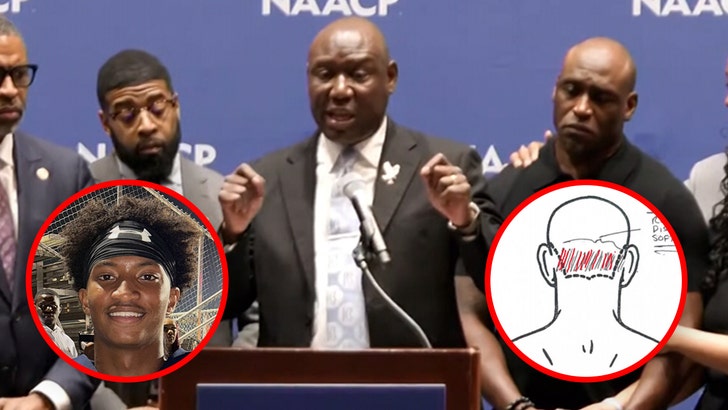
The investigation also addressed and definitively dismissed several persistent rumors that had circulated on social media and across various digital platforms. Toxicology screenings confirmed that Wells did not have cocaine or any other illicit substances in his system at the time of his death. Furthermore, while the autopsy noted bruising on the back of the teenager’s head, medical examiners and investigators determined that this trauma was superficial and not considered a fatal injury.

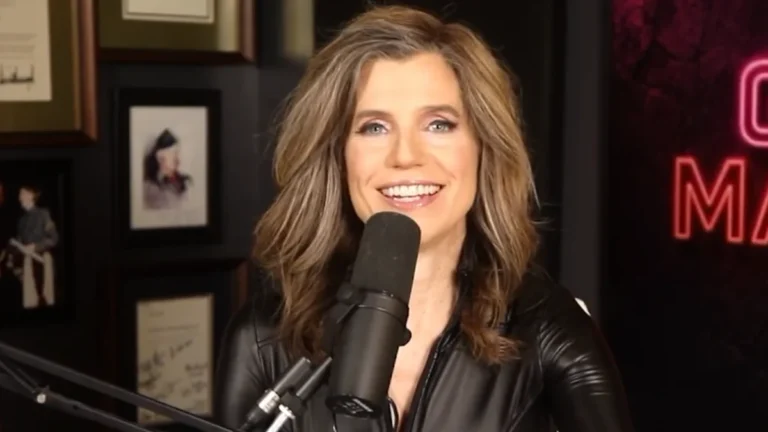
Jackson County District Attorney Angel Myers McIlrath emphasized the thoroughness of the judicial process during a public address. She noted that the grand jury reviewed all available evidence before returning their unanimous "no true bill," signifying a complete absence of probable cause to charge any individual with a crime.
Addressing swirling online rumors and unverified social media claims, District Attorney McIlrath firmly rejected allegations that the tragedy involved foul play or racial animus. "There was absolutely no evidence to support the claim that Nolan’s death was racially motivated," McIlrath stated, expressing frustration over outside interference. "The death of Nolan Wells has devastated our community. Outsiders and influencers have attempted to exploit Nolan’s death to divide and create chaos here, but we are better."
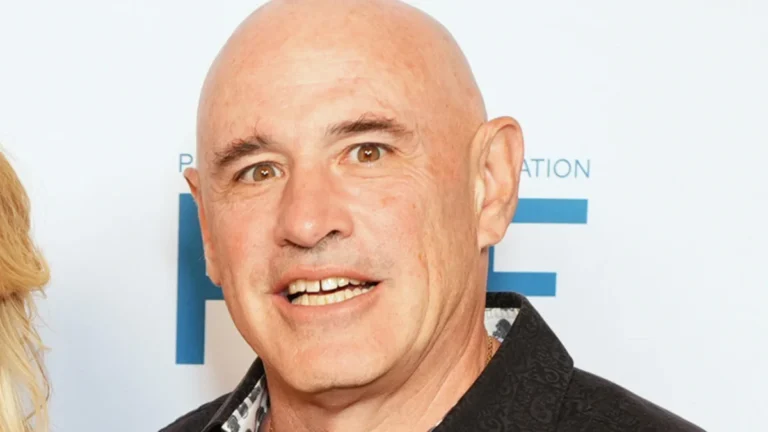
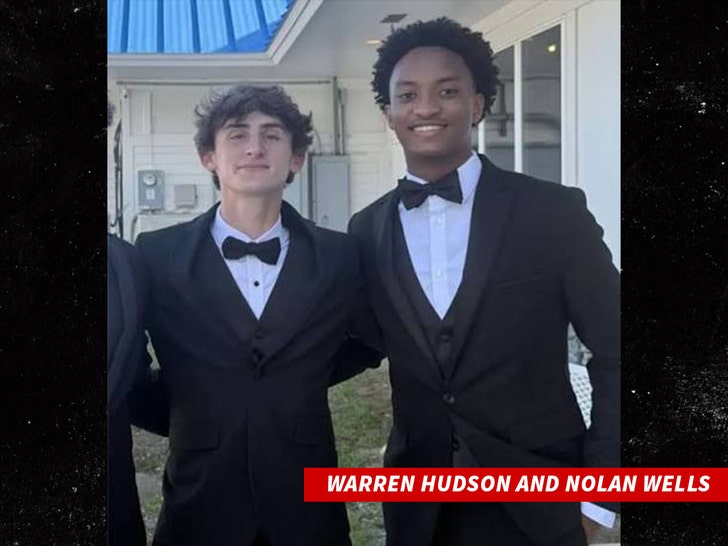
Edward Andrew Paltzik, an attorney representing Wells’ friends who were present on the trip—Warren Hudson, Jax Pitalo, and Morgan Seymour—welcomed the grand jury’s decision. "We said it all along: Warren Hudson, Jax Pitalo, and Morgan Seymour were always completely innocent," Paltzik told reporters. "There was never any doubt. They are terrific people."
Chronology of Events: From Celebration to Tragic Discovery
The sequence of events leading up to the discovery of Nolan Wells’ body unfolded rapidly over the extended Fourth of July weekend in 2026, establishing a timeline that investigators, independent experts, and family representatives scrutinized for months.
- July 4: Nolan Wells travels to Horn Island off the Mississippi Gulf Coast alongside a group of friends to celebrate the holiday weekend. Throughout the afternoon, the group engages in recreational activities. According to statements from his companions, attempts are made to convince Wells to pack up and leave the island around 4:30 PM, but he reportedly refuses to board the vessel for the return trip to the mainland.
- July 4 (Night): When Wells fails to return, family and companions grow alarmed. He is officially reported missing to local authorities, prompting an immediate search and rescue operation in the coastal waters and surrounding barrier islands.
- July 6: Search teams locate a body along the shoreline of Horn Island, near the area where Wells was last seen alive. Authorities recover the remains, and preliminary visual identifications confirm the deceased is the missing 18-year-old.
- July 7: The state medical examiner performs an official autopsy. However, the comprehensive findings are placed under wraps by authorities, sparking early frustrations and demands for transparency from the victim’s family.
- July 10: Dissatisfied with early police assertions that pointed purely toward an accidental drowning without suspicious circumstances, Wells’ parents demand deeper answers and initiate their own independent investigation.
- July 22: Renowned civil rights attorney Ben Crump, hired by the Wells family, announces the preliminary findings of an independent autopsy. The independent examination reveals an area of red discoloration at the back of the head, suggesting potential trauma, though cause and manner remain undetermined due to missing tissue samples.
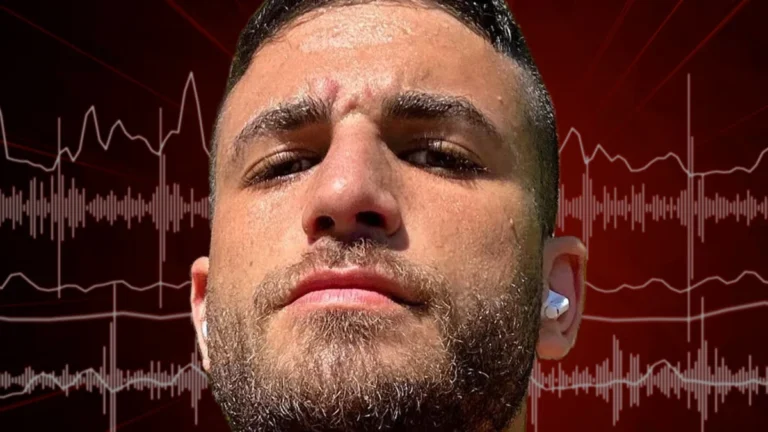
- Late July: Legal and investigative teams ramp up efforts. Audio engineering experts are retained to analyze a panicked Sea Tow emergency call placed after one of the group’s boats began taking on water. Oceanic engineering specialists are also brought in to study coastal tides and drift patterns.
- August 3: The United Cajun Navy releases an independent comprehensive report compiling photographs, video footage, GPS coordinates, and witness statements. The report highlights a critical timeline gap, noting that Wells’ final confirmed sighting occurred between 3:23 PM and 4:27 PM, shortly before the remaining group departed the island at 4:31 PM.
- September (Mid-Month): The grand jury convenes to review the totality of the state and independent evidence, ultimately leading to the late-September announcement of no criminal indictments.
Supporting Data, Independent Inquiries, and Divergent Perspectives
The path to the grand jury’s decision was heavily influenced by competing narratives regarding the transparency of the investigation. While local law enforcement and prosecutors maintained from the outset that physical evidence pointed strictly to an accidental drowning, the Wells family pursued alternative avenues of inquiry to ensure every possible scenario was explored.
The engagement of civil rights attorney Ben Crump introduced significant public scrutiny to the case. Crump and the family’s legal team raised valid concerns regarding procedural protocols during the initial state autopsy. Specifically, the independent medical examiner retained by the family noted that certain organs—including the throat and lungs—along with vital photographic documentation, had not been transferred for secondary review. These missing elements complicated the independent team’s ability to definitively reconstruct the precise physiological conditions Wells experienced upon entering the water.
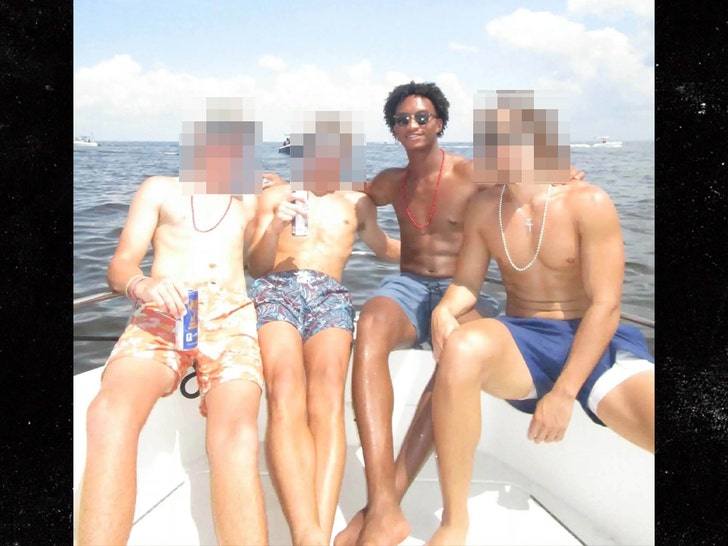
In addition to independent medical evaluations, marine and rescue specialists dissected the environmental variables of Horn Island. The United Cajun Navy’s independent investigation attempted to map out the exact movements of the teens during the afternoon of July 4. By analyzing local tide charts, wind directions, and cellular data, search volunteers sought to understand how a person could become separated from a boating party in a remote maritime environment. The group’s findings underscored a narrow window of time during which Wells became unaccounted for, feeding ongoing public debate over whether an accident could have occurred rapidly and unnoticed.
Despite these exhaustive parallel efforts, the state’s comprehensive forensic dossier—incorporating detailed toxicology reports, forensic pathology assessments, marine incident reconstructions, and extensive witness interviews—ultimately formed the foundational evidence presented to the Jackson County grand jury.
Broader Impact and Implications
The conclusion of the legal proceedings surrounding Nolan Wells’ death offers a moment of institutional closure for the judicial system in Jackson County, yet it leaves behind a complex legacy regarding public communication during high-profile investigations in the digital age.
The case serves as a striking example of how modern information ecosystems, social media speculation, and rapid digital communication can intersect with local criminal investigations. Within hours of Wells’ disappearance, unverified rumors, uncorroborated theories, and inflammatory allegations spread globally across internet platforms. This digital pressure placed immense strain on local authorities, community relations, and the grieving family alike, transforming a local marine tragedy into a focal point of intense national polarization.
District Attorney McIlrath’s public statements following the grand jury’s "no true bill" reflect a growing concern among regional law enforcement agencies regarding outside actors exploiting local tragedies for online engagement or ideological division. The clear, data-driven dismissal of unfounded rumors—such as the alleged presence of narcotics and claims of racial violence—demonstrates an administrative effort to restore factual integrity and public trust in the wake of widespread digital misinformation.
Ultimately, while the legal system has determined that no criminal culpability exists in the death of Nolan Wells, the case stands as a solemn reminder of the inherent dangers of coastal and open-water recreation, as well as the profound emotional ripples left behind when a young life is cut short far from home.