


HoYoverse, the global gaming powerhouse behind the multi-billion dollar franchises Genshin Impact and Honkai: Star Rail, has unveiled a significant shift in its development trajectory with Nodusfall. Showcased during the recent Gamescom event in Cologne, Germany, the title represents a departure from the studio’s established "anime-adjacent" visual language and lighter, stylized art directions. Instead, Nodusfall leans into a gritty, atmospheric dark fantasy aesthetic, characterized by complex mythological creature designs and a grounded, visceral combat system that has drawn immediate, albeit premature, comparisons to the soulslike genre, specifically FromSoftware’s Elden Ring.
The project marks a strategic pivot for the Shanghai-based developer. While HoYoverse has historically dominated the open-world gacha market, Nodusfall appears to be an attempt to capture a different demographic—one that favors challenging, encounter-based co-operative play over the traditional exploration-heavy loops that defined the studio’s previous successes.
Chronology of the Reveal and Early Reception
The announcement of Nodusfall arrived as a surprise to many industry analysts who expected HoYoverse to double down on its live-service anime portfolio. The reveal trailer, which debuted alongside the Gamescom preview, highlighted a shift toward high-fidelity, darker environments and a focus on boss-centric combat mechanics.
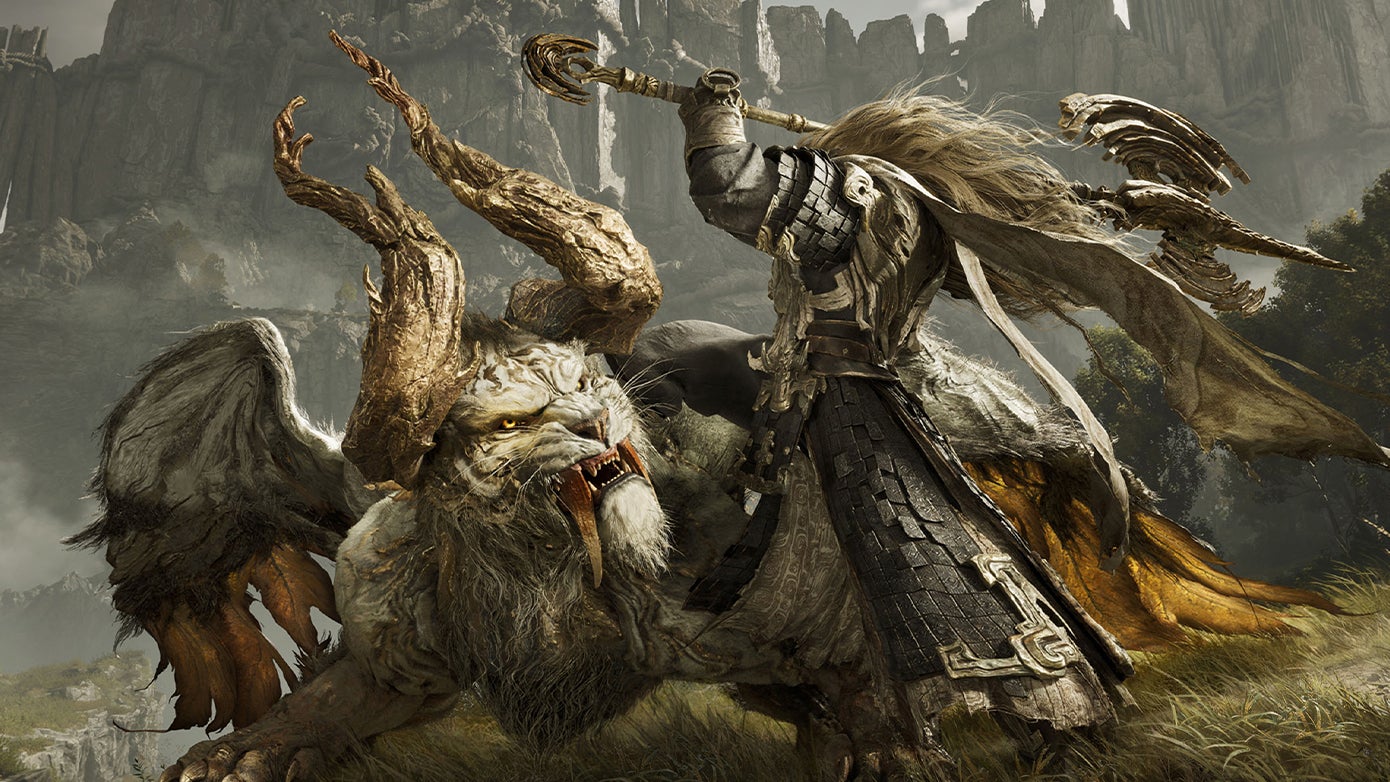
During the Gamescom demo, participants were tasked with navigating two distinct boss encounters, each designed to test the efficacy of a four-player squad. This structure suggests that Nodusfall is being built from the ground up as a cooperative experience, emphasizing team synergy and distinct character roles. The demo allowed for the selection of four archetypes, split evenly between melee and ranged combat, each featuring a support-oriented variant to ensure squad sustainability.
Combat Mechanics and Tactical Depth
At its core, Nodusfall employs a combat system that balances accessibility with depth. The mechanics rely on a standard attack gauge that accumulates power, allowing players to execute high-impact moves once specific thresholds are reached. Beyond these basic interactions, each character possesses a suite of four unique abilities governed by cooldown timers, necessitating careful resource management.
A notable feature observed during the preview was the integration of stamina-based movement. Unlike the more floaty combat found in typical action RPGs, Nodusfall’s movement—including back-stepping dodges and aggressive dashes—consumes stamina. This forces players to calculate their positioning relative to the boss, particularly when utilizing character-specific summons or special projectiles. For instance, ranged classes must frequently toggle between long-distance sniping and close-quarters engagement to optimize their damage output, creating a rhythmic, push-and-pull dynamic that keeps players constantly active.
Mythological Influence and Monster Design
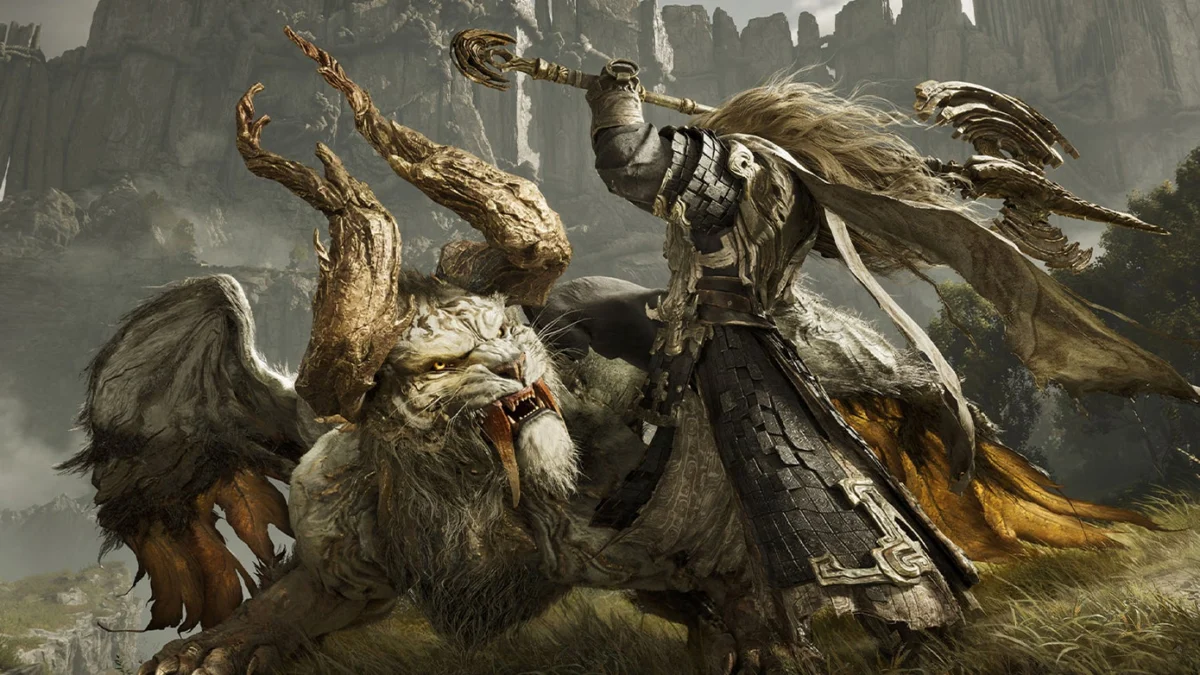
The enemy encounters within Nodusfall are heavily rooted in global mythology, reflecting a deliberate effort by HoYoverse’s design teams to move beyond traditional high-fantasy tropes. The demo featured the Qiongqi—a beast drawn from Chinese mythology—and the Maldrake, a traditional dragon that serves as a centerpiece for the game’s multi-stage combat design.

The Maldrake encounter, in particular, illustrates the developer’s ambition regarding encounter unpredictability. The boss fight is structured in distinct phases, with the creature’s behavior and physical form evolving as its health depletes. The transition from a traditional dragon to a "Maldrake Knight"—a humanoid entity that emerges from the dragon’s chest—serves as a mechanical turning point. This shift forces players to abandon established strategies, such as maintaining distance, in favor of a more reactive, close-range defensive approach to combat the knight’s speed and area-of-effect attacks.
Monetization and Business Model Implications
One of the most pressing questions surrounding Nodusfall concerns its economic framework. HoYoverse has built its reputation on the gacha model, a system that has faced varying levels of scrutiny globally. However, the studio has indicated that Nodusfall will diverge from the standard "banner-based" character acquisition system found in titles like Genshin Impact.
According to preliminary statements from the development team, the game intends to prioritize character progression through gameplay milestones rather than random loot pools. While the specifics remain under development, the studio is exploring a monetization strategy centered on cosmetics. This pivot could serve as a vital hedge against increasing regulatory pressure on gacha-based mechanics in major markets, including China and the European Union. By moving toward a more transparent, skill-based progression system, HoYoverse may be aiming to appeal to Western "hardcore" gaming audiences who have traditionally been resistant to randomized monetization models.
Industry Analysis and Market Positioning
The shift to dark fantasy is a calculated move to diversify HoYoverse’s portfolio. According to industry data, the "soulslike" and cooperative action-RPG segments have shown consistent growth over the past five years, with titles like Elden Ring and Monster Hunter setting high benchmarks for engagement and revenue.

By adopting a darker tone, HoYoverse is attempting to de-risk its brand, ensuring that it is not solely identified as a developer of anime-style gacha games. If successful, Nodusfall could redefine the studio’s identity, allowing it to compete directly with established Western and Japanese publishers in the premium-leaning, cooperative action space.
However, the game faces significant challenges. The competitive landscape for cooperative action titles is crowded, and the studio’s transition from solo-focused, narrative-driven experiences to team-reliant combat requires a different approach to balancing and network infrastructure. The success of Nodusfall will likely depend on the stability of its online co-op, the longevity of its combat loops, and the studio’s ability to maintain the high-quality visual polish that fans have come to expect while adapting to a much grittier art style.
Looking Ahead
As the project enters its next phase of development, the industry will be watching to see how the studio balances its historical strengths with these new creative directions. The Gamescom reveal was merely an initial look; the true test for Nodusfall will lie in its ability to sustain player interest beyond the initial "wow" factor of its boss designs.
HoYoverse has proven it can create massive, interconnected worlds and compelling character narratives. With Nodusfall, it is testing whether those capabilities can be translated into a more challenging, less formulaic action experience. If the developer can iterate on the unpredictability shown in the Maldrake encounter and provide a monetization structure that satisfies a more cynical gaming audience, Nodusfall could become the most important title in the studio’s future roadmap.

For now, the game remains a promising, if early-stage, entry into a saturated market. With a release window yet to be confirmed, the coming months will likely bring more clarity regarding the game’s solo-play features, the full extent of its character roster, and the final details of its business model. For a studio that has largely defined the current era of mobile-to-PC gaming, Nodusfall represents a rare, high-stakes experiment in reinventing the house style.