

The 30th Bucheon International Fantastic Film Festival (BIFAN), a cornerstone event for showcasing and celebrating Korean genre cinema, has unveiled its lineup for the newly christened Bucheon Choice Korean: Features section. This prestigious competition, formerly known as Korean Fantastic, highlights ten compelling titles, among them Killing Time, the directorial debut of Jang Jun-yeop. Drawing inspiration from the 2016 novel "Scare Campaign," the film courageously transplants traditional slasher mechanics into the hyper-contemporary landscape of YouTube livestreams, the relentless pursuit of sensational content, and the increasingly disturbing ways in which violence is packaged for mass online consumption.
BIFAN’s Enduring Commitment to Korean Genre Cinema
For three decades, BIFAN has served as a vital platform for emerging and established filmmakers within the Korean genre film scene. Its evolution, marked by the renaming of key competition sections, underscores a commitment to adapting to contemporary cinematic trends while maintaining its core mission. The Bucheon Choice Korean: Features section, in particular, aims to spotlight narratives that push the boundaries of genre, offering audiences a glimpse into the innovative and often unsettling directions Korean filmmakers are taking. This year’s selection, featuring ten distinct features, represents a diverse array of genres and thematic explorations, with Killing Time standing out for its prescient engagement with the digital age’s darker undercurrents.
The Premise: A Fatal Broadcast and a Desperate Comeback
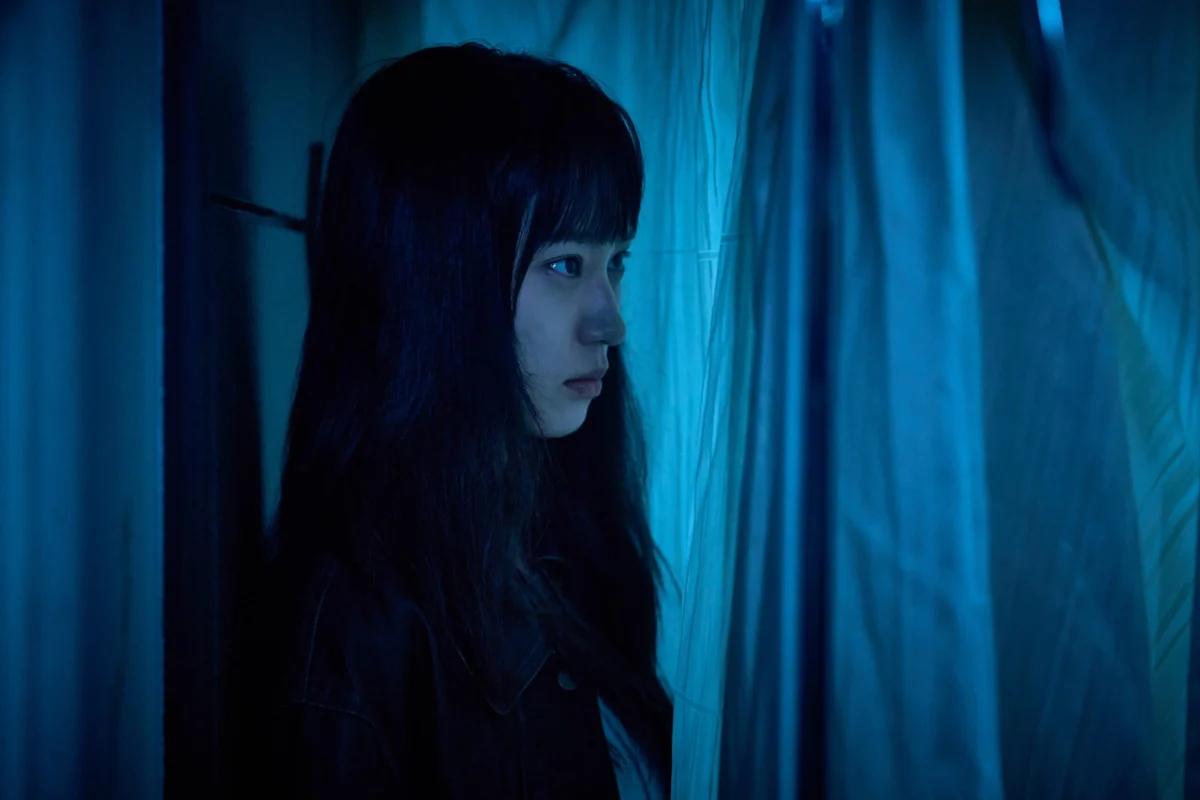
Killing Time centers on a popular horror YouTube channel of the same name, whose operations are abruptly halted following a tragic fatal accident that occurs during a live broadcast. In a desperate bid to regain viewership and salvage their careers, the channel’s staff devise a plan for an even more audacious and sensational comeback. Their chosen venue for this high-stakes livestream is an isolated, abandoned psychiatric hospital nestled deep within the mountains. This setting, inherently steeped in a chilling atmosphere, offers the perfect backdrop for a horror broadcast, but also becomes a crucible where the boundary between staged fear and genuine peril begins to dissolve. What commences as a meticulously planned online event rapidly devolves into a far more dangerous reality, as manufactured terror, unscripted violence, and a cascade of unforeseen variables converge with devastating consequences.
Deconstructing the Spectacle: Beyond the Body Count
While slasher elements are evident from the outset, Jang Jun-yeop masterfully avoids an immediate plunge into overt gore. Instead, the film adopts a more deliberate approach, allowing the premise to unfold and establishing the intricate logic of the livestream format. The narrative focuses on the internal dynamics of the group, the inherent uncertainties of online perception, and the audience’s perpetual question of what is real and what is fabricated. This narrative strategy is one of the film’s most compelling aspects. Killing Time transcends the role of a mere body-count film, evolving into a pointed commentary on digital spectacle. It critically examines how danger becomes a marketable commodity, its appeal amplified only when it is exaggerated, aestheticized, and broadcasted as entertainment.
The Uncomfortable Nexus of Online Content and Violence
The film’s most intriguing facet lies in its insightful critique of the contemporary web content ecosystem. Killing Time dissects how creators are perpetually pressured to escalate their offerings to maintain audience attention. In this digital arena, fear alone is insufficient; it must be packaged, streamed, monetized, and consistently outdone by preceding content. The exoticization of violence becomes an integral component of its allure. The characters’ readiness to re-engage with horror content, particularly after experiencing a profound tragedy, immediately casts their moral compass into question. The film exhibits a compelling cynicism, recognizing how the relentless pursuit of online visibility can transform even profound trauma into a mere branding opportunity.
Setting as a Character: The Abandoned Asylum
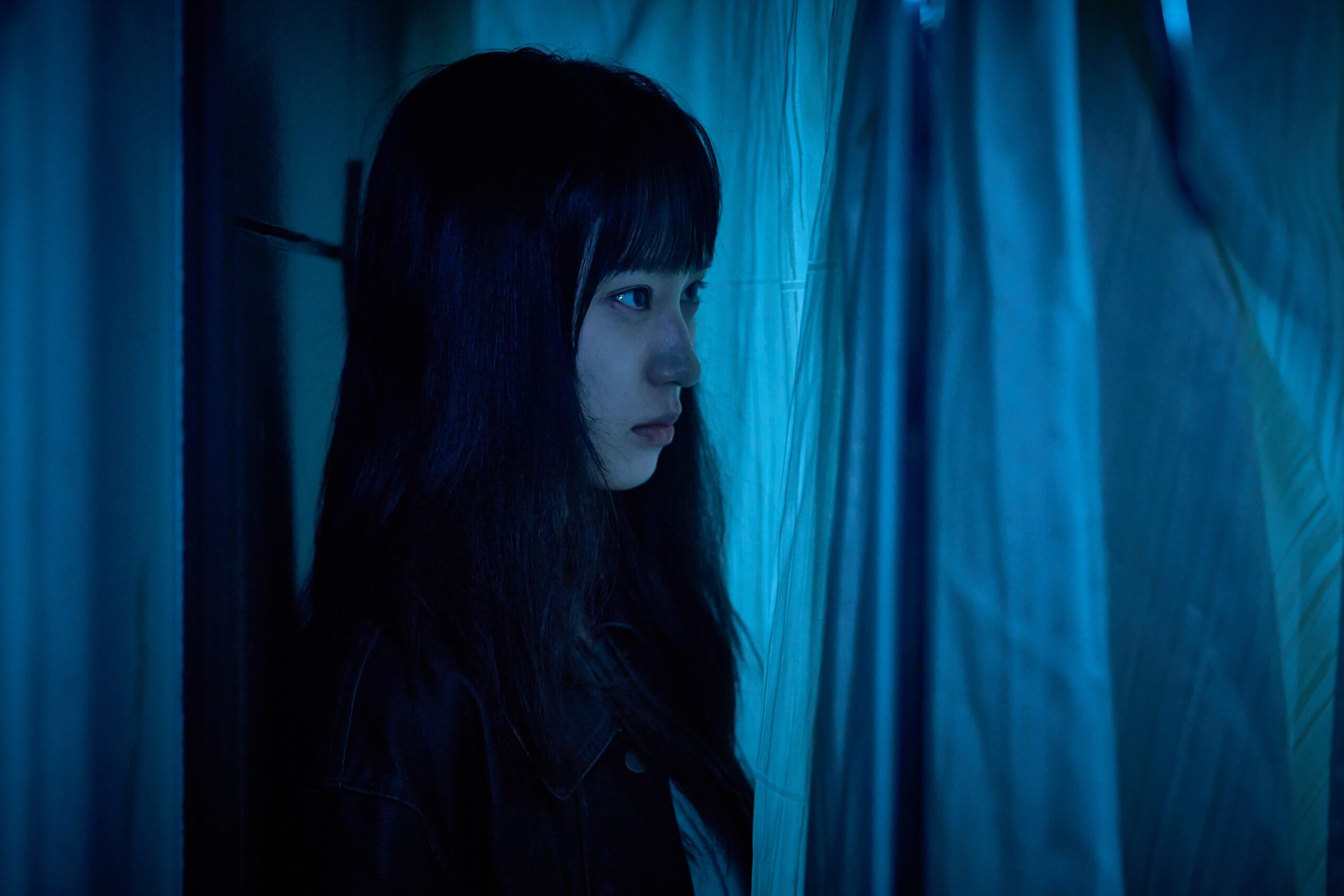
The choice of an abandoned psychiatric hospital as the primary setting is a stroke of narrative genius. It imbues the film with an immediate and potent horror atmosphere, while simultaneously serving to isolate the characters. This isolation gradually erodes their sense of control, amplifying their vulnerability. The introduction of "Warlords," another sensationalist web content creator group, injects a welcome adversarial element into the narrative. Their presence elevates the film beyond the internal disintegration of a single team, transforming the desolate asylum into a battleground. This clash between competing purveyors of fear and violence powerfully reinforces the film’s commentary on online rivalry, where the imperative to produce increasingly extreme content can become indistinguishable from self-destruction.
Shifting Alliances and Psychological Threads
The intricate group dynamics are among Killing Time‘s most potent narrative devices. As the livestream spirals into chaos, alliances fracture, distrust festers, and the characters’ positions within the unfolding drama shift. Yeun-woo’s arc is particularly noteworthy. While she eventually emerges as the protagonist, her significance stems not merely from her centrality but from her dynamic trajectory. She transitions from an active participant in the manufactured horror to a victim, and then back again towards a position of agency, blurring the lines of perpetrator and survivor. This constant repositioning provides the film with one of its most compelling psychological threads, even as the broader narrative succumbs to increasing chaos.
Narrative Inconsistencies and the Embrace of Brutality
Despite its thematic strengths, Killing Time is not without its imperfections. At times, the narrative falters, exhibiting moments of incoherence and illogical character transformations. The film’s eagerness to introduce continuous plot twists occasionally supersedes its need for internal consistency. While the constant element of surprise keeps the audience engaged, it also introduces a degree of instability that is not always conducive to the narrative’s overall effectiveness. Post a certain juncture, the plot appears to function primarily as a framework for visceral, bloody action rather than a fully cohesive storytelling mechanism.
However, when the film fully commits to its slasher identity, it does so with an impressive and unyielding brutality. The concluding act plunges headfirst into the slasher genre, delivering a barrage of bloody action that is as savage as it is visually arresting. This escalating violence provides the visceral energy the film has been building towards, and even as narrative coherence wanes, the satisfaction derived from genre conventions experiences a significant surge. The detached yet effective cinematography by Cho Eun-soo, coupled with the sharp editing of Kim Woo-il and Woo Hee-jeong, reaches its apex in these climactic sequences. The tension and urgency expertly crafted are among the film’s most commendable attributes. The generally brisk pacing aligns well with the story’s escalating intensity, although it does contribute to the occasional incoherence. Furthermore, the film might have benefited from a slightly leaner cast; at 83 minutes, several characters feel underdeveloped, a limitation that inevitably impacts the overall effectiveness of the performances.
Broader Implications and Future Prospects
Ultimately, Jang Jun-yeop’s Killing Time resonates most powerfully when it interrogates the uncomfortable symbiosis between online entertainment and the commodification of violence. Its astute commentary on livestream culture, the relentless pursuit of sensationalism, and the insatiable hunger for increasingly extreme content lends it a timely and compelling edge. The atmospheric setting of the abandoned hospital and the strategic inclusion of the Warlords as antagonists provide the robust genre elements that BIFAN audiences typically anticipate and appreciate. While the film encounters challenges in maintaining narrative coherence, and certain character developments feel abrupt, its raw brutality, atmospheric setting, and provocative central concept are robust enough to position it as a noteworthy entry in Korean horror. As a directorial debut, Killing Time signals a filmmaker with a clear vision, adept at exploring contemporary anxieties while simultaneously embracing the visceral pleasures of classic slasher cinema, even if the delicate balance between these two elements remains a work in progress. The film’s reception at BIFAN will undoubtedly provide further insight into its impact on the genre landscape and its potential to spark dialogue around the evolving nature of digital media and its ethical implications.