


A significant security breach involving Rockstar Games has resulted in the unauthorized release of approximately 192GB of internal data, offering an unprecedented look into the studio’s development history. The leaked files, which include portions of the source code for Grand Theft Auto 5, have confirmed long-standing rumors regarding abandoned downloadable content (DLC) and provided the earliest known glimpse into the developmental infancy of Grand Theft Auto 6. This incident represents the latest in a series of high-profile cyberattacks against the studio, raising critical questions regarding digital security, the preservation of game development history, and the shifting economic priorities that have defined the company’s output over the past decade.
Chronology of the Rockstar Security Breaches
The recent leak is not an isolated event but rather the latest chapter in a turbulent period for Rockstar Games. The studio has faced persistent attention from hackers and data miners since the initial hype cycle for Grand Theft Auto 5 began to wane.
In September 2022, Rockstar experienced its most infamous security failure when an individual gained unauthorized access to internal systems, leaking over 90 minutes of early, in-development footage of Grand Theft Auto 6. This breach was a watershed moment for the gaming industry, as it forced Rockstar to publicly acknowledge the status of the title while it was still in a rudimentary state.
Following that incident, the current 192GB leak appears to be a separate, broader repository of historical data. Forensic analysis by the gaming community suggests this data includes not only source code but also internal development tools, discarded mission scripts, and assets dating back to the mid-2010s. The inclusion of these files suggests that the data may have been exfiltrated during a series of intrusions that remained undetected for a significant period.
The Liberty City That Never Was
Perhaps the most compelling revelation within the leaked dataset is the existence of a high-fidelity Liberty City expansion for Grand Theft Auto 5. For years, players speculated that the iconic city—the primary setting of Grand Theft Auto 4—would eventually be integrated into the GTA 5 map.
Evidence found within the leaked files includes structural data for the city’s shoreline and infrastructure. Using tools such as CodeWalker, community members have reconstructed the geographic footprint of this cancelled project, revealing a version of Liberty City that was significantly more expansive than its appearance in the 2008 title. The existence of these files aligns with reports from a decade ago, when a Rockstar artist’s portfolio briefly featured a high-resolution screenshot of the city rendered within the GTA 5 engine.
While the project was clearly in an advanced stage of prototyping, it was ultimately shelved. Analysts suggest that the shift in Rockstar’s post-launch strategy—prioritizing the immense, recurring revenue generated by GTA Online—rendered the production of single-player expansions financially unfavorable. The "live service" model proved so lucrative that the development of dedicated story content became an opportunity cost the studio was unwilling to bear.
The "Agent Trevor" DLC and Shifting Priorities
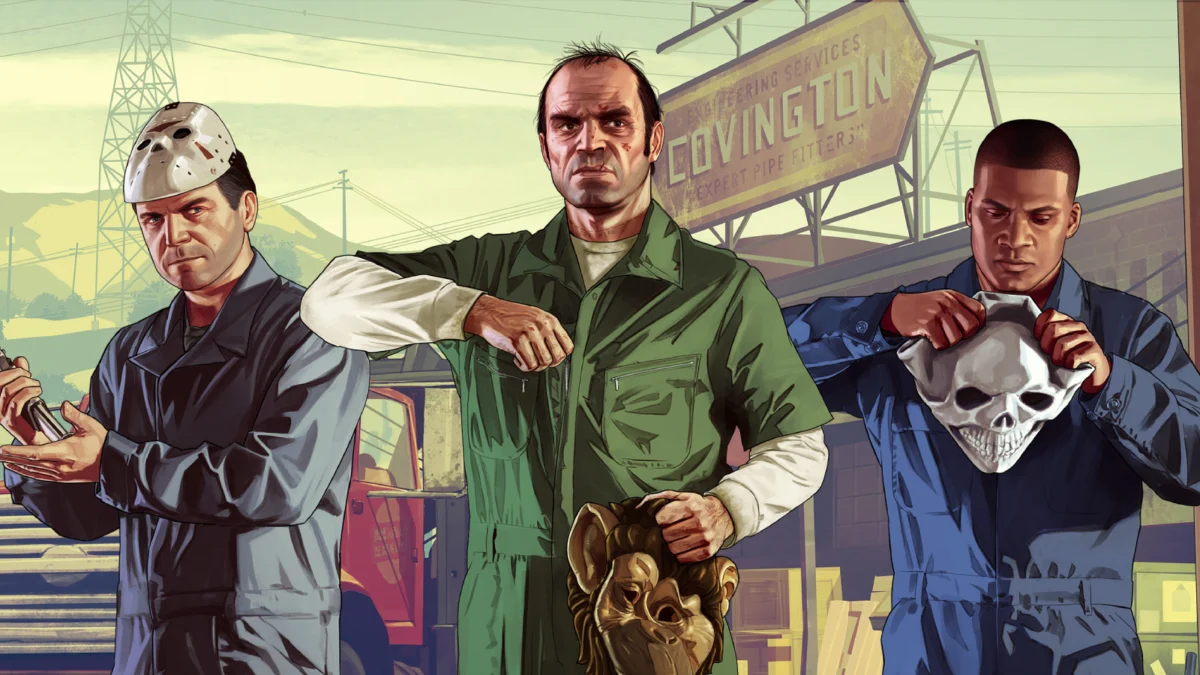
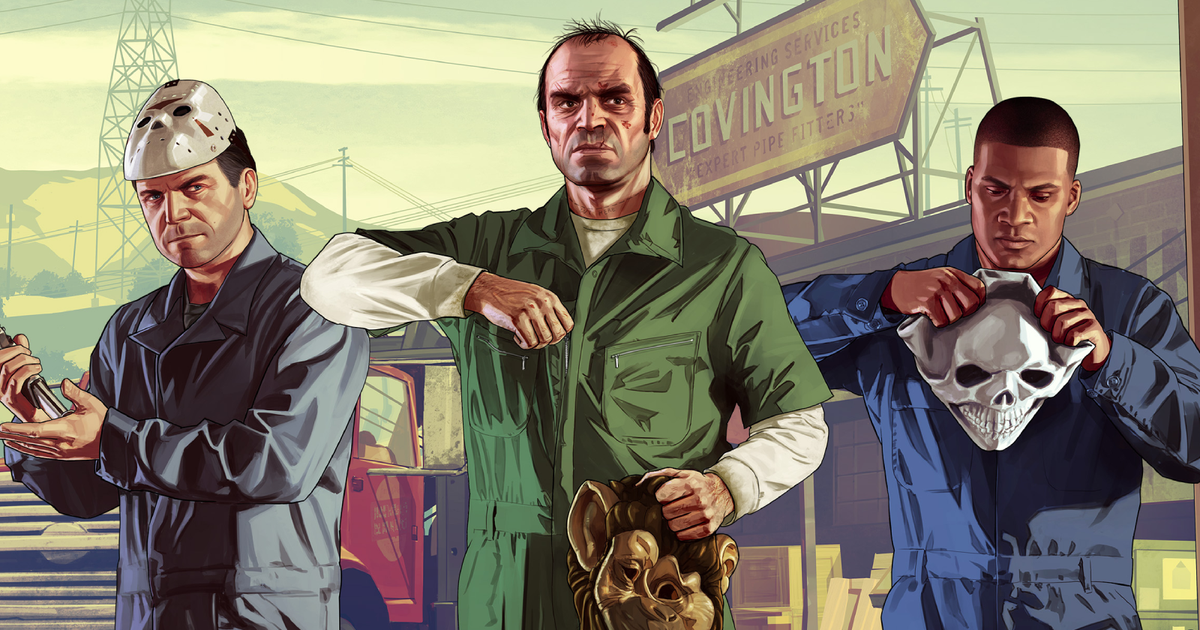
The leak also sheds light on the elusive "Agent Trevor" expansion. Trevor Philips, one of the three protagonists of the main campaign, was slated to star in a narrative-driven DLC that would have seen him operating as an undercover government operative in a plot involving international espionage and "James Bond-style" scenarios.
Steven Ogg, the actor who provided the voice and motion capture for Trevor, has previously confirmed that he participated in filming sessions for this specific content. The leak corroborates this, as researchers have identified files related to the mission structure and character animations for the project.
The cancellation of the Agent Trevor DLC serves as a definitive case study in the transition of the gaming industry toward service-based models. Joseph Rubino, a former senior camera artist at Rockstar, stated in previous interviews that internal teams were split between supporting the rapidly expanding GTA Online and working on planned DLC. As the success of the multiplayer component eclipsed initial projections, the studio opted to consolidate resources toward the online experience. The decision to abandon the story-based content was a strategic pivot that effectively ended the era of traditional single-player expansions for the studio, a move that many fans viewed with disappointment but which shareholders and executives justified through the lens of sustained profitability.
Technical Implications of the Leak
The leaked data is not merely a collection of narrative secrets; it is a repository of technical knowledge. The source code included in the 192GB dump provides a comprehensive look at the RAGE (Rockstar Advanced Game Engine) architecture as it existed during the transition between the PlayStation 3/Xbox 360 era and the PlayStation 4/Xbox One release.
For security researchers, the exposure of source code is particularly alarming. It allows malicious actors to study the underlying vulnerabilities of the engine, potentially facilitating the creation of sophisticated cheats, exploits, or malware targeting future titles. While Rockstar has implemented rigorous security updates in the years since the code was written, the release of such sensitive material poses a long-term risk to the integrity of their online environments.
Furthermore, the early GTA 6 files contained in the leak offer a window into the evolution of game development. These files show the iterative nature of building a modern open-world game, documenting the experimental phases of map design, engine tweaks, and scripting tools. While these early assets are largely non-functional in a consumer sense, they provide a valuable, if unauthorized, archive of the studio’s internal process.

Official Response and Industry Impact
Rockstar Games and its parent company, Take-Two Interactive, have historically maintained a policy of silence regarding leaks, focusing instead on legal enforcement to minimize the spread of stolen material. Following the 2022 breach, the company issued statements regarding their commitment to security and their disappointment that their work was shared in such a premature manner.
The industry at large remains on high alert. The frequency and scale of these breaches suggest that large-scale game developers are becoming primary targets for sophisticated cyber-attacks. This incident has reignited debates regarding the vulnerability of remote development environments, which became standard practice following the global pandemic. Protecting intellectual property while maintaining collaborative, flexible work environments is the primary challenge facing major studios today.
Broader Context and Legacy
The cancellation of the Liberty City DLC and the Agent Trevor project marks a definitive moment in Rockstar Games’ history. It symbolizes the point at which the company transitioned from a developer of prestige single-player experiences to a titan of the digital-service economy.
While the leaked files will undoubtedly be dissected by fans and data miners for years to come, the broader takeaway is the insight into the "what if" scenarios of video game history. The archives reveal a studio that was actively experimenting with expanding the world of Los Santos in ways that would have fundamentally changed the post-launch lifecycle of the game.
As Rockstar moves forward with the development of Grand Theft Auto 6, the company faces the dual challenge of meeting the immense expectations of a global fanbase while fortifying its digital infrastructure against further exposure. The leaks serve as a stark reminder that in an age of hyper-connectivity, the walls of the development studio are increasingly porous. Whether these revelations will lead to a change in corporate strategy remains to be seen, but the history contained within these files ensures that the development of one of the world’s most successful entertainment products will remain a subject of intense scrutiny and historical fascination.