



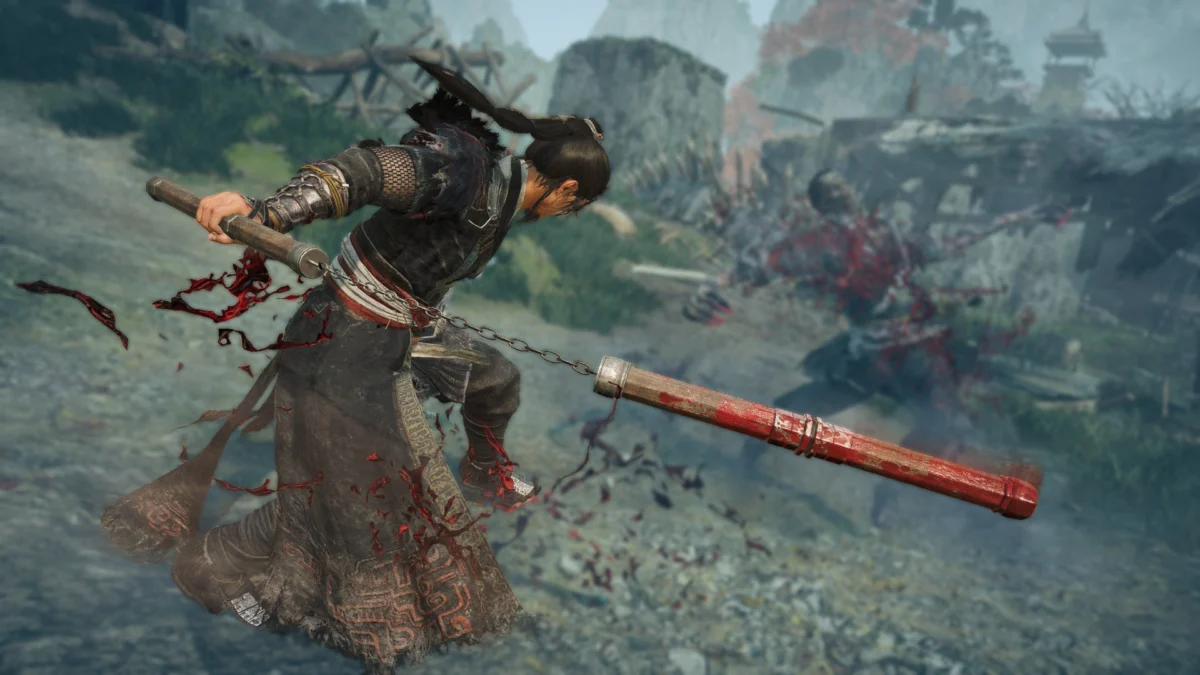
The original Wo Long: Fallen Dynasty, released in early 2023, was recognized by industry analysts and players alike as a significant entry in the "masocore" genre. It established a reputation for its parry-centric combat, which diverged from the traditional stamina-management systems prevalent in the Souls-like subgenre. Following the success of the first title, which sold over one million copies within its first month of release, Team Ninja has utilized the development cycle of its sister project, Ninja Gaiden 4, to redefine the mechanical boundaries of the Wo Long franchise.
Historical Context and Development Timeline
The trajectory of Team Ninja’s development roadmap provides essential context for the advancements seen in Wings of Ember. Since the conclusion of the Nioh series—which defined the studio’s output from 2017 to 2021—the developer has sought to iterate on its core mechanical strengths.
- 2023: Wo Long: Fallen Dynasty launches, introducing the "Morale" system and the deflection-heavy combat loop.
- 2024: Development of the sequel begins in tandem with the internal production of Ninja Gaiden 4, facilitating a cross-pollination of design philosophies.
- 2025: Team Ninja shifts focus toward implementing heightened aerial mobility and complex, multi-layered defensive requirements for enemy AI.
- 2026: The official reveal trailer debuts at the Xbox Games Showcase, highlighting the shift toward the "Wings of Ember" subtitle and expanded combat mechanics.
- 2027: The anticipated release year, marked by the rollout of public demos across PC, PlayStation, and Xbox platforms.
The integration of talent and engine optimization from the Ninja Gaiden development team has been a primary driver in the sequel’s increased focus on three-dimensional movement. Where the first game was often criticized for its relatively grounded, sometimes static approach to combat, Wings of Ember introduces a verticality that changes the rhythm of engagement.
Mechanical Evolution: Beyond the Deflection
The primary feedback regarding the original title concerned the potential for repetitive combat loops. While the deflection mechanic was praised for its satisfying risk-reward balance, critics noted that the gameplay could occasionally feel narrow. Wings of Ember addresses this by diversifying the required responses for various enemy types.
In the sequel, the "red glow" telegraph—the visual cue for an unblockable or special attack—is no longer merely a trigger for a standard deflection. Players must now discern between attacks that require a precise parry, those that demand a jump-based evasion or counter-attack, and those requiring a swift, manual dodge. This creates a "Simon Says" style of rhythmic engagement that demands higher dexterity.
A significant addition is the introduction of advanced counter-mechanics. By holding the R1/RB buttons in tandem with the deflection input, players can execute a "Critical Parry." This move features a tighter timing window but results in significantly higher stamina and health damage to the opponent. This system draws parallels to the "Burst Counter" mechanic seen in Nioh 2, yet it offers greater utility, allowing players to weave offensive flourishes into their defensive maneuvers.
Weaponry and Combat Depth
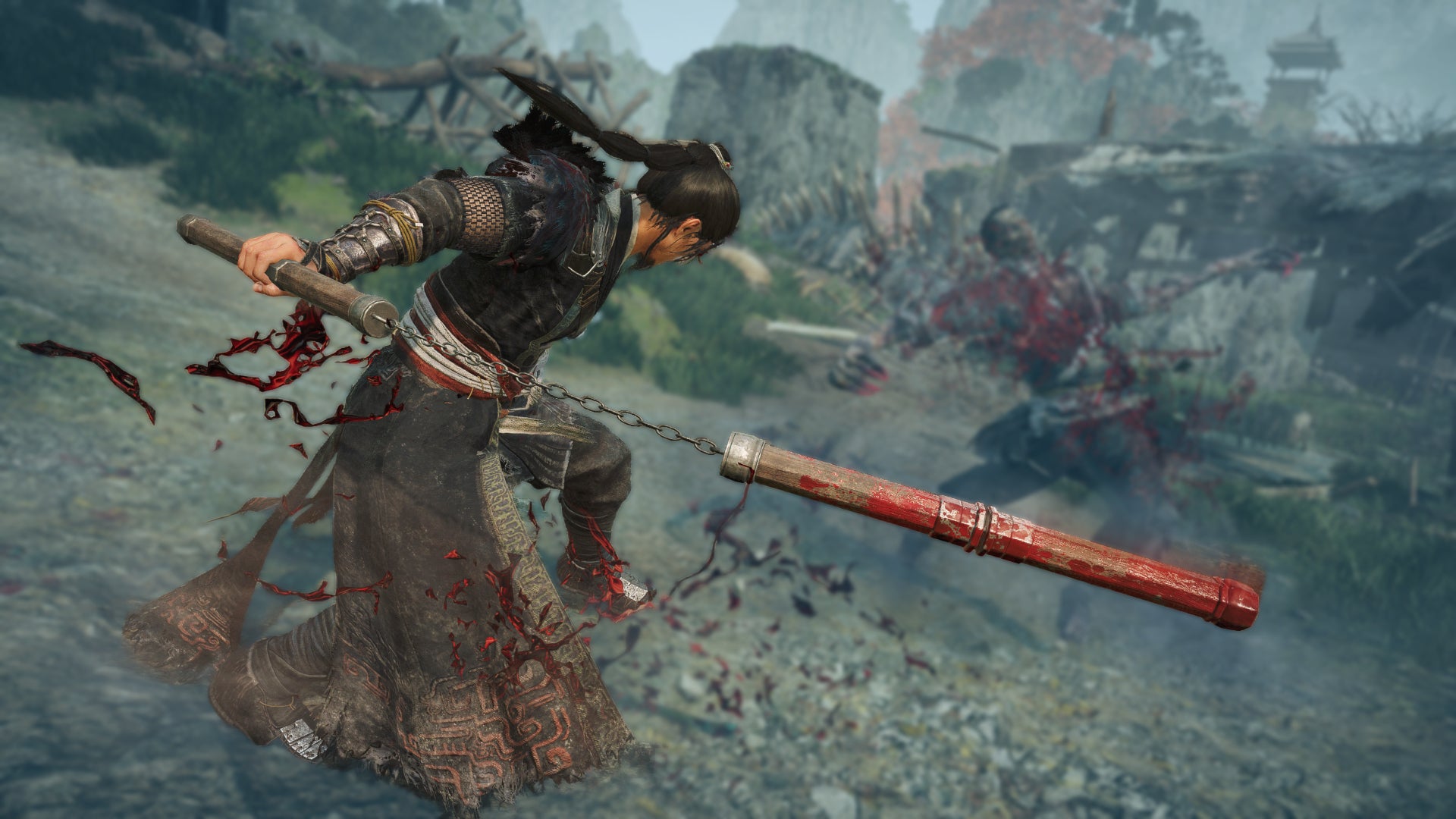
Team Ninja has refined its approach to weapon variety, drawing inspiration from the fighting game genre, specifically the legacy of the Dead or Alive series. Each of the six primary weapon classes—straight sabres, spears, staves, glaives, hammers, and jointed flails—functions with a distinct moveset that dictates the player’s combat cadence.
The inclusion of aerial chains allows players to modify ground-based attacks mid-combo. This innovation effectively forces players to treat the battlefield as a three-dimensional space. The ability to equip and customize unique Martial Art skills per weapon allows for a level of build-crafting that surpasses the previous title, positioning Wings of Ember as a bridge between the rigid tactical depth of Nioh and the high-octane, fast-paced action of Ninja Gaiden.
Level Design and Environmental Interaction
The structural design of the game world has undergone a parallel expansion. While previous titles often utilized linear, mission-based level structures, Wings of Ember adopts a more semi-open world architecture. This design philosophy, which shares DNA with the development of Nioh 3, encourages exploration through the placement of flags and environmental puzzles.
The "high gravity" feeling noted by players in the 2023 release has been replaced by a more responsive movement system. This shift allows for more sophisticated platforming challenges, which are no longer merely aesthetic but serve to reward players with better positioning and tactical advantages during combat. The verticality of the level design is intrinsically linked to the combat, as many of the new aerial-specific moves are required to navigate the environment and defeat elevated enemies.
Industry Implications and Market Position
The release of a comprehensive demo across major platforms indicates a high degree of confidence from the publisher and developer. By allowing players to test these systems ahead of the 2027 launch, Team Ninja is attempting to mitigate the potential learning curve associated with the increased difficulty.

Industry analysts suggest that the success of Wings of Ember will depend on how effectively the studio balances the high-skill requirements of its new combat system with accessibility for a wider audience. If the game manages to replicate the success of its predecessor while satisfying the hardcore contingent of the action-RPG community, it could solidify Team Ninja’s position as the primary authority on high-speed, technical action games.
The shift toward a more aggressive, momentum-based combat loop suggests that Team Ninja is moving away from the slower, more methodical "Soulslike" pace, opting instead to define its own subgenre. By emphasizing the "lethal ballet" of its combat, the studio is betting on the appeal of player mastery and the satisfaction of complex, high-risk performance.
Future Outlook
As the release date for Wo Long 2: Wings of Ember approaches, the focus for the development team remains on polishing the intricate interplay between the new aerial mechanics and the foundational deflection system. Early reports from those who have engaged with the demo suggest that the game is indeed more challenging than its predecessor, yet the increased agency provided by the revamped move-sets offers a more rewarding sense of progression.
For the studio, this release is more than just a sequel; it is an assertion of identity. By leaning into the expertise gained from decades of developing character-action titles and integrating it into the Wo Long framework, Team Ninja is signaling a new chapter. The implications of this development are significant, as they potentially set a new benchmark for technical combat systems in the action-RPG landscape, effectively raising the bar for the competition in the years to come. Whether Wings of Ember will redefine the genre remains to be seen, but the trajectory of its design suggests a studio operating at the peak of its creative confidence.