The global film community mourns the loss of Sam Neill, who passed away at the age of 78, leaving behind a remarkable legacy spanning over five decades of international cinema. Renowned for his rare ability to anchor massive studio blockbusters while seamlessly transitioning into challenging arthouse and horror projects, Neill defined an era of modern acting through understated intelligence, wry humor, and profound emotional authenticity. From battling dinosaurs on the silver screen to tending his organic vineyard in New Zealand, Neill cultivated a career marked by relentless versatility and a universally beloved public persona.
Chronology of a Distinguished Career
Sam Neill’s trajectory in the film industry began in the late 1970s, establishing a foundation that would eventually make him one of the most recognizable faces in global cinema. Born in Omagh, Northern Ireland, in 1947, Neill moved to New Zealand at a young age, where he developed his craft on stage and in regional television before breaking into international feature films.

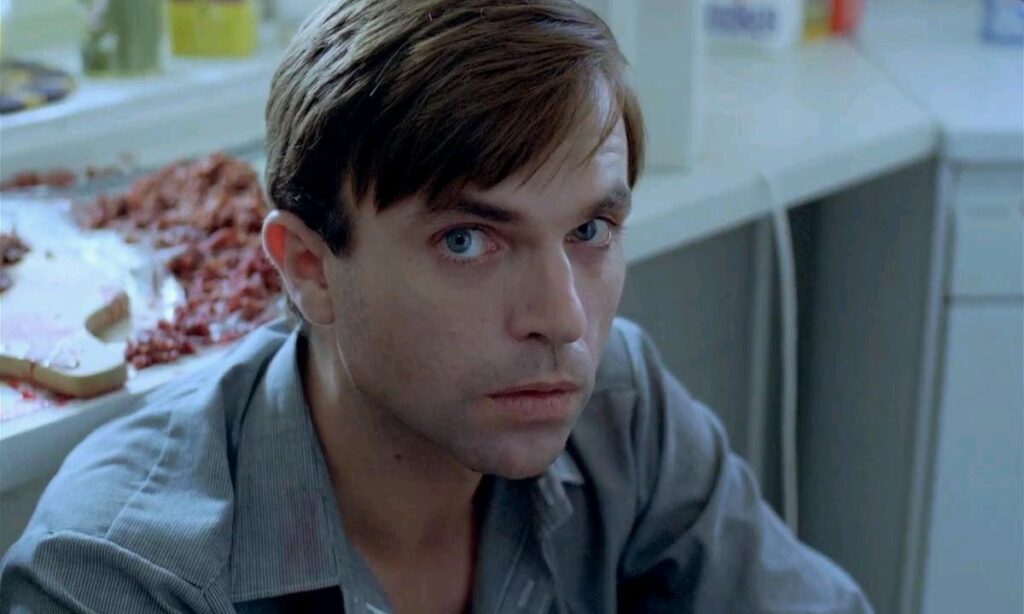
His breakthrough in global cinema arrived in 1981 with a pair of starkly contrasting horror features. First came Andrzej Żuławski’s psychological nightmare Possession, followed by his prominent role as the adult Damien Thorn in The Omen III: The Final Conflict. Recommended to the Omen production team by screen legend James Mason—who had spotted Neill in Gillian Armstrong’s celebrated 1979 Australian arthouse drama My Brilliant Career—this early exposure showcased Neill’s talent for embodying complex moral ambiguities. Throughout the 1980s, Neill continued to build a formidable resume, starring in critically acclaimed projects such as Fred Schepisi’s historical drama A Cry in the Dark (1988) opposite Meryl Streep, and Phillip Noyce’s tense maritime thriller Dead Calm (1989), which paired him with a young Nicole Kidman.
The 1990s cemented Neill’s status as an international household name. In 1993, he delivered his most iconic commercial performance as paleontologist Dr. Alan Grant in Steven Spielberg’s groundbreaking blockbuster Jurassic Park. The role established Neill as the definitive cinematic rationalist—a scientist forced to confront the impossible. He would later reprise the character in subsequent franchise entries, including Jurassic Park III (2001) and Jurassic World Dominion (2022).
Beyond commercial franchises, Neill maintained a fierce commitment to auteur-driven genre cinema. In 1994, he delivered a career-best performance in John Carpenter’s Lovecraftian psychological horror masterpiece In the Mouth of Madness, playing a cynical insurance investigator slowly unraveling in the face of cosmic dread. He followed this with another dive into sci-fi horror in Paul W.S. Anderson’s Event Horizon (1997), playing a brilliant scientist corrupted by a sentient spaceship.
Supporting Data and Industry Impact

Throughout his extensive filmography, which encompasses more than 150 film and television credits, Neill’s work consistently bridged the gap between commercial viability and critical prestige. He earned numerous accolades throughout his career, including multiple Logie Awards, AACTA Awards, and nominations from the Golden Globes and Primetime Emmy Awards.
Unlike many contemporary leading men who struggled to transition between high-budget studio spectacles and independent regional productions, Neill maintained a prolific output across multiple continents. His ability to elevate pulp material through absolute sincerity became a hallmark of his career. Film historians frequently cite his performances in The Piano (1993) and My Brilliant Career as masterclasses in restrained romantic tension, proving that his appeal extended far beyond genre tropes into high-art drama.
Furthermore, Neill’s contributions to national cinema extended behind the camera. In 1995, he codirected Cinema of Unease: A Personal Journey by Sam Neill, an acclaimed documentary exploring the history, psychology, and underlying anxieties of New Zealand filmmaking. The project underscored his deep commitment to fostering regional cinematic identity and interrogating the cultural landscapes that shaped his upbringing.
Official Responses and Tributes
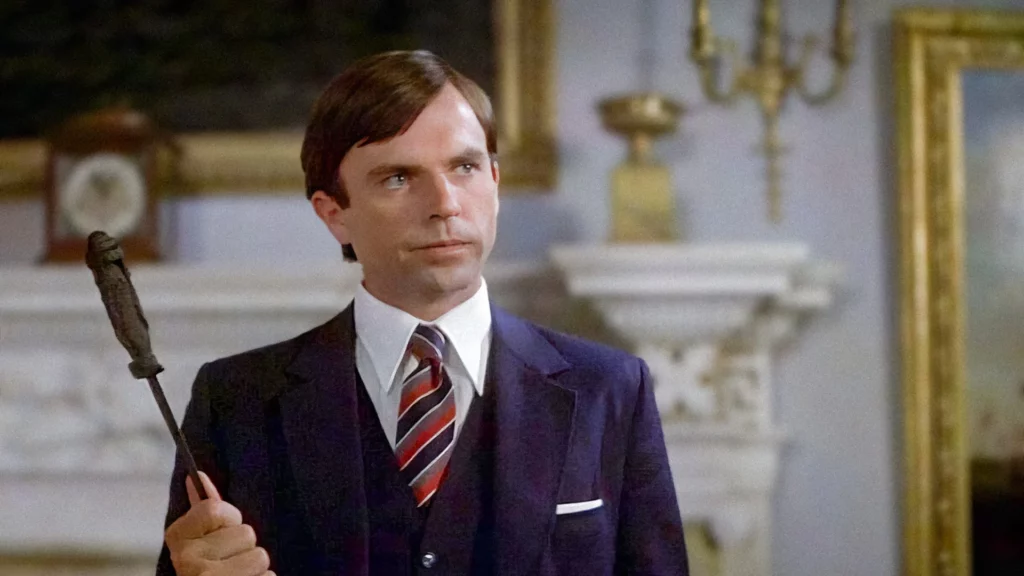
Following the announcement of his death, tributes poured in from legendary directors, co-stars, and cultural institutions worldwide, reflecting the profound respect he commanded within the industry.
Director John Carpenter, who collaborated with Neill on In the Mouth of Madness, shared a heartfelt tribute on social media, stating, "I’m heartbroken to hear about Sam. We made two movies together, and every day on set was a masterclass in professionalism, wit, and sheer dedication. The world has lost a remarkable actor, father, farmer, and friend."
Laura Dern, his co-star in Jurassic Park, remembered Neill’s unmatched generosity on set and his ability to ground fantastical narratives with genuine human warmth. Filmmakers and actors alike echoed these sentiments, frequently praising Neill not only for his talent but for his humility, quick wit, and fierce loyalty as a collaborator.
Beyond his artistic pursuits, Neill was widely recognized for his environmental activism, philanthropic efforts, and his second career as a dedicated vintner. Operating under the name TwoPaddocks—his acclaimed organic wine estate in Central Otago, New Zealand—Neill frequently shared his domestic life with followers, posting candid updates featuring his vineyards, farm animals, and signature self-deprecating humor. He famously stepped away from social media platform Twitter following its acquisition by Elon Musk in 2023, citing a desire to distance himself from an increasingly divisive digital climate.
Broader Implications and Cultural Legacy
Sam Neill’s passing marks the end of an era for a specific breed of classical screen actor—one capable of carrying a multi-billion-dollar franchise while remaining deeply grounded in regional storytelling, theater, and independent cinema.
In his later years, Neill approached his public health battles, including his 2022 diagnosis of angioimmunoblastic T-cell lymphoma, with characteristic candor and resilience. Refusing to let illness define his final chapters, he continued to work selectively in film and television while advocating for cancer awareness and medical research.
Ultimately, Neill’s legacy endures not merely through the box-office milestones of his blockbusters or the critical acclaim of his arthouse collaborations, but through the profound humanity he infused into every character he portrayed. Whether confronting ancient reptiles, cosmic horrors, or the quiet struggles of everyday life, Sam Neill remained a steadfast cinematic neighbor to audiences around the globe—an actor whose enduring body of work ensures his presence on the screen will resonate for generations to come.