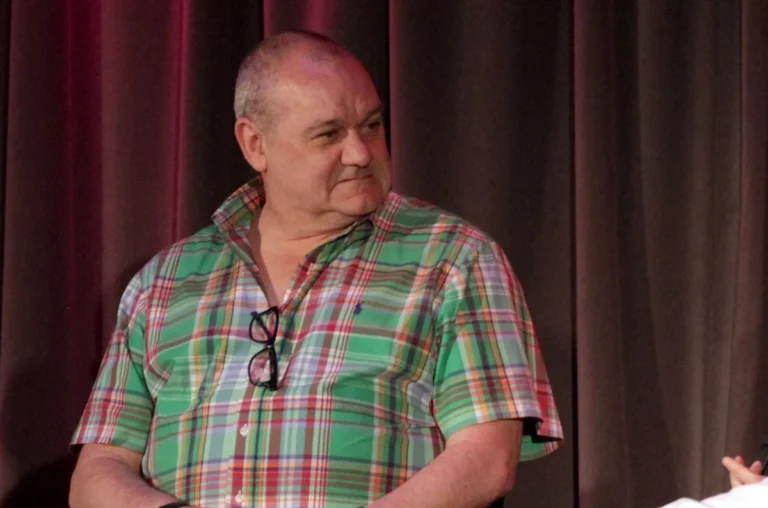


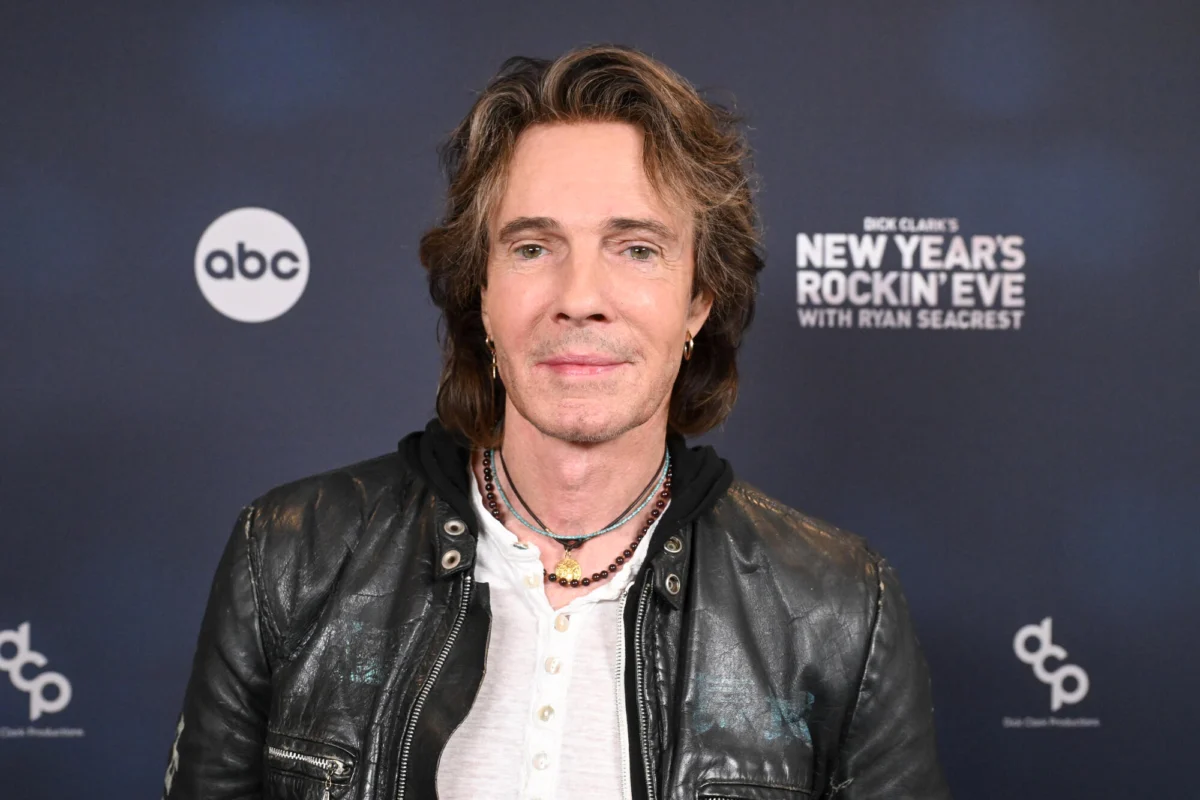
The enduring psychological weight of wartime combat was the central focus of a recent interview featuring Australian singer-songwriter and actor Rick Springfield. During an appearance on The Joe Rogan Experience, the 77-year-old musician reflected on a harrowing chapter from his youth, detailing a 1968 tour to entertain United States troops in Vietnam during which he became directly engaged in combat. Nearly six decades later, the Grammy Award-winning artist continues to grapple with the reality of having taken a human life at just 17 years of age.
The conversation sheds light on an obscure period of Springfield’s early life that occurred more than a decade before he achieved international stardom with his 1981 breakthrough album, Working Class Dog, and his signature Billboard Hot 100 number-one hit, Jessie’s Girl. By revisiting the events of 1968, Springfield provided listeners with a stark reminder of the unpredictable paths taken by artists who later entered the public spotlight, while highlighting the profound, generational impact of the Vietnam War on civilians and service members alike.
Chronology of a Wartime Incident
The events described by Springfield took place during the height of the Vietnam War, a period marked by intense military escalation and widespread social upheaval. In 1968, as a teenager touring with a band to boost the morale of deployed military personnel, Springfield traveled into active war zones.
According to Springfield’s account on the podcast and in his 2010 memoir, Late, Late at Night, the incident unfolded while he was staying at a Navy encampment situated near the coastal city of Da Nang. The base unexpectedly came under hostile fire, prompting defensive measures from the stationed troops. Caught in the chaos and possessing virtually no military training or comprehension of the geopolitical conflict unfolding around him, Springfield assisted in firing mortars from a defensive position.
The immediate aftermath offered little clarity to the young musician. It was not until the following day that military personnel informed Springfield that the trajectory of a mortar he had operated had resulted in the death of a Viet Cong fighter. At 17, the gravity of the situation failed to register immediately, overshadowed by the adrenaline and confusion inherent to active combat zones. However, as decades have passed, the psychological processing of that single moment has proven to be an enduring burden.
Reflections on Morality and Combat
During his conversation with Joe Rogan, Springfield articulated the persistent difficulty of reconciling his actions with his personal morality. Despite the wartime context and his youth at the time, the musician expressed a deep sense of remorse regarding his involvement in ending a life.
“I think it’s still there,” Springfield told Rogan, describing the immutable nature of the memory. He further noted the profound challenge of facing personal responsibility for a fatality, even under circumstances dictated by military defense. Beyond his own actions, Springfield recalled interacting with U.S. service members who displayed visible internal conflict regarding their deployment. He noted that many soldiers openly questioned the rationale behind the military campaign and their specific missions within Vietnam, reflecting the broader societal disillusionment that came to define the era.
Historical Context and the Vietnam Era
The year 1968 stands as one of the most tumultuous periods in modern history, particularly concerning the Vietnam War. Characterized by major engagements such as the Tet Offensive, which began in January 1968, the conflict saw intense urban combat and a significant escalation in casualties on all sides. The psychological toll on military personnel deployed during this era has been extensively documented by historians, sociologists, and medical professionals.
While civilian entertainers traveling to Vietnam were typically kept away from direct combat lines, the fluid and pervasive nature of guerrilla warfare frequently blurred the boundaries between safe rear-echelon areas and active battlefields. Springfield’s experience at the Navy encampment near Da Nang underscores the unpredictable danger faced by individuals who ventured into the theater of war, regardless of their non-combatant status. The inclusion of this narrative in his 2010 autobiography demonstrates that the memory remained a defining, if deeply troubling, milestone in his formative years.
Path to Stardom and Entertainment Career
The events in Vietnam occurred thirteen years before Springfield achieved mainstream commercial success in the United States. Having relocated from Australia and pursued various musical endeavors—including a stint with the rock band Zoot—Springfield experienced a career resurgence in the early 1980s.
In 1981, RCA Records released Working Class Dog, an album that propelled Springfield to international prominence. The project’s second single, Jessie’s Girl, became a massive radio and chart success, securing the top position on the Billboard Hot 100 for two consecutive weeks in September 1981. The track ultimately earned Springfield a Grammy Award for Best Male Rock Vocal Performance and remains his definitive musical signature.
Concurrently, Springfield established a successful acting career, joining the cast of the long-running ABC daytime soap opera General Hospital in 1981 as Dr. Noah Drake. His dual presence on the pop charts and television screens established him as a quintessential pop culture icon of the decade. Springfield continued his recurring television work across various capacities through 2014, while maintaining an active touring schedule as a legacy rock artist.
Broader Implications and Psychological Impact
Public disclosures by prominent figures regarding wartime trauma, even incidents occurring decades prior, contribute to a broader cultural understanding of post-traumatic stress and the psychological burdens carried by those touched by conflict. While Springfield was not a career soldier, his brief yet lethal exposure to combat at a highly impressionable age illustrates how violence can leave lasting psychological impressions across diverse populations.
Mental health professionals and veterans’ advocates frequently emphasize that unresolved wartime experiences can manifest long after the physical events have concluded. Springfield’s willingness to openly discuss the remorse and lingering shock associated with the 1968 incident highlights the complex interplay between fame, personal history, and the hidden emotional landscapes carried by public personalities. As the generation that lived through the Vietnam War ages, such personal accounts serve as vital primary documentation of the conflict’s human cost, extending far beyond official military histories and political analyses.