



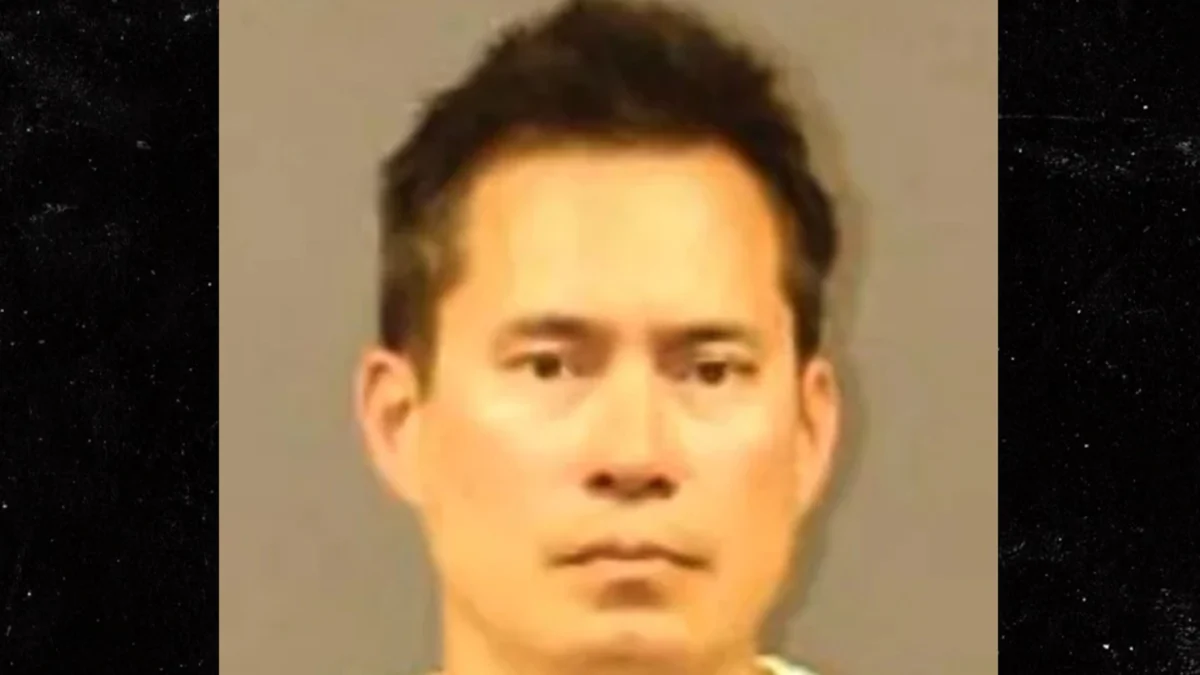
A Connecticut father is facing severe criminal charges after allegedly leaving his one-year-old son unattended in a vehicle under dangerous heat conditions, resulting in the tragic death of the infant. The incident, which has sent shockwaves through the local community, underscores the catastrophic dangers of vehicular heatstroke and highlights the rigorous legal scrutiny surrounding child neglect and endangerment cases in the state. Law enforcement authorities, child welfare advocates, and legal experts are continuing to analyze the circumstances surrounding the event as the judicial process unfolds.
The Investigation and Initial Response
According to official reports released by the East Windsor Police Department, the tragedy unfolded last month when dispatchers received an emergency call from Kevin Pell. The father reported that his infant son had been left inside a vehicle while the child was sleeping. Pell had reportedly gone to work on his family’s strawberry farm, leaving the one-year-old strapped into a car seat.
Upon returning to the vehicle, Pell allegedly discovered that the infant had turned blue and was unresponsive. Court documents and search warrants obtained by media outlets reveal alarming discrepancies in the statements Pell initially provided to emergency services. During the initial 911 call, the father reportedly confessed to the dispatcher that he "didn’t have the AC on" in the vehicle. However, when local law enforcement arrived at the scene, his account shifted, and he claimed that the air conditioning had indeed been running.
Forensic evaluations and investigative search warrants paint a grim picture of the vehicle’s interior environment. Investigators determined that the car was parked directly exposed to the sun, with all windows and the sunroof completely closed. Law enforcement officials concluded in court filings that the vehicle was "not habitable for the child," given the rapidly escalating temperatures inside a closed automobile under direct sunlight.
First responders arrived at the farm to find Pell actively performing cardiopulmonary resuscitation (CPR) on the infant. Police quickly took over life-saving measures before rushing the child to the Connecticut Children’s Medical Hospital. Despite the urgent medical intervention, the boy was officially pronounced dead shortly after arrival.
Legal Proceedings and Charges
Following the preliminary investigation, Kevin Pell was arrested and formally charged with risk of injury to a child, a serious felony under Connecticut law. Legal analysts note that given the fatal outcome of the alleged negligence, the scope of the prosecution could expand as grand jury reviews or further investigative findings are presented.

Pell made his initial appearance in court, where he did not enter a plea to the charges against him. He remains entangled in the judicial system and is scheduled to return to court next month for subsequent proceedings. Defense attorneys and prosecutors are expected to review comprehensive forensic reports, electronic communications, and witness statements as the case moves toward trial or potential plea negotiations.
The Broader Context of Vehicular Heatstroke
The tragedy in East Windsor adds to a sobering national statistic regarding vehicular heatstroke incidents involving children. According to data compiled by safety organizations such as KidsAndCars.org and the National Highway Traffic Safety Administration (NHTSA), hundreds of children have died nationwide over the past two decades from being left unattended in hot vehicles.
Safety experts emphasize that vehicular heatstroke can occur with terrifying speed, even on days that do not feel excessively hot to adults. Within minutes, the temperature inside a closed vehicle can rise by 20 degrees Fahrenheit, and cracking the windows provides negligible relief. For infants and toddlers, whose bodies regulate temperature at a significantly slower rate than adults, hyperthermia can become fatal within a remarkably short timeframe.
In agricultural and family-run business settings, where parents often attempt to balance demanding work schedules with childcare responsibilities, experts note that the risk of fatal distractions can increase. Changes in routine, sleep deprivation, and cognitive overload are frequently cited by behavioral scientists as contributing factors in inadvertent child abandonment cases, though investigators must still determine the exact nature and intent behind each specific incident.
Community Impact and Public Safety Implications
The East Windsor community has been deeply affected by the loss of the young life, prompting local officials and child safety advocates to reiterate warnings regarding vehicle safety. Public service announcements and community outreach programs frequently urge drivers to implement fail-safe habits, such as placing essential personal items—like a briefcase, purse, or employee badge—in the backseat next to a child seat, ensuring that the driver is forced to check the rear of the vehicle upon arrival at their destination.
As the legal proceedings against Kevin Pell continue to develop next month, the case serves as a grim reminder of the absolute vigilance required when transporting and supervising young children. The intersection of parental accountability, workplace demands, and child protection laws will undoubtedly remain at the forefront of this high-profile local tragedy as the courts seek a measure of justice for the young victim.