


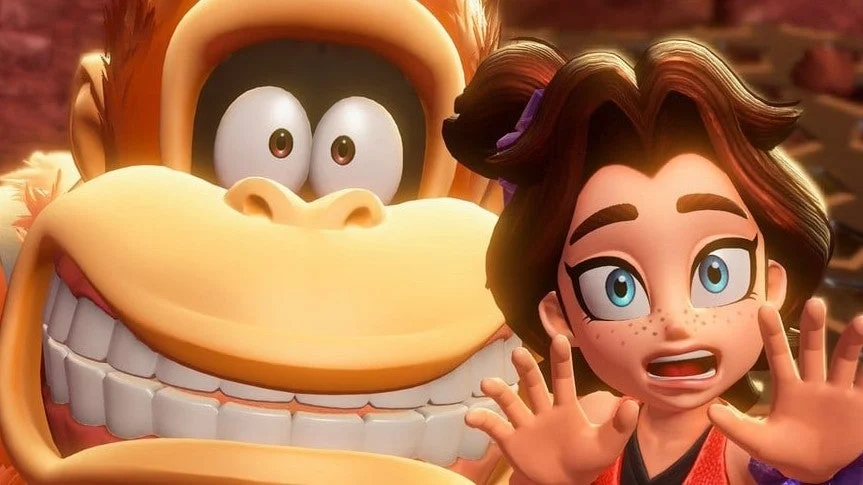
Nintendo of America has launched a massive promotional campaign dubbed the "Customer Appreciation Sale," yet the initiative has become the epicenter of a heated public relations and legal firestorm. The event, which promises significant discounts across its digital and physical retail channels, has drawn sharp criticism due to the company’s explicit admission that the promotion is partially funded by federal tariff-related refunds. This disclosure arrives at a precarious time for the gaming giant, which is currently embroiled in a high-stakes class-action lawsuit regarding its handling of those exact government rebates.
The situation has created a profound disconnect between the company’s marketing efforts and consumer sentiment. While Nintendo frames the sale as a gesture of goodwill toward its user base, critics and legal experts argue that the funds—which originated from duties paid on imported goods—should arguably have been returned to the consumers who ultimately bore the brunt of those costs through increased retail pricing.
A Chronology of the Tariff Dispute
The roots of this controversy trace back to the implementation of federal trade policies that imposed significant tariffs on electronics imported into the United States. In response to these shifting "market conditions," Nintendo of America, along with industry counterparts such as Sony and Microsoft, adjusted the pricing structures for their hardware and peripheral ecosystems.
Throughout the preceding year, Nintendo increased the retail price of various products. At the time, the company maintained that these adjustments were necessary to offset the financial burden imposed by the tariffs. Consumers, faced with the higher price points, largely absorbed these costs as part of the standard retail experience. However, when the federal government subsequently issued tariff refunds to companies that had overpaid or met specific exemption criteria, Nintendo opted to retain these funds rather than issue direct rebates to the customers who had purchased products during the period of inflated pricing.
The class-action lawsuit, which is currently moving through the judicial system, alleges that Nintendo’s retention of these refunds is an unfair business practice. Plaintiffs argue that the price hikes were explicitly tied to the tariffs, and therefore, the refund of those tariffs should equitably belong to the end-users. Nintendo has mounted a robust legal defense, asserting that the price at which a consumer purchased a product was the price they agreed to pay at the point of sale. The company maintains that customers received exactly what they bargained for—a functioning console or game—regardless of the underlying supply chain costs or subsequent government tax adjustments.
The Marketing Strategy and Public Reaction
The "Customer Appreciation Sale," scheduled to run from September 13 through September 26, 2026, features a broad range of titles and hardware peripherals. In its official announcement, Nintendo stated: "While Nintendo absorbed most tariff-related costs, the refunds helped make promotions like this one possible."
This specific phrasing has caused a significant backlash among industry analysts and the gaming community. Observers note that the framing is contradictory; by claiming they "absorbed" the costs, Nintendo suggests they took a financial hit, yet by linking the sale to the "refunds," they admit that the federal government provided a financial remedy.
Industry analyst Mat Piscatella, among others, has questioned the logic behind this corporate communication. On social media, critics have pointed out that if the funds were truly intended for "customer appreciation," a permanent reduction in pricing or a direct rebate program would have been a more transparent and equitable mechanism than a temporary promotional sale that requires consumers to spend more money to realize the benefit. The optics of asking customers to pay for games to "appreciate" them, using money that arguably originated from those same customers’ pockets, has been described by some as "tone-deaf" in the context of current economic pressures on household budgets.
The Broader Industry Landscape
Nintendo is not acting in a vacuum. The gaming industry has seen a unified front among the "Big Three" console manufacturers regarding the treatment of tariff-related refunds. Both Sony and Microsoft have similarly argued in legal filings that they hold no obligation to pass tariff refunds on to consumers.
The industry-wide consensus is that retail pricing is determined by a complex interplay of market demand, competition, and production costs, rather than being a direct pass-through of specific taxes or duties. From a corporate finance perspective, companies view these refunds as part of their general operating revenue, which can be deployed at the firm’s discretion—whether that be for research and development, shareholder dividends, or, as in this case, promotional sales.
However, legal experts suggest that the "Customer Appreciation" branding may inadvertently weaken the companies’ legal arguments. By explicitly linking the sale to the tariff refunds, Nintendo has created a narrative connection that plaintiffs in the class-action suit may leverage to demonstrate that the company itself views these funds as tied to the consumer experience, rather than as separate, unrelated corporate income.
Economic and Legal Implications
The outcome of the current litigation could have far-reaching implications for how multinational corporations handle government rebates in the future. If the courts rule in favor of the plaintiffs, it would set a precedent requiring retailers and manufacturers to be more transparent—and potentially more generous—when government policies fluctuate in ways that impact consumer costs.
Conversely, a victory for Nintendo would reinforce the principle of "freedom of contract" in retail. It would solidify the idea that once a transaction is completed, the seller is not obligated to retroactively adjust prices based on subsequent changes in the cost of goods sold or tax liabilities.
Furthermore, the economic impact of this sale is being monitored by retail analysts. While the sale may drive a temporary surge in unit sales and eShop traffic, the long-term impact on brand loyalty remains an open question. Nintendo has historically enjoyed a reputation for being a family-friendly, community-focused entity. If the public perceives that the company is attempting to "buy" its way out of a PR crisis with a sale funded by disputed money, it could result in a long-term erosion of consumer trust.
Moving Forward: The Consumer Perspective
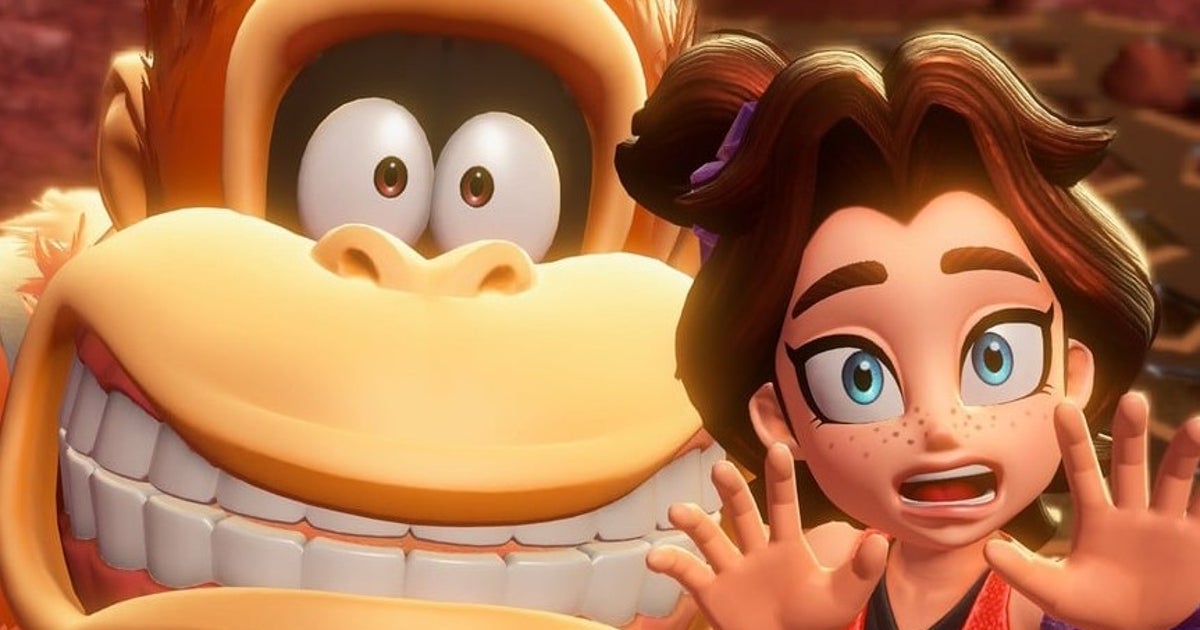
For the average Nintendo Switch owner, the immediate concern remains the affordability of software and hardware. During a time of persistent inflation in the tech sector, any discount on first-party titles is typically welcomed. Many consumers may choose to ignore the corporate controversy entirely, focusing instead on the practical benefit of acquiring titles like Super Mario Party Jamboree at a reduced price.
However, the discourse surrounding this event reflects a growing trend of consumer activism in the gaming space. Players are increasingly sensitive to the financial relationship between themselves and publishers. They are more likely to scrutinize the justification for price increases, especially when those increases are tied to specific political or economic events like international tariffs.
As the September 26 deadline for the sale approaches, all eyes will be on the sales figures and the continued progress of the class-action lawsuit. Nintendo’s attempt to pivot from a legal challenge to a promotional event highlights the delicate balance between managing corporate profitability and maintaining a positive relationship with a global user base. Whether this "Customer Appreciation" campaign serves as a successful mitigation strategy or as a catalyst for further consumer frustration remains to be seen, but it has undoubtedly solidified the debate over who truly owns the "refund" in the modern global economy.