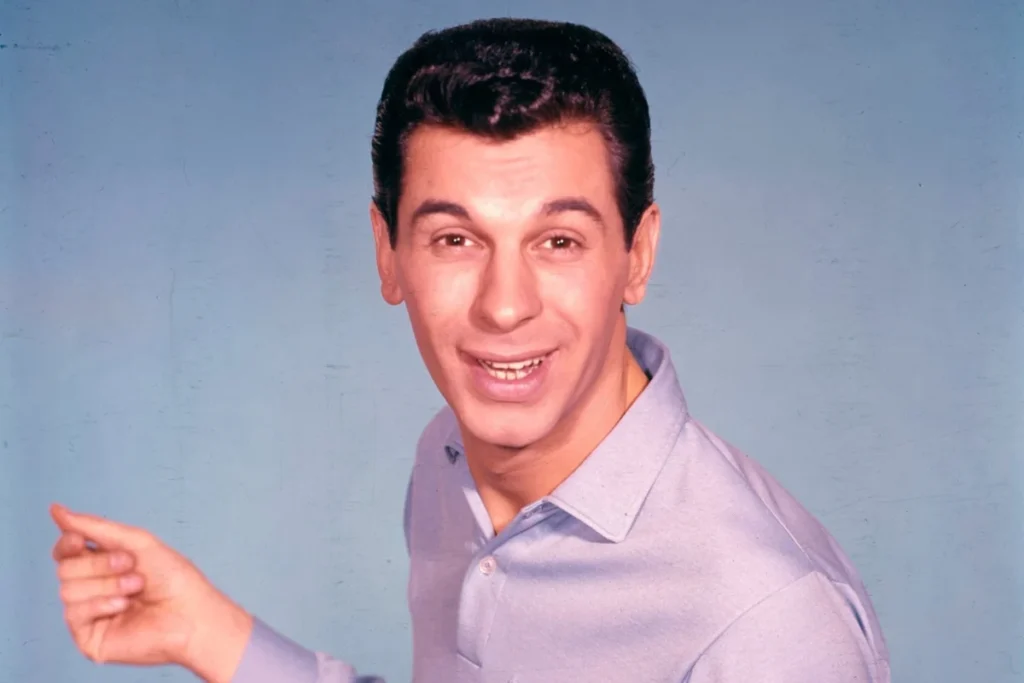



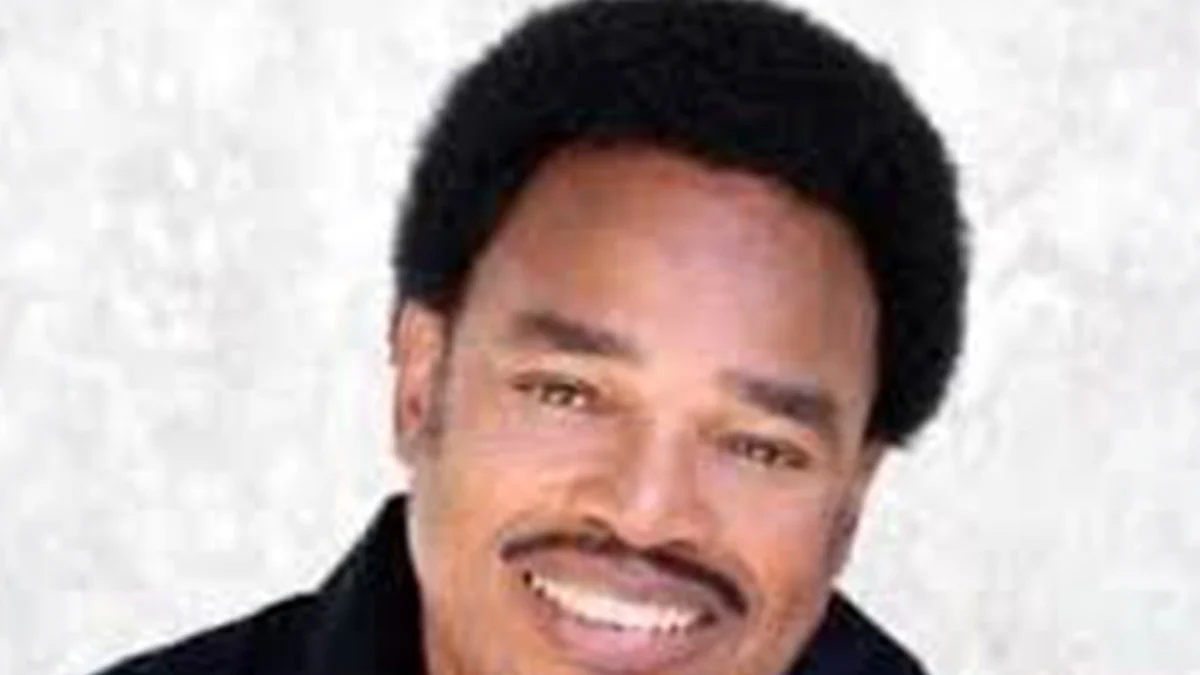
The music world is mourning the loss of Jim Gilstrap, the legendary vocalist whose distinctive voice graced some of the most enduring tracks of the 20th century. Gilstrap, celebrated for his uncredited but pivotal contributions to Stevie Wonder’s seminal "You Are The Sunshine of My Life" and for singing the iconic theme song to the beloved 1970s sitcom "Good Times," died on Saturday, July 18, 2026, in Los Angeles at the age of 79. His nephew, Geoffrey Gilstrap, confirmed the passing in a statement, noting that the veteran singer succumbed to natural causes. The specific medical details surrounding his death were not immediately disclosed, but his passing marks the end of a remarkable five-decade career that saw him become one of the most in-demand session vocalists in modern music history.
The Genesis of a Vocal Legend: Early Life and Career Beginnings
Born in the small town of Chattanooga, Tennessee, on November 2, 1946, Jim Gilstrap’s journey into music began steeped in the rich traditions of gospel and rhythm and blues that defined the American South. Like many aspiring vocalists of his era, Gilstrap honed his craft in local church choirs and community groups, developing a powerful yet versatile vocal range that would later become his trademark. His early musical experiences provided a solid foundation, allowing him to absorb diverse influences and refine his ability to blend seamlessly into various musical styles while maintaining a unique presence.
Recognizing the limitations of the local music scene for his ambitions, Gilstrap eventually made the pivotal move to Los Angeles, a burgeoning hub for music production in the mid-20th century. It was there, amidst the vibrant and competitive environment of the West Coast music industry, that he began to forge a reputation as a gifted and reliable session singer. In the 1960s and early 1970s, the demand for highly skilled backing vocalists was immense, as producers sought to add depth, texture, and emotional resonance to recordings across pop, soul, R&B, and rock genres. Gilstrap quickly established himself as a go-to talent, known not only for his vocal prowess but also for his professionalism and ability to quickly adapt to different musical arrangements and directorial visions. His early session work, often uncredited on album sleeves, laid the groundwork for a career that would see him collaborate with an astonishing array of musical titans.
The Sunshine of His Life: Collaborating with Stevie Wonder
One of the most significant chapters in Jim Gilstrap’s career, and arguably the one for which he is most widely recognized, was his profound collaboration with the legendary Stevie Wonder. In 1972, Wonder was in the midst of an unparalleled creative surge, crafting what would become a series of groundbreaking albums that redefined soul music and pop. Gilstrap’s voice became an integral part of this transformative period, most famously on the iconic track "You Are The Sunshine of My Life," from Wonder’s critically acclaimed album "Talking Book."
Gilstrap’s contribution to "You Are The Sunshine of My Life" is a testament to the power of a session vocalist’s role. He sang the memorable opening lines of the song, "You are the sunshine of my life / That’s why I’ll always be around," before Wonder himself took over the lead. These initial phrases, delivered with a warmth and sincerity that immediately captivated listeners, set the tender, joyous tone for the entire song. His vocal performance was not merely a technical execution but an emotional anchor, perfectly complementing Wonder’s vision. The song became an instant classic, soaring to the top of the Billboard Hot 100 and earning Stevie Wonder a Grammy Award for Best Male Pop Vocal Performance in 1974. Gilstrap’s uncredited yet unmistakable presence was a crucial element in the song’s enduring appeal and commercial success.
Beyond "Talking Book," Gilstrap’s talents were further enlisted for other pivotal albums during Wonder’s "classic period," including "Fulfillingness’ First Finale" (1974), "Wonderlove" (an album by Wonder’s backing band, featuring his involvement), and the immensely influential "Innervisions" (1973). On these albums, Gilstrap contributed to the rich tapestry of backing vocals, harmonies, and occasional lead phrases that became synonymous with Wonder’s sophisticated sound. His ability to seamlessly blend with and elevate Wonder’s intricate arrangements cemented his reputation as a master of his craft, demonstrating the profound impact a skilled session musician can have on the artistic integrity and commercial viability of a record.
"Good Times": A Voice That Defined a Generation
While his work with Stevie Wonder garnered critical acclaim and widespread recognition within the music industry, Jim Gilstrap’s voice reached millions more through his performance of the theme song for the popular 1970s sitcom "Good Times." The show, which premiered in 1974, depicted the struggles and triumphs of the Evans family, an African-American family living in a Chicago housing project. It quickly became a cultural touchstone, known for its groundbreaking portrayal of working-class Black life and its catchy, empowering theme song.
Gilstrap’s powerful and soulful rendition of the "Good Times" theme, with its memorable lyrics about "keeping your head above water" and "temporary lay-offs," became an instant earworm and an anthem for resilience. The song perfectly encapsulated the show’s blend of humor, drama, and social commentary. For many, his voice became inextricably linked to the optimism and spirit of the Evans family, even if they didn’t know the name behind the vocals. The theme song’s popularity ensured that Gilstrap’s voice became a permanent fixture in American pop culture, transcending his role as a session singer to become a recognized and beloved sound for an entire generation. His ability to convey both hardship and hope through his singing made the theme song resonate deeply with audiences, further solidifying his legacy beyond the confines of album credits.
Solo Success and Charting Hits
Despite his extensive and successful career as a session vocalist, Jim Gilstrap also carved out a notable solo career, demonstrating his versatility as a frontman. In 1975, he released his debut solo album, "Swing Your Daddy," which spawned two significant hit singles: the title track, "Swing Your Daddy," and "I’m On Fire." "Swing Your Daddy" proved to be a substantial success, climbing into the Top 10 on the Billboard R&B Singles chart and also making a respectable showing on the Billboard Hot 100, reaching the Top 40. "I’m On Fire" also enjoyed considerable airplay and chart success, further establishing Gilstrap as a solo artist capable of delivering catchy, soulful tunes that resonated with a broad audience.
His solo work often showcased a more direct, funk-infused R&B sound, distinct from some of the more intricate arrangements of his session contributions. These tracks highlighted his commanding lead vocals and his ability to convey emotion with an undeniable swagger. Following the success of "Swing Your Daddy," Gilstrap released a second solo album, "Love Talk." While perhaps not reaching the same commercial heights as his debut, "Love Talk" further explored his artistic range and continued to garner critical appreciation for his vocal prowess and songwriting contributions. His solo endeavors provided a platform for him to step into the spotlight and showcase the full breadth of his talent, proving that he was not just a supportive voice but a compelling artist in his own right.
The Unsung Hero: A Five-Decade Legacy as a Versatile Session Vocalist
Jim Gilstrap’s true legacy, however, lies in his unparalleled five-decade career as one of music’s most prolific and versatile session vocalists. The list of artists he collaborated with reads like a who’s who of music royalty, a testament to his exceptional talent, adaptability, and the trust that legendary producers and musicians placed in his abilities. His voice could be heard behind or alongside:
- Quincy Jones: The iconic producer and arranger, known for his meticulous ear and demand for excellence, frequently enlisted Gilstrap, indicating the high regard in which he was held.
- Michael Jackson: Contributing to the King of Pop’s recordings, Gilstrap played a role in shaping the sound of some of the most successful albums in history.
- Aretha Franklin: The Queen of Soul herself, a vocalist of unmatched power and emotion, chose Gilstrap to complement her divine voice.
- Whitney Houston: One of the greatest voices of all time, Houston’s recordings benefited from Gilstrap’s masterful backing.
- Anita Baker, James Ingram, George Benson, Bill Withers, Gladys Knight, Luther Vandross, Patti LaBelle, Kenny Loggins, Dolly Parton, and Teddy Pendergrass: This expansive list demonstrates Gilstrap’s extraordinary range, allowing him to contribute to R&B, soul, pop, gospel, and even country-tinged projects.
The role of a session vocalist, though often operating outside the glare of mainstream celebrity, is absolutely crucial to the sonic landscape of popular music. These "unsung heroes" are the architects of harmonies, the providers of rhythmic vocal textures, and the emotional embellishments that transform good songs into great ones. Gilstrap’s consistent presence on albums across such a diverse spectrum of genres and artists underscores his reputation as a "vocal chameleon" – an artist capable of seamlessly integrating into any musical context while maintaining impeccable pitch, timing, and soul. His work behind the scenes helped to define the sound of multiple eras, making him an indispensable figure in the annals of music production. He was a master of his craft, elevating every project he touched, often without the mainstream recognition he deserved.
Tributes and Lasting Impact
While immediate widespread public tributes from his vast network of collaborators are anticipated to emerge in the coming days, the initial statement from his nephew, Geoffrey Gilstrap, offers a poignant glimpse into the family’s grief and pride. The music community, particularly those who understand the vital role of session musicians, is expected to remember Jim Gilstrap as a foundational talent whose contributions were immense, even when not prominently credited. His passing serves as a reminder of the countless gifted individuals who work tirelessly behind the scenes to create the music that shapes our lives.
Jim Gilstrap’s legacy is multifaceted. He will be remembered not only as the distinctive voice that opened one of Stevie Wonder’s most beloved songs and powered a classic TV theme, but also as a successful solo artist and, perhaps most importantly, as one of the most reliable and gifted session vocalists of his generation. His voice is etched into the fabric of popular music, a constant presence across decades of iconic recordings. His ability to adapt, his unwavering professionalism, and his undeniable talent made him a truly indispensable figure. As the world reflects on his remarkable career, it is clear that Jim Gilstrap’s influence will continue to resonate, ensuring that the "sunshine of his life" – his voice and his music – will always be around. He leaves behind an indelible mark on the soundscape of contemporary music, a testament to a life dedicated to the art of vocal performance.