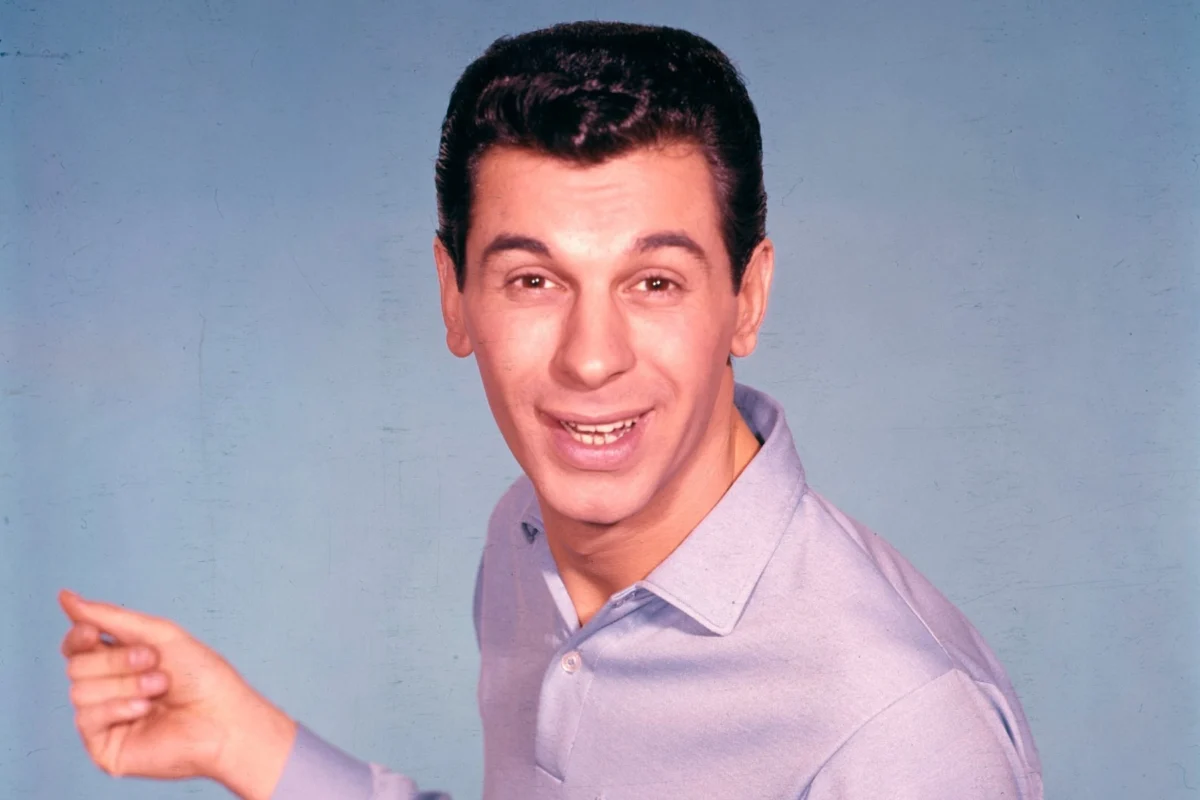
Freddy Cannon, a dynamic force on the pop radio landscape of the late 1950s and early 1960s, whose energetic performances and catchy tunes earned him a place in the pantheon of early rock and roll artists, passed away on Friday, July 17, at a hospice facility in California. He was 89 years old. His death followed a brief battle with cancer, as confirmed by his longtime friend, Tom Cuddy of iHeart Radio. Cannon’s children, Conny and Billy, were by his side in his final days.
Cannon, born Frederick Anthony Picariello Jr. on December 4, 1936, in Revere, Massachusetts, rose to prominence with a sound characterized by its robust rhythm and his signature energetic delivery. He achieved significant chart success, landing three top 10 hits on the Billboard Hot 100: "Tallahassee Lassie," which peaked at No. 6 in 1959; "Way Down Yonder in New Orleans," a rock and roll rendition of a classic tune that reached No. 3 in 1960; and "Palisades Park," another chart-topper that also hit No. 3 in 1962. His energetic stage presence and the powerful bass drum sound on his recordings led to his popular nickname, "Boom Boom."
A Career Defined by Chart Success and Enduring Appeal
Cannon’s musical journey began in the burgeoning rock and roll scene of the late 1950s. His early recordings quickly caught the attention of audiences and critics alike, solidifying his status as a rising star. "Tallahassee Lassie," co-written with Bob Crewe and Frank Slay, became an instant hit, showcasing Cannon’s ability to craft infectious melodies and deliver them with undeniable enthusiasm. Bob Crewe would later be inducted into the Songwriters Hall of Fame in 1985, a testament to the caliber of songwriting Cannon collaborated with.
His rendition of "Way Down Yonder in New Orleans," a song with roots dating back to 1922, proved to be a significant international success. Beyond its No. 3 peak on the Billboard Hot 100, the track also reached the same position on the Official UK Singles Chart. This international acclaim was further underscored by the success of his album, The Explosive! Freddy Cannon, which soared to No. 1 on the Official UK Albums Chart in March 1960. This achievement placed Cannon among an elite group of early rock and roll artists to top the UK album charts, joining the ranks of Bill Haley & His Comets, Elvis Presley, and Tommy Steele.
A Lasting Presence on "American Bandstand" and Beyond
Freddy Cannon’s connection with Dick Clark’s iconic television show, American Bandstand, was particularly noteworthy. He reportedly holds the record for the most appearances on the program, with an astounding 110 visits. This consistent presence cemented his image as a reliable and exciting performer for a generation of television viewers. His association with Clark extended beyond American Bandstand, as he scored a top 15 hit on the Hot 100 in 1965 with "Action," the theme song from Clark’s daily ABC-TV series, Where the Action Is. This song captured the zeitgeist of the mid-1960s and further solidified Cannon’s relevance in the evolving music landscape.
Throughout his career, Cannon accumulated a total of 23 entries on the Billboard Hot 100 between 1959 and 1981. Interestingly, his first name was spelled "Freddie" instead of "Freddy" on four of these chart hits, including the popular "Way Down Yonder in New Orleans." His final appearance on the Hot 100 came in 1981 with "Let’s Put the Fun Back in Rock N Roll," a collaboration that featured The Belmonts, the renowned backing group for Dion.
Early Life and Influences
Born Frederick Anthony Picariello Jr. in Revere, Massachusetts, Cannon was raised in Lynn, Massachusetts. His early life in New England provided the backdrop for his musical aspirations. In his late teens, he and his wife, Jeanette, relocated to Philadelphia on the advice of Dick Clark. This move was pivotal, as it placed him at the epicenter of the burgeoning American rock and roll television scene, with Clark’s American Bandstand broadcast from the city.
Cannon’s musical influences were drawn from the foundational artists of rock and roll. He had the opportunity to work alongside many of the era’s most influential musicians, including Chuck Berry, Fats Domino, Little Richard, Chubby Checker, Jerry Lee Lewis, Bo Diddley, Connie Francis, and Brenda Lee. His television performances were not limited to American Bandstand; he also graced the stages of other popular music programs of the time, such as Shindig, The Midnight Special, Hullabaloo, Where the Action Is, and Sha Na Na.

A Legacy of Enduring Music and Cultural Impact
The impact of Freddy Cannon’s music extended far beyond his chart successes. His songs have been featured in numerous films, underscoring their lasting appeal. Notable examples include George Clooney’s 2002 directorial debut, Confessions of a Dangerous Mind, which explored the life of Chuck Barris, the writer of "Palisades Park." More recently, his music was featured in the 2011 blockbuster X-Men: First Class.
The enduring quality of his hits is further evidenced by the numerous cover versions recorded by other prominent artists. "Tallahassee Lassie" was reinterpreted by Jan & Dean on their 1963 album Surf City and Other Swingin’ Cities, and later by The Peter Green edition of Fleetwood Mac on their 1995 album Live at the BBC. Even The Rolling Stones included their version of the song on a 2011 re-release of their classic 1978 album Some Girls.
"Palisades Park" also found new life through covers by influential artists. The Beach Boys included it on their 1976 album 15 Big Ones, and Ramones featured it on their 1989 album Brain Drain. Shelley Fabares and Gary Lewis & the Playboys also contributed to the song’s continued presence in popular music by including it on their respective Billboard 200-charting albums.
"Way Down Yonder in New Orleans" has been a consistent favorite among musicians, with covers by artists such as Pete Fountain, Jan & Dean, and Merle Haggard. Harry Connick Jr. performed the song in 2005 on A Concert for Hurricane Relief, a televised fundraiser that highlighted its timeless appeal.
The cultural significance of Cannon’s music even resonated with literary figures. Renowned author Stephen King, a self-proclaimed fan, once wrote, "On a Webcor turntable growing up I played my 45s by Elvis, Chuck Berry and Freddy Cannon." King’s appreciation for Cannon’s work was such that he mentioned the artist’s music in four of his published books, a testament to the deep impression Cannon made on a generation of listeners.
A Life Dedicated to Music
Even in his later years, Freddy Cannon remained dedicated to his passion for music. He was reportedly working on new material at his home in Oxnard, California, up until his passing. This continued creative engagement speaks to his lifelong love affair with the art form.
In 2011, Cannon collaborated with author Mark Bego to publish his autobiography, titled Where the Action Is, further sharing his life story and experiences within the music industry.
Family and Tributes
Freddy Cannon is survived by his children, Conny and Billy; his sister, Mary Lou; his son-in-law, Jim; and daughter-in-law, Beth. He is also survived by five grandchildren and seven great-grandchildren. He was preceded in death by his wife and high school sweetheart, Jeanette, who passed away on September 25, 2024, and his son, John, who died on April 13, 2026.
His daughter, Conny Weber, shared a heartfelt tribute: "We would like to thank everyone for their love and support throughout our dad’s life. He will be remembered as a rock and roll icon. His music will live forever in our hearts." This sentiment reflects the enduring legacy of an artist who brought joy and energy to countless lives through his music. Freddy Cannon’s "Boom Boom" sound will continue to reverberate through the annals of rock and roll history.