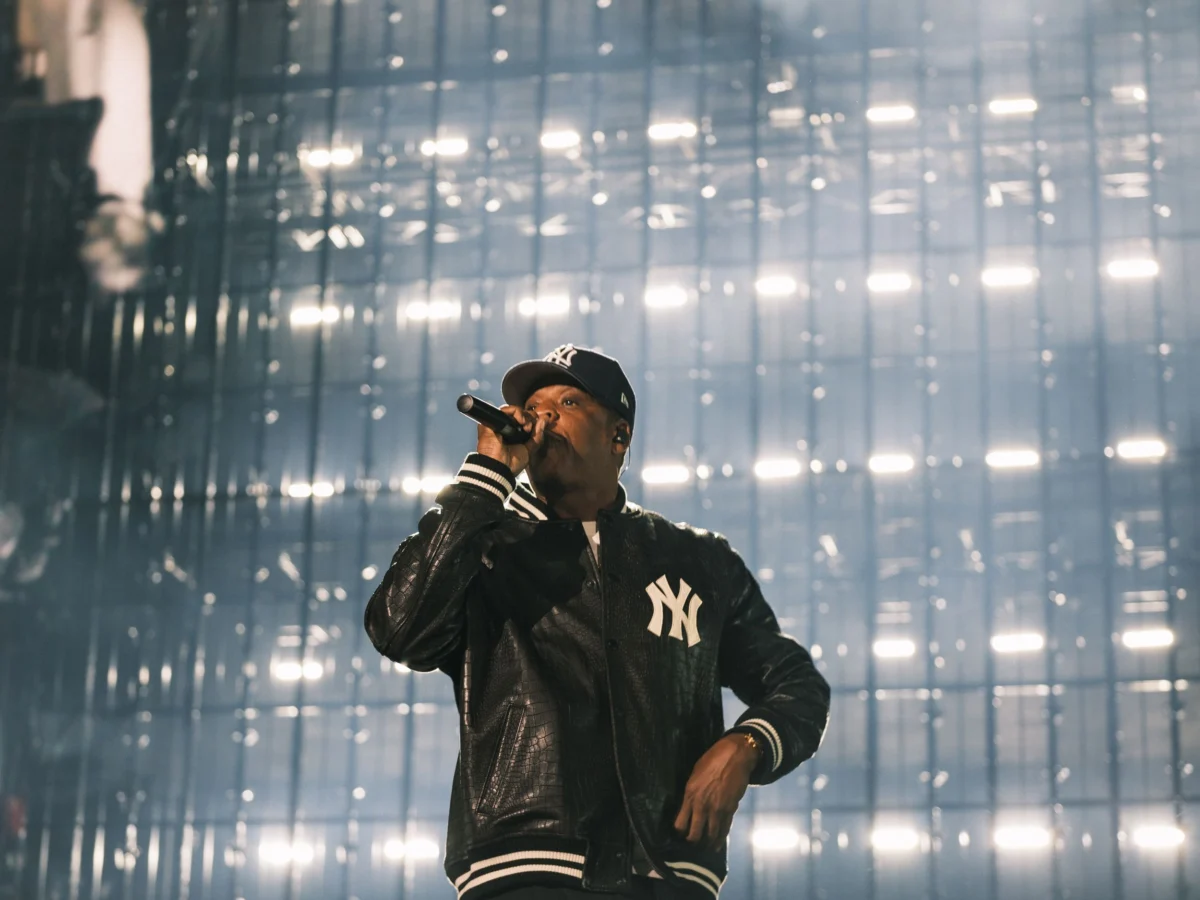
The intersection of legacy, urban identity, and stadium-scale production reached a new pinnacle this weekend as Shawn "Jay-Z" Carter concluded a historic three-night residency at Yankee Stadium. Designed to commemorate the anniversaries of two foundational pillars of his discography—1996’s Reasonable Doubt and 2001’s The Blueprint—the event served as more than a concert; it was a cultural coronation in the heart of the Bronx. Despite the massive scale of the venue, the production leaned into a philosophy of restraint, prioritizing narrative and intimacy over the pyrotechnic spectacles typically associated with modern stadium tours.
A Vision of Minimalist Grandeur
When conceptualizing the visual language for a celebration of Jay-Z’s career, creative director Willo Perron opted for a "less is more" approach. Perron, whose portfolio includes the high-concept "flying car" and floating horseshoe sets for Beyoncé’s Cowboy Carter tour, intentionally stripped away the traditional artifice of stadium performances. "I think the statement piece in a Jay-Z show is Jay-Z," Perron noted, emphasizing that the focus remained on storytelling rather than theatrical props.
The stage design was anchored by a colossal 2,952-square-foot screen spanning the outfield, which served as a digital canvas for archival footage from Jay-Z’s early days in Brooklyn and Manhattan. This massive backdrop provided the only major visual embellishment to an otherwise bare stage. To bridge the gap between the performer and the 45,000-strong nightly crowd, Perron incorporated bleachers on either side of the stage. This feature allowed a selection of hardcore fans to sit effectively "on stage," a design choice inspired by the crowded, high-energy atmosphere of legendary New York clubs like The Tunnel, where Jay-Z built his reputation in the mid-1990s.

Opening Night: A Convergence of Legends
The residency’s opening night on Friday was a masterclass in musical curation. Accompanied by a 10-person band and an 18-piece string section, Jay-Z navigated a two-hour setlist that balanced technical lyricism with stadium-sized anthems. The evening was punctuated by high-profile guest appearances that underscored the rapper’s deep ties within the industry and his own family.
One of the most resonant moments occurred when Beyoncé took the stage to perform the chorus of "Can’t Knock the Hustle," originally recorded by Mary J. Blige. The performance was followed by a historic appearance from Nas, Jay-Z’s former rival turned collaborator. The duo performed "Dead Presidents," a track that famously sampled Nas’s "The World Is Yours," bringing a decades-long arc of New York hip-hop history full circle.
The stage also welcomed the next generation of the Carter legacy, as Blue Ivy Carter joined her father to play keyboards on "Feelin’ It." The appearance of Jaz-O, Jay-Z’s early mentor, further emphasized the theme of heritage. These appearances were not merely cameos but were integrated into a seamless chronological narrative of Jay-Z’s ascent from the Marcy Houses to billionaire mogul status.
Technical Logistics and Field Preservation
Executing a three-night residency at Yankee Stadium during the height of the Major League Baseball season presented significant logistical hurdles. Scott Krug, the New York Yankees’ Chief Financial Officer, detailed the precision required to transform a "sacred" baseball diamond into a concert hall without damaging the playing surface.

Because the Yankees are scheduled to host the Los Angeles Dodgers just days after the residency, protecting the Kentucky bluegrass was the primary concern. The team utilized polypropylene panels, specifically designed with flat undersides to prevent soil compaction, to cover the outfield seating areas. Furthermore, no vehicles were permitted on the diamond itself.
Perron turned these restrictions into a design opportunity. The infield diamond was covered with a specialized vinyl-mesh material that served a dual purpose: protecting the grass and acting as a secondary projection screen. During the performances, this mesh displayed live feeds and abstract visuals, effectively turning the entire field into an immersive extension of the stage.
The stadium’s location within a dense urban environment also required a "just-in-time" delivery schedule for equipment. With no expansive parking lots for staging, delivery trucks had to be coordinated with minute-by-minute precision to ensure a continuous workflow without obstructing Bronx city streets.
Data and Market Demand
The financial and cultural demand for the residency exceeded initial projections. Originally announced as a two-night event covering Friday and Saturday, a third show—dubbed "Extra Innings"—was added for Sunday after the first two dates sold out in record time.

"The tickets sold as quickly for this event as any that I’ve ever seen," Krug stated. While official revenue figures have not yet been released, industry analysts suggest the three-night run likely grossed in the tens of millions, given the premium pricing and the 135,000 total attendance across the weekend.
The event also benefited from a massive multi-platform marketing campaign. In the weeks leading up to the shows, Jay-Z partnered with Spotify for a New York City subway takeover and collaborated with the Brooklyn Public Library on limited-edition "JAY-Z30" library cards. A pop-up shop in Dumbo, located in the same warehouse featured in the "Dead Presidents" music video, further bridged the gap between the artist’s past and his current commercial dominance.
The Broader Cultural Context: A New York Summer
The residency arrived at a moment of intense cultural activity in New York City. The city is currently navigating a post-pandemic resurgence of "IRL" (In Real Life) experiences, marked by the Knicks’ recent NBA championship victory and preparations for the upcoming 2026 World Cup.
Jay-Z’s "Empire State of Mind" has become the de facto anthem of this era, played alongside Frank Sinatra’s "Theme from New York, New York" at victory parades and civic celebrations. The residency tapped into this collective local pride, positioning Jay-Z as the primary musical architect of the city’s identity.

The shows also highlighted a growing trend in the music industry: the move toward "authenticity" and human-centric performance in the face of rising artificial intelligence. A recent survey by the Royal Philharmonic Orchestra indicated that 78 percent of audiences believe live performance is an area where human creativity remains irreplaceable by AI. Jay-Z’s stripped-back production, focused on live instrumentation and raw vocal delivery, appeared to validate this sentiment.
Sociological Analysis: The Billionaire vs. The People
The residency also sparked conversations regarding Jay-Z’s unique position in the American social hierarchy. As both a product of the Brooklyn housing projects and a billionaire businessman, his relationship with his hometown is complex.
Isra Ali, a professor of media, culture, and communication at NYU Steinhardt, observed that the "NYC summer" of 2026 has been characterized by a tension between the public and the city’s ultra-wealthy residents. From debates over Taylor Swift’s rental of Madison Square Garden to the push for affordable World Cup jerseys by local politicians, the city is grappling with its own gentrification.
Jay-Z addressed this tension directly from the stage. "They said I sold out," he told the crowd during his opening set. "Hell yeah, I sold out. Three nights. Yankee Stadium." The statement was both a boast of commercial success and a reclaim of his status as a local hero who beat the odds. By focusing on the narratives of Reasonable Doubt and The Blueprint—albums that detail the struggle for economic mobility—he successfully reconnected with a fanbase that views him as a symbol of aspiration rather than just another distant mogul.

Legacy and Implications
As the final notes of "Empire State of Mind" faded on Sunday night, the residency left a lasting impact on how heritage acts approach stadium tours. By eschewing the "ostentatious" in favor of the "authentic," Jay-Z and Willo Perron demonstrated that the most powerful tool in a venue of 45,000 people is a clear, human-centric narrative.
For the New York Yankees, the success of the event reinforces the stadium’s viability as a premier global concert venue, albeit one that requires extreme technical discipline. For the fans, it was a rare opportunity to witness a chronological retrospective of an artist who rarely looks backward.
The residency proved that even in an era dominated by digital snippets and viral TikTok moments, the collective experience of a live, hometown performance remains the gold standard of cultural relevance. Jay-Z did not just play Yankee Stadium; he utilized it as a monument to the endurance of New York’s hip-hop soul.