
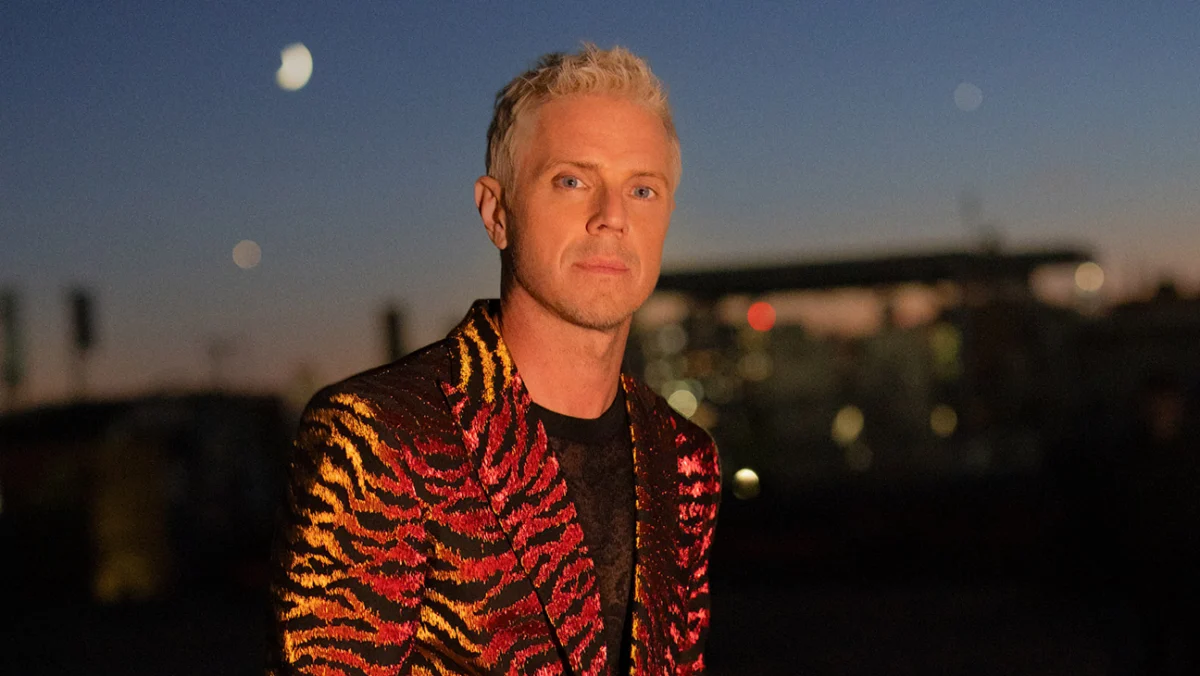
Jake Shears, the acclaimed frontman of Scissor Sisters, is set to play a pivotal role in bringing a critical, yet often overlooked, piece of LGBTQ+ history to a wider audience, joining the film Tinderbox as a producer. The project aims to illuminate the tragic events of the 1973 Up Stairs Lounge fire, an incident that stands as the deadliest mass murder of LGBTQ+ people in American history until the Pulse Nightclub shooting in 2016. Shears’ involvement extends beyond his producing duties, as he will also contribute music from his solo albums, Jake Shears and B-Sides, to the film’s soundtrack, adding a unique musical dimension to the narrative.
A Historic Tragedy Reexamined: The Up Stairs Lounge Fire
The film Tinderbox is an adaptation of Robert Fieseler’s seminal 2018 book, Tinderbox: The Untold Story of the Up Stairs Lounge Fire and the Rise of Gay Liberation. Fieseler’s meticulously researched work brought renewed attention to a tragedy that, for decades, remained largely marginalized in public consciousness. The Up Stairs Lounge, a popular gay bar located on the second floor of a three-story building at 141 Chartres Street in New Orleans’ French Quarter, became the site of an horrific arson attack on June 24, 1973. On that Sunday evening, a diverse group of patrons—including local residents, tourists, and members of the Metropolitan Community Church (MCC), an affirming denomination with a significant LGBTQ+ following—had gathered for a social event. At approximately 7:56 PM, a fire was deliberately set at the bottom of the bar’s wooden staircase, the primary exit. The flames rapidly engulfed the lounge, trapping dozens inside. Tragically, 32 people lost their lives in the inferno, either succumbing to smoke inhalation and burns or dying from falls while attempting to escape through barred windows.
The perpetrator of the arson was widely believed to be Rodney P. Ritter, a troubled drifter and former patron of the lounge who had been ejected earlier that evening after a dispute. While Ritter confessed to acquaintances and was questioned by police, he was never formally charged, and he died by suicide a year later. The lack of official closure further compounded the pain and frustration of the victims’ families and the LGBTQ+ community.
Societal Response and Lingering Trauma
The immediate aftermath of the Up Stairs Lounge fire was marked by a profound lack of empathy and official indifference, a stark contrast to how similar mass casualty events involving heterosexual victims were typically handled. New Orleans city officials and national media outlets offered minimal public statements or condolences. Many local churches refused to hold funerals or memorial services for the victims, forcing the MCC to step forward and provide solace and remembrance. The stigma surrounding homosexuality meant that some families refused to claim the bodies of their loved ones, fearing public exposure and shame, leading to difficulties in identification and proper burial. Some victims were buried in unmarked graves or in Potter’s Field. This societal neglect and overt discrimination underscored the perilous existence of LGBTQ+ individuals in 1970s America, highlighting how their lives were devalued and their tragedies often dismissed. The fire served as a devastating illustration of the deep-seated prejudice and systemic marginalization that characterized the era, contributing to a sense of isolation and reinforcing the need for the nascent gay liberation movement to fight for recognition and basic human dignity.
Robert Fieseler’s Groundbreaking Research
Fieseler’s Tinderbox book meticulously chronicles not only the events of the fire but also delves into the lives of the victims, the struggles of their families, and the broader social and political climate that shaped the response to the tragedy. His work brought to light individual stories that had been buried by shame and indifference, giving voice to those silenced by the flames and societal prejudice. The book contextualized the fire within the larger narrative of the gay liberation movement, demonstrating how, despite the initial suppression of its memory, the incident inadvertently fueled calls for greater visibility, acceptance, and protection for LGBTQ+ communities across the nation. By providing a comprehensive account, Fieseler’s book became an essential historical document, ensuring that the victims and the lessons of the Up Stairs Lounge fire would not be forgotten.
Jake Shears: A Musical and Producing Force
Jake Shears, renowned for his flamboyant stage presence and infectious disco-pop anthems with Scissor Sisters, brings a unique artistic sensibility and personal connection to the Tinderbox project. His decision to join as a producer underscores a commitment to amplifying marginalized histories and contributing to the cultural dialogue surrounding LGBTQ+ rights. Shears, a New Orleanian himself, shares a geographical and cultural connection to the setting of the tragedy, which, as the filmmakers noted, played a serendipitous role in the creative synergy behind the project.
The inclusion of music from his solo albums, Jake Shears (2018) and B-Sides (2019), is particularly significant. His music, often characterized by its celebratory yet sometimes melancholic undertones, its exploration of identity, and its roots in dance and cabaret, resonates deeply with themes of resilience, community, and self-discovery that are central to the Tinderbox narrative. This musical contribution will undoubtedly add an emotional layer to the film, allowing audiences to connect with the story on a visceral level, as the filmmakers themselves discovered. Shears’ recent acting role in Pillion also demonstrates his expanding artistic versatility, making his move into film production a natural progression for an artist who has consistently championed LGBTQ+ visibility throughout his career.

The Vision of Filmmakers Colby Holt and Sam Probst
The film adaptation is helmed by the writing and directing duo Colby Holt and Sam Probst. The filmmakers previously gained recognition for their independent horror movie Ganymede, which explored themes of identity and desire through the story of a wrestler developing a crush on his openly gay classmate. This prior work demonstrates their capacity to navigate complex emotional landscapes and bring nuance to LGBTQ+ narratives, making them well-suited to tackle the sensitive and historically significant subject matter of Tinderbox.
The genesis of Shears’ musical involvement arose from a remarkable coincidence. Holt and Probst revealed that they were listening to Shears’ albums, Jake Shears and B-Sides, while simultaneously immersing themselves in Fieseler’s Tinderbox. They quickly realized an uncanny connection. "The more we listened, the more we started to think that Jake’s songs and lyrics related to different characters and scenes in Robert’s book," the duo stated. They further elaborated on this profound synchronicity: "Jake and Robert are both New Orleanians, and we feel since these two works were created in this same city, during the same time period, they must have just been in the air together and somehow we picked up on the tune." This observation highlights a powerful, almost mystical, resonance between the separate creative endeavors, suggesting that the spirit of New Orleans and its unique cultural fabric may have intrinsically linked the artists’ expressions. This organic connection bodes well for a film that seeks to capture the soul of a city and a community scarred by tragedy.
A Dedicated Production Team
The project is moving forward with the support of Cory Thompson, who is producing through his company, Rewind Artists. Thompson, known for his work on the 2024 thriller Barron’s Cove, expressed his enthusiasm for Tinderbox, aligning it with Rewind Artists’ mission. "Tinderbox is exactly the kind of project we’re passionate about developing at Rewind Artists—stories that are both artistically ambitious and culturally significant," Thompson stated. He lauded Fieseler’s book as "extraordinary" and praised Holt and Probst’s vision for the adaptation, emphasizing his immediate desire to help bring the film to life. Thompson views Shears’ involvement as a significant enhancement, stating that it "strengthens an already incredible creative team," and expressed eagerness to continue building the project collaboratively.
The creative team is represented by prominent agencies within the entertainment industry. Colby Holt and Sam Probst are represented by Rewind Artists, indicating a strong foundational partnership. Jake Shears is represented by WME and Fascination Management, reflecting his established presence across music and acting. Robert Fieseler, the author whose work forms the bedrock of the film, is represented by UTA, further signaling the high-caliber talent associated with this production. This robust representation underscores the industry’s recognition of the project’s potential and its cultural importance.
The Power of Adaptation: From Page to Screen
The transition of Tinderbox from a critically acclaimed book to a feature film holds significant implications for how this crucial historical event will be understood and remembered. While Fieseler’s book meticulously documented the fire and its context, a cinematic adaptation possesses the unique ability to reach a vastly broader and more diverse audience. Film’s visual and auditory nature can evoke empathy and understanding in ways that text alone sometimes cannot, translating historical facts into deeply resonant human experiences.
By bringing the stories of the victims, the struggles of the survivors, and the societal failures of the time to the screen, Tinderbox has the potential to become a powerful educational tool. It can serve as a poignant memorial to the 32 individuals who perished, ensuring their lives and their deaths are honored and understood within the larger narrative of LGBTQ+ civil rights. Furthermore, the film can highlight the enduring relevance of the Up Stairs Lounge fire, drawing parallels between past prejudices and ongoing challenges faced by the LGBTQ+ community, even decades later. The choice to adapt such a sensitive and impactful story demonstrates a commitment to historical accuracy and cultural significance, positioning the film not just as entertainment but as an important social commentary.
Cultural Significance and Contemporary Resonance
The production of Tinderbox arrives at a time when discussions around LGBTQ+ history, identity, and rights continue to be central to cultural and political discourse. The comparison to the 2016 Pulse Nightclub shooting in Orlando, Florida, which claimed 49 lives and garnered immediate national and international attention, serves as a critical marker. While both events represent horrific acts of violence against the LGBTQ+ community, the stark difference in public and media response highlights the significant progress made in LGBTQ+ acceptance and visibility since 1973, even as it underscores the persistent threat of hate and violence.
Tinderbox will not only serve as a historical document but also as a catalyst for contemporary reflection. It will invite audiences to consider the evolution of LGBTQ+ rights, the importance of historical remembrance, and the ongoing fight for equality and safety. The film’s ability to shed light on a previously marginalized tragedy can foster greater understanding, empathy, and advocacy. By investing in such a project, the filmmakers and producers are not merely telling a story; they are contributing to the collective memory of a community and reinforcing the vital message that every life, every history, deserves to be recognized and honored. This ambitious undertaking promises to be a poignant and powerful cinematic experience, resonating deeply with audiences and ensuring that the legacy of the Up Stairs Lounge fire endures as a testament to resilience and the enduring quest for justice.