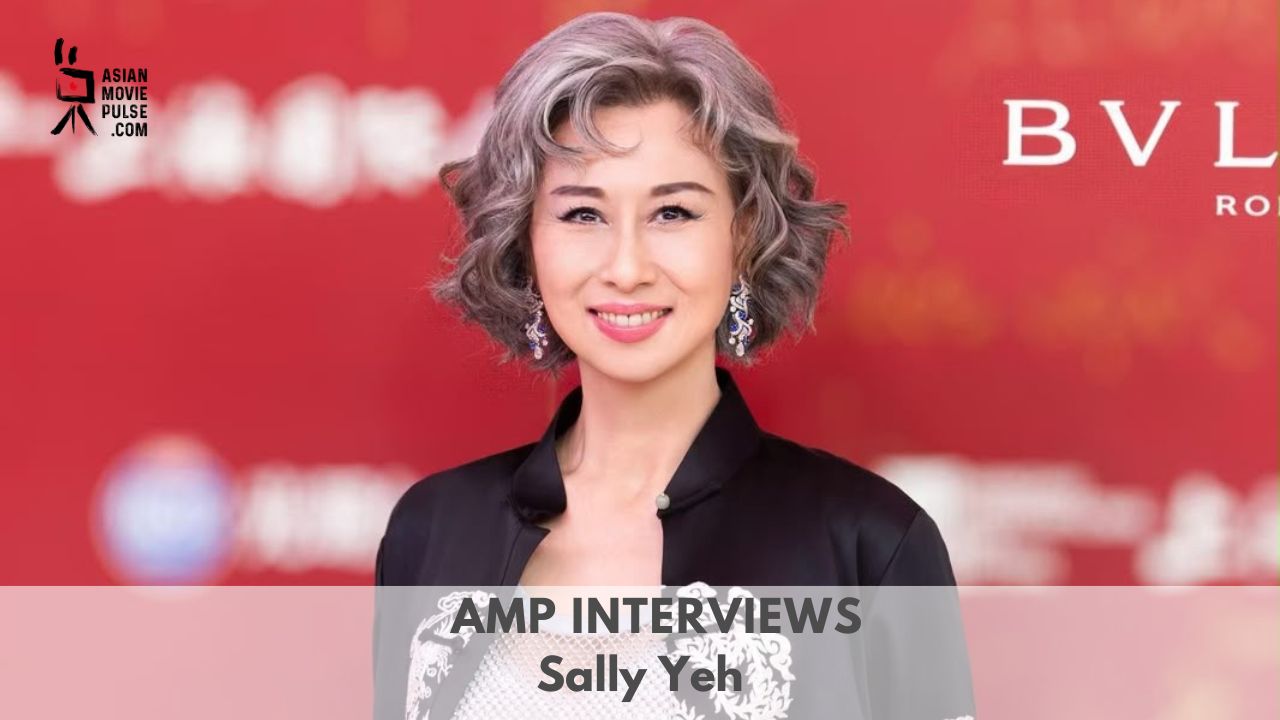
Veteran Hong Kong entertainer Sally Yeh, a figure whose influence spans decades in both music and film, recently offered a candid glimpse into the formative experiences that shaped her illustrious career. In a reflective discussion, Yeh delved into the musical inspirations that propelled her into the demanding world of performance, alongside her memorable contributions to iconic cinematic works such as Tsui Hark’s "Peking Opera Blues" and John Woo’s "The Killer." Her reflections also touched upon the enduring bonds of friendship forged with fellow actors within the vibrant Hong Kong film industry.
Early Musical Influences and the Genesis of a Singing Career
The seeds of Sally Yeh’s musical journey were sown early, nurtured by a diverse range of artistic influences. While specific names of early inspirations were not detailed in the provided context, it is common for artists of Yeh’s generation to have been shaped by the burgeoning Mandopop and Cantopop scenes of the 1970s and 1980s, alongside international pop music trends. These eras saw the rise of powerful vocalists and innovative musical arrangements that often blended traditional Chinese elements with Western pop sensibilities. The commercial success of artists like Teresa Teng, who achieved widespread popularity across Asia, and the evolving soundscapes of artists in Hong Kong and Taiwan, would have undoubtedly provided a rich tapestry of inspiration for any aspiring singer.
Yeh’s decision to pursue a singing career was not merely a whimsical choice but a deliberate path influenced by a deep-seated passion for vocal performance and musical storytelling. The Hong Kong music industry during her formative years was experiencing a golden age, characterized by intense competition, high production values, and a growing international audience for Cantopop. Artists were expected to possess not only strong vocal abilities but also stage presence and a compelling persona. Yeh’s ability to navigate these demands and achieve sustained success points to a rigorous dedication to her craft from the outset.
Cinematic Milestones: "Peking Opera Blues" and "The Killer"
Beyond her considerable musical achievements, Sally Yeh carved out a significant niche in cinema, leaving an indelible mark on two critically acclaimed films. Her involvement in Tsui Hark’s 1986 martial arts comedy-drama "Peking Opera Blues" (also known as "Rouge") marked a significant collaboration with a director renowned for his visually stunning and innovative filmmaking. In this film, Yeh portrayed the character of Liu Yu-chu, a role that demanded a blend of dramatic acting prowess and physical agility, often required in films drawing inspiration from traditional opera. The film itself was a critical and commercial success, lauded for its vibrant visuals, intricate plot, and strong performances from its lead actresses, including Cherie Chung and Brigitte Lin. "Peking Opera Blues" is often cited as a prime example of Hong Kong cinema’s creative peak in the 1980s, pushing the boundaries of genre and storytelling.
Further cementing her cinematic legacy, Yeh also appeared in John Woo’s seminal 1989 action masterpiece, "The Killer." This film, starring Chow Yun-fat and Danny Lee, is widely regarded as a landmark in the "heroic bloodshed" genre and played a crucial role in popularizing Hong Kong action cinema internationally. While Yeh’s specific role in "The Killer" might have been a supporting one, her presence in such a high-profile and influential production underscores her versatility as an actress. "The Killer" was lauded for its stylish direction, breathtaking action sequences, and its exploration of themes such as loyalty and honor. Its global impact was immense, influencing countless Hollywood action films and solidifying John Woo’s reputation as a master of the genre. The inclusion of Yeh in these two distinct yet equally impactful films highlights her willingness to take on challenging roles and her ability to hold her own alongside some of the era’s most celebrated actors and directors.
The Power of Enduring Friendships in the Industry
The demanding nature of the entertainment industry often fosters deep and lasting connections between its practitioners. Sally Yeh’s reflections on her friendships with fellow actors offer a poignant insight into the supportive ecosystem that can exist within the often-competitive world of film and music. While specific names of these close associates were not provided, it is understood that the Hong Kong film industry, particularly during its most prolific periods, operated with a strong sense of camaraderie. Many actors and actresses worked on multiple projects together, forming bonds that extended beyond the set. These relationships often provided a crucial support system, offering emotional resilience, professional advice, and a shared understanding of the unique pressures and triumphs of their chosen careers. The longevity of many careers within this industry is often attributed, in part, to these networks of mutual respect and support.
Contextualizing Yeh’s Career Trajectory
Sally Yeh’s career began in the late 1970s and blossomed throughout the 1980s and 1990s, a period often referred to as the "golden age" of Hong Kong cinema and a transformative era for Mandopop and Cantopop music. This era was characterized by a surge in creative output, technological advancements in filmmaking and music production, and a significant expansion of the market for Asian entertainment, particularly in Southeast Asia and, increasingly, in Western countries.
Timeline of Key Developments in Hong Kong Entertainment during Yeh’s Active Years:
- Late 1970s – Early 1980s: The rise of the "New Wave" in Hong Kong cinema, bringing a fresh, experimental approach to filmmaking. Simultaneously, Cantopop began to gain significant traction, with artists like Leslie Cheung and Anita Mui achieving superstardom.
- Mid-1980s: Sally Yeh emerges as a prominent singer, releasing numerous hit songs and albums. Tsui Hark’s influential films, including "Peking Opera Blues" (1986), redefine cinematic aesthetics and storytelling.
- Late 1980s – Early 1990s: John Woo’s "heroic bloodshed" genre, exemplified by "The Killer" (1989), achieves international acclaim, significantly boosting the global profile of Hong Kong action films. The music industry continues its robust growth, with artists expanding their reach.
- Mid-1990s onwards: While the industry landscape began to shift with the handover of Hong Kong to China in 1997 and increasing competition from other Asian markets, artists like Sally Yeh continued to maintain their relevance and influence, often transitioning into new roles or exploring different facets of their careers.
Supporting Data and Industry Trends
The success of artists like Sally Yeh was not an isolated phenomenon but part of a broader trend of burgeoning talent and market expansion.
- Music Sales: During the peak of her singing career, albums by popular Hong Kong artists routinely achieved multi-platinum status within Hong Kong, Taiwan, and Southeast Asian markets. While precise figures for individual albums can be difficult to ascertain retrospectively, it is understood that top-tier artists commanded sales in the hundreds of thousands, and often over a million units across various Asian territories. This period saw the rise of sophisticated marketing campaigns and extensive touring, which further amplified artists’ reach and commercial success.
- Box Office Performance: Hong Kong films in the 1980s and early 1990s consistently dominated regional box office charts. Films like "Peking Opera Blues" and "The Killer," while critically acclaimed, also performed well commercially, contributing to the overall economic vitality of the Hong Kong film industry. The international distribution of these films, particularly action-oriented ones, laid the groundwork for subsequent global box office successes by other Hong Kong filmmakers and stars.
- Awards and Recognition: Sally Yeh garnered numerous accolades throughout her singing career, including multiple Jade Solid Gold Best Ten Music Awards and RTHK Top Ten Golden Song Awards, considered the most prestigious music honors in Hong Kong. Her film performances, though perhaps less frequently awarded than her musical achievements, contributed to the critical acclaim of the films she appeared in.
Analysis of Implications and Broader Impact
Sally Yeh’s career trajectory offers a compelling case study of the multifaceted talents required for sustained success in the entertainment industry. Her ability to excel in both singing and acting, and to do so in productions of significant artistic and commercial merit, speaks to her exceptional talent and adaptability.
- Cross-Media Influence: Yeh’s success demonstrates the symbiotic relationship between music and film. Her popularity as a singer likely contributed to her casting in films, and her memorable film roles, in turn, could have boosted her music career by exposing her to new audiences. This cross-pollination of audiences and media presence was a hallmark of successful entertainers during that era.
- Cultural Diplomacy: Through her work in films like "Peking Opera Blues" and "The Killer," Sally Yeh played a role, however unintentional, in the global dissemination of Hong Kong culture. These films, with their unique blend of action, drama, and visual flair, introduced international audiences to a distinct form of storytelling and filmmaking, contributing to the rise of Asian cinema on the global stage.
- Enduring Legacy: The continued discussion and reflection on her career, particularly her roles in such iconic films, underscore the lasting impact of her contributions. The films she was a part of are still studied and celebrated, and her music continues to be remembered by fans. Her ability to inspire younger generations of artists, as suggested by the reflective tone of her recent discussion, is a testament to the enduring power of her artistic legacy. The friendships she cultivated also highlight the importance of human connection and collaboration within the demanding professional landscape of the arts.
In conclusion, Sally Yeh’s reflections provide valuable insights into the dedication, talent, and collaborative spirit that underpinned a remarkable career. Her contributions to both the music and film industries have left an indelible mark, solidifying her status as a significant figure in Asian entertainment history.