



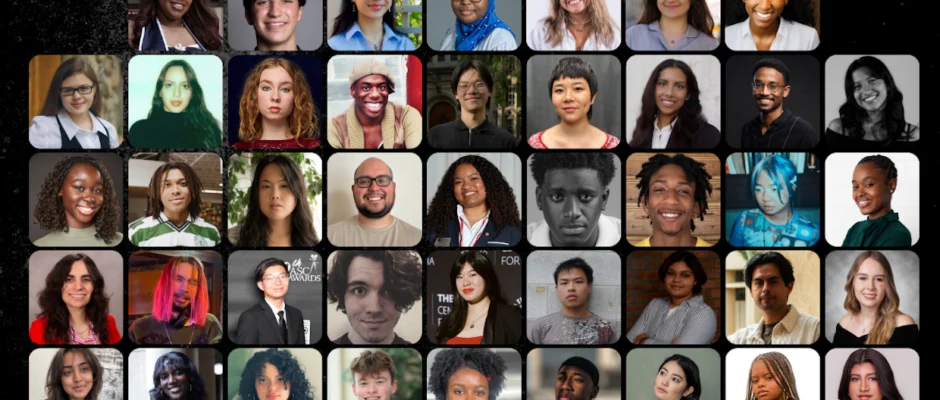
The Gotham Film & Media Institute, the non-profit organization recognized as the publisher of Filmmaker Magazine, has officially unveiled the 43 students selected for the 2026 edition of The Gotham EDU Film and Media Career Development Program. This eight-week virtual initiative is designed to bridge the gap between academic study and professional practice, offering college students from diverse backgrounds a comprehensive roadmap into the competitive landscape of the global entertainment industry. Through a combination of curated mentorship, technical workshops, and direct feedback on creative pitches, the program provides a vital entry point for emerging voices in cinema, television, and digital media.
The 2026 cohort represents a significant milestone for the program, which has seen substantial growth since its inception. As the industry grapples with rapid technological shifts and changing distribution models, The Gotham EDU serves as a critical incubator for talent, focusing on both the creative and business aspects of storytelling. The program is scheduled to run from June 15 through August 6, 2026, culminating in exclusive opportunities for select participants to attend Gotham Week in late September.
A Strategic Response to a Changing Industry
The Gotham EDU program was launched in 2020 during a period of unprecedented disruption in the film industry. Originally starting with 22 students, the initiative was born out of a necessity to provide virtual networking and educational resources when physical production and traditional internships were halted. In the six years since, the program has doubled in size and expanded its scope to reflect the multifaceted nature of modern media careers.
By maintaining a virtual format, The Gotham ensures that geographic and financial barriers do not preclude talented individuals from participating. This year’s cohort includes representatives from 31 colleges and universities across the United States, ranging from Ivy League institutions like Yale and Brown to specialized arts schools like CalArts and large public research universities like The Ohio State University and UCLA.
The program’s curriculum is structured around six distinct tracks, allowing students to specialize in areas that align with their specific career aspirations. This modular approach ensures that a narrative director receives different, yet equally rigorous, training compared to an aspiring media entrepreneur or an executive-track student.
The Six Pillars of the 2026 Program
To address the evolving needs of the entertainment sector, The Gotham has refined its tracks to include:
- The Sidney Poitier Initiative (SPI) Track for Multi-Hyphenates: Named in honor of the legendary actor and filmmaker, this track is designed for students who refuse to be categorized into a single role. It supports those who act, write, direct, and produce, reflecting the modern "creator" economy where versatility is a prerequisite for longevity.
- The Executive Leadership and Ambassador Track: This track focuses on the business of film, including development, distribution, and talent management. Participants in this track are granted unique shadowing opportunities with established production companies, such as Storm City Films, providing a behind-the-scenes look at the corporate side of Hollywood.
- The Television/Episodic Creator Track: As streaming platforms continue to dominate the market, the demand for serialized storytelling remains high. This track guides students through the complexities of showrunning, writers’ rooms, and the structural requirements of episodic content.
- The Documentary Filmmaker Track: Focusing on non-fiction storytelling, this track emphasizes the ethical, journalistic, and cinematic challenges of documentary production.
- The Narrative Filmmaker Track: This traditional path focuses on the craft of feature and short-form fictional cinema, from script development to post-production.
- The Entrepreneurship in Media Track: Supported by Joe and Christie Marchese, this track is tailored for students interested in the intersection of technology, finance, and media, encouraging the development of new business models and platforms.
Financial Accessibility and Institutional Support
A hallmark of the 2026 Gotham EDU program is its commitment to equity. Through the support of corporate, philanthropic, and institutional donors, the program provides full tuition for all 43 selected students. This financial backing is essential in an industry often criticized for its reliance on unpaid internships and "who-you-know" networking, which can exclude those from lower-socioeconomic backgrounds.
Key backers for the 2026 edition include the Burke Family Foundation and NBCUniversal, alongside institutional partners such as Colgate University and Yale University. The Sidney Poitier Initiative directly funds the Multi-Hyphenate track, ensuring that the legacy of its namesake—a pioneer for racial equality in cinema—continues to inspire and support underrepresented voices.
Kia Brooks, The Gotham’s Managing Director, emphasized the program’s role in providing a "real roadmap" for students. Brooks noted that the 2026 cohort is among the most diverse and driven in the program’s history, with tracks specifically built to reflect where the industry is heading rather than where it has been.
Industry Access and Mentorship
The value of The Gotham EDU lies in its "unfiltered access" to industry professionals. Previous sessions have featured speakers and mentors from some of the most influential entities in entertainment, including Netflix, MGM, MACRO, UTA, ColorCreative, NBCU, Blumhouse, NEON, SFFILM, Kinema, and WILLA.
These professionals provide more than just technical advice; they offer a realistic view of the industry’s labor market, the nuances of contract negotiations, and the importance of building a sustainable career. Jeffrey Sharp, The Gotham’s Executive Director, highlighted that this honesty is what keeps the program vital. By hearing from independent producers, television writers, and directors who are currently working in the field, students gain a pragmatic understanding of the professional landscape.
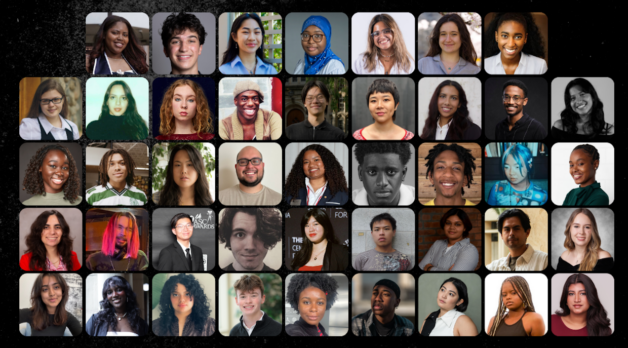
The 2026 Gotham EDU Cohort
The following 43 students have been selected based on their academic excellence, creative potential, and commitment to the future of media:
Executive Ambassador Track
- Ayana Ahuja, Brown University
- Layla Santana, St. John’s University
- Sierra Bleu Bivins, Emerson College
Executive Leadership Track
- Ashley Dunbar, Colgate University
- Ava Maire Mc Dermott, Pace University
- Avantika Matele, Princeton University
- Gabriela Acensio, Oglethorpe University
- Nil Mira Celik, American University
Narrative Filmmaker Track
- Chenjun Gao, Yale University
- Eduardo Diaz Sandoval, New Mexico State University
- Kai Tomizawa, New York University
- Lynn Nguyen, Brown University
- Nicholas Diodato, Rutgers University
- Tramaine Raphael Gray, CalArts
- Will Beere, Colgate University
SPI Track for Multi-Hyphenates
- Amber Dhall, New York University
- Brian Wade, Feirstein Graduate School of Cinema
- Chiamaka Okafor, University of Connecticut
- Ganiah Lucinda Bracy, Washington & Jefferson College
- Grant Fortune, Howard University
- Isabella Maaliki, New York University
- Mareme Fall, Vassar College
Entrepreneurship in Media Track
- Aric Julian Lopez, University of Southern California
- Dominique de Castro, Columbia University
- Kyara Gandara, San Diego State University
- Mary Moussa, Hunter College
- Saifeddine Lahmar, Northwestern University
- Xavier Peng, Chapman University
Television/Episodic Creator Track
- Amy B. Tiong, Northwestern University
- Essence Jackson, Howard University
- Haley Sakamoto, Stonybrook University
- Kahley Burwell, Loyola Marymount University
- Nathaniel Kron, Colgate University
- Nicole Viloria, Yale University
- Trish Owyang, Columbia College Chicago
Documentary Filmmaker Track
- Alexus Anderson, Georgia State University
- Alice Adriana Estrada, Tufts University
- Christian Lee, UCLA
- Edward Nguyen, Yale University
- Joshua Jones, Colgate University
- Kg Giroux, New York University
- Logan R. St Hilaire, The Ohio State University
- Toby Nicholson, Colgate University
Analysis of Broader Implications
The announcement of the 2026 cohort comes at a time when the film and media industries are undergoing a profound transformation. The rise of artificial intelligence, the aftermath of major labor strikes in 2023 and 2024, and the consolidation of streaming services have created a landscape that is both more accessible in terms of technology and more difficult in terms of financial stability.
Programs like Gotham EDU are essential because they provide a structured environment for "soft skills" development—networking, pitching, and brand building—which are often not the primary focus of traditional film school curricula. By emphasizing the "Multi-Hyphenate" and "Entrepreneurship" tracks, The Gotham is acknowledging that the filmmakers of the future must be as savvy about their business models as they are about their cinematography.
Furthermore, the inclusion of a wide array of universities suggests a decentralization of film education. While traditional hubs like NYU and USC remain prominent, the presence of students from Oglethorpe University, New Mexico State, and Washington & Jefferson College indicates that talent is being cultivated in every corner of the country. This geographic diversity is likely to lead to a broader range of stories and perspectives in the independent film scene over the next decade.
As these 43 students prepare to begin their eight-week journey, they do so with the backing of an institution that has championed independent film for decades. The Gotham EDU program not only provides these students with a head start in their careers but also ensures that the future of the industry is inclusive, innovative, and deeply rooted in the craft of storytelling. The impact of this cohort will likely be felt at film festivals and on screens for years to come, as they transition from students to the leaders of the next generation of media.