

Propeller One-Way Night Coach, the feature directorial debut of Academy Award nominee John Travolta, has emerged as a significant cultural and commercial milestone following its high-profile premiere at the 2026 Cannes Film Festival. The film, which arrived decades after its source material was first penned, represents a deeply personal project for Travolta, who not only directed and wrote the screenplay but also self-financed the production to ensure his specific creative vision remained uncompromised. Since its debut on the opening Friday of the festival, the film has transitioned to a global streaming audience via Apple TV+, where it has reportedly maintained the top position in viewership rankings for over a week.
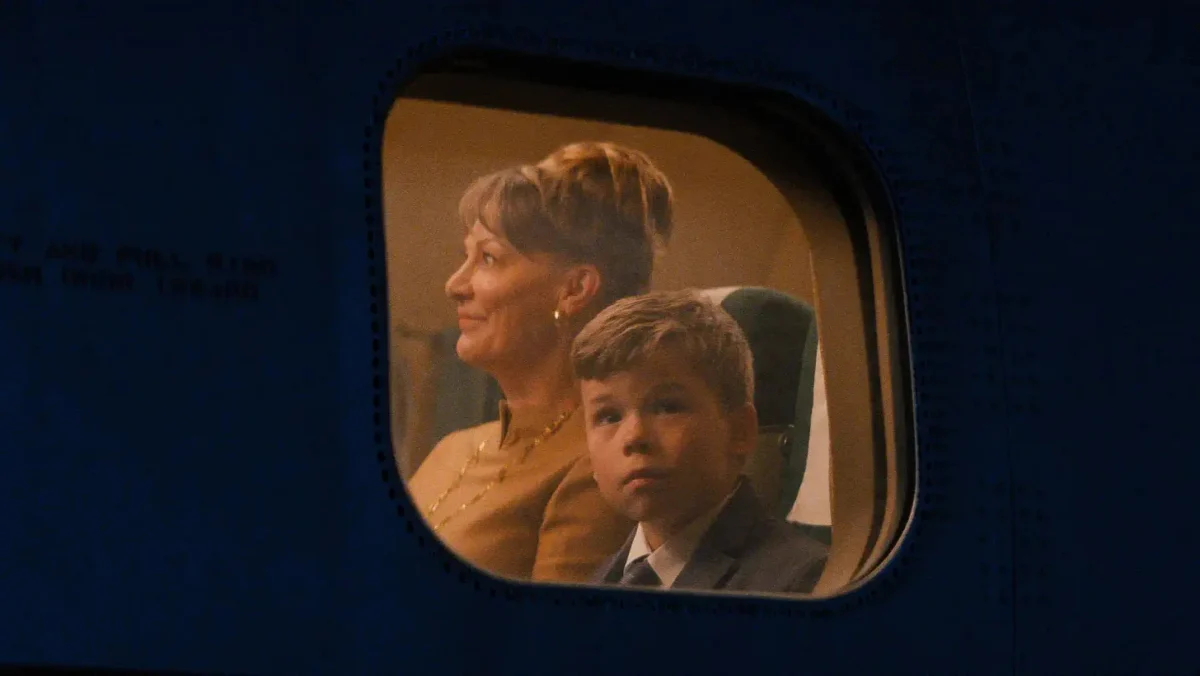
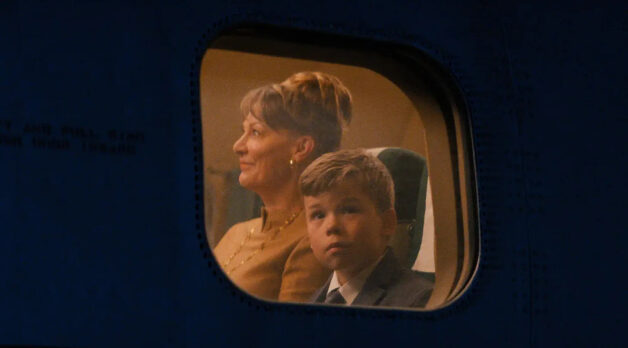
The 60-minute feature serves as an atmospheric period piece, transporting viewers to 1962 to experience a young boy’s first airplane flight. Critics and festival attendees have described the work as an "uncynical oasis," noting its meticulous attention to mid-century detail and its departure from the high-stakes conflict typically found in contemporary cinema. Before the premiere screening, Cannes Festival Director Thierry Frémaux presented Travolta with an honorary Palme d’Or, recognizing a career that has spanned over five decades and includes iconic performances in Saturday Night Fever and Pulp Fiction.
Narrative Origins and the Transition from Novella to Screen
The screenplay for Propeller One-Way Night Coach is an adaptation of Travolta’s own 1997 novella of the same name. The history of the story dates back to 1993, when Travolta originally wrote the manuscript as a private gift for his family. After producing a limited run of 70 copies, the positive reception among his inner circle led to a publishing deal with Warner Brothers. Despite decades of interest from various production entities, Travolta opted to wait until he could oversee the project personally, citing the "subjective and intimate" nature of the story as a reason to avoid traditional studio interference.
The film follows a young protagonist named Jeff, portrayed by newcomer Clark Shotwell. The narrative is driven by an internal monologue—delivered via voiceover—that captures the sensory richness of a child’s perspective. Travolta has characterized the character of Jeff as an "observer of life," a trait he admits is semi-autobiographical. The casting further emphasizes the personal nature of the project; Travolta’s daughter, Ella Bleu Travolta, portrays a flight attendant who becomes a central figure in Jeff’s journey, while Kelly Eviston-Quinnett plays the boy’s mother, Helen.
Production Timeline and Technical Execution
The production of Propeller One-Way Night Coach was notable for its efficiency and disciplined schedule. Following six weeks of intensive pre-production, the film was shot in just 15 days. The filming locations were strategically divided into three five-day blocks across the United States:
- New York: Utilized for exterior shots and sequences involving the iconic TWA Terminal.
- Kansas: Focused on domestic and regional character-driven scenes.
- Los Angeles: Used for specialized interior cabin sets and soundstage work.
Travolta’s directorial style was heavily influenced by his experience working with cinematic titans such as Quentin Tarantino, Brian De Palma, and Mike Nichols. Adopting a philosophy that "casting is 90% of the work," Travolta focused on extensive rehearsal to minimize the number of takes required on set. This approach not only accelerated the production timeline but also fostered a high-energy environment for the crew.
From a technical standpoint, the film is a tribute to the "Jet Age" aesthetic of the early 1960s. The production design emphasizes the vibrant color palettes of mid-century aviation, from the exotic inflight meals featuring Chateaubriand to the designer uniforms of the flight attendants. Travolta worked closely with his cinematography team to capture the "vivid and colorful memory banks" of his childhood, using specific framing to highlight the massive scale of aircraft engines and landing gear as seen through the eyes of a child.
Aesthetic Vision and the Role of Mid-Century Design
Propeller One-Way Night Coach is as much a study of design as it is a narrative film. The director sought to capture a specific era when architects and artists like Eero Saarinen, Alexander Calder, and Pablo Picasso influenced everything from building structures to automotive design. A central location in the film is the TWA Flight Center at Idlewild Airport (now JFK), designed by Saarinen. The film’s opening credits, designed by the artist Shag, set the tone for this stylistic homage.
The soundtrack plays a pivotal role in establishing the film’s "stream of consciousness" feel. The musical selections reflect the eclectic tastes of the early 1960s, blending American jazz with the then-emerging Brazilian bossa nova movement. Key musical elements include:
- Jazz Classics: Dave Brubeck’s "Take Five" is used to complement the architectural visuals of the airport terminals.
- Vocal Standards: Performances by Frank Sinatra, Tony Bennett, and Barbra Streisand provide a lush, emotional backdrop to the interior cabin scenes.
- International Influence: The works of Antônio Carlos Jobim and Sérgio Mendes are utilized to evoke the sophisticated, global spirit of 1960s air travel.
Travolta purposefully synchronized specific dialogue beats with musical cues, such as timing a Barbra Streisand vocal to begin exactly as a character finishes a monologue, a technique he described as "kismetic."
Official Responses and Industry Impact
The industry response to Propeller One-Way Night Coach has been characterized by a mix of surprise and admiration for its non-traditional format. Thierry Frémaux’s decision to select the film for Cannes five months in advance—a rare move for the festival—was based on what he described as the film’s "freshness and hope." Frémaux noted that the film serves as an important example for the industry, demonstrating that low-cost, independent art can achieve significant impact on the global stage.
Apple TV+ acquired the film after a screening for executive Eddie Cue. The streaming platform’s strategy appears to have been validated by the film’s performance; Travolta confirmed that the movie became the "most-streamed film" on the service within its first week of release. Industry analysts suggest that the success of this 60-minute feature may signal a growing appetite for "mid-length" prestige content that bridges the gap between traditional short films and standard two-hour features.
Analysis of Broader Implications
The success of Propeller One-Way Night Coach carries several implications for the future of independent filmmaking and star-driven projects. First, it highlights the viability of self-financing for established actors seeking to transition into directing. By bypassing the traditional development hell of the studio system, Travolta was able to bring a 30-year-old vision to screen in a form that remained true to his original novella.
Second, the film challenges the modern cinematic reliance on "conflict-heavy" narratives. In an era where many features are built around high-stakes drama or franchise world-building, Propeller One-Way Night Coach relies on "sense memory" and "joie de vivre." The film’s ability to hold audience attention through observation and atmosphere suggests a potential market for "slow cinema" or "mood-based" storytelling within mainstream streaming platforms.
Furthermore, the film’s historical context provides a nuanced look at 1960s resilience. While the narrative focuses on the wonder of flight, it does not ignore the darker realities of the era, such as the Cold War and the lingering trauma of World War II. By presenting these elements through the empathetic and non-judgmental lens of a child, the film offers a unique perspective on how individuals processed the complex sociopolitical landscape of the mid-20th century.
Chronology of Project Development
The journey of Propeller One-Way Night Coach from concept to screen spans over three decades:
- 1962: The chronological setting of the film and the era of Travolta’s personal experiences that inspired the story.
- 1993: Travolta writes the original manuscript as a gift for his family members.
- 1997: The novella is officially published by Warner Brothers, garnering initial interest for a film adaptation.
- 2024: Travolta decides to self-finance and produce the film to maintain creative control.
- 2025: Production takes place over 15 days in New York, Kansas, and Los Angeles.
- May 2026: The film premieres at the Cannes Film Festival; Travolta receives an honorary Palme d’Or.
- June 2026: Apple TV+ releases the film globally, where it reaches the number-one streaming position.
As the film continues its run on Apple TV+, it remains a testament to the enduring power of personal storytelling and the specific allure of the "Golden Age of Aviation." For Travolta, the project represents the fulfillment of a lifelong ambition to translate his most vivid memories into a cinematic experience that resonates with a modern, global audience.