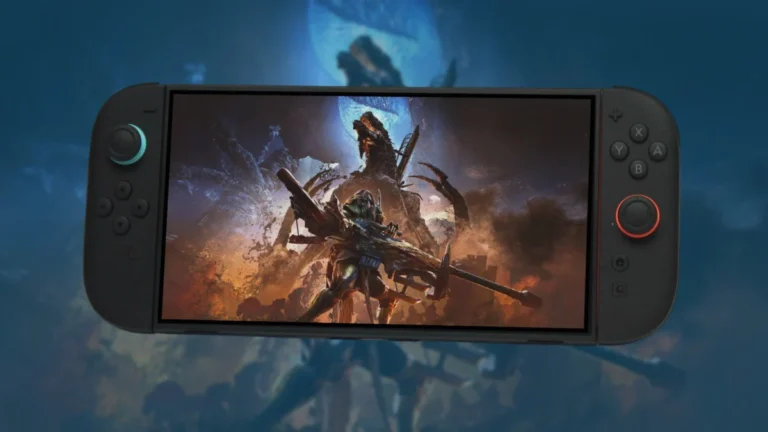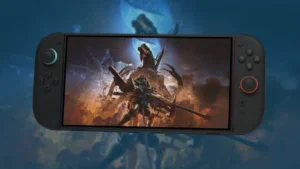



The release is structured into two primary digital and physical offerings. The Standard Edition is priced at £49.99, while the Deluxe Edition will retail for £59.99. According to the official listing on the Nintendo eShop, pre-orders have already commenced. The Deluxe Edition is particularly noteworthy for long-time fans, as it bundles the base game and its two major expansions—Shivering Isles and Knights of the Nine—with a suite of new content. This includes unique questlines, additional armor sets, and specialized weaponry that were not present in the original 2006 release or the initial 2025 remaster launch on other consoles.
Technical Specifications and the Unreal Engine 5 Integration
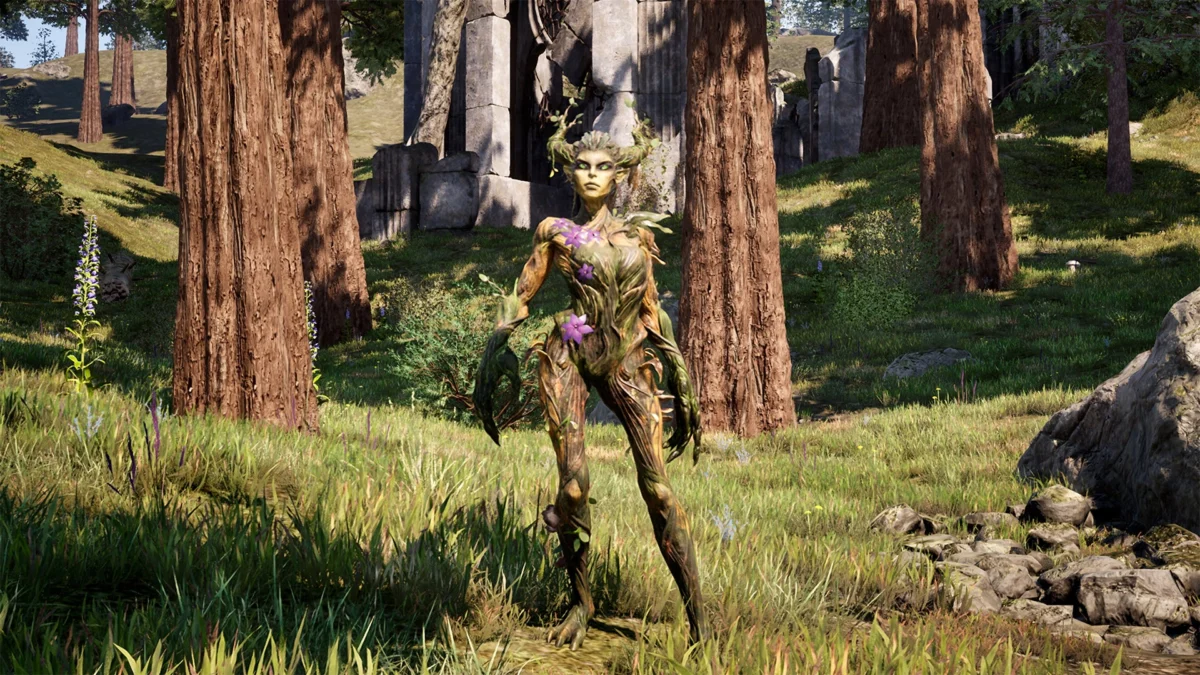
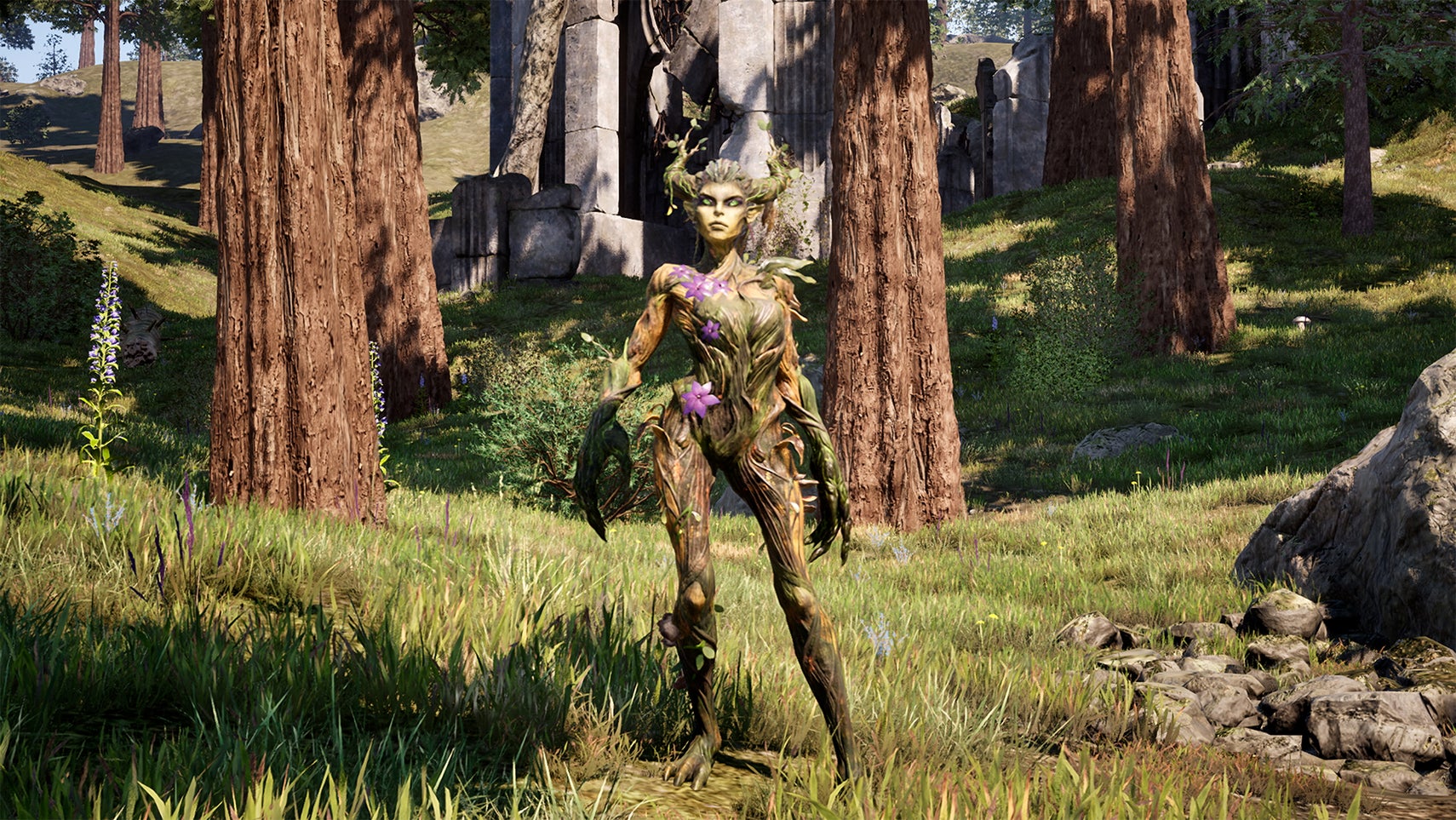
One of the most discussed aspects of the Oblivion Remastered project is its underlying technology. Unlike previous Bethesda ports to Nintendo hardware, which largely utilized the proprietary Creation Engine, this remaster was developed by Virtuos using Unreal Engine 5. This shift in architecture has allowed for a complete visual overhaul, including modernized lighting, high-resolution textures, and improved character models that move away from the "potato-face" aesthetic of the mid-2000s.
For the Switch 2 version, Bethesda has confirmed ambitious performance targets that leverage the new console’s upgraded hardware. The game will run at a native resolution of 900p in handheld mode and scale up to 1080p when docked. Both modes are locked at 30 frames per second (FPS) to ensure stability across the title’s vast open world. Perhaps most importantly for the platform’s longevity, the port will support NVIDIA’s Deep Learning Super Sampling (DLSS). This AI-driven upscaling technology is expected to provide a cleaner image and more stable frame rates during intensive combat sequences or while exploring the densely forested regions of the Great Forest and the Blackwood swamplands.
While the 30 FPS target may disappoint some performance enthusiasts, industry analysts suggest it is a pragmatic choice given the complexity of Unreal Engine 5’s global illumination systems. Virtuos, the studio behind the port, has a long history of translating demanding titles to portable hardware, though they have faced scrutiny in the past regarding performance patches. Recent reports indicate that while the developer has struggled to iron out every frame-rate dip on more powerful home consoles, the Switch 2 version has been optimized specifically with the console’s unique architecture in mind.
A Win for Physical Media Enthusiasts
In a departure from recent industry trends, Bethesda has confirmed that the physical release of The Elder Scrolls IV: Oblivion Remastered will include the entire game on the cartridge. This news has been met with widespread approval from the gaming community, especially following the "code-in-a-box" releases of previous Bethesda titles like Skyrim and Fallout 4 on the original Switch.
The decision to provide a complete physical product without the requirement of a massive secondary download is seen as a response to consumer feedback regarding digital preservation and storage management. For a game of this scale, which includes hundreds of hours of content and high-fidelity assets, the use of a high-capacity cartridge represents a significant investment by the publisher. It ensures that players can experience the full breadth of Cyrodiil, from the Imperial City to the snowy peaks of Bruma, directly from the retail media.
Gameplay Enhancements and Control Schemes
The Switch 2 port is not merely a visual upgrade; it also introduces a variety of platform-specific control options designed to take advantage of the new hardware’s features. Bethesda has confirmed the inclusion of motion controls for both melee combat and archery, allowing players to aim their bows or swing their blades with physical gestures. Furthermore, the game will support full touchscreen navigation for menus and inventory management, a feature that was highly requested following the original Skyrim port.
In a surprising addition, a "mouse mode" has been confirmed for the Switch 2 version. While details on the implementation are currently slim, it is believed to allow for more precise UI interaction, potentially mimicking the PC experience for players who prefer a more traditional RPG interface. These additions suggest that Bethesda is aiming to make this version the most feature-complete iteration of Oblivion to date, catering to a wide range of playstyles.
The Success of the 2025 Remaster and Market Impact
The timing of the Switch 2 announcement follows a period of immense commercial success for the Oblivion Remastered project. Upon its initial shadow drop in early 2025, the game surged into the top 10 best-selling titles in the United States, maintaining its position for several months. This performance was bolstered by a resurgence in interest in "classic" RPG experiences and a growing nostalgia for the seventh generation of gaming.

The success of Oblivion has also fueled intense speculation regarding the future of Bethesda’s back catalog. With Oblivion now established as a pillar of the publisher’s remaster strategy, rumors regarding similar treatments for Fallout 3 and Fallout: New Vegas have intensified. Retailer listings for McFarlane Toys figures tied to a "Fallout 3 Remastered" project have recently surfaced, leading many to believe that Bethesda is following a structured timeline to refresh its most beloved intellectual properties while development continues on The Elder Scrolls VI.
The impact of these remasters extends beyond sales figures. They serve as a bridge for a new generation of players who may have entered the series with Skyrim or the Fallout television series. By bringing these titles to the Switch 2, Bethesda is ensuring that its core franchises remain accessible on the most popular consumer hardware, further solidifying the "Elder Scrolls" brand ahead of its next major entry.
Historical Context: From 2006 to the Next Generation
To understand the significance of this release, one must look back at the original launch of The Elder Scrolls IV: Oblivion in 2006. At the time, it was a showcase title for the Xbox 360 and PC, pushing the boundaries of what was possible in terms of procedural content, NPC AI (via the "Radiant AI" system), and open-world scope. It was the game that arguably catapulted Bethesda Game Studios into the mainstream, winning numerous Game of the Year awards and setting the template for the open-world RPG genre for the next decade.
However, the original game was not without its flaws, ranging from its infamous "Horse Armor" DLC—often cited as the beginning of the modern microtransaction era—to various technical bugs and limited character customization. The 2025 Remastered version addresses many of these legacy issues while preserving the charm and atmosphere that made the original a classic. The inclusion of the "Adoring Fan" in the recent Switch 2 trailer is a nod to the game’s enduring memes and cultural footprint, signaling that the remaster intends to honor its roots while providing a modern experience.
Broader Implications for the Industry
The release of Oblivion Remastered on Switch 2 also highlights the evolving relationship between Microsoft (as the parent company of Bethesda) and Nintendo. Despite being direct competitors in the hardware space, Microsoft has increasingly adopted a multi-platform approach for its legacy and service-based titles. The arrival of a major Unreal Engine 5 title like Oblivion on a Nintendo platform suggests a high level of technical cooperation and a shared interest in capturing the massive portable gaming market.

Furthermore, this port serves as a litmus test for the Switch 2’s capabilities. As one of the first major third-party UE5 titles confirmed for the system, its performance will be closely watched by other developers and publishers. If Virtuos can deliver a stable, visually impressive experience in Cyrodiil, it could pave the way for a wave of high-fidelity ports that were previously impossible on the original Switch hardware.
Conclusion and Outlook
As the August 11 release date approaches, anticipation among the Nintendo community continues to build. The Elder Scrolls IV: Oblivion Remastered represents more than just a trip down memory lane; it is a comprehensive modernization of one of the most influential RPGs ever made. With its 1080p docked resolution, DLSS support, and a complete physical cartridge release, it appears poised to become a definitive version of the game for those who value portability without sacrificing too much in the way of visual fidelity.
For players who have spent the last two decades wandering the gold-tinted fields of the Heartland or closing the terrifying gates to the Deadlands, the Switch 2 port offers a new way to experience a familiar masterpiece. For newcomers, it provides a polished entry point into a world of political intrigue, daedric invasions, and unparalleled freedom. Whether it is the start of a broader trend of Bethesda remasters remains to be seen, but for now, the gates of Oblivion are set to open once more, and this time, they fit in the palm of your hand.