
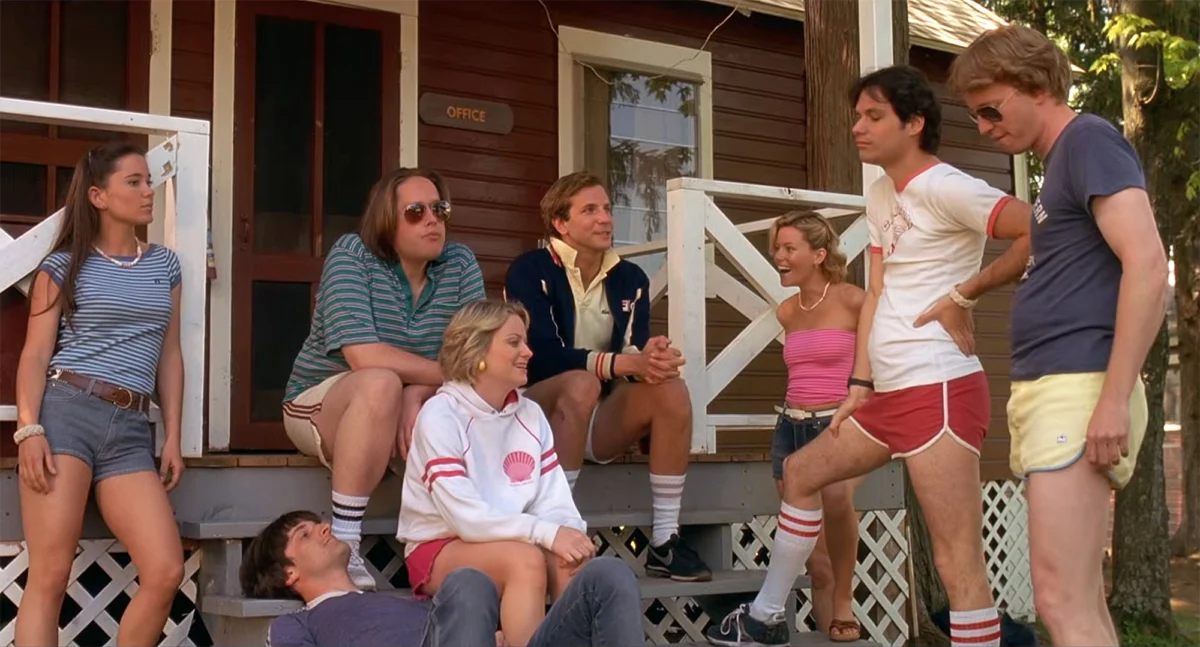
Focus Features has announced the theatrical re-release of the beloved cult comedy Wet Hot American Summer to commemorate its 25th anniversary, scheduled to hit cinemas nationwide on August 14th, 2026. This cinematic milestone is accompanied by the unveiling of a new official trailer, reigniting enthusiasm for the film widely recognized for its distinctive blend of absurdist humor, razor-sharp wit, and an ensemble cast that has since become a constellation of Hollywood stars. The re-release offers both long-time devotees and a new generation of viewers the opportunity to experience the chaotic, horny, and profoundly funny final day at Camp Firewood on the big screen, a quarter-century after its initial, understated debut.
The Genesis of a Cult Classic: From Sundance to Stardom
Wet Hot American Summer first premiered at the 2001 Sundance Film Festival, emerging from the creative minds of director David Wain and co-writer Michael Showalter. Both were veterans of influential sketch comedy groups like The State and Stella, bringing a distinctive comedic sensibility to their inaugural feature film. The film’s premise is deceptively simple: it chronicles the last day of summer camp in 1981 at Camp Firewood, where counselors, despite being ostensibly adults, navigate a labyrinth of unrequited love, adolescent anxieties, sexual awakenings, and a looming threat from a piece of NASA’s Skylab hurtling towards Earth. This seemingly straightforward setup quickly devolves into a masterclass of surrealism, parody, and self-aware humor, satirizing every trope of the classic 1980s teen sex comedy while simultaneously embracing them.
Upon its initial release in 2001, Wet Hot American Summer received a limited theatrical run and garnered a mixed critical reception, failing to make a significant impact at the box office. Its unconventional humor and deliberately low-budget aesthetic were perhaps too niche for mainstream audiences at the time. However, the film steadily built a fervent following through DVD sales, late-night cable showings, and word-of-mouth, slowly but surely cementing its status as a quintessential cult classic. Its unique comedic rhythm, characterized by deadpan delivery, anachronistic gags, and a pervasive sense of the absurd, resonated deeply with a segment of viewers seeking an alternative to conventional Hollywood comedies. The film’s narrative structure, which compresses a full summer’s worth of emotional arcs and dramatic climaxes into a single day, further underscored its satirical genius, playing with cinematic conventions to hilarious effect.

A Launchpad for a Generation of Comedic Talent
One of the most remarkable aspects of Wet Hot American Summer is its extraordinary ensemble cast, many of whom were then relatively unknown or early in their careers but would go on to achieve immense fame and critical acclaim. The film’s roster reads like a who’s who of modern comedy and mainstream cinema: Paul Rudd, Amy Poehler, Bradley Cooper, Elizabeth Banks, Molly Shannon, Christopher Meloni, Michael Ian Black, Janeane Garofalo, David Hyde Pierce, Ken Marino, Joe Lo Truglio, and Michael Showalter himself.
At the time of production, Paul Rudd had a burgeoning career with roles in films like Clueless and The Object of My Affection, but his portrayal of the emotionally stunted, perpetually angry counselor Andy offered a glimpse into his versatile comedic range. Amy Poehler, then a rising star in the improv comedy scene and soon to join Saturday Night Live, delivered a standout performance as the dramatic and ambitious theater director Susie. Bradley Cooper, in one of his earliest significant film roles, played the closeted gay counselor Ben, showcasing a comedic timing that foreshadowed his later dramatic and comedic prowess. Elizabeth Banks, similarly early in her career, charmed audiences as the demure and awkward Lindsay.
The film provided a crucial platform for many of these actors, allowing them to hone their distinctive comedic voices within a supportive and experimental environment. Christopher Meloni, primarily known for his dramatic role on Law & Order: SVU, subverted expectations with his hilariously unhinged performance as the camp chef Gene. Michael Ian Black, a frequent collaborator with Wain and Showalter, brought his signature dry wit to the role of McKinley. The ensemble’s collective chemistry and shared comedic language were palpable, contributing significantly to the film’s unique charm and rewatchability. The ability of the cast to commit fully to the film’s outlandish premise, delivering even the most absurd lines with sincere conviction, is often cited as a key factor in its enduring appeal. For many of these actors, Wet Hot American Summer became a definitive early credit, a testament to their comedic chops that would serve as a foundation for their subsequent diverse careers, from blockbuster franchises to critically acclaimed television series.
The Enduring Legacy and Cultural Resonance
The journey of Wet Hot American Summer from a box office underperformer to a beloved cult classic is a compelling case study in the power of sustained word-of-mouth and the evolving landscape of film appreciation. Its legacy extends far beyond its initial financial performance, influencing a generation of comedic filmmakers and performers. The film’s brand of humor—a blend of parody, surrealism, meta-commentary, and genuine heart—has been emulated by countless projects in the independent comedy scene. It proved that niche, unconventional comedies could find a passionate audience, even if it took time.

The film’s quotability is legendary, with lines like "You taste like a burger! I don’t like you anymore" and "I can picture myself being with you" becoming part of the lexicon of its fans. Its ability to simultaneously mock and celebrate the tropes of its genre, particularly the nostalgic glow of 1980s summer camp films, struck a chord. Beneath the layers of absurdity and raunchiness, there’s a surprisingly earnest exploration of youth, friendship, and the awkwardness of self-discovery. This blend of irreverence and sincerity is a hallmark of Wain and Showalter’s comedic style and a significant reason for the film’s lasting appeal.
Moreover, Wet Hot American Summer is often credited with popularizing the "ensemble comedy" format in the indie sphere, demonstrating how a large cast of talented, often improvisational, actors could create a dynamic and memorable cinematic experience. Its success in cultivating a dedicated fanbase over two decades speaks to its timeless humor and the universal themes it playfully subverts.
Franchise Expansion and Continued Relevance
The enduring popularity of Wet Hot American Summer eventually led to its revival on streaming platforms, a testament to its cultural footprint and the continued demand for its unique brand of comedy. In 2015, Netflix released Wet Hot American Summer: First Day of Camp, an eight-episode prequel series that saw virtually the entire original cast return to Camp Firewood. This was a remarkable feat, given that many of the actors had by then become A-list stars with demanding schedules. The series, set earlier on the very first day of the same summer in 1981, successfully captured the original film’s spirit, expanding on character backstories and introducing new absurdities. Its critical reception was largely positive, with many praising its ability to maintain the original’s comedic tone while offering fresh material.
Following the success of the prequel, Netflix greenlit another limited series, Wet Hot American Summer: Ten Years Later, which premiered in 2017. As the title suggests, this sequel jumped forward to 1991, reuniting the counselors who had promised to meet back at camp a decade later. While some key cast members had scheduling conflicts, a significant portion of the original ensemble returned, further solidifying the franchise’s continuity and demonstrating the cast’s deep affection for the project that launched many of their careers. The continued willingness of such high-profile actors to revisit their roles for these streaming expansions underscored the film’s unique place in their professional lives and its undeniable cultural cachet. These series not only satisfied existing fans but also introduced the Wet Hot American Summer universe to a new generation of viewers, many of whom were too young to have experienced the original film’s initial release or its subsequent rise to cult status.

The 25th Anniversary Re-Release: A Celebration of Cinematic Persistence
The announcement of the August 14th, 2026 theatrical re-release by Focus Features, accompanied by a new commemorative trailer and poster, is more than just a nod to nostalgia; it’s a strategic move to celebrate a film that defied initial expectations and carved out an indelible niche in cinematic history. The tagline "Wetter. Hotter. American-er." perfectly encapsulates the film’s self-aware, playful spirit and its enduring appeal. The new trailer skillfully blends iconic moments from the original film with a refreshed, celebratory tone, aiming to both evoke fond memories for existing fans and pique the curiosity of potential new viewers.
For Focus Features, re-releasing Wet Hot American Summer is an opportunity to capitalize on the film’s established cult following and its unique position as a significant touchstone for a generation of comedians and audiences. It allows the studio to present a beloved classic in the immersive environment of a movie theater, an experience many fans of the film’s later rise might have missed. It’s an acknowledgment of the film’s journey from an indie oddity to a foundational work in modern comedy. Industry analysts suggest that such anniversary re-releases tap into a powerful sense of collective nostalgia, offering audiences a shared cultural experience that transcends individual viewing habits. The event is poised to be a communal celebration, inviting audiences to gather with friends and rediscover the chaotic charm of Camp Firewood on the silver screen.
Broader Implications: The Enduring Power of Cult Cinema
The 25th-anniversary re-release of Wet Hot American Summer reflects a broader trend in the film industry, where studios are increasingly recognizing the value of their classic and cult catalogs. In an era dominated by streaming and fragmented viewing experiences, theatrical re-releases offer a unique proposition: the chance to collectively celebrate and re-engage with films that have shaped cultural landscapes. For Wet Hot American Summer, a film that initially struggled to find its audience in theaters, this re-release is particularly poignant. It symbolizes a triumphant return, a testament to the film’s artistic merit and its ability to connect with audiences on a profound, if unconventional, level.
This event also highlights the dynamic nature of cinematic legacy. Films are not merely judged by their opening weekend box office or initial critical reception; their true impact often unfolds over years, even decades. Wet Hot American Summer serves as a prime example of a film whose influence grew exponentially over time, eventually earning the widespread recognition it deserved. The re-release provides an opportunity for younger audiences, who may know Paul Rudd from Ant-Man or Bradley Cooper from A Star Is Born, to witness these acclaimed actors in their formative, often outrageous, comedic roles. It bridges a generational gap, allowing for a shared appreciation of a film that has proven its timelessness. As the August 14th, 2026 date approaches, anticipation builds for a joyous return to Camp Firewood, where the spirit of summer, laughter, and glorious absurdity reigns supreme.