

HBO Max has officially released the full trailer for its highly anticipated sci-fi comedy spin-off series, Stuart Fails to Save the Universe, marking the latest expansion of the enduring Big Bang Theory franchise. The series, which promises a unique blend of high-concept science fiction and the beloved comedic stylings of its predecessors, is slated to begin streaming on July 23, 2026, with new episodes released weekly. This fourth television series within the Big Bang Theory universe, and the second direct spin-off from the original sitcom, places the spotlight on fan-favorite comic book store owner Stuart Bloom, portrayed by Kevin Sussman, as he inadvertently triggers a multiverse-altering catastrophe.
Series Overview and Premise: A Multiverse in Peril
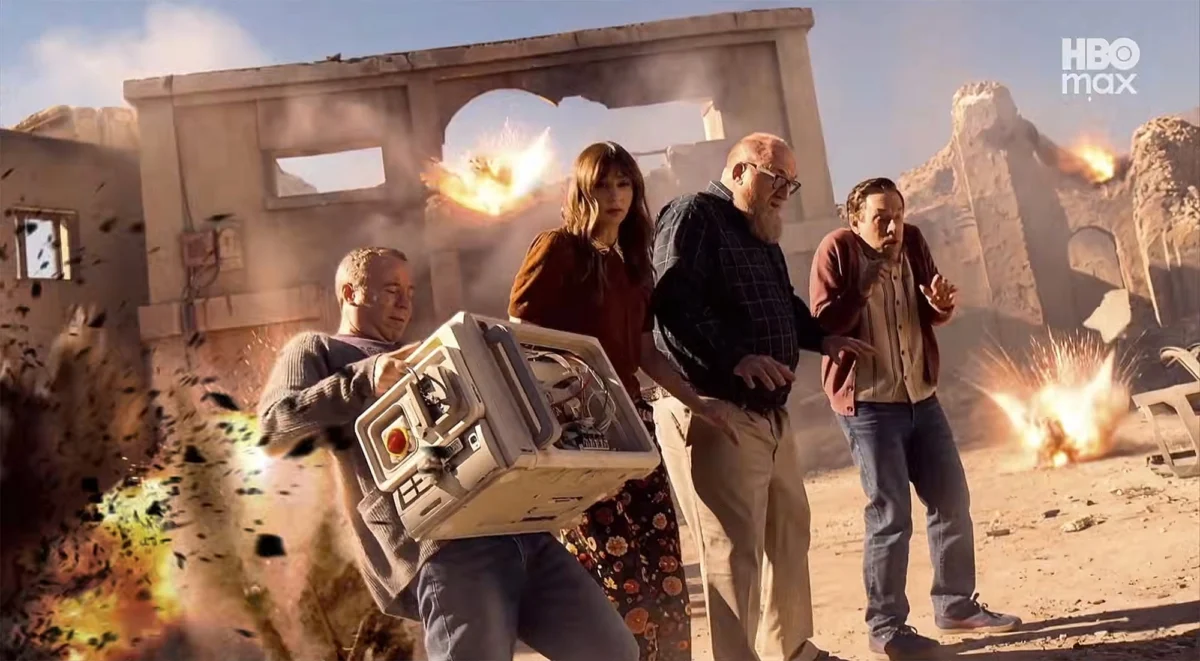
The core premise of Stuart Fails to Save the Universe thrusts the unassuming Stuart Bloom into an unimaginable crisis. The narrative unfolds when Stuart, in a moment of characteristic clumsiness, breaks a sophisticated device engineered by the brilliant minds of Sheldon Cooper and Leonard Hofstadter. This unfortunate incident doesn’t merely result in a broken gadget; it unleashes a "multiverse Armageddon," tearing the fabric of reality and necessitating Stuart’s improbable quest to restore order. The series tagline, "Maybe we have a chance to fix the world?", underscores the high stakes despite the comedic tone.
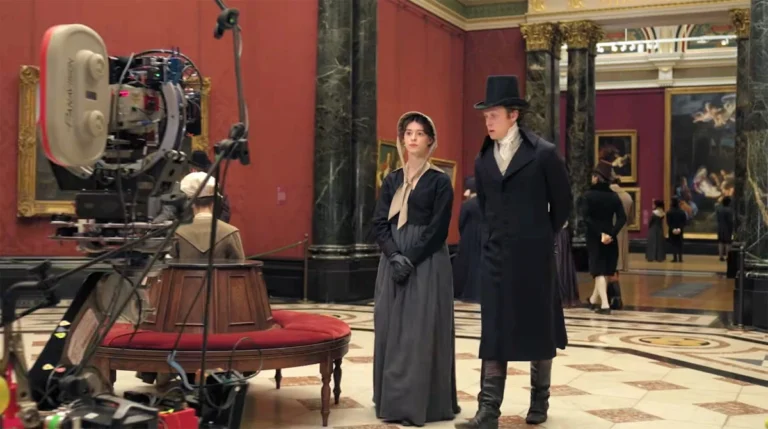
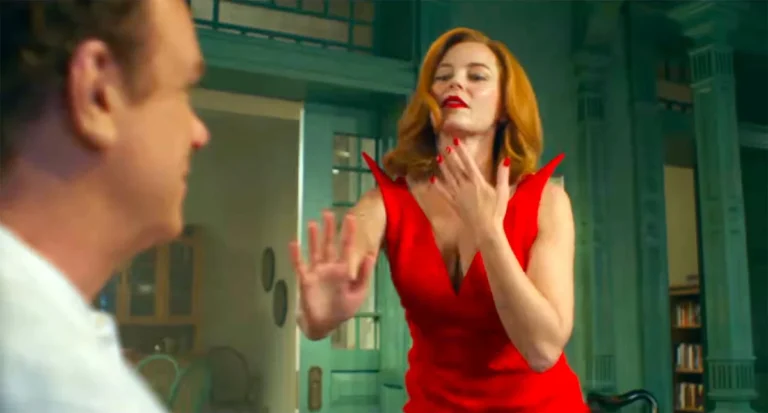
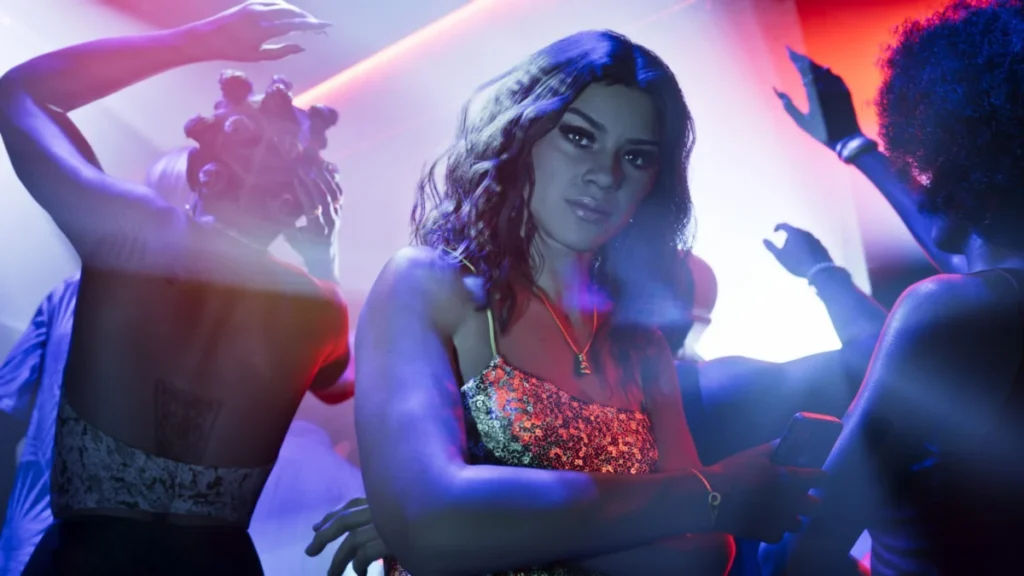
Stuart is not alone in this monumental endeavor. He is reluctantly aided by a quirky ensemble of familiar and new faces. His girlfriend, Denise (Lauren Lapkus), a fellow comic book enthusiast and practical voice of reason, joins him. They are also accompanied by Bert (Brian Posehn), the amiable and surprisingly insightful geologist, and Barry Kripke (John Ross Bowie), the quantum physicist whose abrasive personality and distinctive speech impediment make him a constant, albeit brilliant, "pain in the ass." The journey through fractured realities promises encounters with alternate-universe versions of characters from the original Big Bang Theory, offering both nostalgic callbacks and fresh comedic interpretations. The recently released full trailer hints at several geeky references, including a humorous nod to The Matrix, showing characters waking up in gooey battery pods, signaling the show’s intention to lean heavily into its sci-fi influences while maintaining its comedic roots.
Creative Minds Behind the Multiverse Expansion
The creation of Stuart Fails to Save the Universe is spearheaded by a formidable team, featuring the return of industry veterans synonymous with the Big Bang Theory franchise’s success. The series is created, written, and executive produced by Chuck Lorre, Zak Penn, and Bill Prady. Chuck Lorre, often dubbed the "King of Sitcoms," has an unparalleled track record in television comedy, with hits like Two and a Half Men, Mom, and The Kominsky Method in addition to The Big Bang Theory and Young Sheldon. His involvement signals a continuity in comedic sensibility and a commitment to character-driven humor that fans have come to expect.
Bill Prady co-created The Big Bang Theory with Lorre, establishing the scientific and pop culture-infused world that captivated millions. Zak Penn, known for his work on major superhero films like The Avengers and Ready Player One, brings a significant genre expertise to the project, particularly crucial for navigating the complex sci-fi elements of a multiverse storyline. This combination of comedic and sci-fi writing talent suggests a well-rounded approach to the series’ ambitious premise.

Further bolstering the creative team is Kyle Newacheck, who directs several episodes. Newacheck’s directorial credits include the films Game Over Man and Murder Mystery, as well as episodes of acclaimed comedy series like "What We Do in the Shadows." His experience in blending absurd humor with genre tropes makes him an ideal fit for a series that aims to marry multiverse sci-fi with sitcom comedy. Executive producing alongside Lorre, Penn, and Prady, Newacheck’s involvement is expected to shape the visual and comedic tone of the series.
The Big Bang Theory Franchise: A Legacy Continues
The Big Bang Theory stands as one of the most successful and culturally impactful sitcoms of the 21st century. Running for 12 seasons from 2007 to 2019, it garnered immense critical acclaim and a massive global fanbase, regularly topping viewership charts. The show’s unique blend of "nerd culture" celebration, character-driven humor, and heartfelt relationships resonated with a broad audience. Its success led to the first direct spin-off, Young Sheldon, a prequel series that explores the childhood of the eccentric theoretical physicist Sheldon Cooper. Young Sheldon premiered in 2017 and has similarly achieved significant success, demonstrating the franchise’s enduring appeal and the audience’s appetite for further explorations of its universe.
The decision to develop Stuart Fails to Save the Universe signifies a strategic move by Warner Bros. Television and HBO Max to continue leveraging this incredibly valuable intellectual property. The franchise has proven its ability to evolve, from focusing on a group of adult scientists to exploring a prodigy’s upbringing. Now, by centering on Stuart Bloom, a character who initially served as a comedic foil and later grew into an integral, albeit often down-on-his-luck, member of the gang, the series aims to offer a fresh perspective. It moves beyond the core group of Caltech scientists, venturing into a different corner of their established world while maintaining connective tissue through familiar characters and the overarching scientific themes.
This expansion aligns with a broader industry trend where successful franchises are extended through spin-offs and shared universes, capitalizing on built-in fanbases and established narrative worlds. The Big Bang Theory universe, with its rich character dynamics and extensive scientific references, provides fertile ground for such explorations, especially when introducing high-concept elements like the multiverse.
Casting the Calamity: Kevin Sussman Leads the Charge
Central to the success of Stuart Fails to Save the Universe is the casting of Kevin Sussman as the titular Stuart Bloom. Sussman has been a fixture of The Big Bang Theory since its second season, gradually evolving from a recurring guest star to a series regular. Stuart’s character arc, marked by his perpetually struggling comic book store, his often-unrequited affections, and his general air of endearing melancholy, made him a relatable and beloved figure. Elevating him to a lead role in a spin-off is a bold and potentially rewarding choice, playing on the comedic irony of an everyman (or rather, an every-nerd) being thrust into a cosmic crisis. Sussman’s nuanced portrayal of Stuart, blending awkwardness with genuine warmth, is expected to anchor the series’ comedic and emotional beats.
The supporting cast brings back more familiar faces and introduces new talent. Lauren Lapkus, known for her roles in Orange Is the New Black and Crashing, plays Denise, Stuart’s girlfriend. Her character, introduced in The Big Bang Theory, brought a new dynamic to Stuart’s life, and her role as his companion in this multiverse-spanning adventure promises to be a source of both support and comedic friction. Brian Posehn, a comedian and actor recognized for his work in The Sarah Silverman Program and New Girl, reprises his role as Bert, the gentle giant geologist. John Ross Bowie returns as the distinctive Barry Kripke, whose presence guarantees a specific brand of scientific jargon and cutting remarks.

The series also features Ryan Cartwright (Bones, Alphas), Josh Brener (Silicon Valley, The Internship), and Tommy Walker (NCIS: Los Angeles, The Outsider). While their specific roles beyond the main quartet haven’t been fully detailed, their involvement suggests a diverse array of characters, potentially including the alternate-universe versions of Big Bang Theory regulars that the official synopsis teases. This ensemble promises to deliver the kind of character-driven humor and chemistry that defined the original series.
The Multiverse as a Narrative Device: Tapping into Current Trends
The decision to incorporate the multiverse concept is particularly timely. The multiverse has become a prominent narrative device in popular culture, especially in the last decade, popularized by superhero franchises like the Marvel Cinematic Universe (Spider-Man: No Way Home, Doctor Strange in the Multiverse of Madness) and DC Comics (The Flash). More recently, independent films like Everything Everywhere All At Once have demonstrated the profound emotional and comedic potential of exploring parallel realities.
Stuart Fails to Save the Universe appears poised to explore the comedic side of this phenomenon. The idea of an ordinary, somewhat inept character like Stuart being responsible for a multiversal collapse, and then being tasked with fixing it, inherently creates a rich vein of situational comedy. The encounters with alternate-universe versions of established characters offer opportunities for parody, satire, and affectionate homage to the Big Bang Theory‘s legacy. It allows the show to both expand its narrative possibilities infinitely and provide fan service in a fresh, unexpected way. This genre blend of sci-fi and comedy, leveraging a contemporary storytelling trend, positions the series to appeal to both long-time fans of the franchise and new viewers drawn to its unique premise.
HBO Max’s Strategic Play: Leveraging Established IP
The acquisition and development of Stuart Fails to Save the Universe by HBO Max is a clear strategic move in the highly competitive streaming landscape. In an era where streaming services are constantly vying for subscriber attention, leveraging established and beloved intellectual property is a proven method for attracting and retaining audiences. The Big Bang Theory carries significant brand recognition and a built-in global fanbase, making a spin-off a relatively lower-risk investment compared to entirely new original content.
By offering new content from a popular universe, HBO Max aims to capitalize on the nostalgia and loyalty of existing fans while also potentially introducing the franchise to a new generation of viewers. The weekly release schedule, rather than a full season drop, is also a calculated decision, designed to maintain subscriber engagement over a longer period and encourage weekly tune-ins, fostering conversation and anticipation around each new episode. This approach has proven effective for many successful streaming series, building momentum and a sense of community among viewers.
Trailer Analysis and Fan Anticipation
The full official trailer, released on YouTube, offers a comprehensive glimpse into the series’ tone, scope, and humor. It opens with the ominous statement, "Maybe we have a chance to fix the world?", immediately setting a balance between the dire stakes and the inherent optimism (or perhaps naivety) of the characters. The visual effects showcased in the trailer, depicting various fractured realities and alternate versions of Los Angeles, suggest a production value commensurate with a major streaming release.

The comedic elements are prominently featured, including Stuart’s characteristic awkwardness, Kripke’s distinctive speech, and the general absurdity of their situation. The explicit reference to The Matrix, with characters awakening in pods, highlights the show’s self-aware humor and its intention to engage directly with classic sci-fi tropes. Fans of The Big Bang Theory will likely appreciate these nods, along with the promise of encountering alternate versions of their favorite characters, which could range from subtle variations to radically different interpretations.
The trailer’s reception across social media platforms has been largely positive, with fans expressing excitement for the return of beloved characters and the novel multiverse premise. The blend of familiar faces with an entirely new narrative challenge appears to be striking the right chord, generating significant anticipation for the July premiere.
Production Details and Release Schedule
Stuart Fails to Save the Universe is a production of Chuck Lorre Productions in association with Warner Bros. Television, the same production houses responsible for the entirety of The Big Bang Theory franchise. This ensures a consistent creative and production pipeline. The series is set to premiere on HBO Max on July 23, 2026, with new episodes dropping weekly. This staggered release strategy is commonly employed by streaming platforms to build sustained viewership and encourage discussion between episodes.
The show’s premise of a "dystopian, post-apocalyptic, alternate universe comedy series" positions it uniquely within the broader comedy landscape. It promises to deliver both laugh-out-loud moments and potentially deeper explorations of identity and choice, all wrapped in a sci-fi package. The initial teasers and now the full trailer suggest a series that is visually engaging and narratively ambitious, yet firmly grounded in the character dynamics that made its predecessor a global phenomenon.
Broader Implications for the Franchise
The success of Stuart Fails to Save the Universe could have significant implications for the future of The Big Bang Theory franchise. If it resonates with audiences, it could pave the way for further spin-offs, exploring other beloved supporting characters or entirely new corners of the universe. It demonstrates the versatility of the franchise to adapt to different genres and narrative structures, moving beyond the traditional multi-camera sitcom format.
For HBO Max, a successful launch would reinforce its strategy of investing in established IP and showcasing its ability to develop high-quality genre-bending content. It would also solidify the platform’s position as a destination for both broad appeal comedies and genre-specific fare. As the premiere date approaches, all eyes will be on Stuart Bloom to see if he can, ironically, save the universe of The Big Bang Theory by failing spectacularly. The stage is set for a comedic journey across realities, promising to be both a nostalgic trip and an innovative leap forward for one of television’s most enduring franchises.