


Microsoft has officially signaled a massive escalation in its transmedia strategy, confirming that several of its most iconic gaming intellectual properties are currently in various stages of development for film and television. Leading this new wave of adaptations is a live-action feature film based on the piratical sandbox hit Sea of Thieves, alongside fresh narrative details regarding the long-anticipated Gears of War movie and a strategic re-evaluation of the Halo television franchise. This aggressive push into Hollywood comes at a pivotal moment for the Xbox brand, as the company seeks to leverage its vast library of content to reach audiences far beyond the traditional gaming ecosystem.
The Voyage to the Big Screen: Sea of Thieves
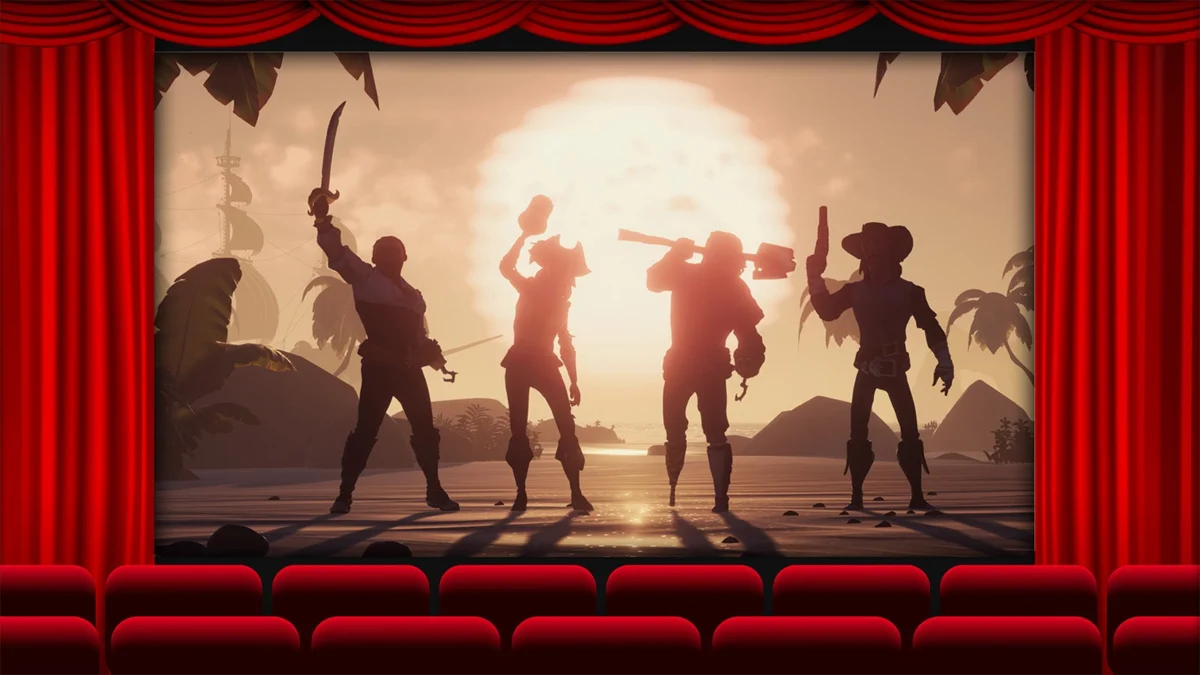
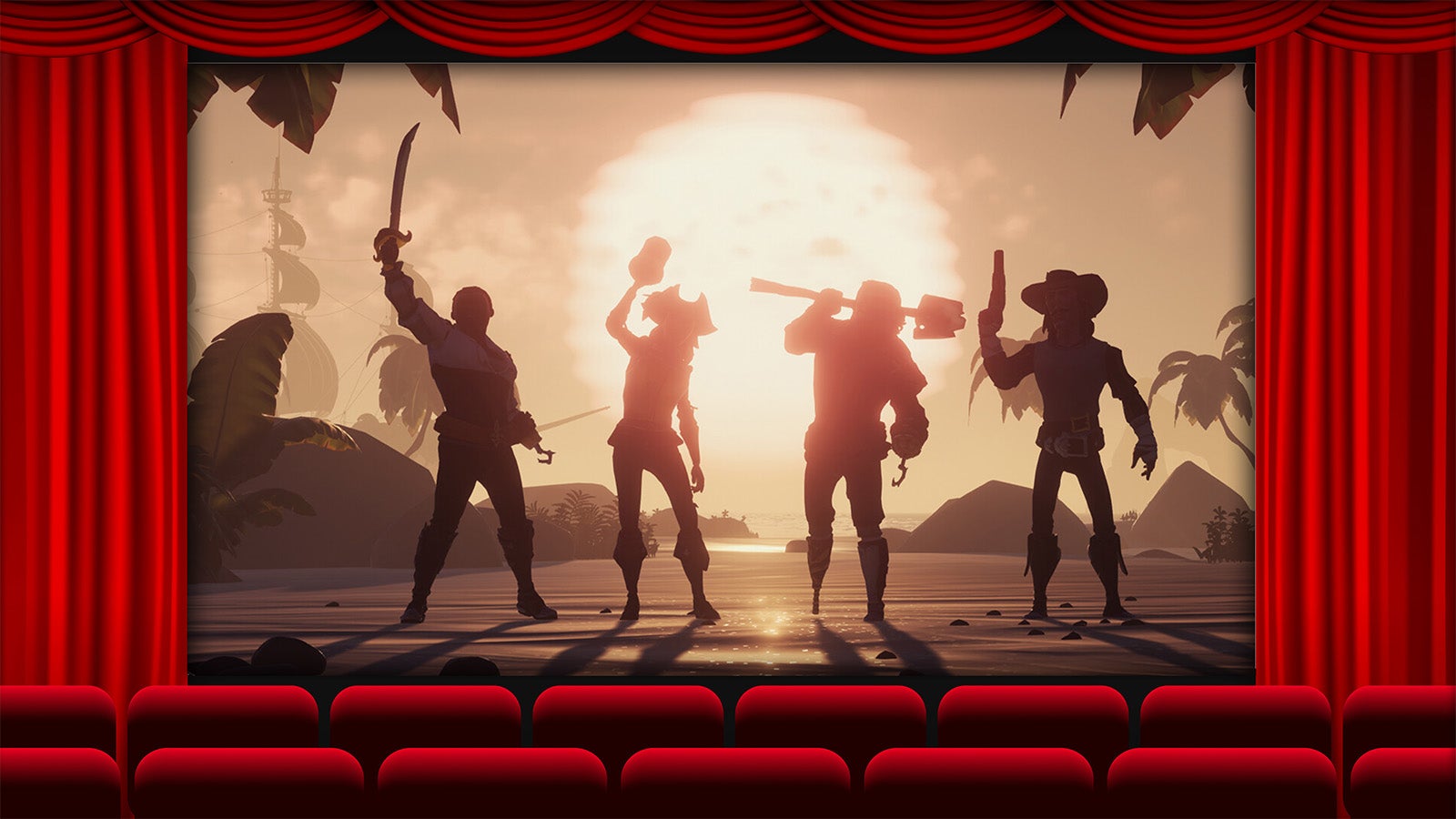
The announcement of a Sea of Thieves live-action film marks a significant milestone for the franchise developed by Rare Ltd. According to reports from Entertainment Weekly, the project is being produced by Destin Daniel Cretton through his production banner, Hisako Films. Cretton is a high-profile get for Microsoft, having recently directed Marvel Studios’ Shang-Chi and the Legend of the Ten Rings and currently attached to the upcoming Spider-Man: Brand New Day. While a director has not yet been named, the involvement of Cretton suggests a high-budget, action-oriented approach to the property.
Adapting Sea of Thieves presents a unique creative challenge. Unlike narrative-heavy games like The Last of Us, Sea of Thieves is a multiplayer "shared world" sandbox where the story is often driven by player interaction rather than a fixed script. Matt Booty, President of Game Content and Studios at Microsoft, addressed this during an interview, noting that the "main character" of the game is essentially the player and the community. Booty emphasized that the film would likely lean into the cooperative and social spirit of the game, which has amassed over 40 million players since its launch in 2018.
Industry analysts suggest that a Sea of Thieves film could fill a void in the market for lighthearted, high-seas adventure, a genre largely dormant since the peak of the Pirates of the Caribbean franchise. By focusing on the whimsical and often chaotic nature of the game—ranging from skeleton forts to the dreaded Kraken—the film has the potential to appeal to both the existing player base and a broader family audience.
Gears of War: Returning to the Emergence Hole
While Sea of Thieves looks toward a lighter tone, the Gears of War film adaptation is set to deliver the gritty, visceral military sci-fi that fans have expected for over a decade. The project, which is being developed in partnership with Netflix, has secured David Leitch as its director. Leitch, known for his work on John Wick, Deadpool 2, and The Fall Guy, is widely regarded as a master of high-impact action choreography, making him a fitting choice for the "cover-based" combat style synonymous with the Gears franchise.
The film’s plot will serve as an origin story for Delta Squad, the legendary unit led by Marcus Fenix. According to the official synopsis, the movie will follow this "ragtag crew of soldiers" as they wage a desperate war for survival against the Locust Horde, a race of subterranean creatures intent on the total extinction of humanity. This narrative focus aligns closely with the upcoming video game prequel, Gears of War: E-Day, suggesting a coordinated effort by Microsoft to revitalize the franchise across multiple mediums simultaneously.
The Gears of War film has been in various stages of "development hell" for nearly 15 years, with various studios and writers attached at different points. However, the current partnership with Netflix and the attachment of a director of Leitch’s caliber indicate that the project has finally found its footing.
The Halo Conundrum: A Second Life for the Master Chief
The future of the Halo television series remains a point of intense discussion within Microsoft. Originally produced for Paramount+, the live-action adaptation was canceled after its second season despite showing significant improvement in critical reception and viewership during its sophomore run. However, the series recently found a new audience after being licensed to Netflix, where it climbed into the platform’s top-viewed charts in several regions.
Matt Booty reaffirmed Microsoft’s commitment to the franchise, stating that Halo remains "iconic to Xbox" and that the company will continue to invest in the property. While it is unclear if the specific Paramount+ continuity will be revived or if a new project is in the works, the data from the Netflix debut has clearly demonstrated a lingering appetite for the Master Chief’s adventures. The strategy for Halo moving forward appears to be one of cautious expansion, ensuring that any future live-action content better aligns with the core expectations of the gaming community while maintaining high production values.
The "Fallout" Blueprint and the Power of Transmedia
Microsoft’s renewed confidence in Hollywood is fueled by the massive success of the Fallout series on Amazon Prime Video. Released in early 2024, Fallout became the second-most-watched show in the history of the streaming platform, trailing only The Lord of the Rings: The Rings of Power. More importantly for Microsoft, the show triggered a massive resurgence in the player counts of the Fallout games, with titles like Fallout 4 and Fallout 76 seeing triple-digit percentage increases in daily active users.
Asha Sharma, an executive at Xbox, noted that the company’s goal is not necessarily to become a "linear provider" or a traditional film studio, but to recognize that "great games are culture." Sharma highlighted the massive scale of Microsoft’s IP, pointing out that Call of Duty—now under the Microsoft umbrella following the $68.7 billion acquisition of Activision Blizzard—has a cultural footprint larger than the Marvel Cinematic Universe in terms of annual engagement and revenue.
The success of The Last of Us on HBO and Arcane on Netflix has proven that video game adaptations, when handled with respect for the source material, can become prestige television and blockbuster cinema. Microsoft is now positioning itself to be the primary driver of this trend over the next decade.
Chronology of Major Xbox Multimedia Projects
To understand the scope of Microsoft’s current ambitions, it is helpful to look at the timeline of their multimedia efforts:
- 2022: Halo Season 1 premieres on Paramount+ to mixed reviews but strong initial numbers.
- 2024 (April): Fallout premieres on Amazon Prime, becoming a global phenomenon and proving the "transmedia fly-wheel" effect.
- 2024 (July): Paramount+ cancels Halo after two seasons; the show later debuts on Netflix.
- 2025 (Projected): The Minecraft Movie, starring Jack Black and Jason Momoa, is scheduled for theatrical release.
- TBA: Gears of War feature film (Netflix) and animated series.
- TBA: Sea of Thieves live-action film (Hisako Films).
- TBA: Grounded animated series.
A Tale of Two Realities: Hollywood Growth vs. Internal Contraction
Despite the glitz and glamour of Hollywood announcements, the expansion into film and television comes during a period of significant internal turmoil for Xbox’s gaming division. Reports suggest that Microsoft is preparing for another round of major restructuring that could result in hundreds of layoffs and the potential closure of several esteemed game studios.
The industry has been bracing for news regarding the fate of studios such as Double Fine (Psychonauts), Compulsion Games (South of Midnight), and Ninja Theory (Hellblade). This follows the controversial closure of Tango Gameworks and Arkane Austin earlier in 2024. The contrast between the massive investment in film projects and the "belt-tightening" within the development studios has led to a complex atmosphere within the company.
Analysts point out that while film and TV projects can be lucrative and provide massive marketing boosts, they are often funded and managed through different budget pools and external partnerships. However, for the developers on the ground, the optics of announcing a Sea of Thieves movie while sister studios face closure are challenging.
Implications for the Future of Entertainment
Microsoft’s strategy represents a fundamental shift in how technology giants view their assets. By moving away from being "just a console company" and toward becoming a "global IP powerhouse," Xbox is following a path similar to Disney. The goal is to create a virtuous cycle where a movie drives players to a game, a game drives viewers to a TV show, and a subscription service like Xbox Game Pass ties the entire ecosystem together.
As the lines between gaming, cinema, and social media continue to blur, Microsoft’s ability to successfully translate the "community-first" nature of Sea of Thieves or the "squad-based" intensity of Gears of War to the screen will be a litmus test for the entire industry. If successful, these projects could redefine the blockbuster landscape for the next generation. If they fail, they risk becoming expensive footnotes in the ongoing struggle to bridge the gap between interactive and passive entertainment.
For now, the message from Redmond is clear: Xbox is no longer confined to the living room console. It is heading to the theater, the streaming app, and the global cultural stage.