


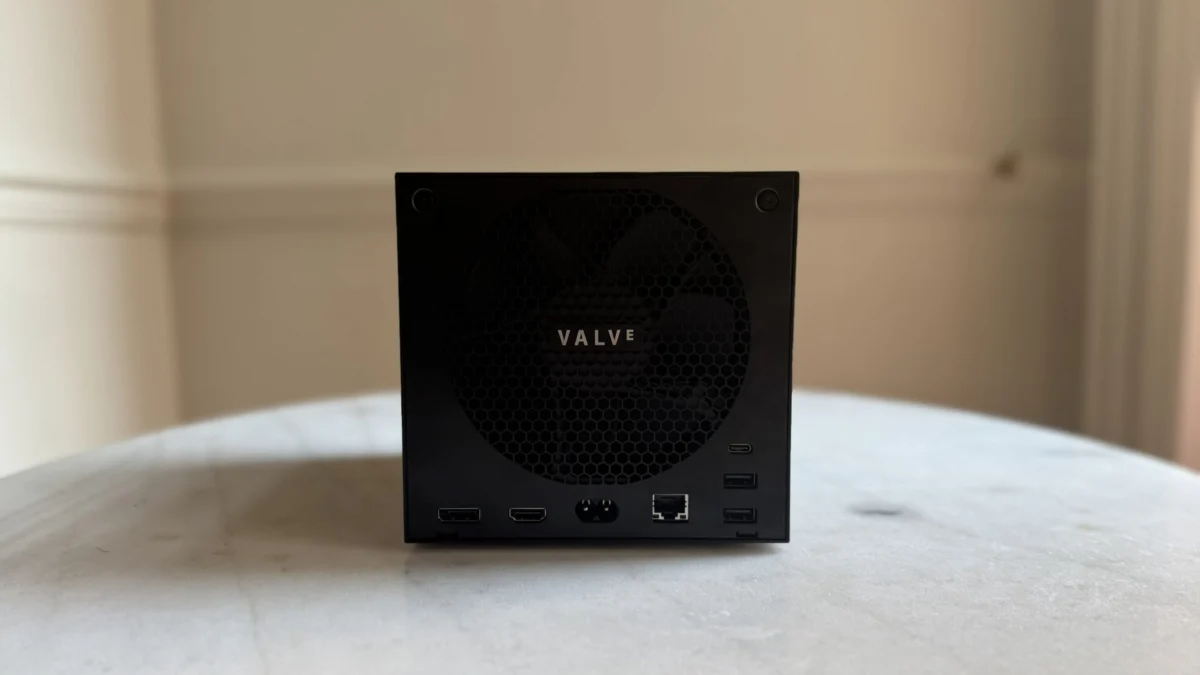
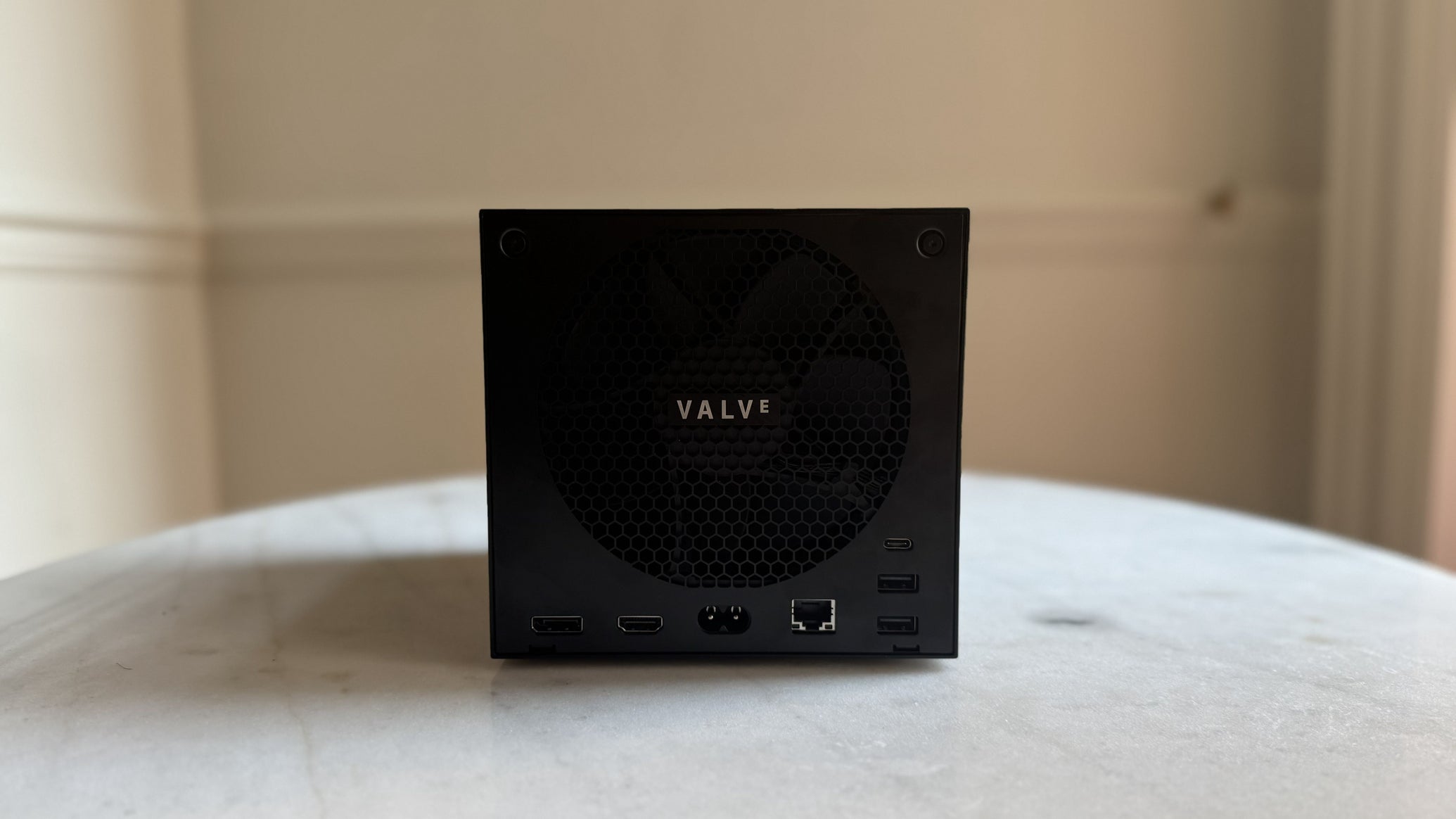
Valve has officially commenced the retail rollout of the long-anticipated Steam Machine, marking the company’s definitive return to the living room hardware market in 2026. This launch follows years of speculation and the massive success of the Steam Deck, positioning the new Steam Machine not as a mere successor to the failed 2015 initiative, but as a premium, high-performance alternative to traditional home consoles. The device, which carries a significant price tag reflective of current global component costs, seeks to bridge the gap between the modularity of PC gaming and the convenience of a plug-and-play console experience. To provide a comprehensive technical assessment of the hardware, Eurogamer has collaborated with hardware specialists from Rock Paper Shotgun (RPS), ensuring a deep dive into the machine’s internal architecture and performance benchmarks against contemporary standards.
A New Era for the Steam Machine: Historical Context and Chronology
The journey to the 2026 Steam Machine has been a decade-long evolution for Valve. The original Steam Machine initiative, launched in 2015, struggled due to a fragmented ecosystem of third-party manufacturers and an underdeveloped version of SteamOS. However, the trajectory of Valve’s hardware division changed fundamentally with the 2022 release of the Steam Deck. By standardizing the hardware and refining SteamOS into a robust, Linux-based gaming environment, Valve proved that a PC-based console could succeed.
The timeline leading to today’s launch is marked by several key milestones:
- 2022-2024: The Steam Deck dominates the handheld market, leading to the "Pro" and "OLED" iterations that refined Valve’s supply chain and thermal management expertise.
- Late 2024: Major AAA titles such as STALKER 2 and Indiana Jones and the Great Circle showcased the limits of handheld hardware, sparking consumer demand for a stationary Valve device capable of higher fidelity.
- 2025: Valve enters secret negotiations with component manufacturers to secure custom silicon, aiming for a device that could compete with the mid-generation refreshes of Sony and Microsoft.
- Early 2026: Official announcement of the new Steam Machine, emphasizing a "quiet, compact, and customizable" philosophy.
Technical Performance and Benchmarking Data
In technical evaluations conducted by James Archer, Deputy Editor at Rock Paper Shotgun, the Steam Machine demonstrates a clear focus on 1080p performance at high frame rates, while utilizing advanced upscaling technologies to reach higher resolutions. The internal hardware, while not explicitly detailed in all configurations, performs comparably to a modern mid-range gaming PC.
Analysis of performance across several high-profile titles reveals the following:
- Resident Evil Requiem: On Low settings with AMD’s FSR 4 set to Performance mode, the Steam Machine maintains a stable 70 frames per second (fps) at 4K resolution.
- Forza Horizon 6: The device averages 57 fps at 4K when utilizing Medium settings and FSR 4 Performance mode.
- 007 First Light: Even in demanding sequences, the machine stays above 40 fps at 4K on Low settings with FSR 4 enabled.
A critical component of this performance is the introduction of FSR 4. Unlike its predecessors, FSR 4 focuses heavily on image reconstruction quality rather than just frame rate boosts. This allows the Steam Machine to output a 4K signal that remains visually sharp and free of the "shimmering" or "mushiness" often associated with earlier upscaling iterations. This technological leap is essential for the Steam Machine to remain competitive against the PlayStation 5 Pro and the rumored high-end specifications of Xbox’s "Project Helix."
Hardware Value and DIY Comparisons
A primary concern for potential buyers is the "performance-per-pound" ratio. In 2026, the landscape of PC building remains impacted by volatile component pricing. According to RPS hardware analysis, building a comparable mini-ITX PC—likely centered around a GPU such as Nvidia’s RTX 5050—would technically offer more raw power for a similar or slightly lower price. However, such a build would struggle to match the Steam Machine’s form factor and acoustic profile.

The Steam Machine’s value proposition lies in its bespoke engineering. While a home-built mini-ITX rig often suffers from cable management issues and loud cooling fans due to space constraints, the Steam Machine operates with remarkable silence. Thermal testing indicates that the CPU peaks at 81°C under heavy load—a safe operating temperature—while the exterior chassis remains only slightly warm to the touch. For users seeking an "understated living room PC," the premium paid for the Steam Machine covers the cost of specialized industrial design and thermal optimization that is difficult to replicate in the DIY market.
Customization and the Open Ecosystem
True to Valve’s philosophy, the Steam Machine offers a level of hardware and software flexibility unseen in traditional consoles. While the core processing units are integrated, users have easy access to:
- Storage: The internal M.2 SSD is accessible for upgrades, supplemented by a high-speed microSD card slot for cost-effective library expansion.
- Memory: The RAM remains user-replaceable, allowing for future-proofing as game requirements evolve.
- Aesthetics: Valve has introduced a modular faceplate system. At launch, options include black, red, and wood-grain finishes, alongside a partnership with Dbrand for a "Companion Cube" themed wrap.
- Lighting: A fully customizable RGB light strip integrated into the chassis can be controlled via the SteamOS interface.
On the software front, the device runs SteamOS 5.0, which includes a dedicated "Desktop Mode." This allows users to treat the device as a standard Linux PC, enabling the installation of third-party launchers such as Lutris or the Epic Games Store. Furthermore, for titles hampered by Linux-incompatible anti-cheat software, users can side-load Windows 11. While this requires booting from an external source or a partitioned drive, tools like Nerdzap have streamlined the process, ensuring that the Steam Machine can theoretically play any game in a user’s library, regardless of platform exclusivity.
Market Positioning and Competitive Analysis
The 2026 Steam Machine enters a crowded market. Valve is not only competing with Sony and Microsoft but also with the "average" gaming PC. Data from recent Steam Hardware Surveys suggests that while high-end GPUs like the RTX 5080 exist, the majority of the player base still utilizes older hardware, such as the aging but persistent GTX 1060. By targeting 1080p/60fps and 4K/Upscaled performance, Valve is positioning the Steam Machine as a "standard-bearer" for the median PC gamer.

Industry analysts suggest that the Steam Machine serves a strategic purpose beyond direct hardware sales. By establishing a high-end "reference design" for a PC console, Valve is encouraging other manufacturers to return to the space, potentially creating a new category of living room hardware that circumvents the closed ecosystems of the PlayStation and Xbox storefronts. This "console-ification" of the PC experience is a direct response to the increasing convergence of game development across platforms.
Official Responses and Industry Implications
In a recent briefing, Valve designers emphasized that the Steam Machine is intended to be a "long-term fixture" in the home. Unlike the Steam Deck, which faces the physical limitations of battery life and weight, the Steam Machine is designed to be a "brute force" solution for the living room. Valve confirmed that the pricing reflects a "no-compromises" approach to build quality, opting for premium materials and a quiet cooling solution over a subsidized entry price.
The implications for the broader industry are significant. If the Steam Machine succeeds, it could signal a shift away from the traditional console cycle. As modern game performance requirements begin to plateau—with 2024 titles like Indiana Jones still representing the high-water mark for graphical fidelity—the Steam Machine may remain relevant for longer than previous console generations. Its ability to utilize FSR 4 and future software-based performance enhancers suggests a device that can grow with the industry rather than being rendered obsolete by a "next-gen" hardware lock.
For consumers, the choice remains one of priority. The Steam Machine offers the most seamless integration of the Steam library into a home theater setup, backed by the technical expertise of a company that has spent the last four years mastering hardware-software synergy. While the "pretty penny" required for entry may deter the budget-conscious, the device stands as a testament to how far PC gaming has come—from a desk-bound hobby to a sophisticated, silent, and powerful centerpiece of modern home entertainment.