


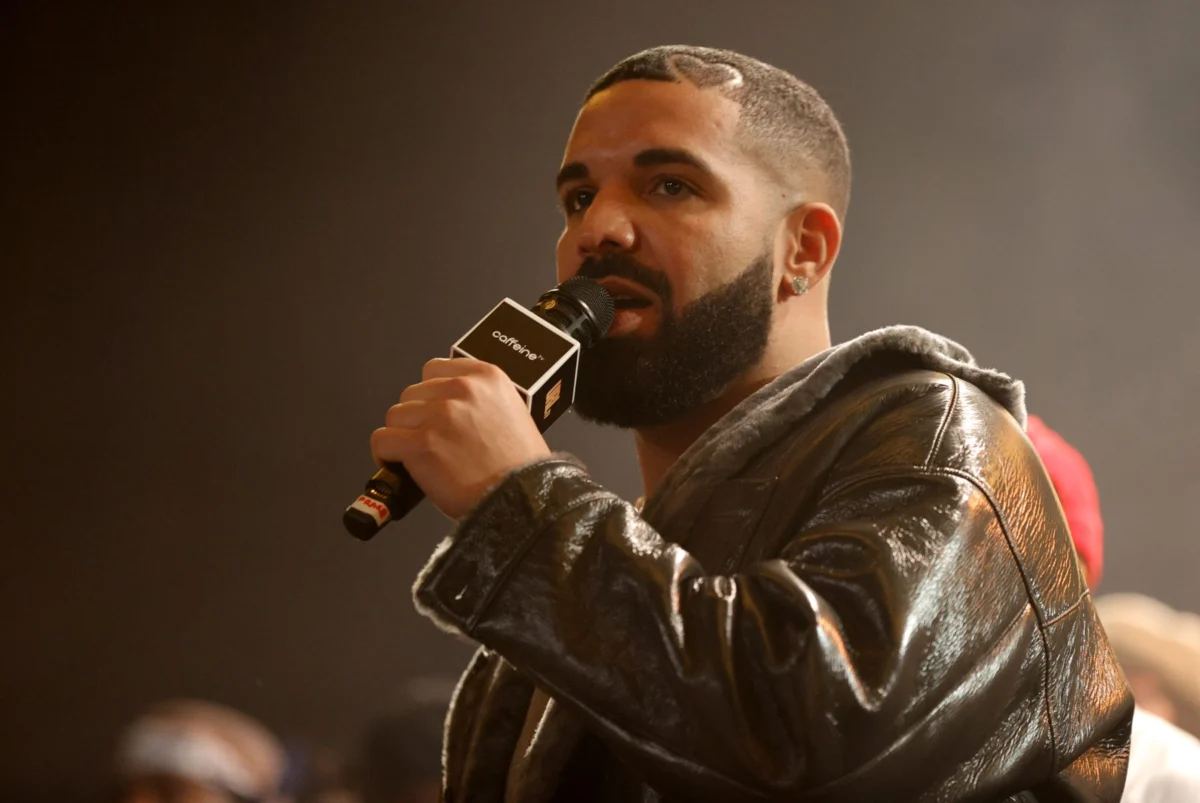
The burgeoning legal entanglement between Drake’s renowned Toronto-based lifestyle brand, October’s Very Own (OVO), and a Florida-based debt lending company, Applied Real Intelligence (A.R.I.), has escalated into a complex and high-stakes legal battle playing out in Canadian courts. At the heart of the dispute lies a substantial loan that has ignited dueling lawsuits, with each party accusing the other of contractual breaches and financial impropriety. The situation highlights the intricate financial dealings often associated with high-profile celebrity ventures and the potential legal ramifications when these arrangements falter.
The Genesis of the Dispute: A Summer Loan Deal Gone Sour
The financial entanglement began in the summer of 2025 when A.R.I., a lending company operating out of Florida, provided OVO with a significant financial injection. The investment, structured through a series of convertible notes, amounted to 5.2 million Canadian dollars, equivalent to approximately $3.7 million USD at the time. This funding was intended to support OVO’s ongoing operations and expansion as a prominent lifestyle brand, co-founded by the global music icon Drake, his long-time manager Oliver El-Khatib, and Grammy-winning producer Noah "40" Shebib. The brand has grown considerably since its inception, extending its reach beyond apparel into various consumer products and establishing a significant global presence.
However, the initial accord between OVO and A.R.I. soured dramatically in early 2026. According to A.R.I.’s claims, OVO defaulted on the loan obligations, citing a failure to meet timely interest payments. This alleged default triggered a demand from A.R.I. for the immediate repayment of the outstanding principal. In response to the lender’s assertions and the perceived threat of further legal action, OVO acquiesced and initiated a repayment process. In May 2026, the company remitted $3.7 million USD back to A.R.I., ostensibly to satisfy the principal loan amount.
The Escalation: A Disputed "Make-Whole" Fee
The situation, however, did not end with the principal repayment. A.R.I. contended that OVO’s repayment, even after the initial remittance, was insufficient to cover its losses. The Florida lender asserted that, as per the terms of their agreement, OVO was obligated to pay an additional fee of 5.3 million Canadian dollars, approximately $3.8 million USD. This substantial sum is often referred to as a "make-whole" fee, a clause designed to compensate a lender for any anticipated loss of future interest income or other financial benefits that would have accrued had the loan run its full term.

A.R.I.’s position is that this fee was an integral part of the agreement, intended to safeguard their investment against premature repayment or default scenarios that could diminish their expected return. The lender argues that OVO’s actions, including the alleged late payments and subsequent repayment before the loan’s maturity, triggered this compensatory provision.
Dueling Lawsuits: Toronto vs. Vancouver
The dispute rapidly escalated into a full-blown legal conflict, with both parties initiating lawsuits against each other. On June 2, 2026, OVO preemptively filed a lawsuit in Toronto, seeking a judicial declaration that it is not liable for the contentious make-whole fee. OVO’s legal team argues that the specific circumstances under which the make-whole fee could be invoked, as outlined in their investment contract with A.R.I., did not materialize.
The OVO lawsuit, as obtained by Billboard, states: "In particular, although A.R.I. alleged defaults and expressly reserved its right to accelerate, A.R.I. did not accelerate the notes prior to negotiating and entering into forbearance terms. Repayment in the context of and pursuant to the forbearance agreement does not trigger an entitlement to a make-whole fee." This legal filing suggests that OVO believes A.R.I.’s actions, particularly entering into a forbearance agreement rather than immediately accelerating the loan, negate the applicability of the make-whole provision. OVO’s strategy appears to be centered on demonstrating that their repayment was a consequence of negotiated forbearance, not a trigger for the additional penalty.
In response to OVO’s legal maneuver, A.R.I. retaliated swiftly. On June 11, 2026, the Florida-based lender filed its own lawsuit against OVO, this time in Vancouver, British Columbia. A.R.I.’s legal action aims to compel OVO to pay the disputed make-whole fee. The lender’s filing emphasizes that this fee was "designed to provide A.RI. with a minimum negotiated return and to protect A.RI. against the loss of the benefit of its bargain if the notes were repaid or otherwise terminated before maturity." This indicates A.R.I.’s firm stance on the validity and enforceability of the make-whole clause.
Statements and Legal Arguments
In a statement accompanying its lawsuit, A.R.I. articulated its perspective on the unfolding situation. The company emphasized its good-faith approach to the transaction, viewing OVO as a "compelling company with substantial brand value and long-term growth potential." A.R.I. stated: "When defaults occurred, A.R.I. did not immediately pursue litigation. Instead, we worked extensively with OVO through a formal workout process and provided the company substantial time and flexibility to resolve the situation outside of court. OVO subsequently acknowledged both the defaults and the debt in writing under a formal forbearance agreement, made only a partial payment, and has now taken the position that millions of dollars remain unpaid despite clear contractual obligations. A.R.I. intends to fully enforce its legal rights and protect its investors through the courts."

This statement suggests a narrative of OVO acknowledging its default and agreeing to a resolution, only to later dispute the financial consequences. The emphasis on a "formal workout process" and "substantial time and flexibility" aims to portray A.R.I. as a reasonable creditor who attempted to resolve the matter amicably before resorting to litigation. The accusation that OVO made only a "partial payment" further bolsters A.R.I.’s claim that the make-whole fee remains outstanding.
Reps for OVO and Drake himself have declined to comment on the ongoing legal proceedings beyond the official court documents filed by their respective legal teams. This standard response is typical in high-profile litigation, where parties often limit their public statements to the precise arguments presented in their legal filings to avoid prejudicing their cases.
Broader Implications and Industry Context
This legal dispute between OVO and A.R.I. serves as a stark reminder of the financial complexities inherent in the modern entertainment and lifestyle industries. Celebrities and their associated brands often engage in sophisticated financial arrangements to fuel growth and expansion. While these partnerships can be mutually beneficial, they also carry inherent risks, particularly when market conditions fluctuate or when contractual obligations are perceived to be unmet.
The make-whole fee, a common feature in complex debt instruments, is designed to protect lenders against the financial impact of early repayment. In this case, the significant sum being disputed underscores the scale of the financial commitment and the potential losses A.R.I. believes it has incurred. The differing interpretations of the contract terms—whether OVO’s repayment triggered the make-whole fee or if it was a result of a negotiated forbearance—will likely be the central focus of the legal proceedings.
The involvement of a prominent artist like Drake adds another layer of public interest to the case. However, the legal arguments will ultimately be decided based on the contractual language and the evidence presented in court, irrespective of the parties’ public profiles. The outcomes of these dueling lawsuits in Canadian courts could have implications for how such investment deals are structured and perceived in the future, particularly for celebrity-backed ventures seeking external financing. The financial health and strategic direction of OVO, a brand that has successfully leveraged Drake’s global influence, may also be impacted by the duration and resolution of this legal entanglement. The protracted legal battle highlights the critical importance of precise legal drafting and clear communication in financial agreements, especially when significant sums of money and high-profile brands are involved.