


The 27th Jeonju International Film Festival is currently showcasing "SOAR," a compelling feature debut by director Kim Dasom, presented within the prestigious Korean Cinema section. Despite navigating a competitive lineup alongside established filmmakers, Kim Dasom’s nuanced portrayal of her protagonists’ emotional depths has positioned her as a significant emerging talent in the South Korean cinematic landscape. The film’s delicate pacing and profound thematic exploration have garnered attention, offering a sensitive yet unflinching look at family dynamics, trauma, and the enduring search for hope.
A Poetic Opening: Setting the Stage for Family Turmoil
"SOAR" immediately immerses the audience in a world of quiet tension and unspoken hardship through a remarkably evocative opening sequence. Director Kim Dasom employs a minimalist yet potent visual language, introducing the central family not through faces, but through symbolic objects and intimate spatial arrangements. The father’s presence is initially defined solely by his worn shoes, placed just outside the shared sleeping space of the mother, eldest daughter, and young son. This deliberate visual choice, deeply rooted in Korean cultural norms where shoes are removed at the threshold to maintain domestic purity, instantly communicates a sense of unease and the father’s encroaching influence even in his absence. The image of the mother and children huddled together on the floor, a physical manifestation of their shared vulnerability and perhaps a desperate attempt at collective comfort, underscores the precariousness of their home environment.
The delicate balance of the scene is disrupted by a song, described as "liberating" and "light," which gently rouses the young son but abruptly startles the mother. Her hushed plea, "Be quiet, you might wake your father!" reveals the underlying fear that permeates their lives. The subsequent realization that the father—and his imposing presence, symbolized by the shoes—is already gone, sets in motion the narrative’s central conflict, hinting at a profound disruption that has already occurred or is on the verge of unfolding. This opening, meticulously crafted with precise dialogue, expressive cinematography, and the judicious use of warm light illuminating the protagonist’s face, establishes a world that, while initially unfamiliar, quickly becomes relatable through its exploration of universal human emotions.
Unraveling the Threads of Trauma and Resilience
The narrative that unfolds from this poignant opening is a refined, though not overtly subtle, allegory for the family’s fractured state. The mother’s act of gathering shards of glass symbolizes the painstaking and dangerous process of trying to mend what has been broken. The young son’s removal from immediate danger highlights the protective instincts that emerge even within a compromised environment. The eldest daughter’s insistence that her mother keep a promise, the nature of which is revealed later, suggests a hidden pact or a long-held unspoken agreement that binds the family.
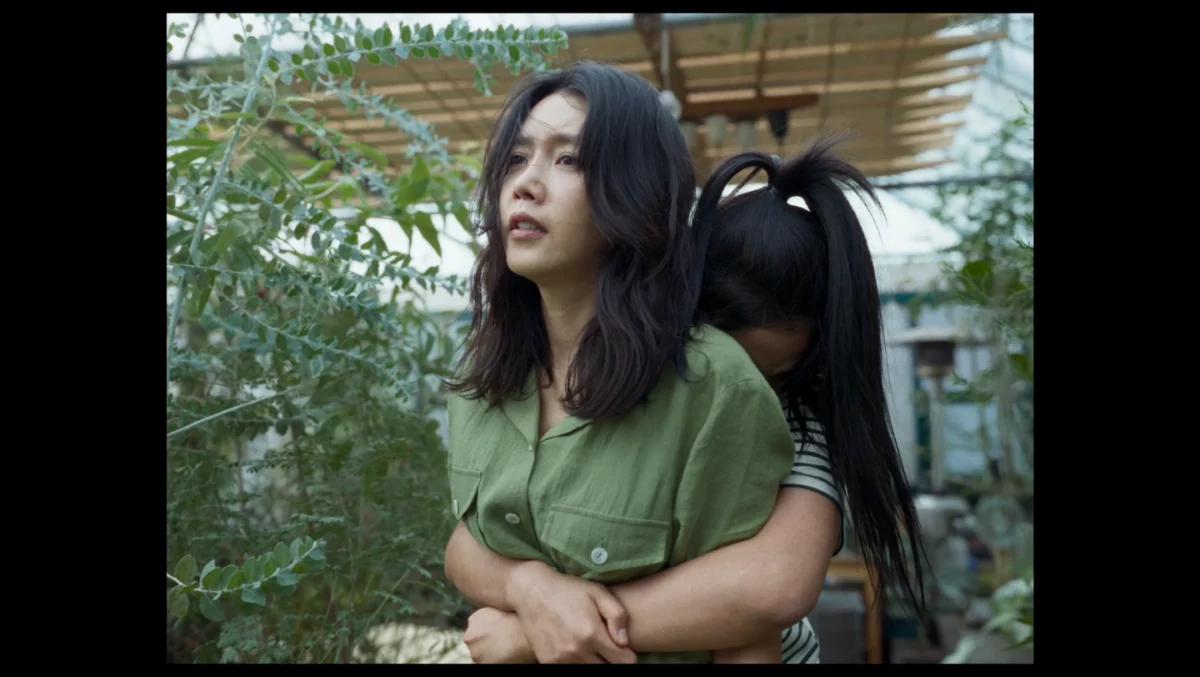
Through these symbolic gestures, the audience is drawn into the world of Hyun-jae (portrayed by Hwang Boun), the film’s central protagonist. Hyun-jae navigates a life overshadowed by a violent father, a reality she confronts with teenage defiance and courage. Her mother, however, operates from a place of ingrained fear, prioritizing appeasement over confrontation, a stark contrast to Hyun-jae’s refusal to submit. This familial dynamic is dramatically altered when Hyun-jae encounters Hae-in (Chae Jungan). Hae-in is a woman consumed by the decade-long search for her missing daughter, Yoon-seul, who was presumed abducted ten years prior. Hae-in’s unwavering dedication, evident in her persistent distribution of flyers at subway exits, serves as a beacon of enduring hope and a stark reminder of the lasting impact of loss.
Hae-in’s genuine interest in Hyun-jae offers the young protagonist a glimpse of an alternative existence, a possibility of finding a sense of belonging or perhaps entering a new familial unit. The profound love Hae-in directs towards the memory of her lost child presents Hyun-jae with the allure of unconditional affection, a stark contrast to the emotional void she experiences. However, the film artfully illustrates that the bonds forged within her own family, however strained and tainted by domestic violence, are not easily severed. The mother’s eventual search for Hyun-jae, the little brother’s palpable sense of missing her, and even the judgment from a close friend—another "runaway kid"—all underscore the complex web of relationships that continue to influence Hyun-jae’s decisions, even when they appear illogical to outsiders.
The Nuances of a Teenager on the Brink
"SOAR" progresses at a deliberate and steady pace, allowing ample space for the exploration of a teenager’s intricate emotional landscape. Hyun-jae stands on the precipice of emotional collapse, yet she exhibits a remarkable capacity to maintain her composure. Despite the lack of stable adult figures in her life, she consistently finds solace and resilience, most notably through singing. This recurring motif, echoing the film’s opening, remains one of its most poetic and impactful elements, serving as a testament to her inner strength and a means of emotional catharsis.
The film requires a significant degree of empathy from its audience. Hyun-jae is not presented as a simply "troubled" girl, but rather as a young individual grappling with profound internal void. At times, this emptiness threatens to overwhelm her, manifesting in behaviors that deviate from societal norms, suggesting the deep psychological toll of her upbringing. The stark dialogue exchanges, such as "Did you want to kill him?" and "Disgusting, right? And twisted," offer glimpses into the dark thoughts and moral ambiguities Hyun-jae is forced to confront, revealing the complex inner world of a survivor.
A Compassionate Gaze Towards the Mother’s Plight
A central tenet of Kim Dasom’s directorial approach in "SOAR" is the plea for a less judgmental perspective on the mother, portrayed by veteran actress Bae Hae-sun. Bae Hae-sun delivers a measured and understated performance that perfectly embodies the character’s quiet resignation. The director extends a degree of tolerance towards this character, striving to illuminate her internal struggles and the difficult choices she has been compelled to make.
The mother’s passivity, perceived ineptitude, or sheer helplessness in the face of violence, challenges the audience to broaden their understanding. It is evident that she fails both in keeping her promise and in adequately protecting her children. Instead, she opts for what she perceives as the safer, or perhaps less risky, path. Kim Dasom allocates the mother only a few lines of dialogue, yet these are crucial in revealing her as a primary victim. Her suffering stems not only from an abusive husband but also from an "obsolete system" that, for a generation of Korean women, dictated economic dependence on their husbands, regardless of their husbands’ evolving character. This systemic subjugation often stripped women of their autonomy and left them trapped in cycles of abuse, with limited avenues for escape or recourse.
Cinematic Craftsmanship and Lingering Resonance
The meticulous dedication of cinematographer Kang Jeonghoon is evident in his camera’s exploration of gestures, subtle shifts in position, and the lingering focus on facial details. This visual language reflects the careful consideration Kim Dasom has invested in her imagery, resulting in compositions that never feel arbitrary. The quiet precision of the cinematography is further enhanced by the understated yet powerful performances of the central female actors, who act as modest allies to the visual narrative.
The most enduring impression left by "SOAR" is the profound meaning embedded within its Korean title, "igijeok-in sungan" (이적인 순간), which translates to "for the present moment." Through a masterful and deliberate use of light that captures fleeting emotions and precise moments, the film ultimately emphasizes the richness and significance of the present, anchoring the narrative at its core. This emphasis on living in and finding meaning within the present moment, despite the weight of past trauma and the uncertainty of the future, provides a powerful and resonant conclusion to a film that bravely explores the complexities of the human spirit.
Context of the Jeonju International Film Festival and "SOAR’s" Significance
The inclusion of "SOAR" in the Korean Cinema section of the 27th Jeonju International Film Festival (JIFF) highlights the festival’s commitment to showcasing emerging talent and diverse cinematic voices. JIFF, established in 2000, has grown into one of South Korea’s most prominent film festivals, renowned for its focus on independent and arthouse cinema, as well as its dedication to promoting new directors and exploring contemporary social issues through film. The festival typically features a wide array of international and domestic films, with a strong emphasis on the Korean independent film scene.
"SOAR’s" selection signifies its critical reception and its alignment with JIFF’s curatorial vision. The festival often serves as a crucial platform for films that might otherwise struggle to gain mainstream distribution, providing them with exposure to industry professionals, critics, and a discerning audience. For a debut feature like "SOAR," this opportunity is invaluable, offering a chance for the film to find its audience and for director Kim Dasom to build upon her early success. The competitive nature of the Korean Cinema section, as noted in the original article, underscores the quality of films presented and the festival’s role in identifying promising new filmmakers.
The film’s thematic concerns—domestic violence, intergenerational trauma, the search for belonging, and the systemic oppression of women—are significant topics within contemporary South Korean society. Films that tackle these issues often resonate deeply with audiences and spark important conversations. "SOAR" appears to engage with these themes through a lens of profound empathy and artistic sophistication, making its presence at JIFF particularly noteworthy.
Broader Implications and Future Trajectories
The success of "SOAR" at the Jeonju International Film Festival has potential implications for both director Kim Dasom and the broader landscape of Korean cinema. For Kim Dasom, this feature debut marks a significant step in her career. The positive reception suggests a strong foundation for future projects, and her ability to craft such emotionally resonant narratives could position her as a sought-after filmmaker for stories that require sensitivity and depth. The film’s exploration of complex female characters and challenging social issues aligns with a growing global interest in diverse storytelling.
For the South Korean film industry, "SOAR" contributes to the ongoing narrative of female directors making impactful contributions. In recent years, there has been a discernible increase in the number of women helming critically acclaimed films, challenging traditional industry structures and bringing fresh perspectives. Films like "SOAR" can inspire other emerging female filmmakers and encourage greater investment in their projects.
The film’s success also highlights the enduring power of independent cinema to address difficult truths and foster empathy. While South Korea is globally recognized for its blockbuster successes, films like "SOAR" demonstrate the vital role of independent productions in exploring the nuances of human experience and societal challenges. The film’s ability to connect with audiences on an emotional level, even when dealing with heavy subject matter, speaks to its artistic merit and its potential for broader cultural impact. The lingering resonance of its title, "for the present moment," offers a powerful message of resilience and the continuous pursuit of hope, a theme that is universally relevant and likely to continue to shape discussions around the film.