


Narrative Architecture and the Mechanics of Horror
The film opens with a sequence that establishes its central supernatural conceit: an invisible predator that manifests as the person its victim desires most. This "sinister seducer" is introduced through a cold open featuring a lesbian lifeguard whose moment of private intimacy in a poolside shower turns fatal. The entity is later revealed to be the byproduct of a hex cast by a local extremist church—a supernatural manifestation of the "conversion therapy" practices designed to instill fear in queer congregants. This plot point serves as a literalization of the religious rhetoric often directed at queer youth, specifically the warning that their desires are inherently destructive.
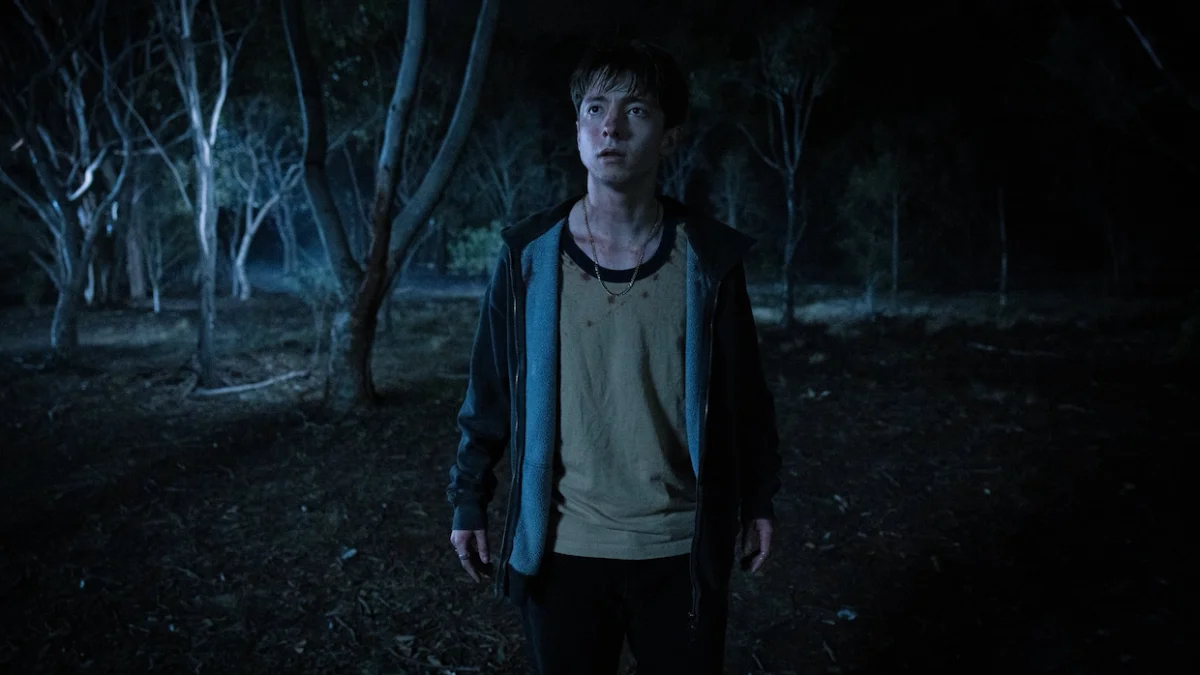
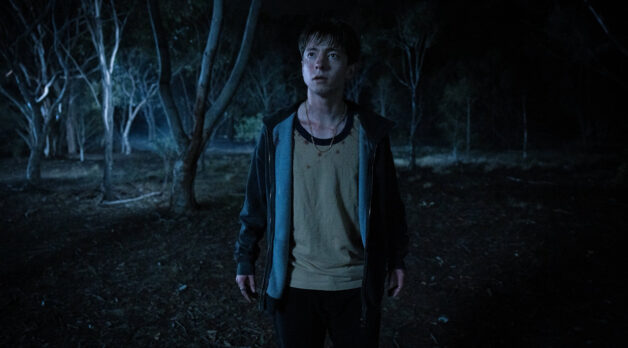
The story centers on Naim (Joe Bird), a reserved newcomer to a rural Australian town dominated by a cult-like religious community. Naim’s burgeoning relationship with the charismatic Ryan (Stacey Clausen) becomes the focal point of the entity’s attention. The tension escalates when Hunter (Jeremy Blewitt), the closeted son of the local preacher, becomes entangled in their lives. Following a moment of jealousy and perceived betrayal, Naim inadvertently triggers a chain of events that exposes the boys to the church’s "cleansing" rituals, leading to a desperate struggle for survival against both the supernatural monster and the human community that summoned it.
Thematic Context: Conversion Therapy and Social Allegory
Leviticus (2026) arrives at a significant moment in the global conversation regarding conversion practices. While many jurisdictions, including several Australian states such as Victoria and Queensland, have moved to ban such practices, the film highlights the persistent underground nature of these "therapies" and the psychological scars they leave behind. By framing the church’s actions as a literal curse, Chiarella positions homophobia as a "brute-force" instrument of control that transforms private lust into public terror.
The film’s title refers to the biblical book of Leviticus, frequently cited in religious arguments against homosexuality. By reclaiming this title for a horror film, Chiarella engages with the "modern biblical parable" format. The director has noted that the genre has historically served as a refuge for queer audiences, citing films like A Nightmare on Elm Street 2: Freddy’s Revenge (1985) and John Carpenter’s The Thing (1982) as foundational influences. These films, which deal with themes of the "hidden self" and the inability to trust those around you, provide the aesthetic and thematic blueprint for the 2026 production.
Visual Language and Production Design
The production design of the film emphasizes a "dreary, vacant hostility," utilizing the contrast between man-made industrial structures and the expansive, indifferent pastoral landscapes of the Australian "boondocks." This visual dichotomy is intended to reflect the tension between human-imposed rules and the natural universe. Cinematographically, the film relies heavily on motifs of perception and surveillance. Much of the horror is glimpsed through mirrors, windows, and camera lenses, or observed impassively by bystanders who are unable or unwilling to see the threat.
This "blinkering" of the supporting characters serves as a metaphor for the willful ignorance and denial often faced by queer youth. Those who are not targeted by the curse are physically incapable of seeing the monster, mirroring the way systemic oppression can be invisible to those it does not directly affect. The use of Mia Wasikowska as Naim’s mother adds a layer of complex emotional stakes; her character oscillates between maternal protection and the "predatory love" of a community that believes it is saving its children through oppression.
Chronology of Development and Release
The development of the film began in the early 2020s, as Chiarella sought to respond to a perceived rise in anti-LGBTQ+ sentiment globally.
- 2023-2024: Script development and casting. The attachment of Mia Wasikowska, an internationally recognized talent known for Alice in Wonderland and Crimson Peak, provided the project with significant industry momentum.
- 2025: Principal photography took place on location in regional Australia, utilizing weathered architecture to ground the film’s supernatural elements in a gritty, recognizable reality.
- 2026: The film’s premiere and subsequent release. Its arrival coincides with a period where "prestige horror" or "elevated horror" continues to dominate the independent film market, following the success of studios like A24 and Neon.
Industry Impact and Performance Analysis
Early analysis suggests that Leviticus (2026) stands out in the current cinematic landscape by returning to a narrative of crisis and prejudice at a time when many queer-centric films have moved toward "post-struggle" stories. By centering the plot on the trauma of conversion therapy, the film demands a confrontation with issues that some segments of society consider relics of the past.
The casting of Joe Bird, who gained acclaim for his performance in the Australian horror hit Talk to Me (2023), further aligns the film with the "New Wave" of Australian horror. Industry experts suggest that the film’s blend of visceral genre thrills and deep-seated social anxiety makes it a strong contender for international festival circuits, particularly those focused on genre-bending narratives.
Broader Implications of the "Modern Parable"
The conclusion of the film departs from the traditional "oppressive doom" found in many 20th-century queer tragedies. Instead, it offers an ambiguous hope that acknowledges the permanence of trauma. Chiarella has stated that the film’s ending subverts the horror trope of the "undying monster" to represent the lingering nature of psychological scars. The implication is that while the boys may survive the physical threat, the trauma of their experience "may never go away."
This shift toward a more complex, psychologically grounded ending reflects a broader trend in 2020s filmmaking, where the resolution of the plot does not necessarily equate to the resolution of the character’s internal conflict. Leviticus (2026) thus functions as both a genre-compliant horror film and a serious exploration of the durability of the human spirit in the face of institutionalized hate.
Supporting Data and Social Context
The themes explored in the film are grounded in contemporary sociological data. According to various human rights reports from 2023 and 2024, LGBTQ+ youth remain significantly more likely to experience homelessness, depression, and anxiety compared to their heterosexual peers, often as a direct result of family rejection or religious pressure. Furthermore, while legislative progress has been made, "conversion practices" continue to be documented in various forms, ranging from pastoral counseling to more extreme psychological interventions.
By utilizing the "monster" as a stand-in for these real-world pressures, Leviticus (2026) provides a framework for audiences to empathize with the isolation felt by those in restrictive environments. The film’s reliance on "seeing is believing" as a central theme encourages viewers to acknowledge the lived realities of marginalized groups that are often dismissed as "phases" or "external influences" by the broader public.
The film is expected to spark renewed discussion regarding the role of horror in social advocacy. As Chiarella’s debut feature, it establishes him as a director capable of navigating the delicate balance between commercial genre expectations and profound, often uncomfortable, social truths. Through its savvy enactment of horror conventions and its commitment to a specific, localized setting, Leviticus (2026) unearths the "terrible and intimate" realities of the modern queer experience.