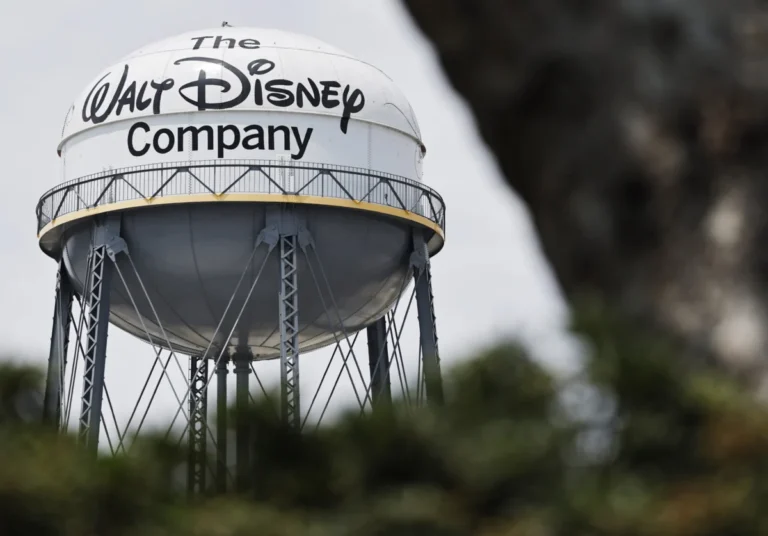


The Walt Disney Company has formally escalated its legal and regulatory confrontation with the Federal Communications Commission (FCC), filing a series of broadcast license renewal applications "under protest." This move comes in direct response to what the media giant characterizes as an "unlawful, arbitrary, and unconstitutional" mandate by the federal regulator to subject eight of its owned-and-operated ABC stations to an expedited review process. The dispute, which centers on the intersection of corporate diversity initiatives, administrative overreach, and First Amendment protections, represents one of the most significant challenges to the FCC’s licensing authority in several decades.
At the heart of the conflict is the FCC’s decision, announced in late April 2026, to move up the license renewal deadlines for Disney’s primary broadcast outlets. Under standard regulatory cycles, these licenses—covering major market stations such as WABC-TV in New York and KABC-TV in Los Angeles—were not scheduled for expiration until a window between 2028 and 2031. By forcing an early renewal, the FCC has effectively shortened Disney’s guaranteed operational window, citing ongoing concerns regarding the company’s Diversity, Equity, and Inclusion (DEI) practices. Disney’s legal team argued in its Thursday filings that the commission’s order lacks a legitimate regulatory purpose and constitutes an unprecedented departure from established administrative norms.
The Regulatory Framework and the "Public Interest" Standard
To understand the gravity of this dispute, one must examine the statutory framework governing American broadcasting. Under the Communications Act of 1934, the FCC is tasked with ensuring that broadcast stations operate in the "public interest, convenience, and necessity." Broadcast licenses are not permanent property rights but are instead temporary authorizations, typically granted for eight-year terms.
While the FCC has broad latitude to investigate licensees, the process of "pulling forward" a renewal date is exceedingly rare. Disney’s filing noted that the commission has not utilized such an extraordinary measure in over fifty years. Typically, investigations into a station’s conduct are handled through Notices of Apparent Liability or letters of inquiry that do not interfere with the standard licensing clock. By accelerating the renewal process, the FCC has opened a window for third-party "petitions to deny," a procedural mechanism that allows the public or interest groups to formally argue that Disney is unfit to hold a broadcast license.
Chronology of the FCC-Disney Dispute
The friction between the federal regulator and the entertainment conglomerate did not emerge in a vacuum. It is the result of a multi-year investigation that began in early 2025.
March 2025: The FCC officially launched an investigation into Disney and several other major media companies. The inquiry focused on whether corporate DEI mandates resulted in "invidious discrimination" that violated the Communications Act’s prohibition on unlawful discrimination in employment and programming.
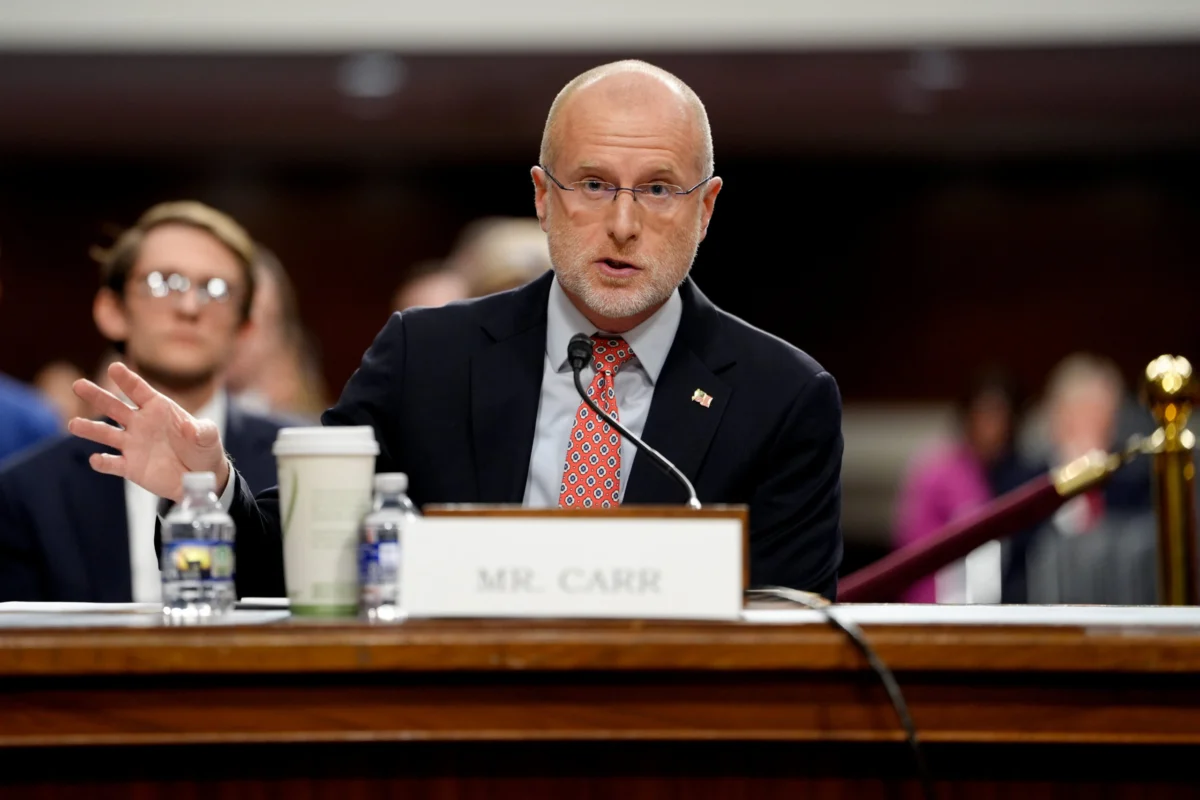
Late 2025: During a Senate Commerce, Science, and Transportation Committee oversight hearing, FCC Commissioner (now Chair) Brendan Carr signaled that the agency was dissatisfied with the level of cooperation from major broadcasters. Carr emphasized that the FCC’s role includes ensuring that licensees do not engage in discriminatory practices under the guise of social initiatives.
April 2026: The FCC issued an order requiring Disney to file for early renewal of its eight ABC-owned stations. The agency stated that previous responses from Disney regarding its DEI efforts were "disingenuous" and "nonresponsive."
May 2026: Disney filed its applications under protest, setting the stage for a high-stakes legal battle that could reach the federal appellate courts.
The Eight Stations at Risk
The stations caught in the crosshairs of this regulatory battle are the crown jewels of the ABC broadcast portfolio. They represent some of the most lucrative and influential media properties in the United States:
- WABC-TV (New York, NY): The flagship station of the ABC network and the most-watched local station in the country.
- KABC-TV (Los Angeles, CA): A critical hub for West Coast news and entertainment.
- WLS-TV (Chicago, IL): A dominant force in the Midwest market.
- WPVI-TV (Philadelphia, PA): Known for its "Action News" format and long-standing market leadership.
- KGO-TV (San Francisco, CA): A key outlet for the Bay Area.
- KTRK-TV (Houston, TX): A vital asset in the rapidly growing Texas market.
- WTVD (Raleigh-Durham, NC): A major player in the Research Triangle region.
- KFSN-TV (Fresno, CA): A dominant station in California’s Central Valley.
Collectively, these stations reach millions of households and generate billions of dollars in advertising and retransmission consent revenue. The threat of non-renewal, however remote, introduces significant financial and operational uncertainty for Disney shareholders.
The DEI Investigation: "Invidious Discrimination" vs. Corporate Policy
FCC Chair Brendan Carr has been the primary architect of the agency’s scrutiny of DEI. In a recent interview on CNBC’s "Squawk on the Street," Carr rejected the notion that the FCC’s actions were a violation of the First Amendment. Instead, he framed the issue as a matter of compliance with civil rights standards within the telecommunications industry.
"We’ve been very clear about what this is: concerns about invidious forms of DEI discrimination," Carr stated. He argued that the agency’s investigation is focused on whether Disney’s internal quotas or hiring practices have crossed the line into illegal discrimination, which would technically render a licensee "unfit" under the character qualifications required by the FCC.
Disney, conversely, maintains that its DEI efforts are both legal and essential to its mission as a global storyteller. The company’s filing asserts that the FCC is using its licensing power to punish the company for its expressive activities and internal management decisions. Legal analysts suggest that Disney will likely argue that the FCC is "bootstrapping" an employment law issue into a broadcast licensing issue, a move that may exceed the agency’s statutory jurisdiction.
Political Context and First Amendment Concerns
The timing of the FCC’s order has led to widespread speculation regarding political motivations. The early renewal mandate followed closely on the heels of public criticism from the Trump administration directed at ABC. Specifically, President Donald Trump had expressed dissatisfaction with the network following a series of monologues by late-night host Jimmy Kimmel, whose show Jimmy Kimmel Live! airs on ABC.
Critics of the FCC’s current direction, including sitting FCC Commissioner Anna Gomez, have voiced concerns that the agency is being "weaponized" to settle political scores. Gomez suggested in a social media post that the scrutiny appeared to be politically motivated rather than a neutral application of regulatory oversight.
The First Amendment serves as a formidable shield for broadcasters. While the "scarcity doctrine" (the idea that the airwaves are a limited public resource) gives the FCC more power over TV stations than it has over newspapers, the Supreme Court has historically protected broadcasters from "viewpoint discrimination." If Disney can prove that the FCC’s investigation is a pretext for punishing the network’s editorial content or the speech of its employees, the agency’s order could be vacated by the courts.
Potential Implications for the Media Industry
The outcome of this dispute will have far-reaching consequences for the entire media landscape. If the FCC successfully uses DEI investigations as a basis for early license renewals, it establishes a new precedent for regulatory intervention in corporate governance.
- Chilling Effect on Programming: Broadcasters may become more cautious in their editorial decisions to avoid drawing the ire of the commission, potentially stifling political satire or investigative journalism.
- Regulatory Uncertainty: The tradition of stable, predictable eight-year license terms could be replaced by a more volatile system where licenses are subject to the prevailing political winds of the commission’s majority.
- Legal Challenges to DEI: This case mirrors broader national debates over DEI. Following the Supreme Court’s 2023 ruling against affirmative action in higher education, corporate DEI programs have faced a wave of litigation. The FCC’s action brings this battle into the specific arena of federally licensed industries.
Next Steps in the Process
With Disney’s applications now filed "under protest," the FCC will proceed with a public notice period. This phase allows any interested party to file a "Petition to Deny." These petitions can range from localized complaints about station service to broad ideological challenges regarding the network’s national content.
Disney will have the opportunity to file oppositions to any such petitions. If the FCC finds that "substantial and material questions of fact" exist regarding Disney’s qualifications, the matter could be designated for a hearing before an Administrative Law Judge. This process is notoriously long and expensive, often taking years to resolve.
As the 2026 election cycle approaches, the Disney-FCC battle is likely to remain a focal point of the national discourse on corporate power, government regulation, and the limits of free speech in the 21st century. For now, Disney remains defiant, signaling that it is prepared to defend its broadcast licenses in the courtroom if the commission continues its current trajectory.