


A Return to Form for a Master of the Macabre
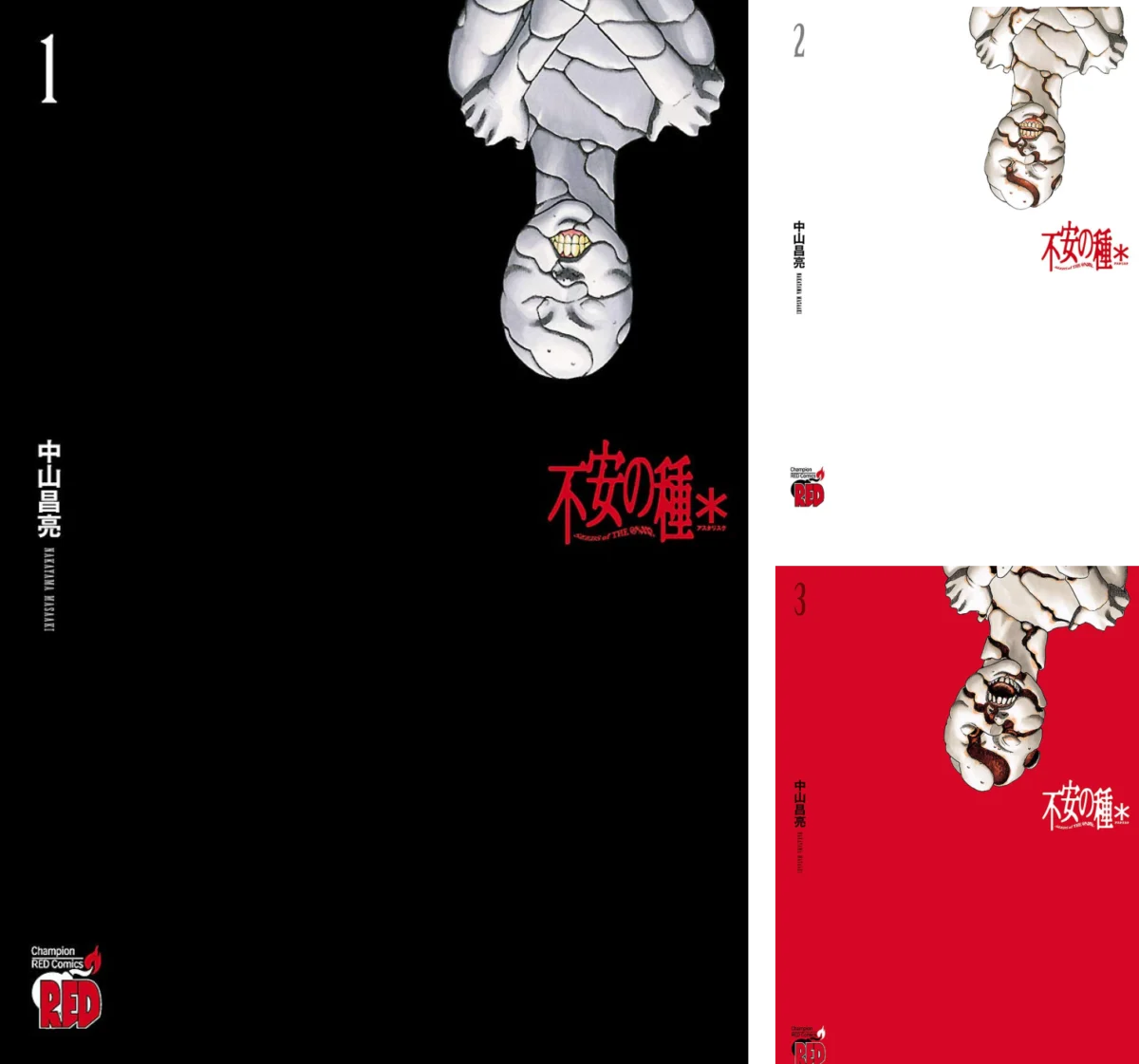
Masaaki Nakayama, a veteran of the horror and kaiki manga landscape, revisits his seminal "Seeds of Anxiety" series with "Seeds of Anxiety* Asterisk." This latest release marks a significant moment for fans of the genre, particularly those who have followed Nakayama’s career since his early works in the 2000s. The original "Seeds of Anxiety" series, along with its spin-off "Seeds of Anxiety Plus," laid the groundwork for a unique brand of horror rooted in the unsettling normalcy of everyday life. The collection even spawned a live-action adaptation in 2013, directed by Toshikazu Nagae, which garnered attention before a prolonged hiatus in new material. This hiatus, spanning over a decade, was finally broken during the recent global pandemic, allowing Nakayama to re-engage with his foundational work and introduce it to a new, international audience.
For long-time manga enthusiasts, the prospect of genuine novelty can sometimes be elusive. However, "Seeds of Anxiety* Asterisk" demonstrates that certain classic formulas remain remarkably effective. The collection’s enduring appeal lies in its ability to evoke a timeless sense of dread, proving that the power of well-crafted horror does not diminish with age. It’s a testament to Nakayama’s skill that these stories, some originating from the early 2000s, feel as potent and unnerving today as they did upon their initial publication.
Unpacking the Urban Terrors: Setting and Themes
The narratives within "Seeds of Anxiety* Asterisk" are intrinsically linked to the unique geographical and cultural landscapes of Japan. Nakayama masterfully sets his stories in a variety of locales, from the stark, semi-abandoned urban sprawls of Hokkaido to the seemingly tranquil, yet often unsettling, suburban fringes of the Tokyo megalopolis. These settings are not mere backdrops; they are integral to the psychological fabric of the horror, reflecting how the mundane can become a breeding ground for the inexplicable.
Readers are introduced to scenarios that tap into a universal feeling of unease, that prickle of dread that arises without a discernible cause. The comic book delves into these moments, exploring the unexplainable phenomena that trigger them. Encounters with spectral figures – a mysterious woman on an empty train car inquiring about her appearance, a seemingly benign elderly man whose eye sockets reveal gaping voids of darkness, or an unnervingly familiar stranger appearing at one’s doorstep in the dead of night – are presented not as overt supernatural assaults, but as insidious intrusions into the characters’ reality. The persistent question posed to the reader and the characters alike is whether these are mere figments of the imagination or manifestations of something far more sinister.
This thematic focus on psychological distress and unexplained phenomena aligns closely with Nakayama’s other well-regarded works, most notably "PTSD Radio." For those who first encountered Nakayama’s work through "PTSD Radio," "Seeds of Anxiety* Asterisk" will likely feel like a comfortable, albeit chilling, return. Both series feature self-contained short stories where malevolent entities disrupt the ordinary lives of unsuspecting individuals. The recurring locales, particularly the outskirts of Tokyo and Hokkaido, are significant. These regions are, by a kind of national consensus, notorious for their rich tapestry of urban legends, lending an additional layer of authenticity and foreboding to Nakayama’s tales.
The Genesis of Fear: Hokkaido and Tokyo’s Darker Narratives
The prominence of Hokkaido and Tokyo as settings for these urban legends is rooted in specific historical and socio-cultural contexts. In the case of Tokyo, its dense urban environment, characterized by labyrinthine alleys and a constant influx of diverse individuals, provides a fertile ground for the emergence of peculiar and often unsettling tales. The sheer scale and anonymity of the metropolis can amplify feelings of isolation and vulnerability, making it easier for urban myths to take root and spread.
Hokkaido’s reputation for haunting folklore, however, stems from a more complex and tragic history. Following the Meiji Restoration, the northernmost island of Japan was forcibly integrated into the nation. This period saw the mass migration of pioneers, known as kaitakusha, from mainland Honshu, leading to the systematic displacement and decimation of the indigenous Ainu people. Consequently, local legends and folklore often speak of Ainu spirits and deities who continue to haunt the land that was unjustly taken from them. These historical grievances and the lingering presence of ancestral spirits imbue Hokkaido’s landscape with a unique and profound sense of sorrow and supernatural dread, which Nakayama effectively harnesses in his storytelling.
A Comparative Look: "Seeds of Anxiety*" vs. "Suburban Hell"
While both "Seeds of Anxiety* Asterisk" and Taro Kanafuro’s "Suburban Hell" explore the realm of urban legends, their thematic approaches diverge significantly. Kanafuro’s work often delves into urban legends tied to specific social archetypes and the societal pressures that can foster psychopathic tendencies. It examines how societal ills can create fertile ground for the development of disturbed individuals.
In contrast, Nakayama’s "Seeds of Anxiety* Asterisk" maintains a steadfast focus on the spiritual and the paranormal. The horror derived from Nakayama’s stories does not typically stem from a readily identifiable human antagonist or a direct consequence of social pathology. Instead, his characters find themselves grappling with phenomena for which they can offer no logical or scientific explanation. This very inability to rationalize their experiences is what makes the accounts so profoundly relatable and, consequently, all the more terrifying. The fear is amplified by its inexplicable nature, leaving the characters (and the reader) adrift in a sea of uncertainty and dread.
The Visual Language of Fear: A Nostalgic Aesthetic
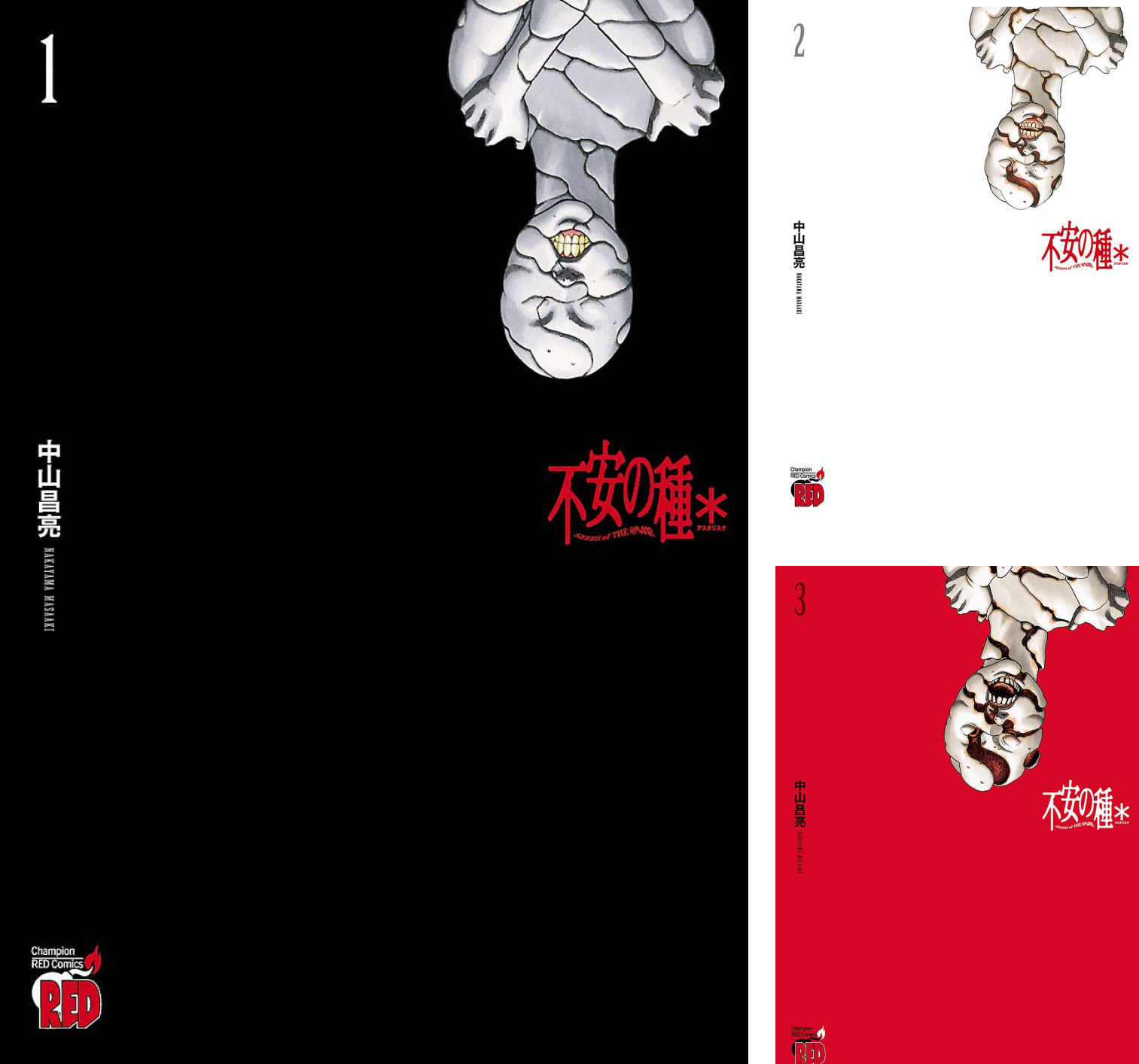
The visual presentation of "Seeds of Anxiety* Asterisk" further enhances its evocative power. Nakayama employs a distinctive art style that harks back to the aesthetics of the 1990s. This is evident in the character designs, from their hairstyles to their fashion choices, which are clearly indicative of that era. Even the depiction of the spectral entities, often reminiscent of the iconic Sadako from "The Ring," carries a vintage allure.
However, Nakayama also artfully incorporates deliberate anachronisms, which serve to destabilize the reader’s sense of time and place. For instance, the presence of characters taking food pictures with smartphones, a practice that became widespread in the 2000s, within narratives that otherwise evoke an earlier period, creates a subtle yet unsettling dissonance. This blend of nostalgic elements and unexpected modern touches contributes to the overall eerie and disorienting atmosphere of the collection, blurring the lines between past and present, reality and illusion.
A Legacy of Chills and Anticipation
"Seeds of Anxiety Asterisk" is more than just a collection of horror stories; it is a carefully curated experience that taps into the enduring power of urban legends and the psychological impact of the unexplained. As the first volume in a series that promises nine more installments, this release sets a high bar for the subsequent volumes. Readers are left not only with a sense of profound unease but also with a keen anticipation for what other chilling tales Masaaki Nakayama has in store. The hope, as with any encounter with the uncanny, is that the horrors remain confined to the pages of the manga, and that one does not, for instance, encounter a kuchisake-onna* (slit-mouthed woman) on their next commute. The enduring legacy of Nakayama’s work lies in its ability to linger in the mind, a testament to his mastery of conjuring fear from the shadows of the familiar.