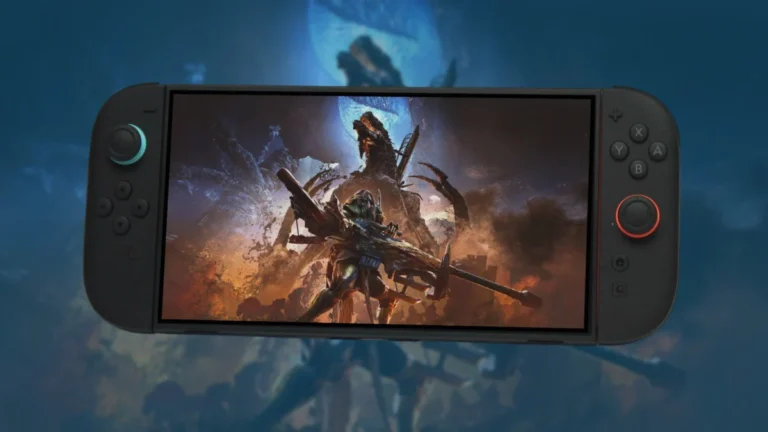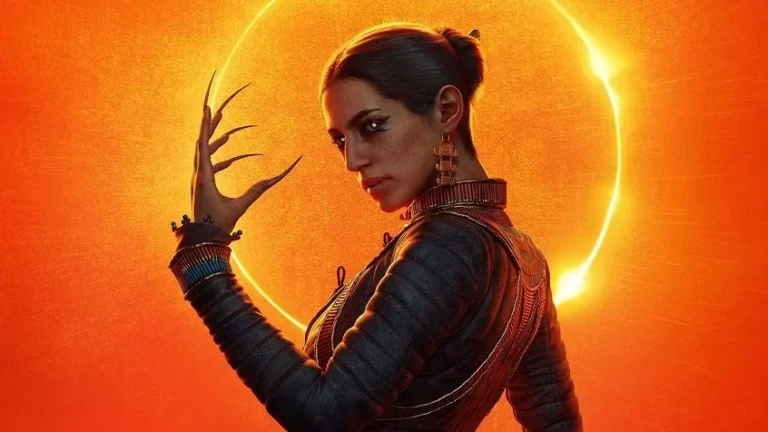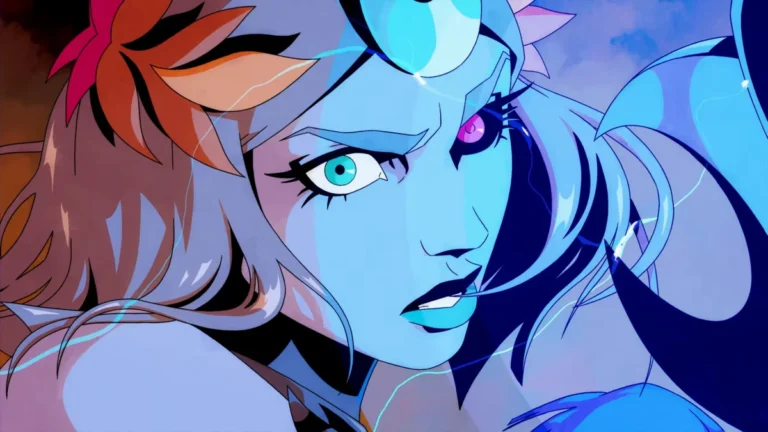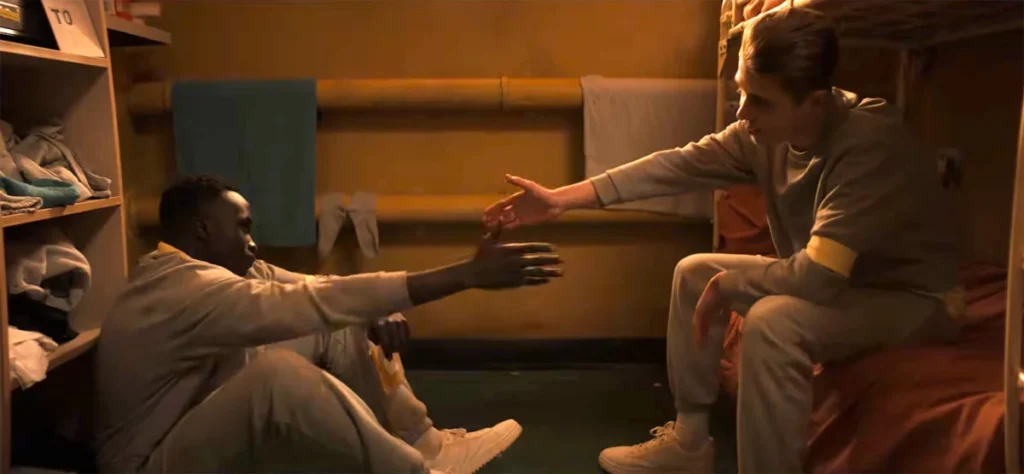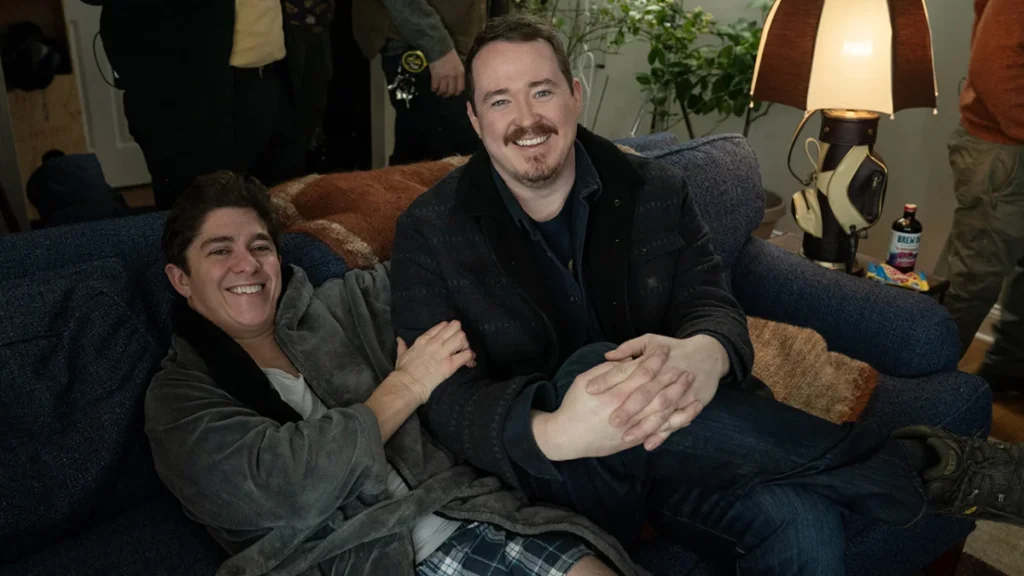



The independent development studio AdHoc has officially deployed a significant update for its superhero workplace comedy, Dispatch, specifically targeting the Nintendo Switch platform. Titled the "HR Violations Pack," this patch serves as a direct response to the critical feedback received from the gaming community regarding the censorship measures implemented during the title’s initial launch on Nintendo’s ecosystem. The update introduces a suite of customization options that allow players to modulate the level of explicit content displayed, navigating the complex regulatory landscape of platform-specific content mandates while attempting to restore the developer’s original creative vision.
Technical Overview of the HR Violations Pack
The HR Violations Pack is now available for download across major territories, including North America, Europe, Australia, and New Zealand. The primary function of this update is to grant users the agency to toggle the visibility of adult-oriented assets that were previously obscured by mandatory censorship. Specifically, players can now choose to reveal or hide depictions of breasts, buttocks, and "birds"—a colloquialism used by the developers to refer to obscene digital gestures.
However, the implementation of this patch reveals the persistent friction between creative expression and platform-holder policies. Despite the new options, certain "hard requirements" imposed by Nintendo remain in effect. These non-negotiable mandates ensure that certain elements remain restricted regardless of user preference. Most notably, the depiction of male genitalia remains prohibited, and audio files associated with sexual pleasure continue to be dampened or muted on the Switch version of the game.
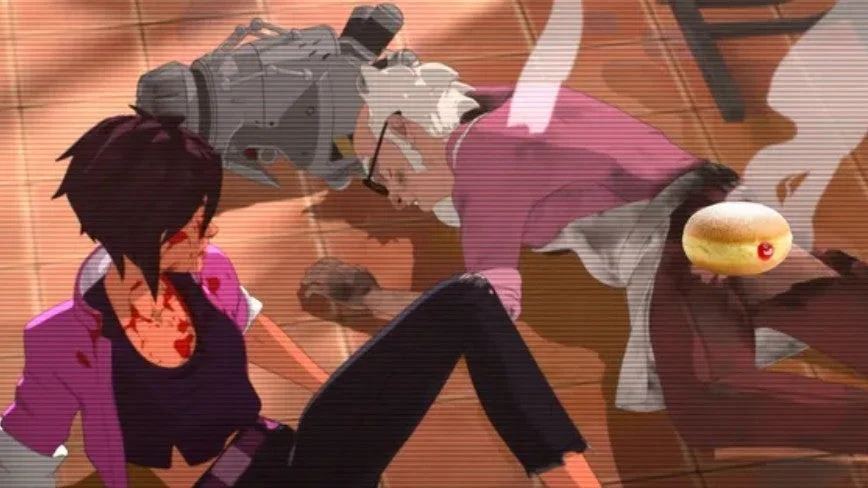
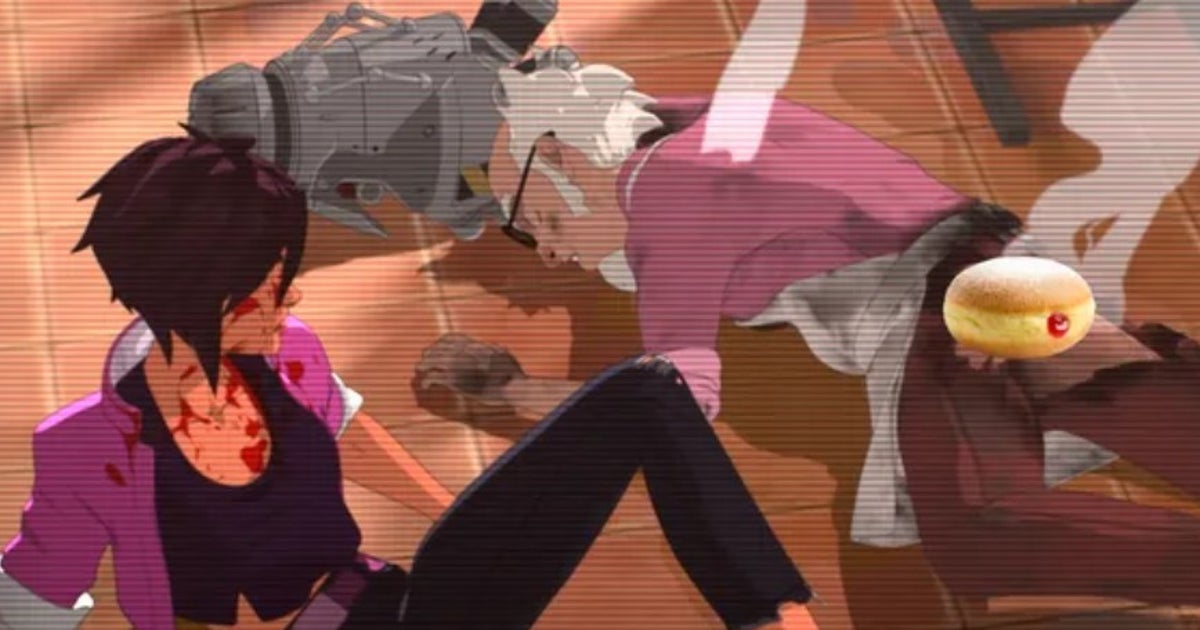
To address these remaining restrictions, AdHoc has introduced a "Chaos" mode for censorship. While players cannot fully remove the censorship of male anatomy on the Switch, they can now select the visual style of the obstruction. The options include a traditional elegant mosaic, standard black bars, or the "Utter Chaos" setting. The latter replaces censored areas with humorous or incongruous assets, such as strategically placed "jorts" (denim hot pants) or an oozing jam donut. This stylistic choice represents a pivot from standard industrial censorship toward a meta-commentary on the restrictions themselves.
Chronology of the Censorship Controversy
The path to the HR Violations Pack began shortly after Dispatch made its debut on the Nintendo Switch. Upon release, players noted a stark contrast between the Switch version and the versions available on PC (via Steam) and PlayStation 5. The Switch iteration featured aggressive censorship, including black boxes over character anatomy and significant audio alterations that many felt detracted from the game’s satirical tone and "rude" superhero workplace premise.
The community reaction was immediate and largely negative. Many fans expressed disappointment, suggesting that the marketing for the game had not sufficiently telegraphed the extent of the platform-specific changes. In response to the burgeoning controversy, AdHoc issued a public statement acknowledging the frustration of their player base. The studio clarified that the censorship was a prerequisite for securing a release on the Nintendo eShop and stated they were "working with Nintendo on a path forward."
This dialogue between the developer and the platform holder lasted several months, culminating in the current compromise. The timeline suggests a rigorous negotiation process wherein AdHoc sought to maximize the "Uncensored" toggle’s reach while adhering to Nintendo’s internal standards for the Switch and the anticipated Switch 2 hardware.
Market Performance and Commercial Context
The controversy surrounding the Switch version stands in contrast to the overall commercial success of Dispatch. Within the first ten days of its initial launch last year, the title surpassed one million units sold. This milestone is particularly significant for an episodic workplace comedy, a genre that has seen fluctuating fortunes in the modern gaming market.
The success of Dispatch is attributed in part to the pedigree of the development team at AdHoc, which comprises several former leads from Telltale Games, known for The Wolf Among Us. By blending the narrative-heavy episodic structure of their previous work with a deconstructive take on the superhero genre—similar in tone to popular media like The Boys or Invincible—the studio tapped into a "ravenous" demand for adult-oriented, satirical content.

Data from the initial launch period indicates that the game’s mature themes were a primary driver of engagement. According to internal metrics and developer commentary, the inclusion of sex scenes and "rude" humor was not merely incidental but central to the game’s identity as a subversion of sanitized comic book tropes. The high sales figures provided the studio with the necessary leverage and resources to pursue the corrective patch for Nintendo users.
Cross-Platform Policy Variations
The Dispatch censorship saga highlights the disparate content philosophies held by the industry’s major platform holders. On Steam, which has a notoriously open policy regarding adult content, Dispatch remains entirely uncensored by default. Valve’s platform allows developers to publish explicit material provided it is properly categorized and behind age gates.
On the PlayStation 5, Sony’s policies—which have historically been stricter than Valve’s but more flexible than Nintendo’s regarding certain types of mature themes—also allowed for a version of the game that aligned more closely with the developer’s intent. While the new censorship options from the HR Violations Pack will be added to the PS5 and Steam versions, "Uncensored" will remain the default setting on those platforms, serving as an optional "safe for streaming" mode rather than a mandatory restriction.
Looking forward, AdHoc has confirmed that the upcoming Xbox release, scheduled for this summer, will follow the precedent set by the PC and PlayStation versions. Microsoft’s platform is expected to host the uncensored version of the game as the standard experience. This leaves the Nintendo Switch as the outlier in terms of mandatory anatomical censorship, a position consistent with Nintendo’s historical branding as a family-friendly ecosystem, despite its recent efforts to court more mature indie titles.
Industry Implications and Future Outlook
The resolution of the Dispatch censorship issue provides a case study for indie developers navigating the "walled gardens" of console ecosystems. The use of a "Chaos" mode to turn mandatory censorship into a comedic feature is a novel approach to maintaining a game’s tone when technical or legal compliance threatens to alter the user experience.

Furthermore, the success of Season 1 has prompted AdHoc to begin serious considerations for a second season. Writers for the project have publicly reflected on the first season, with some expressing regret over cutting certain sex scenes during the initial development phase. Given the "ravenous" response from the audience, the studio has indicated that a potential Season 2 might lean even further into explicit content, bolstered by the confidence of their million-copy sales record.
However, the studio also acknowledges the "difficult second album" problem. Maintaining the balance between shock humor, workplace satire, and meaningful character development is a complex task, especially when under the scrutiny of multiple platform-holding entities. The HR Violations Pack may be a temporary fix for a specific platform, but it underscores a broader industry trend where developers must increasingly design with "modular" content in mind to ensure their games can exist across all hardware without losing their creative core.
As Dispatch continues to expand its reach to the Xbox platform and potentially into a second season, the dialogue between AdHoc and its community remains a pivotal element of its growth. The studio’s willingness to apologize for perceived lack of transparency and its persistence in negotiating with Nintendo suggests a commitment to a "player-first" philosophy that has, thus far, yielded significant commercial dividends. For now, Switch players can enjoy a version of the game that is significantly closer to the original vision, even if that vision is occasionally obscured by a jam donut.