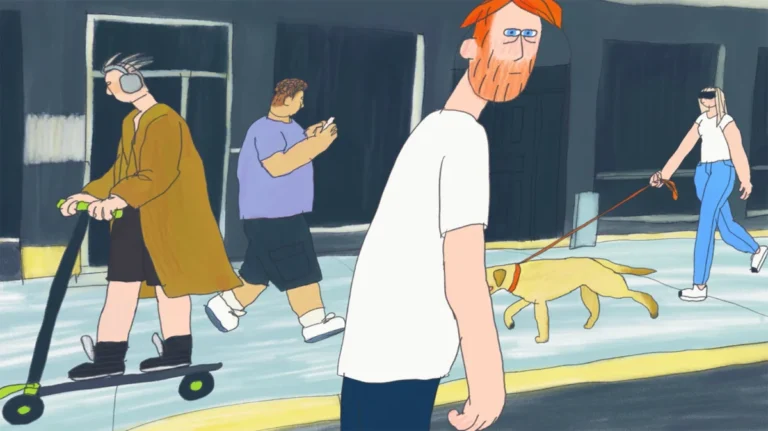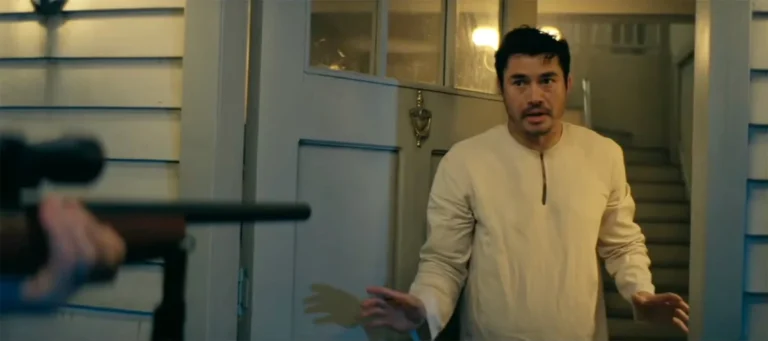



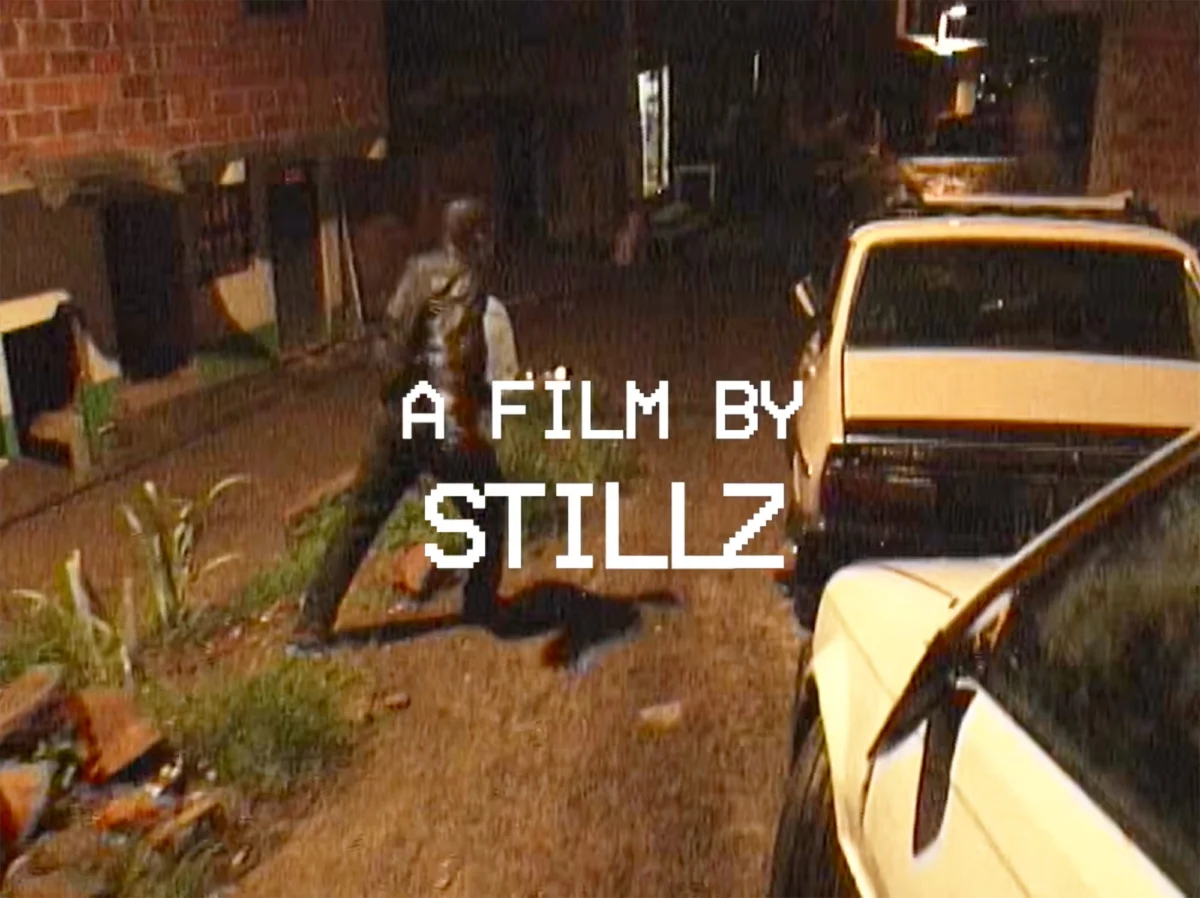
Film Movement has officially unveiled the trailer for Barrio Triste, an experimental cinematic creation from the enigmatic Colombian-American filmmaker known only as "Stillz." Produced by Harmony Korine’s EDGLRD, the film is poised to challenge conventional storytelling with its unique blend of social commentary, surrealism, and a groundbreaking original score by Arca. Scheduled for release in select U.S. theaters on July 10, 2026, following acclaimed premieres at the 2025 Venice and Toronto Film Festivals, Barrio Triste offers a profound and formally audacious generational portrait of disaffected youth in 1980s Medellín, Colombia.
Deep Dive: A Portrait of 1980s Medellín
The narrative of Barrio Triste is firmly rooted in the turbulent landscape of Medellín during the 1980s, a period marked by profound socio-economic upheaval and the escalating influence of drug cartels. This era witnessed a significant rise in urban poverty, social inequality, and a pervasive atmosphere of violence that deeply impacted the city’s youth. Against this backdrop, Stillz’s film focuses on an impoverished neighborhood, illustrating the daily struggles and existential musings of a group of teenagers. Their decision to appropriate a television reporter’s camera serves as a pivotal act, transforming them from passive subjects of their environment into active documentarians of their own lives, dreams, and fears. This act of self-documentation becomes a powerful metaphor for agency in a world that often renders such individuals invisible.
The 1980s in Medellín were characterized by the burgeoning drug trade, which, while bringing illicit wealth to some, simultaneously entrenched vast swathes of the population in poverty and instability. The city became synonymous with the drug wars, and its youth were frequently caught in the crossfire, either as victims or, in some cases, as participants out of sheer desperation. Stillz’s choice of this specific historical setting is not merely aesthetic; it provides a potent canvas for exploring themes of neglect, resilience, and the search for identity amidst chaos. The "derelict landscape" mentioned in the film’s synopsis is more than just a visual backdrop; it is an active participant in the characters’ lives, shaping their perspectives on reality, hope, and the future.
The Visionary Behind the Lens: Stillz’s Feature Debut
The emergence of Barrio Triste marks a significant turning point for Stillz, a filmmaker who has cultivated an aura of mystery while building a formidable reputation in the visual arts. Prior to his feature debut, Stillz gained prominence through his collaborations with global music icon Bad Bunny, directing numerous music videos and photographic projects that showcased a distinctive visual style – raw, intimate, and often imbued with a sense of melancholic beauty. His work with Bad Bunny, often characterized by its vibrant aesthetic and innovative storytelling, has amassed billions of views and cemented his status as a visionary director within the music industry.
Transitioning from the fast-paced, high-impact world of music videos to the contemplative art of feature filmmaking is a challenging leap. Yet, Stillz appears to have navigated this shift with remarkable clarity, channeling his established artistic sensibilities into a narrative that is both deeply personal and universally resonant. His "secretive" nature, rather than hindering, seems to amplify the intrigue surrounding Barrio Triste, positioning him as an artist whose work speaks for itself, unburdened by conventional self-promotion. Industry observers suggest that Stillz’s background in capturing the authentic spirit of contemporary youth culture, particularly within the Latin American diaspora, uniquely positions him to tell a story like Barrio Triste, which aims to illuminate the experiences of a "forgotten youth." His ability to blend street-level authenticity with a sophisticated visual language, honed through years of photographic and video work, is expected to be a defining characteristic of his cinematic voice.
Harmony Korine and EDGLRD: A New Frontier in Cinema

Barrio Triste is a production of EDGLRD, the innovative creative studio founded by renowned American filmmaker Harmony Korine. Korine, celebrated for his distinctive and often subversive approach to cinema with films like Kids, Gummo, and Spring Breakers, has established EDGLRD as a platform for artists pushing the boundaries of narrative and form. The studio’s philosophy appears to revolve around fostering unconventional storytelling and supporting filmmakers who dare to explore the fringes of human experience and cinematic expression.
The involvement of EDGLRD immediately signals that Barrio Triste is not a conventional film. Korine’s own work is frequently characterized by its experimental nature, its focus on marginalized characters, and its often-disorienting blend of realism and surrealism. The description of Barrio Triste as "wacky & weird as his other recent films" suggests a clear lineage within EDGLRD’s creative output, indicating a shared commitment to challenging audience expectations and embracing the avant-garde. This partnership provides Stillz with a powerful artistic incubator, allowing him to realize his vision without the constraints often imposed by mainstream studios. For EDGLRD, Barrio Triste represents another testament to its mission: to champion bold, unclassifiable cinema that provokes thought and expands the cinematic lexicon. This collaboration underscores a deliberate move to support emerging voices that align with EDGLRD’s ethos of radical creativity and formal audacity.
Arca’s Sonic Landscape: A Groundbreaking Score
A particularly notable aspect of Barrio Triste is the inclusion of the first original score by the acclaimed Venezuelan electronic music artist, producer, and DJ, Arca. Known for her genre-defying soundscapes, intricate sonic experimentation, and a prolific output that spans avant-garde electronica, industrial beats, and ethereal vocalizations, Arca’s foray into feature film scoring is a highly anticipated event in both the music and film worlds. Her previous work, including albums like Xen and KiCk i, has consistently pushed musical boundaries, often exploring themes of identity, transformation, and emotional intensity through complex, shape-shifting compositions.
The film’s synopsis highlights Arca’s "intense, shape-shifting sonic palette" as accentuating Stillz’s navigation of "the liminal spaces between despair and transcendence." This suggests a score that is not merely background music but an integral narrative component, capable of mirroring the film’s experimental structure and emotional depth. Arca’s unique ability to craft soundscapes that are simultaneously abrasive and beautiful, unsettling and captivating, makes her an ideal collaborator for a film described as "experimental strange cinema." Her score is expected to be as unclassifiable as the film itself, contributing significantly to its atmosphere and thematic resonance. For Arca, this project represents a new creative frontier, allowing her to apply her singular artistic vision to the demands of a narrative arc, potentially opening new avenues for electronic artists in film scoring.
Narrative Unveiled: Surrealism Meets Social Commentary
The plot of Barrio Triste delves into a fascinating interplay between gritty social realism and elements of speculative fiction. The initial premise of disaffected teens documenting their lives with a stolen camera grounds the film in a recognizable reality, offering a raw, unvarnished look at the struggles of Medellín’s forgotten youth. Their "disarming reflections on dreams and death" provide a poignant human core, exploring universal existential questions through the specific lens of their challenging environment.
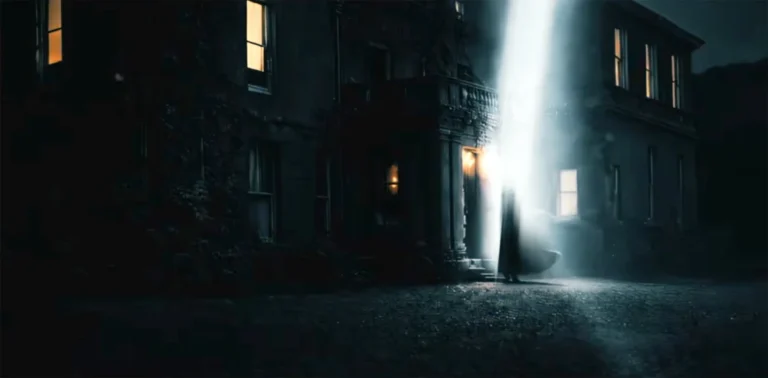
However, the narrative takes a sharp turn into the surreal with the introduction of "mysterious lights falling from the sky" and the subsequent "temporal & spatial distortions." This genre-busting element elevates Barrio Triste beyond a simple social drama, infusing it with an otherworldly quality that forces both the characters and the audience to question their understanding of reality. This blending of the mundane with the fantastical is a hallmark of experimental cinema, allowing for deeper metaphorical explorations. Are these distortions literal events, or do they symbolize the fracturing of their world under the weight of poverty and violence? The film’s tagline, "Some of us won’t be here in the future. But maybe our memories will survive," further emphasizes the themes of legacy, mortality, and the enduring power of personal narratives in the face of oblivion. This blend of the personal and the cosmic positions Barrio Triste as a unique entry in contemporary cinema, offering both a specific cultural portrait and a universal meditation on existence.
Festival Acclaim and Critical Reception

Barrio Triste garnered significant attention upon its premieres at the 2025 Venice Film Festival and the Toronto International Film Festival. Its inclusion in Venice’s prestigious Orizzonti section, which showcases new trends in world cinema, is a strong indicator of its artistic merit and innovative approach. The Venice Film Festival’s official description lauded the film as "Initially a document of despair until it builds to transcendent heights, this genre-busting debut upends the rough-and-tumble vernacular of lo-fi video with unmistakable lyrical mastery." This critical assessment underscores the film’s ability to transcend its seemingly raw aesthetic, revealing a sophisticated artistic vision beneath its surface.
Such early festival recognition is crucial for independent and experimental films, often generating the necessary buzz and critical momentum to reach broader audiences. The positive reception at two of the world’s most influential film festivals suggests that Barrio Triste resonated deeply with international critics and industry professionals, establishing Stillz as a formidable new voice in cinema. The acclaim highlights the film’s formal audacity and its powerful emotional core, positioning it as one of the standout debuts of the year. This initial critical validation is instrumental in building anticipation for its wider release.
Film Movement’s Strategic Release
The distribution of Barrio Triste in the United States by Film Movement is a strategic move that aligns the film with a distributor renowned for championing art-house, independent, and international cinema. Film Movement has a long-standing reputation for bringing critically acclaimed and often challenging films to discerning audiences, cultivating a niche market that values artistic integrity over mainstream appeal. Their catalog includes a diverse array of award-winning films from around the globe, making them an ideal partner for a film as unique and unclassifiable as Barrio Triste.
Film Movement’s release strategy, typically involving a limited theatrical run in select cities followed by digital and home video distribution, is perfectly suited for a film of this nature. It allows for a concentrated initial impact among cinephiles and critics, building word-of-mouth before expanding its reach. This approach acknowledges the film’s experimental qualities and its potential to captivate audiences looking for something beyond conventional Hollywood fare. The July 10, 2026, release date positions Barrio Triste as a significant summer offering for the art-house circuit, providing a compelling alternative amidst the blockbuster season.
Broader Implications: Redefining Colombian and Experimental Cinema
Barrio Triste holds the potential to make a significant impact on several fronts. For Colombian cinema, it represents a bold departure from traditional narratives, showcasing a willingness to blend social realism with speculative and experimental elements. This could inspire a new wave of filmmakers to explore their country’s complex history and contemporary issues through innovative lenses, moving beyond established cinematic conventions. The film’s international acclaim further elevates the profile of Colombian filmmaking on the global stage, demonstrating its capacity for artistic innovation and universal storytelling.
For experimental cinema as a whole, Stillz’s debut contributes to the ongoing evolution of the genre. By marrying a grounded, historically specific narrative with surreal and abstract occurrences, Barrio Triste exemplifies how experimental forms can enhance, rather than detract from, profound social commentary. The film challenges the notion that experimental cinema is inaccessible, proving that formal audacity can be paired with deeply human themes. Furthermore, the collaboration between a secretive visual artist like Stillz, a visionary producer like Harmony Korine, and an avant-garde musician like Arca, highlights a growing trend of interdisciplinary artistic synergy in filmmaking, where diverse creative talents converge to produce truly unique works. This collaborative model fosters an environment where genre boundaries are fluid, and artistic expression is paramount, signaling a dynamic future for independent cinema.
In conclusion, Barrio Triste is shaping up to be more than just a film; it is a cinematic event. With Stillz’s distinctive vision, Harmony Korine’s innovative production, and Arca’s groundbreaking score, the film promises to be a powerful and unforgettable experience. Its exploration of memory, reality, and the enduring spirit of marginalized youth against the backdrop of 1980s Medellín offers a timely and timeless narrative. As it prepares for its U.S. theatrical debut, Barrio Triste stands as a testament to the power of experimental cinema to provoke, inspire, and redefine our understanding of storytelling.