

The cultural landscape of music and fashion is a dynamic, ever-evolving tapestry, often woven by the threads of organic movements and influential individuals. In recent decades, however, the rapid, widespread dissemination of cultural trends, once a hallmark of a shared global experience, has arguably slowed. The digital age, while connecting people in new ways, has also fostered niche communities, fragmenting the concept of a singular, dominant monoculture and diminishing the explosive, universally embraced impact of trends. Within this increasingly segmented media environment, the documentary "MOUTH FULL OF GOLDS," directed by Lyle Lindgren, offers a compelling dive into a pre-internet era phenomenon, tracing the genesis and evolution of a distinctive fashion statement that became intrinsically linked to the identity of hip-hop.
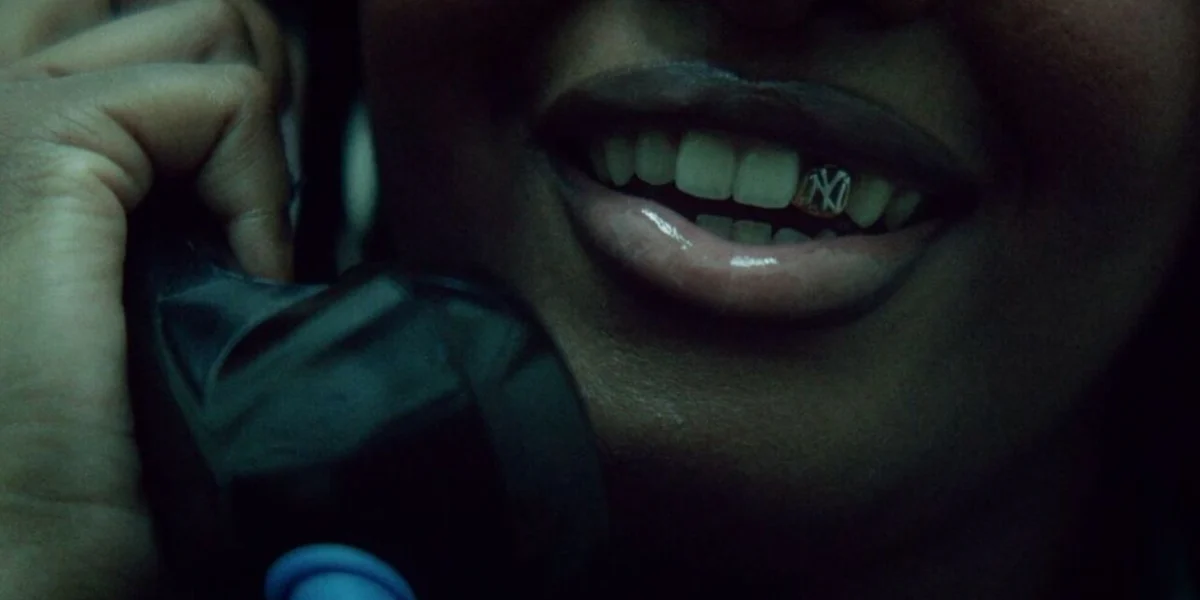
The film centers on the remarkable, yet historically underacknowledged, figure of Eddie Plein, known universally as "Famous Eddie." Plein is credited as the visionary behind the meteoric rise of custom grillz, the ornate, fitted dental embellishments that transformed from a niche adornment into a powerful symbol of status, wealth, and artistic expression within the hip-hop community. Lindgren’s documentary employs a rich blend of archival footage, much of it rarely or never before seen, juxtaposed with contemporary perspectives from influential figures, to illuminate Plein’s legendary impact on the visual lexicon of hip-hop.
The Genesis of a Cultural Icon: Eddie Plein and the Birth of Grillz
"MOUTH FULL OF GOLDS" meticulously chronicles the journey of Eddie Plein, a figure whose personal narrative is deeply intertwined with the broader history of the music industry, particularly hip-hop, over the past four decades. The film posits that Plein was not merely a creator of a fashion item but an active participant, and often a catalyst, in the cultural shifts that defined an era. Grillz, initially conceived as customizable gold teeth, transcended their functional purpose to become a cultural phenomenon, a staple for countless artists and a potent visual signifier. The surprising anonymity surrounding their originator makes Plein’s story all the more captivating.
The documentary uses the rise of grillz as a lens through which to explore the multifaceted evolution of the music industry, with a specific emphasis on hip-hop’s trajectory. Plein’s presence and involvement in pivotal moments of this history position him as a unique focal point for understanding these periods. His story is one of innovation, entrepreneurial spirit, and an uncanny ability to tap into the cultural zeitgeist. The film’s exploration is enriched by interviews with contemporary artists, most notably A$AP Rocky, whose reflections underscore the enduring legacy and current integration of Plein’s creations within mainstream culture. These discussions, combined with the unearthed visual material, paint an intimate and accessible portrait of both the man and the industry he helped shape.
A Timeline of Influence: Key Moments in the Grillz Narrative
The narrative arc of "MOUTH FULL OF GOLDS" spans approximately four decades, a period marked by significant transformations within the music industry and broader societal trends. While a precise, universally agreed-upon timeline for the exact inception of grillz is complex due to their organic emergence within specific communities, the film highlights key junctures:
- Late 1970s – Early 1980s: The nascent stages of hip-hop culture in New York City. This period saw the emergence of bold fashion statements and a growing emphasis on self-expression through material possessions. While not yet the elaborate grillz of later years, early forms of dental adornment may have begun to surface in underground scenes.
- Mid-1980s: The rise of prominent hip-hop artists who began to embrace more ostentatious displays of wealth and style. This era saw the increasing visibility of gold jewelry and chains, setting a precedent for further embellishment. Eddie Plein likely began experimenting with and refining his craft during this period, catering to a growing demand.
- Late 1980s – Early 1990s: The "golden age" of hip-hop, characterized by increased commercial success and global reach. Artists like Mike Tyson, a figure of immense cultural impact, were known for their distinctive styles, and Plein’s grillz began to gain significant traction within this influential circle. The film likely showcases early endorsements and collaborations that propelled Plein’s work into the public consciousness.
- Mid-1990s – Early 2000s: Grillz became a more widespread fashion statement, adopted by a wider array of hip-hop artists and celebrities. Plein, now established as "Famous Eddie," solidified his reputation as the go-to craftsman for bespoke dental jewelry. This period also saw the beginnings of broader cultural recognition and, at times, controversy surrounding the trend.
- Mid-2000s – Present: While the internet age brought new trends and a diffusion of cultural influence, grillz have maintained a consistent presence, evolving in design and material. Contemporary artists like A$AP Rocky continue to champion the aesthetic, ensuring its place in modern fashion and hip-hop culture. The film’s inclusion of these modern perspectives highlights the enduring impact of Plein’s innovations.
The Craft and the Criticism: Filmmaking Techniques in "MOUTH FULL OF GOLDS"
Despite the richness of its subject matter and the compelling life story of Eddie Plein, the documentary has faced scrutiny regarding its filmmaking execution. Critics have pointed to a perceived reliance on conventional documentary techniques, describing the visual presentation as "mechanical and flat." The film employs established methods such as talking-head interviews, montages, and archival footage, but these elements, while functional, are often characterized as lacking a distinctive flair or innovative approach. The cinematography for the interviews, in particular, has been noted for its lack of dynamism, leading to a potentially distracting mundanity that fails to elevate the visual experience.
While the competent and "workmanlike" nature of the filmmaking ensures that the information is delivered effectively, it is argued that it does not transcend a mere "information dump." For audiences deeply invested in the content and the compelling narrative of Eddie Plein, these cinematic shortcomings may be less impactful. However, within the context of a visual medium, there is a consensus that the film leaves much to be desired in terms of imaginative presentation.
Pacing and Structure: Navigating Four Decades in 83 Minutes
The brisk 83-minute runtime of "MOUTH FULL OF GOLDS" is a critical factor in its overall reception. The film manages to cover four decades of significant cultural and industry shifts without feeling rushed, a testament to its efficient pacing and structural coherence. The editing of archival footage and the overall organization of the narrative are considered effective, serving as a strong documentary record of modern hip-hop history.
However, the editing, much like the cinematography, is perceived to be more functional than artistically groundbreaking. While it excels at presenting information clearly, it lacks the distinctive personality or stylistic flair that could have further elevated the visual storytelling. This contributes to a feeling that the film operates at a "workmanlike" level across most of its technical crafts, leading to a sense that it more closely resembles a video essay or a school project, albeit one with exceptionally strong source material. For a story as inherently fascinating as Eddie Plein’s, particularly given his status as an unsung protagonist, this approach is viewed by some as a missed opportunity to achieve a higher level of cinematic artistry.
The Enduring Allure of Famous Eddie: A Story Worth Telling
The undeniable magnetic appeal of Eddie Plein himself is a central pillar of the documentary’s strength. When he is on screen, his presence is described as both entertaining and profoundly engaging. The intrigue surrounding his life and career is palpable, suggesting that his story possesses the narrative depth for a compelling fictionalized film. However, the directness of hearing his experiences firsthand lends a unique quality to the documentary, making it a valuable watch.
Plein’s narrative is characterized as a classic "rise and fall" story, with the crucial distinction that the central figure remains vibrant and reflective on his journey. Director Lyle Lindgren’s evident admiration for Plein is palpable in the film’s construction, positioning him as the beating heart of the music industry during his peak. The film frames Plein’s struggles in the digital age not as personal failures but as a reflection of broader societal and technological shifts. Throughout the documentary, Plein carries himself with remarkable dignity, and the film serves as a respectful tribute to his contributions and lasting legacy.
Broader Implications: The Cultural Significance of Grillz and Their Originator
The documentary’s examination of Eddie Plein and the grillz phenomenon carries broader implications for understanding cultural influence, the evolution of fashion, and the often-overlooked contributions of individuals within major industries. Grillz, more than just an accessory, became a potent symbol of aspiration, success, and identity within hip-hop. Their adoption by influential figures helped to legitimize and popularize the aesthetic, transforming it from a niche item into a global fashion trend.
The film’s analysis of Plein’s journey highlights the complex relationship between artistry, commerce, and cultural impact. It underscores how individuals, through innovation and perseverance, can shape the visual language of entire genres and subcultures. The fact that Plein’s story has remained relatively obscure until now raises questions about historical documentation within the music industry and the recognition afforded to behind-the-scenes figures who play crucial roles in defining popular culture.
The film’s exploration of the shift from a pre-internet era of cultural dissemination to the fragmented digital landscape offers a valuable case study in how trends emerge and evolve. It suggests that while the speed and reach of cultural phenomena may have changed, the fundamental human desire for self-expression and adornment remains a constant.
Conclusion: A Respectful Homage with Cinematic Aspirations
Judging a documentary can be a nuanced endeavor, especially when a film achieves a certain level of competency that, while not remarkable, makes direct criticism feel almost trivial. However, for seasoned viewers of non-fiction cinema, an uninspired approach to filmmaking can become tiresome. Despite these reservations, "MOUTH FULL OF GOLDS" is undeniably worth experiencing. The primary draw remains the previously anonymous lead subject, Eddie Plein, and the insightful way director Lyle Lindgren positions him as a central figure in hip-hop history. The unique perspective offered by the film makes it an enjoyable and informative viewing. Nevertheless, one is left with a lingering desire for a more imaginative and energetic cinematic execution, a film that fully leverages the potential of its captivating story and its compelling protagonist to achieve a higher level of artistic expression within the documentary medium. The film stands as a testament to Plein’s legacy, even as it hints at what could have been with a more adventurous cinematic approach.