

Disney and Pixar have officially ignited anticipation for the next installment in the iconic Toy Story franchise, unveiling the final trailer for Toy Story 5. The eagerly awaited film, slated for a theatrical release on June 19, 2026, plunges Woody, Buzz Lightyear, and their loyal companions into an existential crisis as they confront a formidable "technological threat." This new adversary manifests as Lilypad, a charming yet disruptive frog-shaped smart tablet voiced by Greta Lee, whose advanced capabilities and unconventional ideas about child development directly challenge the traditional, hands-on playtime that has defined the toys’ existence. The trailer’s dramatic reveal, coupled with a poignant declaration from the dinosaur toy Rex, "Extinction, not again!" underscores the high stakes of this impending conflict between analog charm and digital dominance.
The Dawn of a New Era: Analog vs. Digital in Bonnie’s World
The narrative of Toy Story 5 centers on the escalating tension between the established world of beloved, physical toys and the encroaching influence of modern technology. Lilypad, the sophisticated smart tablet, represents a paradigm shift in how children interact with entertainment and learning. Her programming is designed to optimize Bonnie’s engagement through curated digital experiences, which directly contrasts with the imaginative, unstructured play facilitated by Woody and his friends. This ideological clash poses a significant threat to the toys’ very purpose and their cherished place in Bonnie’s life, raising questions about the future of play in an increasingly digitized world. The trailer offers a glimpse into the emotional turmoil this creates, with the toys grappling with the possibility of becoming obsolete in the face of superior, albeit artificial, intelligence.
The "technological threat" is not merely a plot device; it reflects a broader societal shift. As smart devices become more integrated into children’s lives, concerns about screen time, digital dependency, and the potential erosion of imaginative play have become increasingly prevalent. Toy Story 5 appears poised to explore these themes through a lens that is both entertaining and thought-provoking, resonating with parents and children alike who navigate this evolving landscape. The trailer’s emphasis on the toys’ struggle for relevance highlights a universal human—or in this case, toy—fear of being left behind.
A Star-Studded Ensemble Returns and Joins the Fray
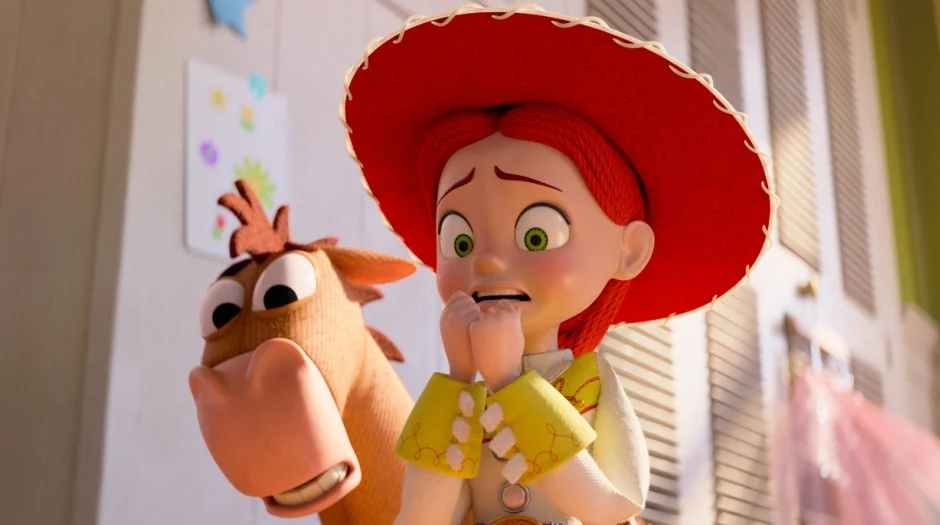
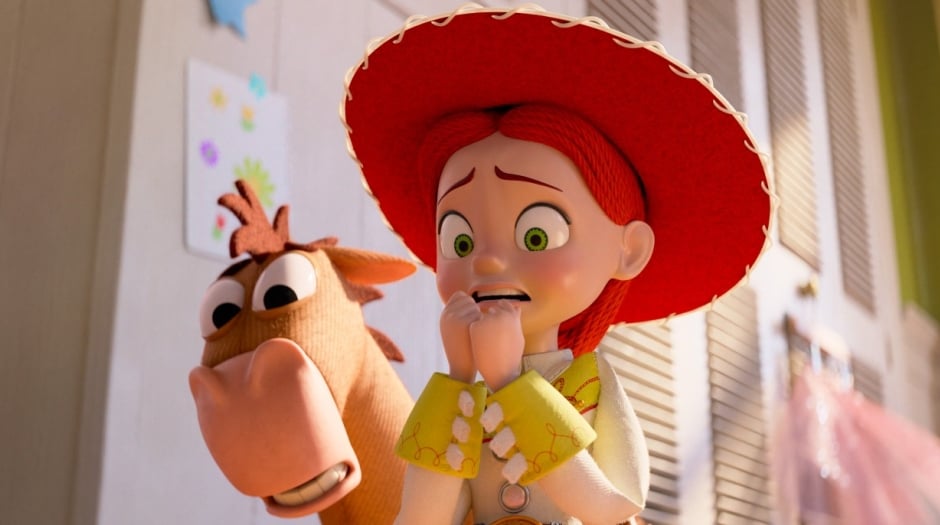
The enduring appeal of the Toy Story saga is amplified by the return of its beloved voice cast, anchoring the emotional core of the new adventure. Tom Hanks reprises his iconic role as the steadfast cowboy Woody, while Tim Allen once again lends his voice to the adventurous Buzz Lightyear. Joan Cusack returns as the spirited cowgirl Jessie, and Tony Hale is back as the endearingly earnest Forky. Long-time cast members Ernie Hudson as Combat Carl and Blake Clark as Slinky Dog also rejoin the ensemble, bringing their established characters to life with familiar warmth and humor.
Beyond the core group, Toy Story 5 introduces a host of new characters and features compelling cameos. Adding to the star power, Grammy Award-winning artist Benito Antonio Martínez Ocasio, globally recognized as Bad Bunny, makes a special voice cameo as Pizza with Sunglasses. This character is part of a clandestine community of forgotten toys residing in an abandoned backyard shed, suggesting a new subplot and a potential haven for neglected playthings. Further elevating the cast, Emmy and Tony Award-winning actor Alan Cumming lends his voice to Evil Bullseye, Bullseye’s distinct playtime alter ego, promising a humorous and perhaps mischievous addition to the narrative.

The film also welcomes Conan O’Brien, who voices Smarty Pants, a toilet-training tech toy. This addition further emphasizes the film’s exploration of modern technological advancements in toys. Other notable voice additions include Craig Robinson as Atlas, a cheerful talking GPS hippo toy; Shelby Rabara as Snappy, an excitable camera toy; and Matty Matheson as Dr. Nutcase, a toy harboring a fear of technology. The young and talented Scarlett Spears voices Bonnie, the child at the center of the unfolding drama, while Mykal-Michelle Harris portrays Blaze, an independent young girl with a love for animals.
The extensive supporting cast continues to be a cornerstone of the Toy Story experience, with John Ratzenberger returning as the witty piggybank Hamm. Wallace Shawn reprises his role as Rex, the anxious tyrannosaurus rex, and Jeff Bergman voices the ever-sarcastic Mr. Potato Head, with Anna Vocino as the nurturing Mrs. Potato Head. Annie Potts returns as the adventurous Bo Peep, Bonnie Hunt as the wise rag-doll Dolly, and Melissa Villaseñor as Karen Beverly, Bonnie’s homemade toy. John Hopkins is back as the dignified hedgehog plush toy Mr. Pricklepants, Kristen Schaal voices the plastic triceratops toy Trixie, and Keanu Reeves continues his role as the daredevil toy Duke Caboom. This rich tapestry of characters, both new and returning, promises a dynamic and engaging cinematic experience.
A Legacy of Innovation: The Toy Story Phenomenon
The Toy Story franchise, a pioneer in computer-generated animation, has consistently pushed the boundaries of storytelling and technological achievement since its debut in 1995. The original Toy Story revolutionized the animation industry, proving that CGI could be a viable and powerful medium for feature-length filmmaking. Its success paved the way for countless other animated productions and cemented Pixar Animation Studios’ reputation for creativity and technical excellence.

Over the decades, the Toy Story films have explored profound themes of friendship, belonging, change, and the inherent value of toys in a child’s life. Each installment has managed to evolve the characters and their world while maintaining the emotional resonance that captivated audiences worldwide. Toy Story 4, released in 2019, proved that the franchise could still deliver fresh narratives and emotional depth, exploring themes of purpose and self-discovery through Forky’s journey. The upcoming Toy Story 5 builds upon this rich legacy, promising to deliver another chapter that is both entertaining and emotionally resonant, while grappling with contemporary issues.
The critical and commercial success of the franchise is undeniable. The first four films have collectively grossed billions of dollars worldwide and garnered numerous accolades, including Academy Awards. This enduring popularity speaks to the universal themes and relatable characters that have made Toy Story a cultural touchstone for generations. The anticipation for Toy Story 5 is a testament to the franchise’s lasting impact and the continued affection audiences hold for Woody, Buzz, and their extended family of toys.
Creative Vision and Production Details
The direction of Toy Story 5 is helmed by Academy Award winner Andrew Stanton, a seasoned veteran of Pixar’s creative team, known for his work on beloved films such as WALL-E, Finding Nemo, and Finding Dory. Co-directing alongside him is McKenna Harris, who brings fresh perspectives to the project, having previously worked on Ciao Alberto. The film is produced by Lindsey Collins, whose producing credits include Turning Red, WALL-E, and Finding Dory, ensuring a continuity of Pixar’s high production standards.

The screenplay for Toy Story 5 is a collaborative effort between Andrew Stanton and McKenna Harris, building upon a story conceived by Stanton. This creative partnership promises a narrative that is both familiar in its emotional depth and innovative in its exploration of new themes. The musical score, an integral part of the Toy Story experience, will once again be composed by Oscar winner Randy Newman, who has scored all previous Toy Story features, ensuring a consistent and evocative musical landscape for the beloved characters.
Broader Implications and The Future of Play
The thematic core of Toy Story 5—the conflict between traditional play and technological immersion—carries significant implications for contemporary parenting and childhood development. In an era where digital devices are increasingly ubiquitous, the film serves as a timely reminder of the importance of imaginative, unstructured play. The narrative’s potential to highlight the unique value of physical toys in fostering creativity, social-emotional skills, and cognitive development could resonate deeply with audiences.
The film’s exploration of a "technological threat" also invites a broader discussion about the role of artificial intelligence and advanced technology in children’s lives. While Lilypad may represent a futuristic vision of interactive learning, the story implicitly questions the potential downsides of over-reliance on digital solutions, especially when they may displace genuine human connection and creative exploration. The "disruptive ideas" of Lilypad, as described, hint at a conflict where the perceived efficiency of technology might come at the cost of the emotional and developmental benefits derived from traditional play.

The success of Toy Story 5 could influence not only entertainment trends but also public discourse surrounding childhood and technology. By framing this debate within a beloved and familiar narrative, Pixar has the opportunity to engage a wide audience in a conversation about balancing the benefits of technological advancement with the enduring value of tangible experiences. The film’s potential to spark dialogue among families, educators, and policymakers about the future of play makes it more than just a movie; it is a cultural touchstone that reflects and shapes our understanding of childhood in the 21st century. The ultimate impact of Lilypad and her digital agenda on the world of Woody and his friends will undoubtedly be a key element in determining the franchise’s ongoing relevance and its contribution to the broader cultural conversation.