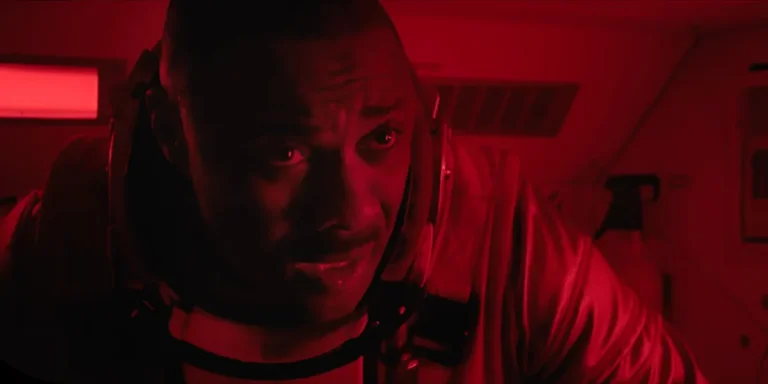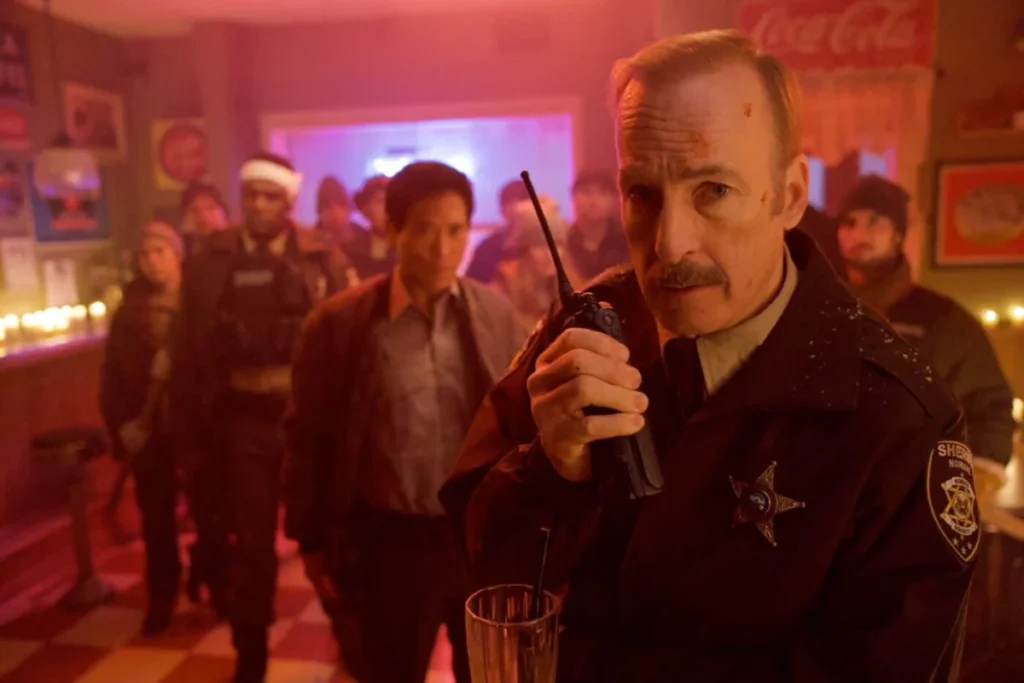


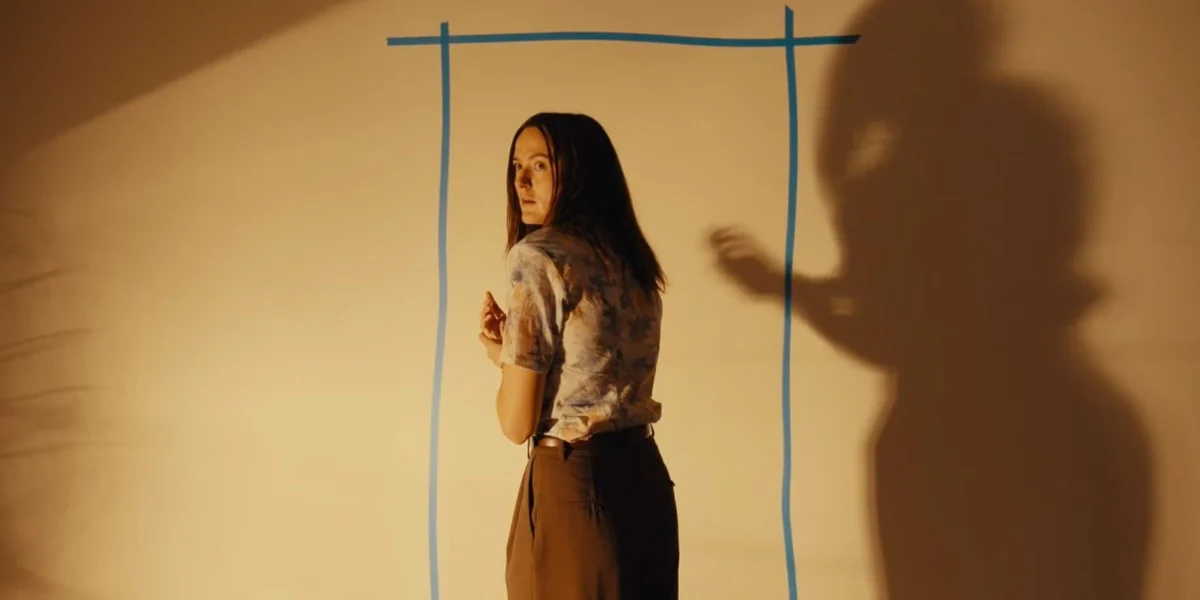
The cinematic adaptation of the internet phenomenon, "Backrooms," has arrived, ushering director Kane Parsons onto the mainstream film scene with a deeply atmospheric and conceptually rich exploration of liminal spaces and existential dread. The film, clocking in at 110 minutes, centers on therapist Dr. Mary Kline, portrayed by Renate Reinsve, who ventures into an enigmatic, otherworldly dimension in a desperate search for her missing patient, Clark, played by Chiwetel Ejiofor. The ensemble cast also features Mark Duplass, Finn Bennett, and Lukita Maxwell, contributing to a narrative that blurs the lines between psychological thriller, science fiction, and existential horror.
The genesis of "Backrooms" lies in a viral 4chan thread from the late 2010s, where users began sharing "disquieting images" that evoked a profound sense of unease, often characterized by empty, uncanny, and seemingly endless architectural spaces. These images, collectively dubbed "liminal spaces," resonated with a collective digital subconscious, prompting the creation of elaborate lore, interconnected levels, and the emergence of hostile entities within these fabricated dimensions. Visual artist Kane Pixels (née Parsons) captured this burgeoning fascination, translating the abstract horror of the Backrooms into a series of highly successful viral web shorts. The undeniable impact and creative vision of these shorts propelled Parsons, at a remarkably young age, to secure a development deal with A24, a studio known for its embrace of auteur-driven and genre-bending cinema. "Backrooms" marks his feature film directorial debut, showcasing a filmmaker with a distinct visual style and a sophisticated approach to narrative.
The Descent into the Labyrinth
The narrative unfolds within the unassuming confines of "Cap’n Clark’s Ottoman Empire," a furniture store owned by the titular Clark. One evening, following a peculiar power surge, a drunken Clark inadvertently stumbles through a wall in the store’s lower level, finding himself transported to an alternate, desolate version of his own establishment. This mirrored reality is stripped of all personality and detail: walls are adorned with faded, uniform wallpaper, furniture is chaotically piled or seemingly embedded in the floor, and an eerie silence pervades the emptiness. This unsettling quiet is punctuated only by the palpable presence of something inhabiting this infinite, physics-defying labyrinth. The film immediately poses fundamental questions: what is this entity, what are its intentions, and where precisely is this place?
Clark, a frustrated architect grappling with marital strife and financial pressures, finds himself increasingly isolated and desperate. His wife has left him, forcing him to reside at his business. In a bid to revive his struggling furniture store, he enlists the help of a couple of local youths, Finn Bennett and Lukita Maxwell, to create increasingly outlandish advertisements. His mounting frustration, fueled by the arduous task of supporting his wife’s education through furniture sales and exacerbated by his reliance on alcohol, seems to manifest the very environment he finds himself in. The Backrooms, in essence, appear to be a physical manifestation of Clark’s own architectural blueprints and subconscious anxieties, offering him a distorted canvas for his design skills as he attempts to navigate and map its unsettling expanses. His eventual disappearance draws those close to him, including his therapist, into this disorienting dimension.
Dr. Kline’s Unconventional Therapy Session
Enter Dr. Mary Kline, a therapist portrayed by Renate Reinsve, who carries her own burden of unresolved trauma, stemming from the demolition of her childhood home. Tasked with locating Clark, she must confront not only the physical dangers of the Backrooms but also the psychological toll of this extraordinary therapeutic undertaking. The film positions her journey as a deeply personal quest, intertwined with her professional responsibilities and her own internal struggles. Her ability to navigate this alien landscape, while battling her own anxieties, becomes central to the unfolding drama.
The film skillfully utilizes the Backrooms as a potent allegory, deliberately leaving its ultimate meaning open to interpretation. This narrative ambiguity allows for a multitude of readings, reflecting contemporary anxieties and societal shifts. Some viewers may interpret it as a commentary on the fragmentation of societal structures in the wake of events like the COVID-19 lockdowns, while others might see it as an exploration of the unsettling implications of generative AI and the blurring of lines between the real and the digital. Furthermore, the film can be viewed as a metacommentary on the very nature of internet obsessions and the potential perils of immersing oneself too deeply in online phenomena that lack tangible substance.
A ’90s Setting for Timeless Anxieties
By strategically setting the film during the self-help craze of the 1990s, director Kane Parsons subtly distances the narrative from its direct internet origins. This temporal choice allows the story to resonate with a broader audience, centering the psychological dimensions of its characters rather than being solely tethered to its digital roots. This historical context amplifies the film’s dual nature as both a psychological character study and a visceral liminal horror adventure. The pacing of "Backrooms" directly reflects this duality, often opting for extended, dread-inducing sequences of exploration with minimal overt action. This deliberate choice amplifies the sense of isolation and the pervasive feeling of being lost within an uncannily empty space.
Production Design and Sonic Landscape
The film is a testament to the power of meticulous production design, with Danny Vermette crafting environments that are both visually striking and deeply unsettling. Parsons demonstrates a preternatural command over tone and atmosphere, a crucial element in rendering the surreal horror of the Backrooms believable. The sonic landscape, a collaborative effort between Parsons and composer Edo Van Breemen, plays a pivotal role in ratcheting up the tension. A nerve-shredding combination of throbbing bass squelches and muted ambient sounds creates a perpetual state of unease, keeping audiences on edge. New, unsettling imagery lurks around seemingly every corner, yet the core of the film often consists of characters navigating the labyrinthine spaces, a choice that prioritizes atmospheric dread over rapid plot progression.
Performances Anchoring the Unseen
While the film’s deliberate pacing and focus on atmosphere might test the patience of viewers accustomed to more conventional horror tropes, the performances of Renate Reinsve and Chiwetel Ejiofor provide a crucial anchor. Their portrayals of Dr. Kline and Clark are so perfectly attuned to the characters that they transcend the need for extensive on-screen development. Both actors possess the remarkable ability to draw the audience into the chilly interiority of their characters, a necessity in a film as austere and psychologically driven as this. Despite the occasionally oblique storytelling, their nuanced body language and facial expressions convey a profound emotional throughline, ensuring the film’s emotional core remains potent and resonant.
The film’s third act hinges on a character turn that, due to the limited on-screen development, may initially appear somewhat unearned. However, the sheer strength of Reinsve and Ejiofor’s performances mitigates this potential weakness. Their ability to embody the emotional weight of their respective characters allows the narrative to land with impact, even when the plot mechanics are somewhat opaque. The mystery inherent in the Backrooms’ setting, coupled with these psychologically sharp performances, makes "Backrooms" a compelling and compulsively watchable experience.
A Rich Tapestry of Ideas
Parsons imbues his "Backrooms" with a wealth of intellectual and visual concepts, to the extent that the film could be perceived as overstuffed. Yet, his rigorous control over the oppressively foreboding tone prevents it from feeling unwieldy. Instead, the film maintains a sparseness that mirrors the very environments it depicts, characterized by long pauses and deliberately slow-moving scenes. This measured pace allows the surfeit of ideas to resonate and percolate within the viewer’s mind, while Parsons masterfully guides the audience through the yellow-wallpapered nightmare realm.
While this slow burn may prevent "Backrooms" from reaching the kinetic, pulse-pounding heights of more conventional horror films, it cultivates an unparalleled atmosphere of dread that functions on its own terms. A genuine sense of danger pervades the narrative, as the unknown lurks around every corner of the Backrooms, a potentiality that Parsons masterfully exploits. The deliberate slowness and minimalist character development might challenge some viewers’ patience, but when the film is within the titular location, it transforms into pure nightmare fuel. The murky shadows and muted sounds expertly capture the disquieting sensation of being utterly alone in an abandoned building, amplified by a potent dose of anxiety.
Although Parsons could have potentially pushed the surrealistic anarchy of the film’s final act even further, his decision to remain true to the liminal horror essence of the original internet phenomenon has resulted in a film that is as existentially terrifying as it is viscerally thrilling. The thrills offered by "Backrooms" are perhaps more intellectual in nature, but the experience of becoming lost within Parsons’ meticulously crafted world is undeniably engaging. The film stands as a potent testament to the power of atmosphere, performance, and a willingness to explore the unsettling spaces that exist both in our collective imagination and within our own psyches. The future trajectory of Kane Parsons’ directorial career, as evidenced by this ambitious and thought-provoking debut, promises to be one to watch with keen interest.