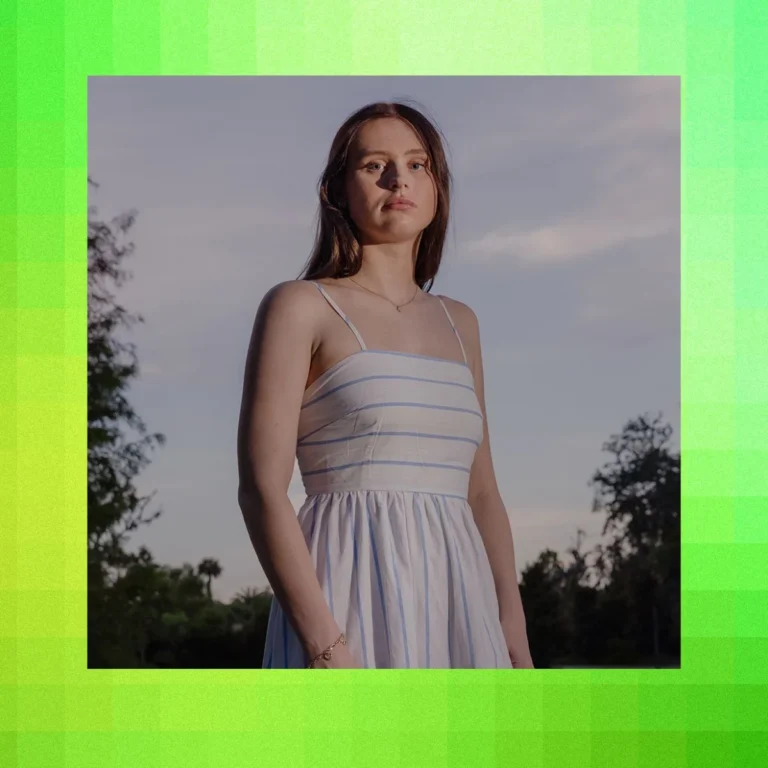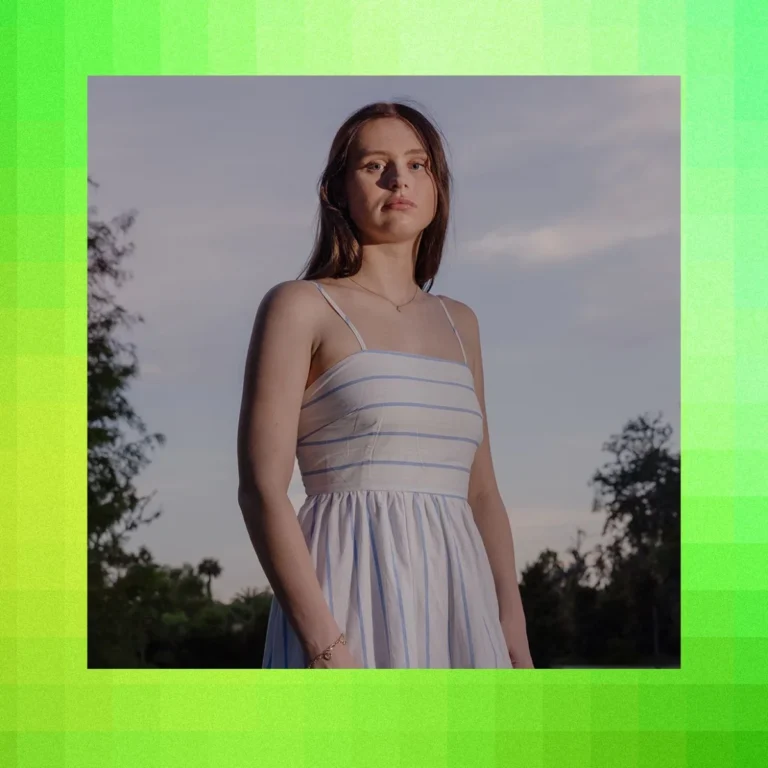

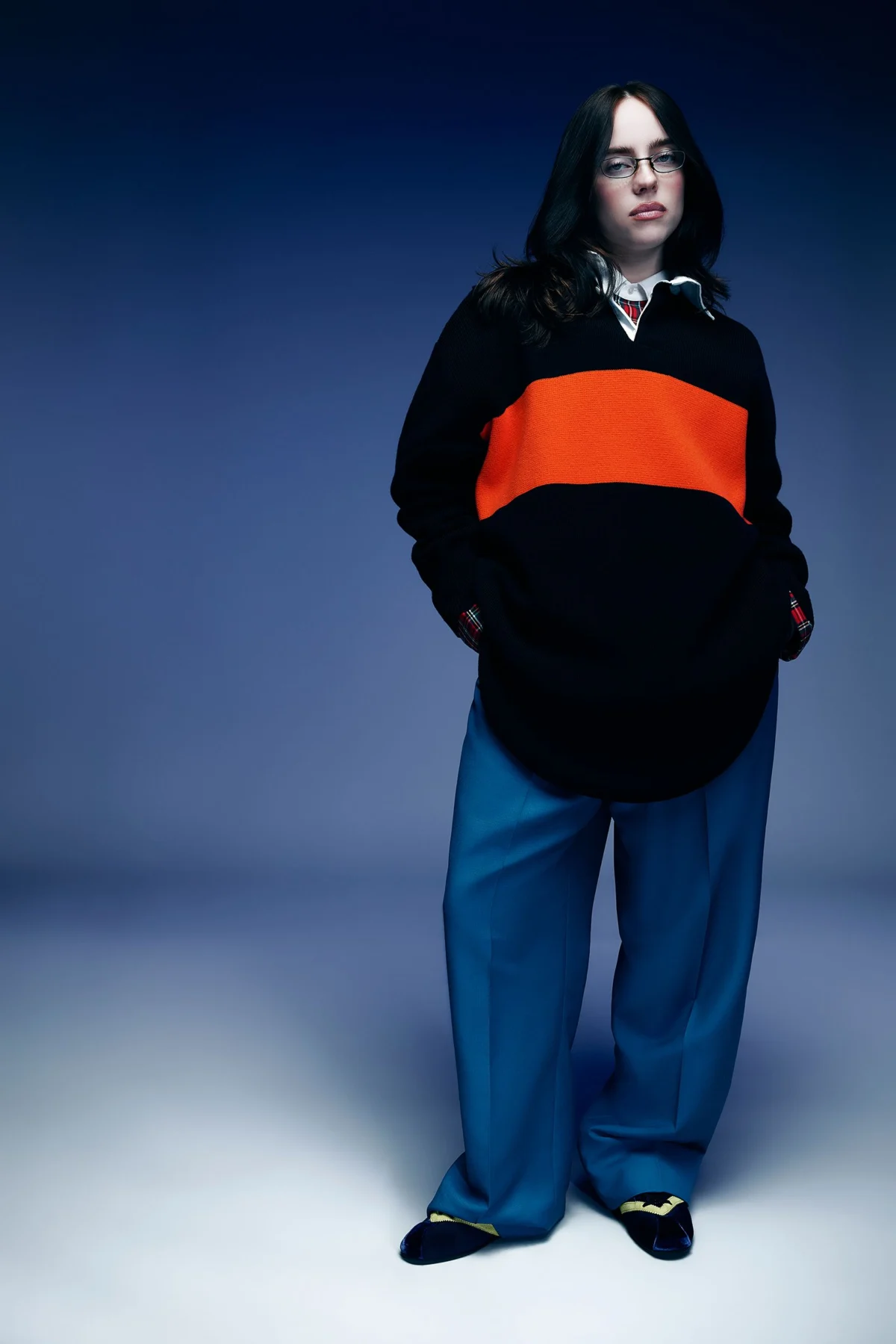
Nearly a decade ago, Billie Eilish, then a 13-year-old dancer and aspiring singer from Los Angeles, uploaded a track titled "Ocean Eyes" to SoundCloud. Originally intended only for her dance teacher to choreograph a routine, the song instead became the catalyst for one of the most meteoric rises in modern music history. Today, at 24, Eilish stands as a multi-Grammy and Academy Award-winning artist, yet she looks back at her own path to stardom with a sense of wonder and skepticism. In a recent dialogue regarding the current state of the industry, Eilish admitted that the digital ecosystem that birthed her career has transformed so radically that she is unsure if a similar ascent is even possible in the current climate.
The landscape of music discovery has shifted from a world of organic viral moments to a highly engineered environment dominated by short-form video algorithms and artificial intelligence. While Eilish remains an advocate for the democratizing power of the internet, her reflections highlight a growing concern among industry veterans and newcomers alike: the "human element" of music is increasingly buried under a mountain of digital noise.
The SoundCloud Revolution and the Rise of the Bedroom Artist
To understand Eilish’s skepticism, one must revisit the digital environment of 2015. SoundCloud was then the premier frontier for independent artists, serving as a democratic platform where tracks could gain traction without the immediate backing of a major label or a massive marketing budget. Eilish, alongside her brother and collaborator Finneas O’Connell, represented the pinnacle of "bedroom pop"—a genre defined by its intimacy, DIY production, and direct-to-fan distribution.
The chronology of Eilish’s rise provides a blueprint of that era’s discovery model:
- November 2015: "Ocean Eyes" is uploaded to SoundCloud. It gains hundreds of thousands of plays within weeks through organic sharing.
- 2016: The song is officially released as a single through Darkroom and Interscope Records, following a bidding war for the young talent.
- 2017: The release of the EP Don’t Smile at Me solidifies her aesthetic—dark, minimalist pop that resonated with Gen Z’s burgeoning digital culture.
- 2019: Her debut album, When We All Fall Asleep, Where Do We Go?, debuts at number one on the Billboard 200, making her the first artist born in the 2000s to achieve a number-one album in the United States.
During this period, platforms like Instagram and Tumblr allowed for a visual storytelling that felt authentic to the artist’s personality. Fans felt they were "discovering" Eilish in real-time, participating in a movement rather than being targeted by a marketing campaign.
The Algorithmic Shift: From 2015 to 2026
Fast forward to the mid-2020s, and the mechanisms of fame have been overhauled. The industry has moved away from the "discovery" model of SoundCloud and toward the "delivery" model of TikTok and Reels. In 2026, the landscape is defined by the "hook"—the first five to ten seconds of a song designed to go viral in a 15-second video clip.
Data from the music industry suggests that the volume of content has reached a saturation point that makes organic discovery nearly impossible. As of 2024, approximately 100,000 new tracks are uploaded to streaming services every single day. This sheer volume has forced platforms to rely almost entirely on machine learning algorithms to curate what listeners hear.
The result is a phenomenon often referred to as "algorithmic flattening," where artists feel pressured to create music that fits the specific parameters of what the software identifies as "engaging." This often sacrifices the experimentalism and slow-burn intimacy that characterized Eilish’s early work. When asked where the next Billie Eilish might be discovered, her response—"I have no idea"—reflects the reality that the "next" star may not be a person who builds a slow, loyal following, but rather someone who happens to trigger a specific algorithmic trend.
The Challenge of "AI Slop" and Digital Authenticity
A significant factor in the changing landscape is the rise of generative artificial intelligence. The term "AI slop" has entered the cultural lexicon to describe the massive influx of low-quality, AI-generated content that clogs social media feeds and streaming platforms. From deepfake vocals to entirely synthetic "artists," the barrier to entry has disappeared, but the barrier to meaning has risen significantly.
Eilish has been vocal about the dangers of this technological shift. Earlier this year, she joined over 200 high-profile artists in signing an open letter organized by the Artist Rights Alliance, calling on tech companies to stop using AI to "infringe upon and devalue the rights of human artists." The letter argued that the "predatory" use of AI to mimic human voices and styles threatens the livelihoods of creators and the integrity of the art form itself.

Despite these concerns, Eilish maintains a cautious optimism. "There’s all sorts of technologies now where it seems like we’re all doomed, but we’re not," she told WIRED. Her belief is rooted in the idea that while AI can replicate a sound, it cannot replicate the lived experience or the physical presence of a human performer. She emphasizes that "real art made by humans"—specifically live music and the shared experience of a physical audience—is the one thing technology cannot fully replace.
Supporting Data: The Economics of Modern Stardom
The difficulty of replicating Eilish’s success is also an economic one. While the internet theoretically makes art "attainable for everyone," the financial reality for new artists is increasingly grim.
- Streaming Royalties: On average, Spotify pays between $0.003 and $0.005 per stream. To earn a living wage, an artist needs millions of streams monthly, a feat usually only possible with significant playlist placement—which is often controlled by major labels.
- Marketing Costs: While "Ocean Eyes" went viral for free, modern labels often spend six-figure sums on "influencer marketing" to force a song into the TikTok zeitgeist.
- Touring Realities: With the decline in physical media sales, artists rely on touring. However, the cost of touring—fuel, crew, insurance, and venue fees—has surged by nearly 30% since 2022, making it difficult for emerging artists to build a grassroots fan base.
Eilish’s success allowed her to bypass many of these hurdles because she broke through just before the market became hyper-saturated. For a 13-year-old in 2026, the cost of "breaking through the noise" is significantly higher, both financially and creatively.
Industry Reactions and the Search for the "Next" Star
The music industry’s search for the "next Billie Eilish" has become a frantic effort to capture lightning in a bottle. Talent scouts (A&R) who once spent time in underground clubs now spend their days monitoring data dashboards and "trending" tabs.
Industry analysts suggest that the era of the "monoculture" superstar—the one artist that everyone knows and listens to—may be coming to an end. Instead, the future may hold a fragmented landscape of "micro-stars" who have highly dedicated but smaller audiences within specific digital niches.
However, major labels remain desperate for the "breakout" icon. Statements from executives at Universal Music Group and Warner Music Group indicate a pivot back toward "artist development"—the long-term nurturing of talent—after several years of chasing short-lived TikTok sensations. The consensus is that while an algorithm can find a hit song, it cannot build a career; only a human artist with a distinct vision, like Eilish, can do that.
Broader Implications: The Future of Human-Centric Art
The concerns raised by Eilish speak to a broader cultural anxiety about the role of humans in a tech-dominated world. If the path to stardom is governed by code rather than connection, what happens to the soul of the music?
Eilish’s commitment to being a "cheerleader" for the next generation suggests that the solution lies in community and advocacy. By highlighting the importance of live music and "real stuff," she is calling for a return to the fundamentals of the craft. The "attainability" of art she speaks of is not just about the ability to upload a file to the internet, but the ability for a human being to be heard and understood by another human being without an intermediary algorithm deciding the value of that interaction.
As the industry moves toward 2027 and beyond, the legacy of Billie Eilish will likely be seen as the bridge between two worlds: the last of the organic digital pioneers and the first of the modern icons to demand a human-first approach to technology. Whether the "next Billie Eilish" is currently recording a song on their phone or practicing in a garage, their success will depend on their ability to navigate a world that is increasingly "slop"-filled, yet still hungry for the authentic human voice.
In the end, Eilish’s perspective serves as a reminder that while the platforms change—from SoundCloud to TikTok to whatever comes next—the fundamental desire for "real art" remains constant. As she prepares for her next world tour, the sold-out arenas stand as a testament to her belief: the human connection of live music is the one thing that will never die.