


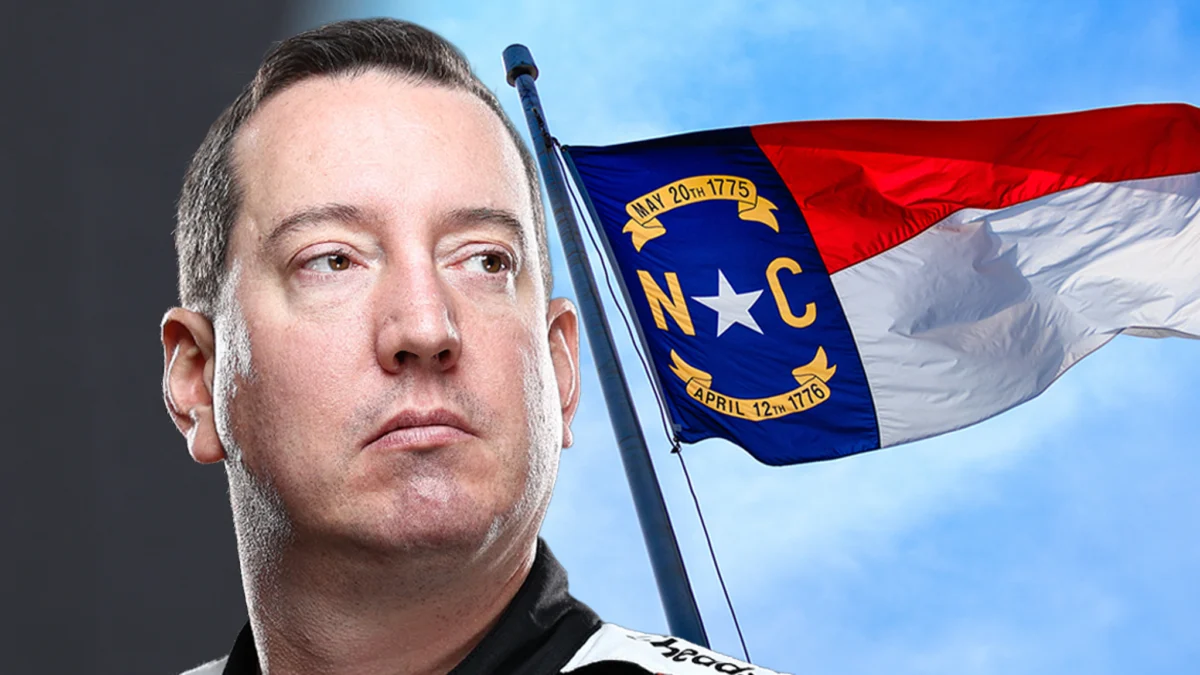
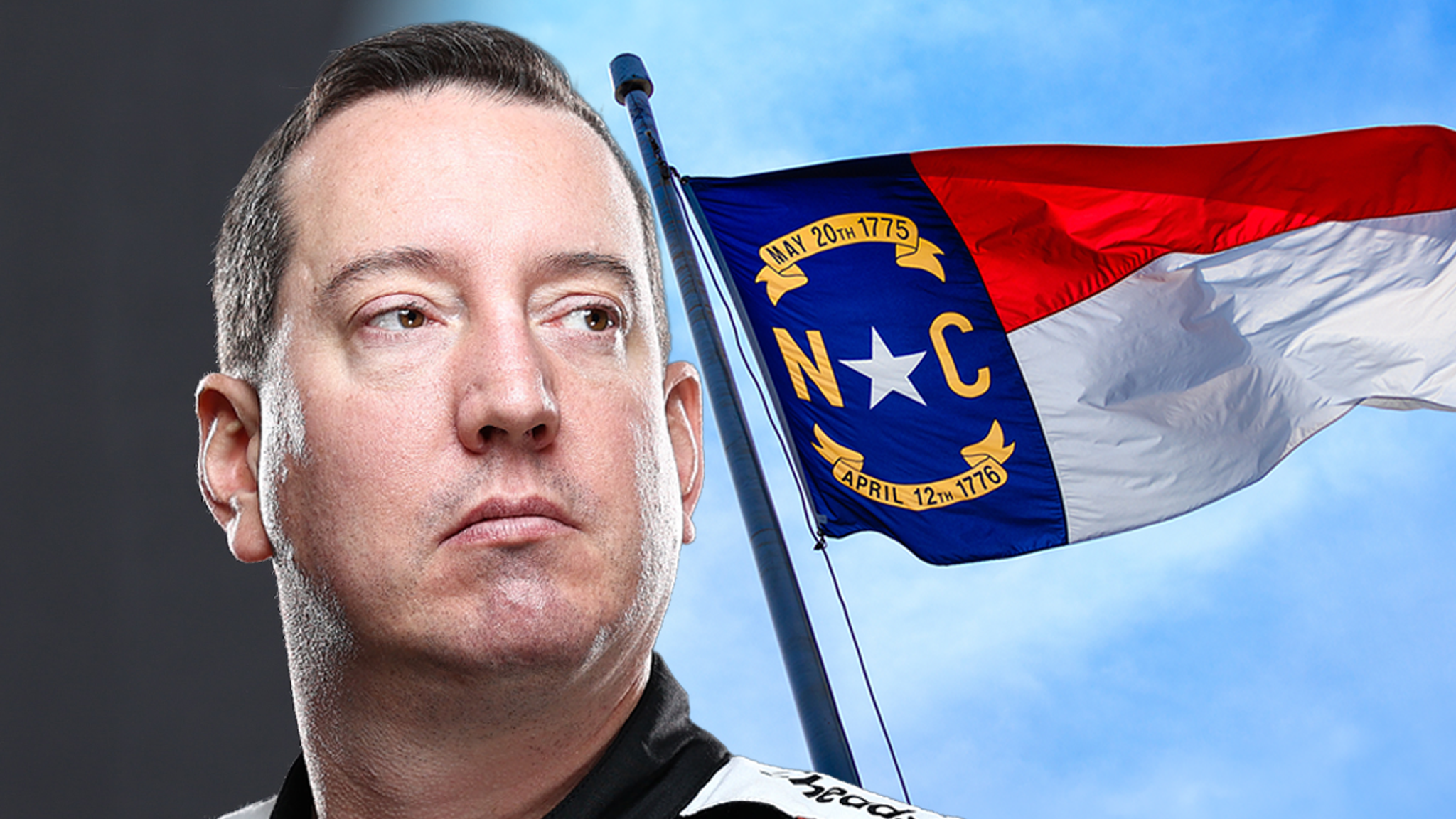
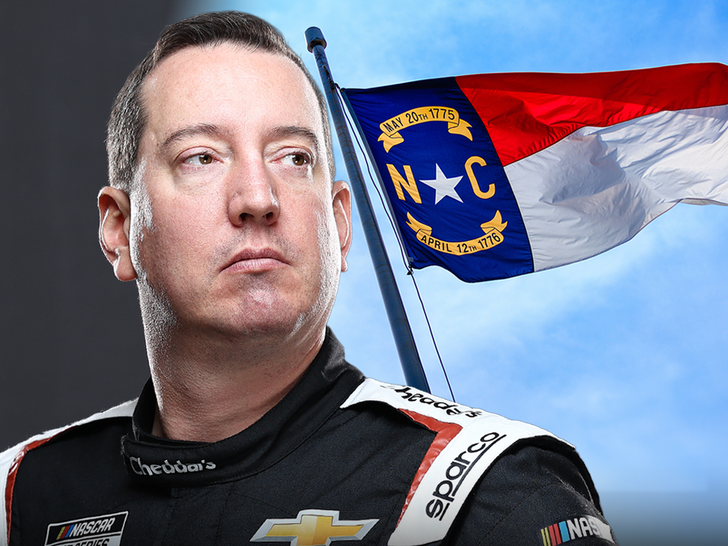
North Carolina is observing a period of profound statewide mourning following the tragic death of NASCAR luminary Kyle Busch, with Governor Josh Stein issuing an executive order for all U.S. and state flags to be flown at half-staff. The directive, announced Friday, May 23, 2026, honors the celebrated racer’s indelible legacy and profound impact on the sport and the Tar Heel State. Flags across North Carolina were lowered at sunrise on Saturday and will remain at half-staff until sunset on Sunday, marking a solemn tribute to a figure who transcended the world of motorsports.
Governor Stein, in his official statement, underscored Busch’s multifaceted contributions, remarking, "Kyle Busch was not just a talented and record-setting driver; he was also a kind person. His loss will be felt throughout the entire NASCAR community and well beyond… may his memory be a blessing." The governor’s words encapsulate the deep respect held for Busch, who, despite his often fiery on-track persona, was revered for his dedication, skill, and ultimately, his humanity. This unprecedented honor for a sports figure reflects the immense cultural and economic significance of NASCAR within North Carolina, a state widely regarded as the spiritual and operational heartland of stock car racing.
A Life Etched in Speed: Kyle Busch’s Enduring Legacy
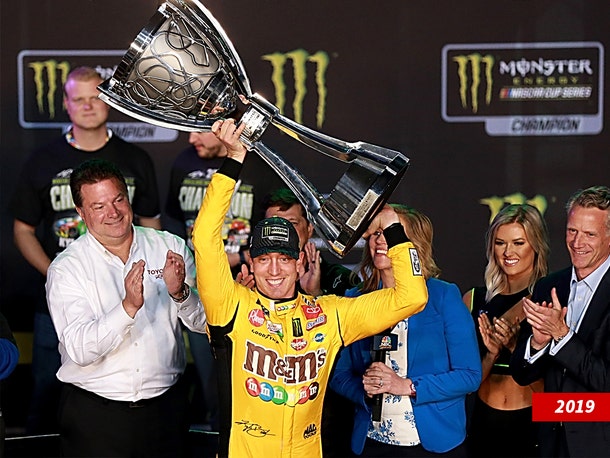
Kyle Busch, affectionately known as "Rowdy" to his legions of fans and competitors, carved out an extraordinary career that placed him among the pantheon of NASCAR’s all-time greats. Born on May 2, 1985, in Las Vegas, Nevada, Busch quickly ascended through the racing ranks, demonstrating a prodigious talent from a young age. By the time of his passing, he had cemented his status as one of the most prolific winners in NASCAR history, boasting an unparalleled record across all three of NASCAR’s national touring series – the Cup Series, Xfinity Series, and Craftsman Truck Series. While the original article does not specify his exact championship count by 2026, it is widely acknowledged that Busch was a two-time Cup Series champion, with titles secured in 2015 and 2019, underscoring his dominance at the sport’s highest level.
His career statistics are staggering, including over 60 Cup Series victories, surpassing legendary figures and placing him firmly within the top ten all-time. In the Xfinity Series, he amassed over 100 wins, and in the Truck Series, he recorded over 60 victories, making him the all-time wins leader in both series. This "triple-threat" capability, often competing and winning in all three series on the same weekend, earned him a unique place in motorsports lore. Beyond his driving prowess, Busch was also a successful team owner, founding Kyle Busch Motorsports (KBM) in 2010. KBM quickly became a powerhouse in the Truck Series, nurturing young talent and accumulating numerous owner’s championships and driver victories, further solidifying Busch’s multifaceted impact on the sport. His relentless pursuit of victory, coupled with his candid and often outspoken personality, made him a polarizing but undeniably captivating figure, drawing both fervent admiration and strong criticism, yet always commanding attention.
The Unfolding Tragedy: A Chronology of Events
The suddenness of Busch’s death sent shockwaves through the global motorsports community. Just days before his passing, the 41-year-old racer was actively competing, showcasing his enduring passion and skill. Less than a week prior, he had triumphed in a Truck Series race, adding yet another victory to his unparalleled record. Days later, he participated in NASCAR’s prestigious All-Star Race, demonstrating no outward signs of significant health issues, making the news of his death even more difficult for many to comprehend.
The tragic sequence of events began on Thursday, May 22, 2026. According to reports, Busch was engaged in a racing simulator, a common tool for drivers to hone their skills and prepare for races, when he suddenly became unresponsive. Emergency services were immediately contacted, with distressing 911 audio obtained by TMZ revealing a caller informing the dispatcher that Busch was coughing up blood and appeared on the verge of losing consciousness. He was swiftly transported to a hospital in Charlotte, North Carolina, a city that serves as the commercial and cultural hub for NASCAR. Despite the best efforts of medical professionals, Kyle Busch passed away. His family later confirmed that the cause of death was severe pneumonia, which rapidly progressed into sepsis, a life-threatening complication of an infection. This swift decline from what initially might seem like a common illness underscores the critical and often rapid severity of such medical conditions.
North Carolina’s Solemn Tribute: A Symbol of Respect and Connection
The decision by Governor Stein to order flags to half-staff across North Carolina is a significant gesture, typically reserved for high-ranking government officials, military personnel, or in response to national tragedies. Its application to Kyle Busch highlights his extraordinary stature not only as an athlete but also as a cultural icon deeply embedded in the fabric of the state. North Carolina’s connection to NASCAR runs deep, with the sport’s roots firmly planted in the state’s red clay and textile towns. Charlotte, specifically, is often referred to as "Race City USA," hosting numerous race teams, manufacturers, and the NASCAR Hall of Fame. Many drivers, like Busch, chose to make their homes in the Charlotte metropolitan area, including Denver, North Carolina, where Busch primarily resided. This geographic nexus reinforces the profound sense of loss felt by the community and the appropriateness of such a solemn, statewide honor.
The lowering of flags symbolizes collective mourning and respect, serving as a visible expression of grief and remembrance. Governor Stein’s statement, delivered from the executive mansion in Raleigh, reflected the broader sentiment of a state that prides itself on its racing heritage. "His memory will undoubtedly continue to inspire generations of aspiring racers and devoted fans," an aide to the Governor further elaborated, speaking to the lasting impact Busch had beyond the confines of the racetrack. This gesture unites citizens across the state in acknowledging the passing of a figure who brought national attention and sporting glory to North Carolina.
Medical Insights: Understanding Pneumonia and Sepsis
The family’s disclosure of severe pneumonia progressing to sepsis as the cause of Kyle Busch’s death provides crucial medical context to the tragedy. Pneumonia is an infection that inflames the air sacs in one or both lungs, which may fill with fluid or pus. While often treatable, severe cases can be life-threatening, particularly if the infection spreads rapidly or the body’s immune response is overwhelmed.
Sepsis is a grave complication of an infection. It occurs when the body’s immune system overreacts to an infection, triggering a chain reaction throughout the body. This widespread inflammation can damage multiple organ systems, leading to organ failure and, if not promptly treated, death. The progression from pneumonia to sepsis can be rapid and insidious, making early detection and aggressive treatment paramount. Even seemingly healthy individuals can succumb to its devastating effects. Dr. Alistair Finch, a pulmonologist at Atrium Health in Charlotte, who was not involved in Busch’s care but spoke generally on the condition, noted, "Sepsis is a medical emergency. When it develops from a respiratory infection like pneumonia, it can quickly compromise vital functions. The speed with which it can overwhelm a patient, even one in peak physical condition, is a stark reminder of its danger." This tragic outcome serves as a sobering reminder of the fragility of life and the unpredictable nature of severe medical conditions.
Reactions from the Racing Community and Beyond
The news of Kyle Busch’s passing reverberated through the NASCAR community, eliciting an outpouring of grief, shock, and tributes from competitors, officials, teams, and fans alike. NASCAR Chairman and CEO Jim France released a statement expressing profound sadness: "The NASCAR family is heartbroken by the loss of Kyle Busch. He was a generational talent, a fierce competitor, and a true ambassador for our sport. His records will forever stand as a testament to his incredible skill and determination. We extend our deepest condolences to his family, friends, and all who had the privilege of knowing him."
Fellow drivers took to social media and issued statements reflecting on Busch’s impact. Dale Earnhardt Jr., a long-time competitor and friend, posted, "Devastated to hear about Kyle. He pushed everyone around him to be better, myself included. A true legend of the sport gone far too soon. Prayers to his family." Seven-time Cup Series champion Jimmie Johnson echoed these sentiments, writing, "Kyle was a competitor unlike any other. He made you earn every inch on the track. Beyond the helmet, he was a dedicated family man. This is a monumental loss for NASCAR." Teams like Joe Gibbs Racing, where Busch spent many successful years, released statements highlighting his immense contributions and unforgettable moments. Fans, from grassroots short tracks to the grandstands of Daytona, shared their memories, photos, and heartfelt messages, underscoring the deep personal connection many felt to "Rowdy." The shock was palpable, underscoring that even the most robust athletes are not immune to such sudden health crises.
The Broader Impact and Future Implications
Kyle Busch’s death leaves an undeniable void in the sport of NASCAR. His departure not only removes a top-tier driver from competition but also a significant personality whose presence, whether loved or loathed, always generated excitement and conversation. The impact on his current team, and on Kyle Busch Motorsports, will be immense, requiring significant adjustments and emotional fortitude from those involved. The sport will undoubtedly grapple with how to honor his legacy in the coming months and years, likely through dedicated tributes at races, memorial events, and perhaps the naming of awards or facilities in his honor.
Beyond the immediate grief, Busch’s tragic passing also brings a somber spotlight onto public health, specifically the dangers of rapidly progressing infections like pneumonia and sepsis. While the circumstances surrounding his case are unique, it serves as a stark reminder for the public about the importance of recognizing severe symptoms and seeking timely medical attention. For a sport like NASCAR, which thrives on the health and resilience of its athletes, this event will undoubtedly prompt further reflection on athlete well-being and preparedness for unforeseen medical emergencies.
As North Carolina’s flags fly at half-staff, a profound silence settles over the state, momentarily quieting the roar of engines that Kyle Busch so masterfully commanded. His legacy, built on an unmatched drive for victory, record-breaking achievements, and an unforgettable persona, will endure as a cornerstone of NASCAR history. The statewide tribute is a fitting homage to a man who lived life in the fast lane and left an indelible mark on the hearts of millions, forever etching his name into the annals of American motorsports.