

A Legacy of Platforming Excellence
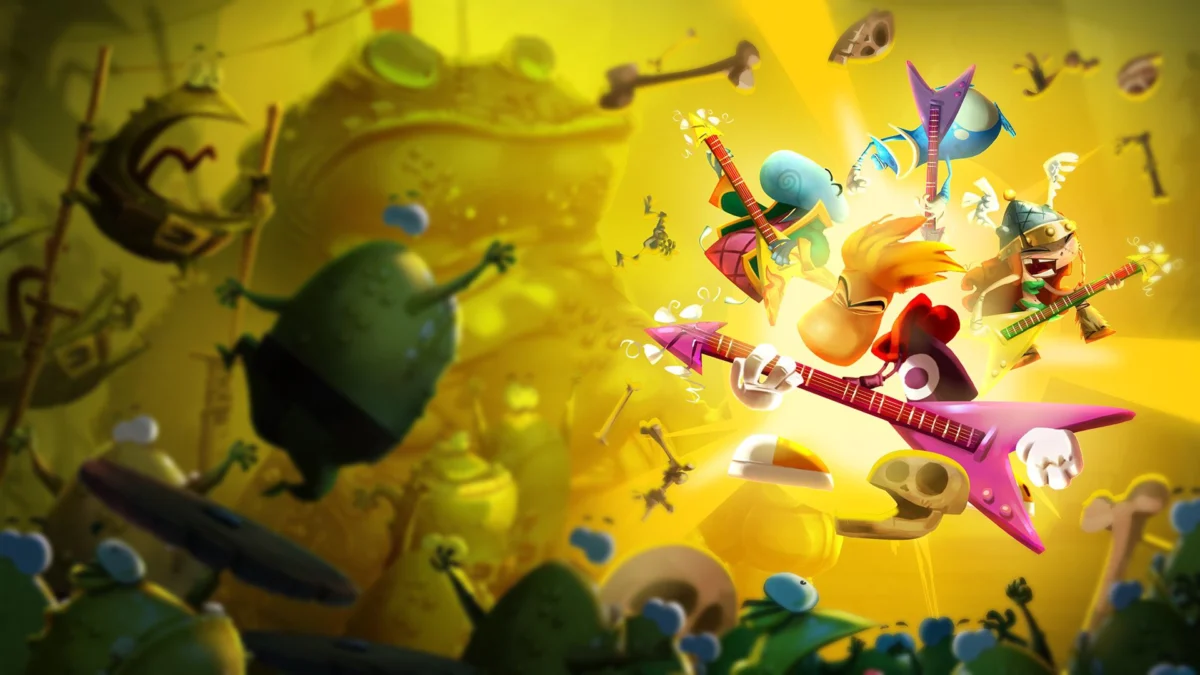
The history of Rayman Legends is a testament to its enduring appeal. Since its initial release in 2013 for the PlayStation 3, Xbox 360, PC, Wii U, and PlayStation Vita, the game has undergone numerous ports and re-releases, expanding to the PlayStation 4, Xbox One, Nintendo Switch, and the cloud-based Google Stadia platform. Its sustained presence on modern hardware is attributed to its high-fidelity 2D art style, fluid character animations, and a rhythm-based level design that has set a benchmark for the genre.
The original title was lauded for its accessibility and depth, offering a "die-and-retry" loop that rewarded persistence without becoming exclusionary. For many players, the standout features were the musical levels—fast-paced gauntlets synchronized to covers of popular tracks such as "Black Betty" and "Eye of the Tiger." These levels bridged the gap between rhythm-action and traditional platforming, establishing a unique identity that distinguished the series from its contemporaries.
The Technical Architecture of Retold
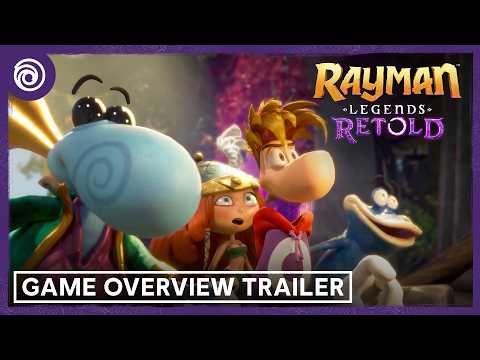
A primary concern among fans when Ubisoft announced the project was whether the transition to 2.5D visuals might compromise the tight, responsive controls that defined the original experience. However, the development team has implemented a "Russian doll" technical architecture to mitigate these risks. The core game logic, physics, and collision detection are still powered by the original UbiArt Framework, while a secondary, modern engine handles the high-resolution rendering, lighting, and audio processing. This ensures that the fundamental "feel" of the gameplay remains untouched, providing a familiar experience to veteran players while visually elevating the aesthetic to contemporary standards.
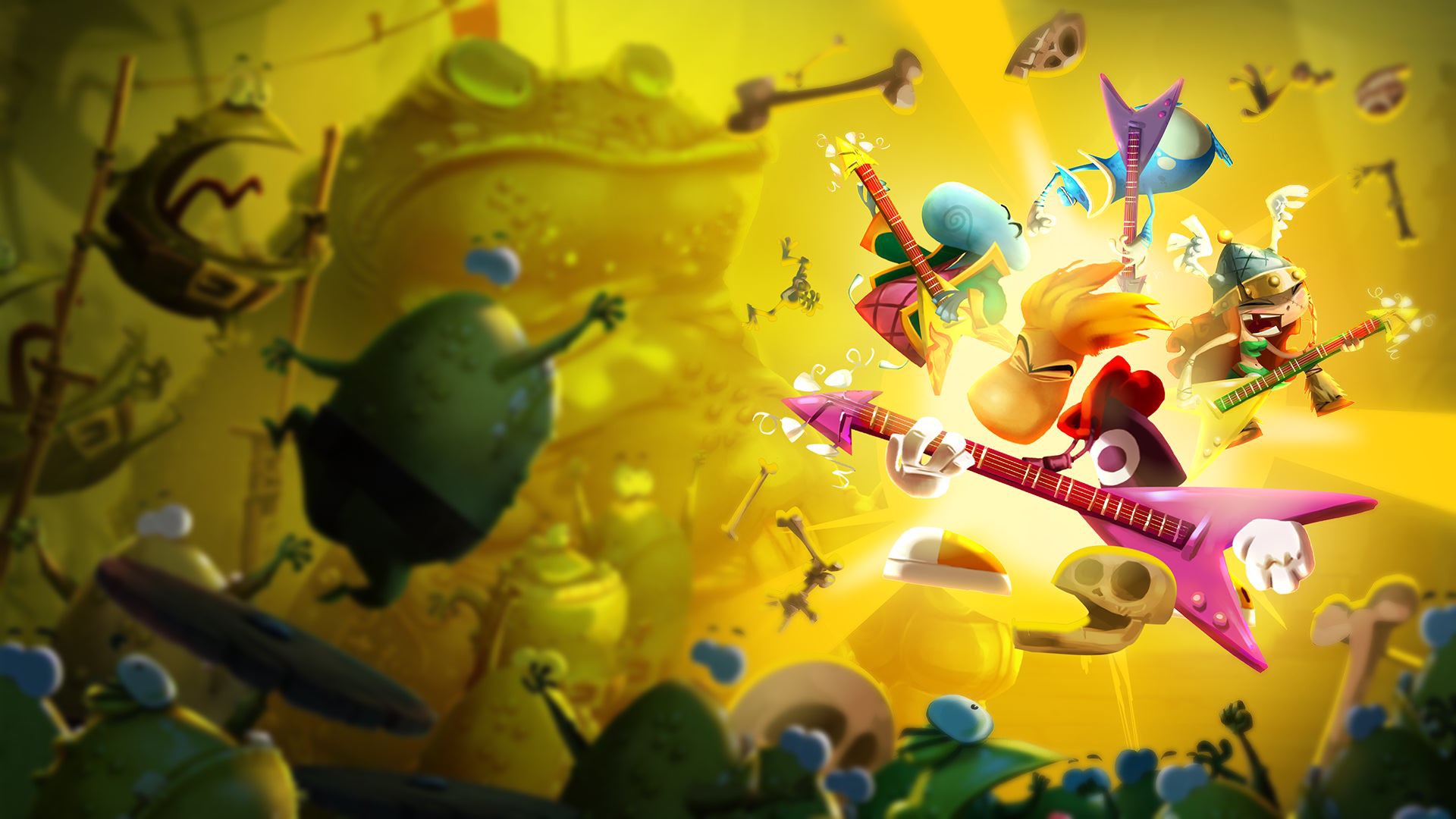
According to Marco Renso, animation and realization director at Ubisoft Milan, this move toward 2.5D is not merely an aesthetic upgrade but a narrative tool. By manipulating depth and the scale of character models, the team can introduce new environmental storytelling elements. For example, during extended sequences like zip-line segments, the camera can shift to highlight background details, allowing for moments of player reflection amidst the high-speed action. This approach preserves the core gameplay loops while expanding the world-building potential of the environment.
Expanding the Musical Repertoire
The "Retold" edition will feature a total of 12 musical levels, doubling the number found in the original release. The selection process for these new tracks was a rigorous exercise in curation. Loïc Gounon, brand producer at Ubisoft Montpellier, noted that the team sought to select songs that would resonate across generations, acknowledging the transgenerational nature of music.
Two confirmed additions include a level set to a track inspired by the Macarena and another based on MC Hammer’s "U Can’t Touch This." The Macarena-themed level, set within a Mexican wrestling-inspired kitchen, features a boss character—a luchador—who performs the iconic dance, showcasing the team’s commitment to injecting humor and personality into the levels. By balancing these new additions with the original setlist, the developers aim to cater to both long-time fans who grew up with the franchise and younger players discovering the series for the first time.
Strategic Development and Industry Context
The development of Rayman Legends Retold represents a significant investment for Ubisoft, which views the project as a foundational step for the future of the intellectual property. For Gounon, who has been involved with the Rayman franchise since the late 1990s, the project is deeply personal. Having worked on various iterations, including the early development of Rayman 4—which eventually evolved into the spin-off Raving Rabbids and the eventual Rayman Origins—Gounon views Retold as a bridge between the series’ origins and its potential future.
The project also reflects a broader industry trend of revisiting and refining classic titles to maintain brand presence in a competitive market. By framing Retold as a "new starting point," Ubisoft is signaling an intent to re-establish Rayman as a pillar of its portfolio. This strategy is reinforced by the team’s focus on balancing difficulty, ensuring that the game remains challenging enough for platforming enthusiasts while remaining approachable for family play.
Timeline and Delay Adjustments
The production schedule for Rayman Legends Retold has faced adjustments to accommodate the scope of the project. Initially slated for an October 1, 2026, release, Ubisoft recently announced a delay to December 3, 2026. Official statements indicate that the additional two months are intended to ensure that every technical and creative detail receives the necessary attention. This decision highlights the company’s commitment to quality control in an era where polish is a primary factor in consumer reception.
The delay also places the game in a strategic position within the late-year release calendar. By moving the launch, Ubisoft avoids a saturated October window, potentially allowing the game to find a clearer path to its target demographic as the holiday season approaches.
Implications for the Future of Rayman
The significance of this project extends beyond a mere remaster. It serves as a litmus test for the enduring viability of the Rayman brand. If successful, Retold could serve as a catalyst for future original titles in the series. The emphasis on world-building, emotional resonance, and high-quality production suggests that Ubisoft is treating this not as a temporary diversion, but as an essential piece of long-term franchise strategy.

From a design perspective, the collaboration between the Montpellier and Milan studios underscores the value of cross-team expertise in modern game development. By combining the historical knowledge of the Montpellier team—who helped create the series—with the fresh perspective of the Milan studio, Ubisoft has managed to maintain the "DNA" of the original while pushing the boundaries of what a classic 2D platformer can achieve in a 2.5D space.
Conclusion
Rayman Legends Retold appears to be a calculated and careful evolution of a beloved classic. By focusing on the preservation of core mechanics through the UbiArt Framework while expanding the auditory and visual scope of the game, the developers are positioning the title to appeal to both nostalgia-driven veterans and new audiences. The upcoming release in December will ultimately determine whether this approach can successfully revitalize the franchise, but for now, the project stands as a notable example of how heritage titles can be updated with respect and technical precision. As the industry continues to see a surge in interest for high-quality platforming experiences, the return of Rayman arrives at a critical juncture, promising to offer a blend of challenge, charm, and musical innovation that is increasingly rare in the current gaming landscape.