


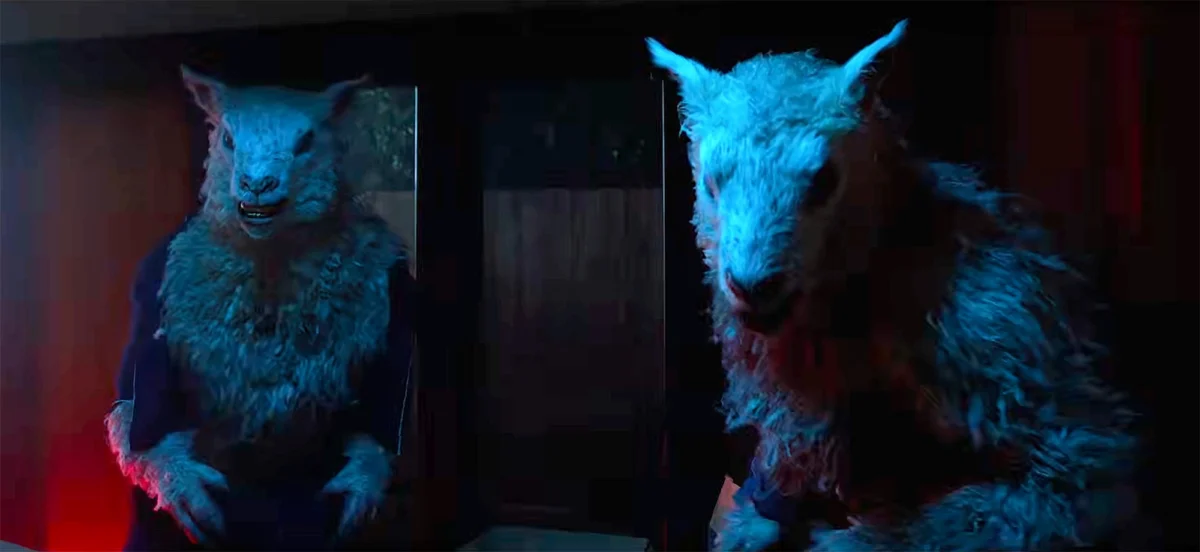
Two decades after genetically modified livestock terrorized a remote rural community in New Zealand, the woolly architects of carnage are officially returning to the silver screen. Umbrella Entertainment has unveiled the first official trailer and promotional materials for Black Sheeps, the highly anticipated sequel to the 2006 cult classic horror-comedy Black Sheep. Directed once again by original filmmaker Jonathan King and shot on location in New Zealand, the film promises an unapologetic blend of practical creature effects, excessive gore, and dark, irreverent humor.
The initial promotional rollout confirms that the upcoming feature will maintain the stylistic DNA of its predecessor while introducing a new narrative framework. Featuring a fresh ensemble cast alongside returning talent, the sequel is slated to make its world premiere at the prestigious Sitges Film Festival next month before heading to New Zealand cinemas on November 12, 2026. As horror fans and midnight-movie enthusiasts revisit the legacy of the original film, the release of the Black Sheeps trailer marks a significant milestone for international indie horror-comedy franchises.
Main Facts and Plot Overview
The narrative of Black Sheeps picks up twenty years after the bio-engineered disasters of the first film, though the threat has evolved. The plot centers on a young, ambitious scientist who becomes entangled in the investigation of a dangerous, fast-spreading new pathogen. Her scientific inquiries ultimately lead her back to her rural hometown, situated ominously in the shadow of the remote sheep station where the original outbreak and subsequent massacres occurred.

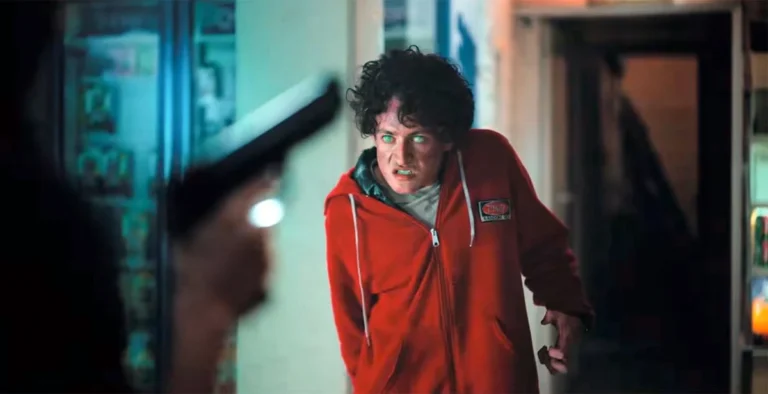
As the pathogen takes hold, it unleashes a new strain of genetically mutated, bloodthirsty sheep capable of extreme violence and cunning predation. The official marketing campaign has already leaned heavily into the absurd terror of the premise, highlighted by the trailer’s standout line of dialogue: "My husband’s turned into some kind of… sheep man!"
The ensemble cast features a mix of rising talent and established actors, including Tabatha Killick, Lucia Davison, Joseph Witkowski, Ian Harcourt, Heather O’Carroll, Paul Waggott, and Renaye Tamati. Notably, Nathan Meister returns from the original 2006 cast, providing continuity for long-time fans of the franchise. Behind the scenes, the production brings back key creative forces, with Jonathan King returning to direct and co-writing the screenplay alongside Matthew Grainger and Rosie Howells. Production duties are handled by Grainger, King, and James Partridge, ensuring that the sequel retains the distinct cultural and aesthetic identity of the original Kiwi production.
Chronology and Development History
The journey from the release of the original Black Sheep in 2006 to the impending premiere of Black Sheeps in late 2026 spans a full twenty years, making it one of the longer-gestating comedic horror sequels in recent cinematic history.
When Jonathan King’s original film debuted, it was celebrated globally for its daring practical effects—courtesy of Sir Peter Jackson’s world-renowned Wētā Workshop—and its clever subversion of traditional zombie tropes, substituting the undead with rabid, flesh-eating farm animals. The film became an international festival favorite, screening at prominent events like the Toronto International Film Festival and capturing the imaginations of genre enthusiasts worldwide. Despite its cult status and modest box office success, a sequel did not immediately materialize. Over the intervening two decades, King expanded his portfolio with projects such as the 2009 adaptation of Under the Mountain and the thriller Realiti, while the original Black Sheep cemented its reputation as a modern midnight movie classic through home video releases and streaming platforms.

Discussions regarding a potential follow-up percolated quietly within the New Zealand film industry for years before securing the necessary financing and logistical backing. The formal greenlight allowed the production team to reunite key elements of the original creative workforce, culminating in principal photography across New Zealand’s rugged landscapes. The culmination of this multi-year development cycle is the 2026 release schedule, beginning with the upcoming festival debut in Spain followed by the commercial domestic rollout in November.
Supporting Data and Distribution Strategy
The distribution and festival strategy for Black Sheeps reflects a calculated approach by Umbrella Entertainment to maximize both critical reception and fan engagement. By securing a world premiere at the Sitges Film Festival—widely regarded as the premier international festival for fantasy and horror cinema—the film positions itself immediately within the global genre conversation, courting early reviews from influential critics and horror journalists.
Commercially, the theatrical rollout in New Zealand is set for November 12, 2026, targeting the lucrative late-year box office window. While international distribution dates outside of New Zealand have not yet been formally announced by Umbrella Entertainment, the global reach of the original film suggests strong potential for international sales, streaming acquisitions, and targeted theatrical engagements in key territories such as North America, the United Kingdom, and Australia.
The financial viability of indie horror-comedy sequels often hinges on brand recognition and fan loyalty. The original Black Sheep proved that high-concept, low-to-mid-budget genre films with distinct regional flavors could achieve global profitability through strong word-of-mouth and festival circuits. By leveraging established intellectual property while introducing a modernized narrative and expanded lore, Black Sheeps is positioned to capture both nostalgic viewers of the 2006 original and a younger generation of horror consumers.

Official Responses and Industry Reception
While formal reviews from the Sitges Film Festival remain pending ahead of next month’s premiere, the initial public response to the trailer release on YouTube and social media channels has been overwhelmingly enthusiastic. Genre communities and trade publications have praised the trailer’s commitment to practical creature effects, gory set-pieces, and unapologetic B-movie absurdity in an era increasingly dominated by polished, CGI-heavy horror.
Industry analysts note that the decision to prioritize practical makeup, animatronics, and physical stunt work—hallmarks of the original film’s charm—serves as a deliberate artistic choice designed to resonate with purists of traditional monster movies. Director Jonathan King has consistently emphasized the importance of maintaining the tactile, farm-fresh grit that defined the first installment, ensuring that the sequel avoids over-reliance on digital enhancements.
Broader Impact and Genre Implications
The arrival of Black Sheeps highlights a broader industry trend toward the revival of cult classic horror properties from the 2000s. As studios and independent distributors alike mine past decades for recognizable intellectual property, mid-tier horror-comedies have proven to be fertile ground for legacy sequels.

Furthermore, the film reinforces the enduring global viability of New Zealand cinema as a distinct hub for innovative genre filmmaking. Following in the footsteps of cinematic milestones pioneered by filmmakers like Peter Jackson, Jonathan King’s continued exploration of rural horror-comedy demonstrates that local storytelling infused with universal genre tropes can maintain cultural relevance over decades.
As the countdown to the Sitges premiere and the November theatrical release continues, all eyes will be on whether Black Sheeps can successfully recapture the anarchic lightning in a bottle of its predecessor. For fans of practical creature features and dark comedic horror, the return of the killer sheep promises to be one of the most entertaining cinematic excursions of the year.